
Essays · Olfactory Art
Clara Ursitti. Self-Portrait in Scent, Sketch no. 1.
A portrait without a face.
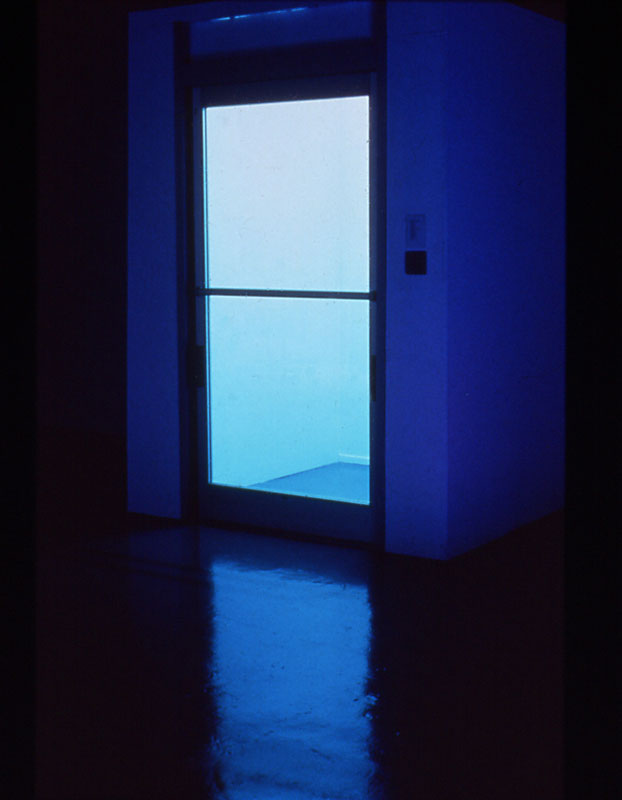
A room instead of a painting
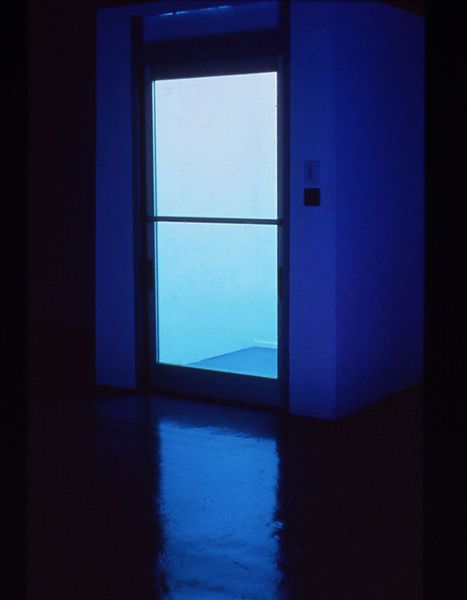
In 1994, Clara Ursitti built a small room. It was made specially for the work, with an electronic door. Nothing hung on the walls inside. No image, no text, no sculpture.
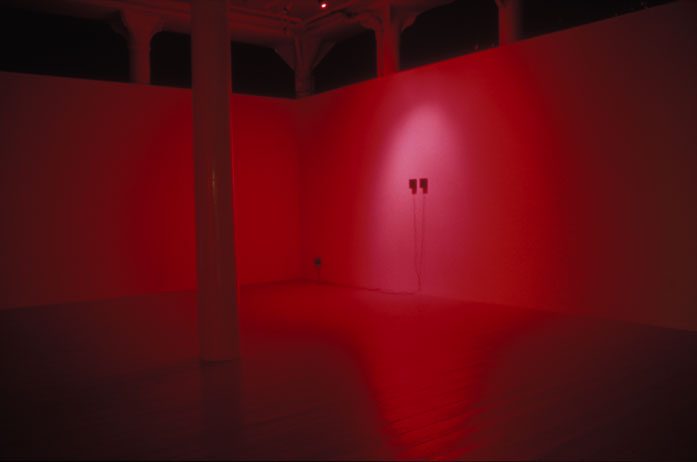
The only things in the room were scent dispensers fitted with motion sensors. When someone stepped in, the machine registered them and released scent into the air. The visitor stood in an empty space, and what they met was a smell.
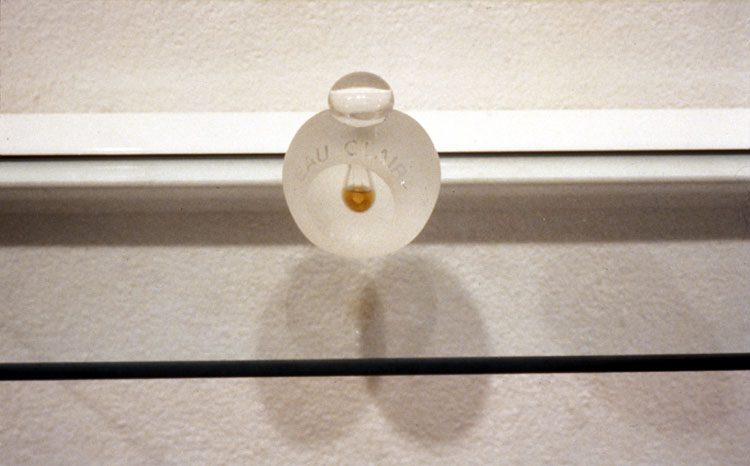
Ursitti titled the room Self-Portrait in Scent, Sketch no. 1. The scent was synthetic. It was built to stand in for the artist herself.
That same year the work was shown in New Art in Scotland, at the Centre for Contemporary Arts in Glasgow and at Aberdeen's city art gallery. It later travelled to the Bartók Galleria in Budapest, Hungary.
A portrait that does not need to be seen
The self-portrait is one of the oldest genres in Western painting. The artist looks in a mirror and paints what she sees. Face, gaze, posture. The viewer stands in front of the canvas and looks back. The whole genre rests on the eye.
Ursitti leaves the eye outside. She does not let the visitor see her. She lets them smell.
That changes the relationship. To look at a painting is to stand some distance from it. To smell something is to lose that distance. Scent enters the nose, the lungs, the body of the visitor. You no longer stand in front of the portrait. You stand inside it.
This is why the room feels so private. In ordinary life we only smell another person when we are very close to them: an embrace, a shared bench, a shared pillow. Ursitti invites a stranger into that distance. The electronic door closes behind them, and for a few minutes they are nearer to the artist than any painted portrait would allow.
The word Sketch in the title matters too. This is a draft, not a finished piece. Ursitti went on to make Self-Portrait in Scent, Sketch no. 2. Like a painter returning to the same face, she tried the same question again with a slightly different material.
Scent as an artistic material
In the early 1990s, scent was still rarely the main material in a gallery. It usually came along with something else: the smell of paint, of wood, of other materials. Ursitti reversed that. There was no other material. Only scent.
The work is often mentioned when people trace the history of olfactory art. It came early, and it asked its question plainly: if every image is removed, is a person still there?
The room's answer is yes, but differently. A scent does not tell you whether the artist is tall or short, young or old, what colour her hair is. It tells you something harder to name. Presence. Warmth. The sense that someone has just left the room.
Scent does not stay still either. It fades, shifts with the temperature of the room and with the nose of each visitor. No two visitors meet the same portrait. A painting on a wall is still itself thirty years later. Ursitti's room has to be switched on, each time.
Perhaps that is why Self-Portrait in Scent is still discussed. It is more than a trial of an unusual material. It says something simple about people: we are known by more than what others can see.
Olfactory Art