
Essays · Modern Art
Hippolyte Blancard. The Platinum Print.
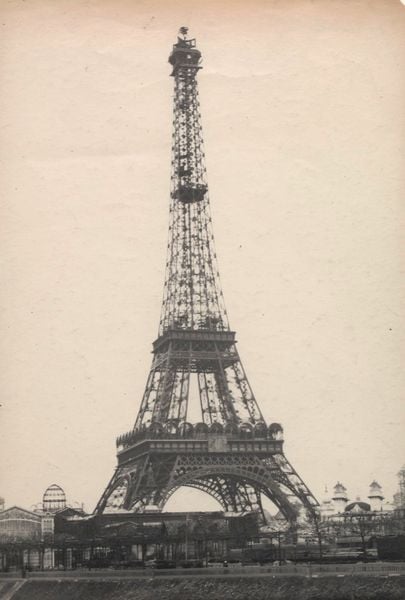
A tower rising, one month at a time.
A pharmacist with a camera
Hippolyte Blancard lived from 1843 to 1924. By profession he was a pharmacist in Paris. Photography was something he did outside working hours, as an amateur. But he did it with the regularity of someone used to measuring.
In the late 1880s Paris was preparing for the Exposition Universelle of 1889, an international event presenting new inventions, scientific discoveries and art. The city became a building site. Pavilions rose along the Seine. And in the middle of the Champ de Mars an iron frame began to grow: the tower of the engineer Gustave Eiffel, built as the entrance to the fair.
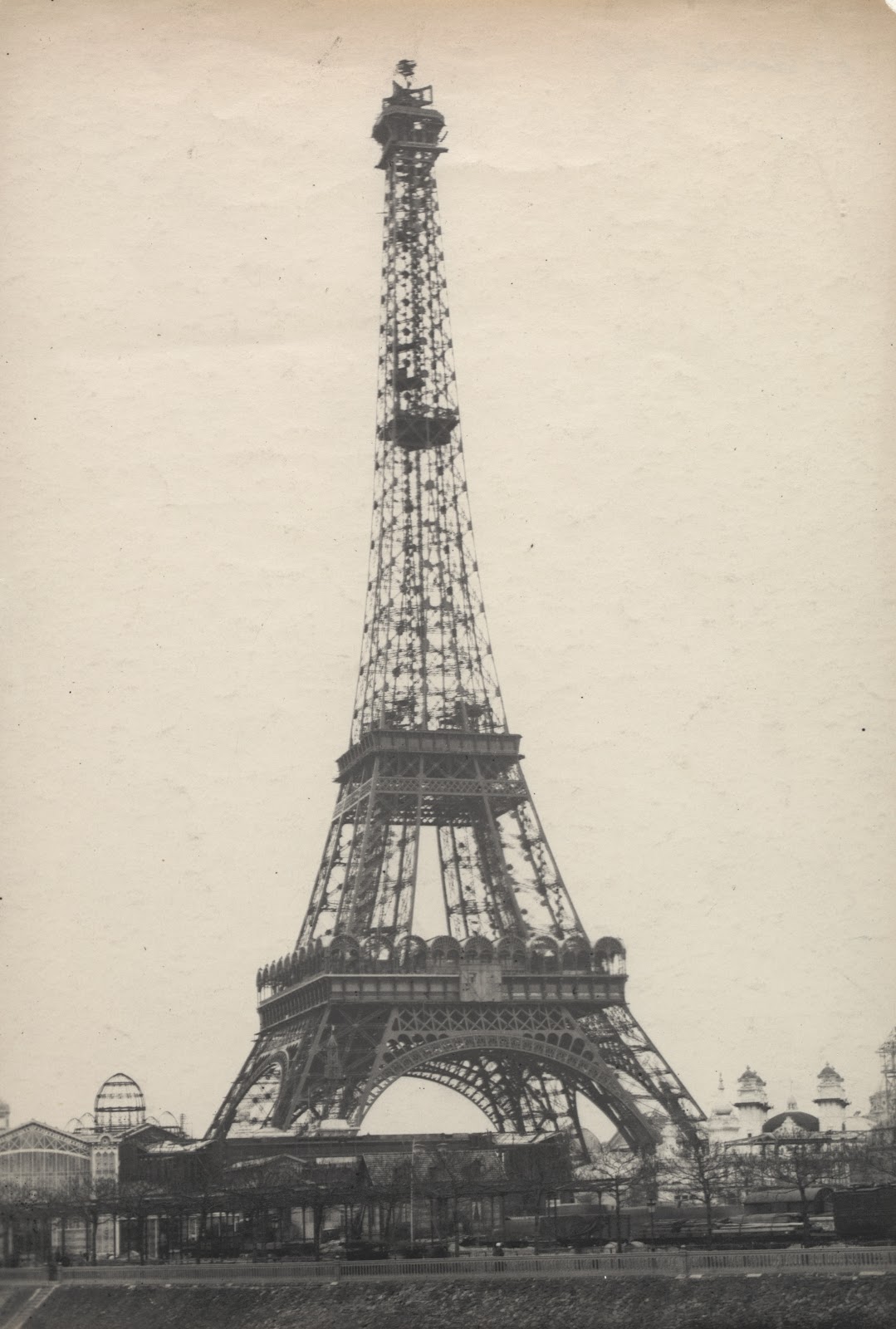
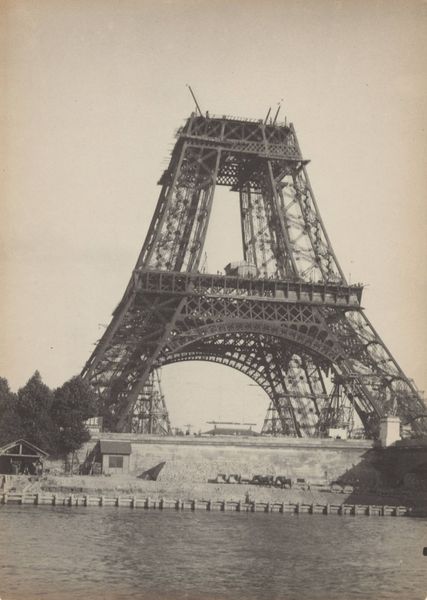
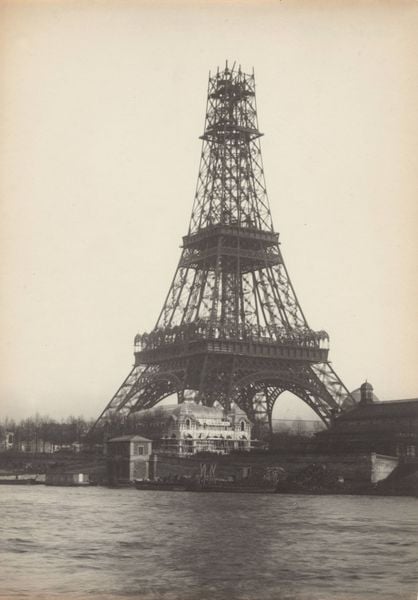
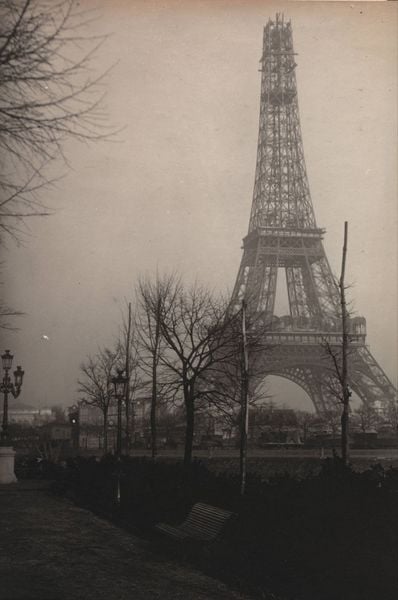
Blancard photographed the architecture taking shape for the event. His best known series follows the tower from July 1887 to April 1889. Four iron legs still apart. The first level closing. The shaft narrowing. At last the summit against the sky.
Month after month
What sets this series apart from souvenir pictures is its rhythm. Blancard returned again and again, over many months. The prints have no individual titles. The Museum of Modern Art in New York holds them under a single form of name: untitled, with a month and a year. April 1888. June 1888. August 1888. October 1888. April 1889.
Each print is small, about twenty two by sixteen centimetres. No enlargement, no staging. The viewer is not invited to marvel at a great monument. They are invited to watch a process: iron laid on iron, level by level, month by month.
The method is closer to a notebook than to a painting. The same subject, looked at again after each interval. What changes is recorded precisely, without comment. Today these photographs remain among the clearest records of the stages in which the Eiffel Tower was built.
Why platinum
Blancard often printed in platinum. The process was patented in 1873. Instead of silver, the image is formed by platinum metal lying within the fibres of the paper. The surface is matte, not glossy. The tonal range is wide, from deep black to very fine greys.
Platinum's great advantage is permanence. Silver prints can discolour and fade over the years. Platinum prints stay almost unchanged. In return, the process was more expensive and more demanding than other methods of the time. Choosing platinum meant working slowly, working carefully, and thinking of whoever would look at the picture long after.
For a pharmacist, the choice may have come naturally. His work was to weigh correctly, mix correctly, record correctly. His photography carries the same spirit: a clear subject, a stable process, a result that lasts.
More than a century later, Blancard's prints are held in archives in France and in a museum collection in New York. They are not only records of a tower. They are evidence that a moment can be kept, if the keeper is patient enough and chooses the right material.
Modern Art