
Essays · Contemporary Art
What Is Contemporary Art.
A work is only complete when someone stands before it.
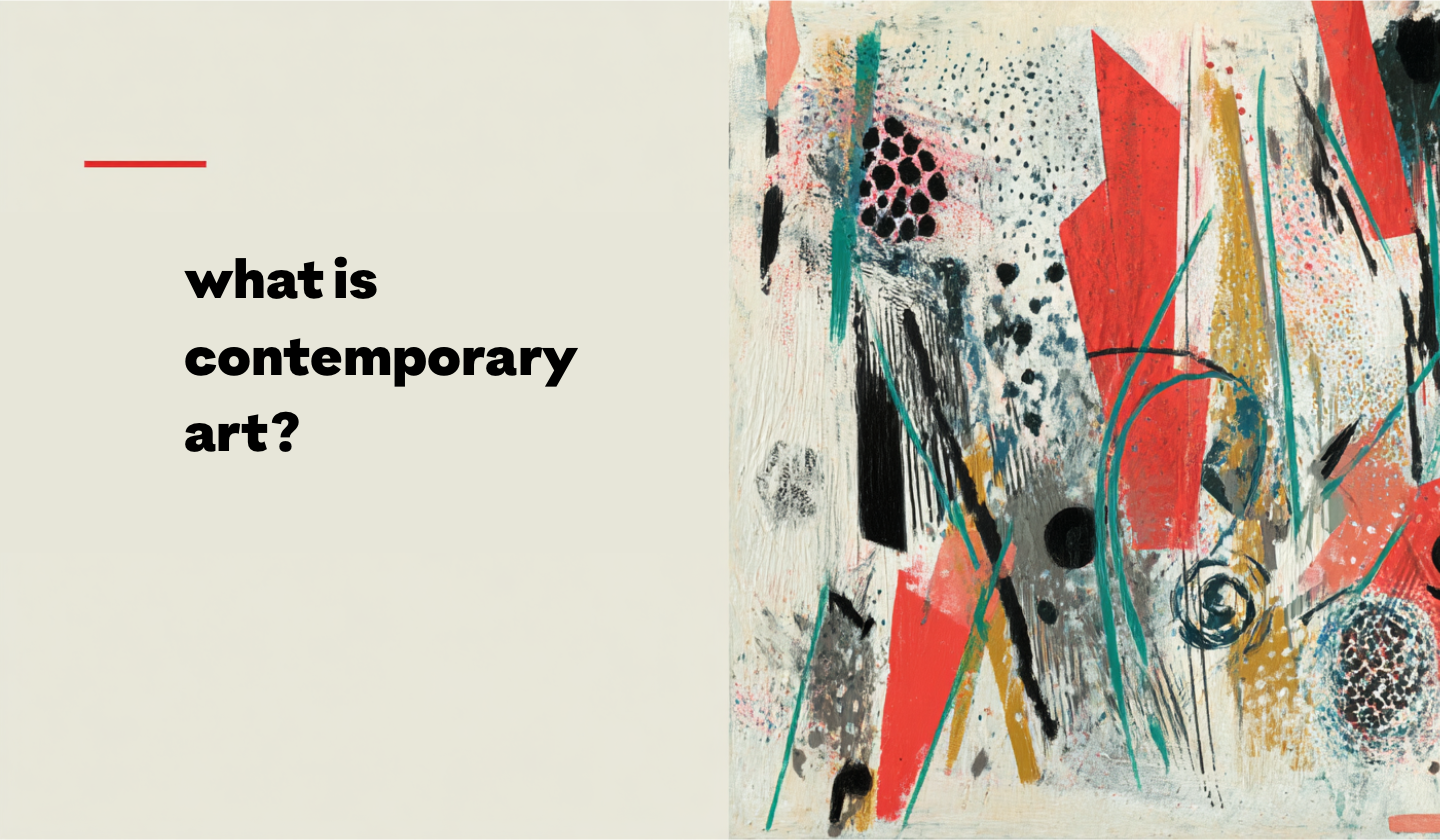
A name for the art of today
Contemporary means of the same time. Contemporary art, simply put, is the art of the present and the recent past. Museums usually count it from around the 1960s and 1970s to now. It follows the period we call modern art, which ran from the late nineteenth century to the middle of the twentieth.
The two words sound close, so they are easily confused. Modern is a period that has closed, with named movements: Impressionism, Cubism, Surrealism, abstraction. Contemporary has not closed. It is still happening, and so it has no single style to name.
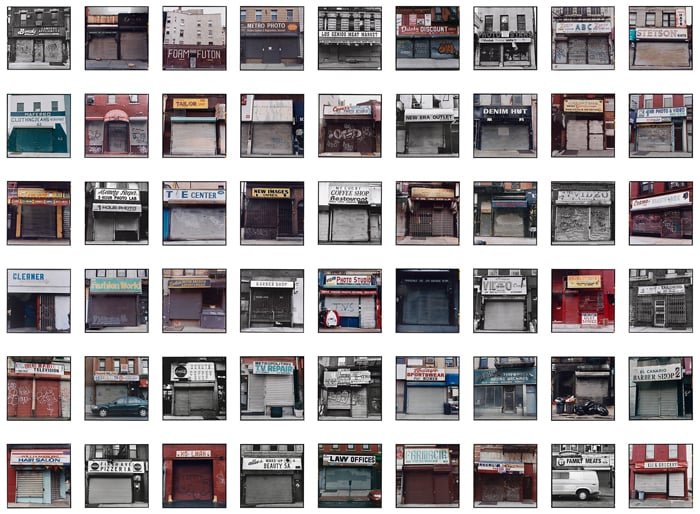
There is no single definition. An oil painting made this year is contemporary art. So is a video projected in a dark room. So is a person sitting silently on a chair for weeks. What links them is not material or technique, but the way they question the world we live in.
This is why many people walk into a gallery and feel lost. Is this art? How am I supposed to understand it? The question is not wrong. It is often the very starting point the work wants.
Material can be anything
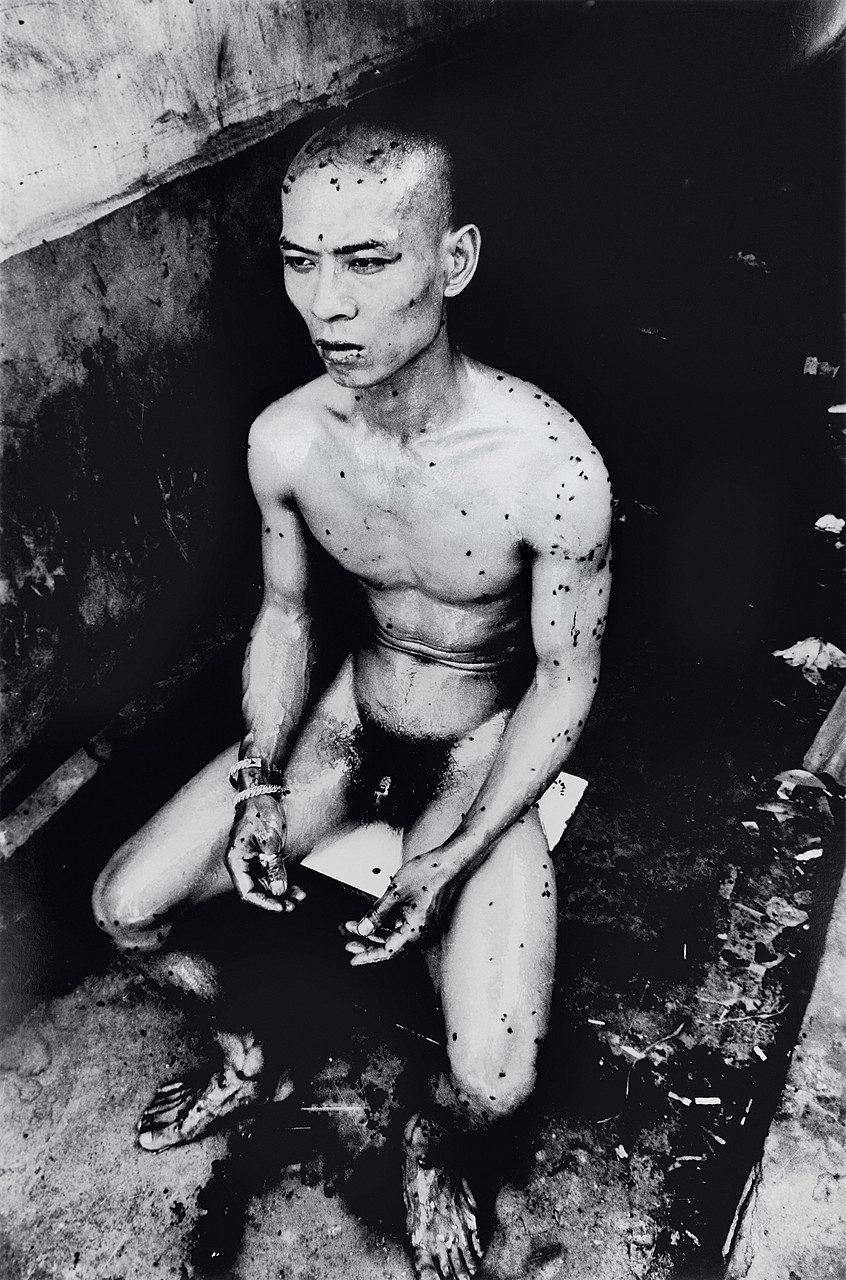
Contemporary artists choose materials to fit an idea, not a tradition. Painting, sculpture, installation, video, performance, sound, light, code. Sometimes time. Sometimes the artist's own body.
In many works the idea and the process matter as much as, or more than, the final object. On Kawara stamped the time he got up onto postcards every day for more than a decade. A single card offers almost nothing to look at. The work is the repetition.
In 2003 Olafur Eliasson installed an artificial sun and a thin mist in the Turbine Hall at Tate Modern in London. The work was called The weather project. Visitors lay on the floor, looking at their reflections in a mirrored ceiling. There was nothing to buy or take home. Only yellow light, damp air, and strangers lying side by side.
Contemporary artists do not reject history. They talk with it: inheriting, arguing, rebuilding. Old questions about form, identity and material are asked again with new tools.
The viewer is part of the work
Older art usually kept a clear distance. The work on the wall, the viewer behind the line. Contemporary art often erases that distance.
In 2010, at MoMA in New York, Marina Abramović sat on a chair for weeks. Opposite her was an empty chair. Anyone could sit down and look at her for as long as they liked. The work was called The Artist Is Present. Without someone in the empty chair, it was only half a work.
In works like this the viewer does not stand outside. How they enter, pause, stay silent or cry becomes part of the meaning. Meaning is not stored in the object. It is made when person and object meet.
Many works exist only for a while. A performance happens once. An installation is dismantled when the show closes. Shown somewhere else, the work changes a little each time.
How to stand before a work
You do not need to study before looking at contemporary art. You need curiosity, patience, and the willingness to accept there may be no right answer.
One simple approach: look first, read later. Notice what the work is made of, where it is placed, how large or small it is next to your own body. Only then read the title, the date, the wall text. Often the first feeling, even discomfort or confusion, is already a small answer.
Contemporary art reflects the time we live in: wide, tangled, many voiced. It does not conclude on the viewer's behalf. It opens a conversation, one that continues after we have left the room.
Contemporary Art