Essays · Modern Art
What Is Modern Art.
Not the thing. The way of seeing it.
A period, not a style
Modern art is the name for art made from roughly the late nineteenth century to the middle of the twentieth. It was a time when cities swelled, factories rose, railways joined regions, and newspapers, then cinema, reached the crowd. Everyday life changed faster than ever before.
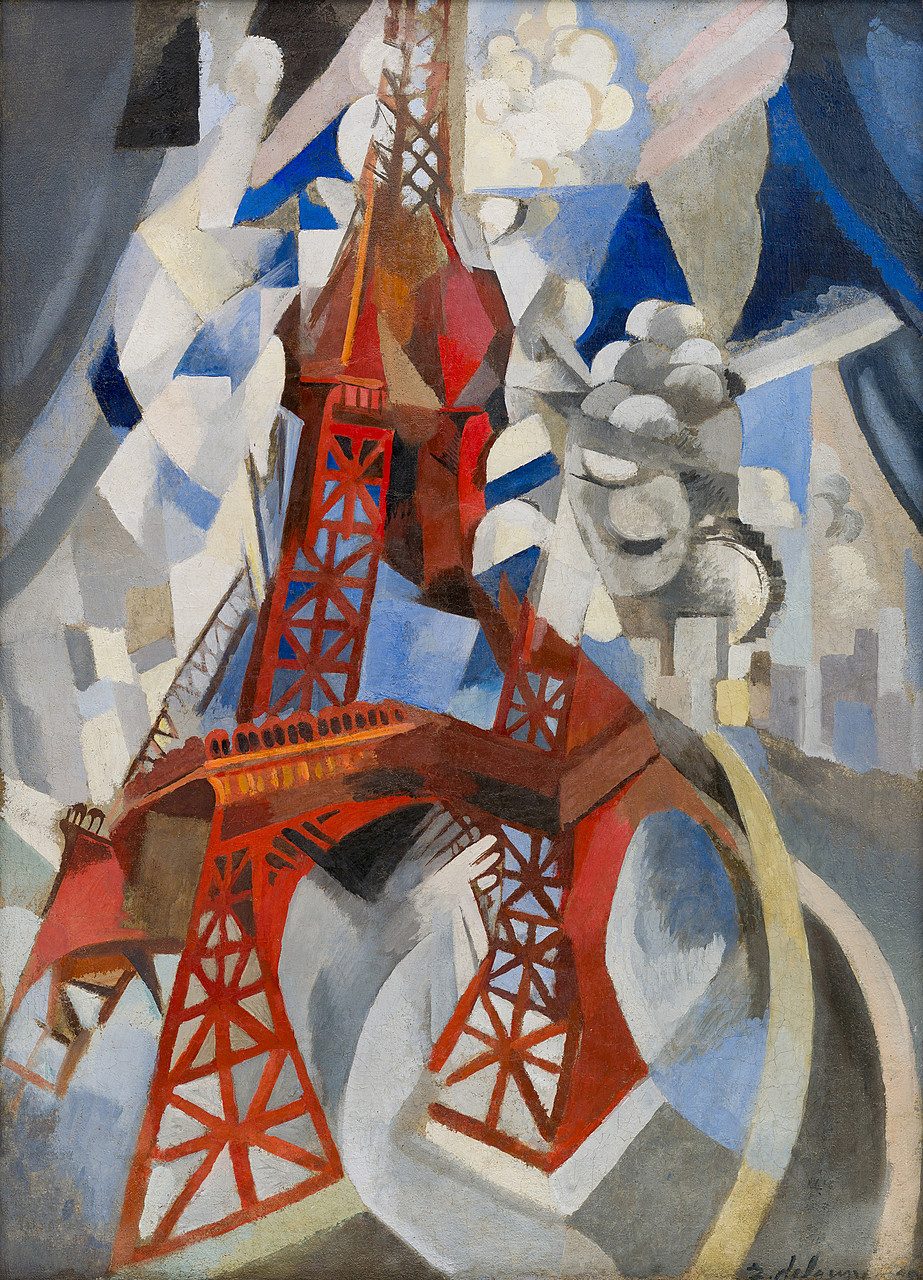
Artists did not stand outside these changes. They tried new subjects, new materials, new ways of painting. There was no single modern style. There was Impressionism, Fauvism, Cubism, Futurism, Dada, Surrealism, abstraction. Each movement was a different answer to the same question: what should art do in a world that is changing?
The word modern is easily taken to mean newest. In fact it names a period that has passed. The art of today has another name: contemporary art, usually counted from around the 1960s and 1970s onward. Modern is the parent. Contemporary is the child, still growing.
The camera, the paint tube and outdoor light
In 1839 photography was born. A machine could now record faces, landscapes and buildings more precisely than any hand. Painting lost a job it had done for centuries: copying the world to make it look alike.
At the same time, a small invention changed painters' habits. From 1841, paint came in metal tubes with screw caps. Painters could carry colour out of the studio, to the riverbank, into the field, and paint directly in front of the view.
The Impressionists in France made the most of this. They painted quickly, brushstrokes visible, colours laid side by side instead of mixed in advance. What they wanted to catch was not the exact shape of a thing but the light on it in a given moment. Claude Monet's Impression, soleil levant, painted in 1872, gave the whole movement its name.
From here the question of painting turned. No longer what does the thing look like, but how do I see it.
Breaking form, breaking boundaries
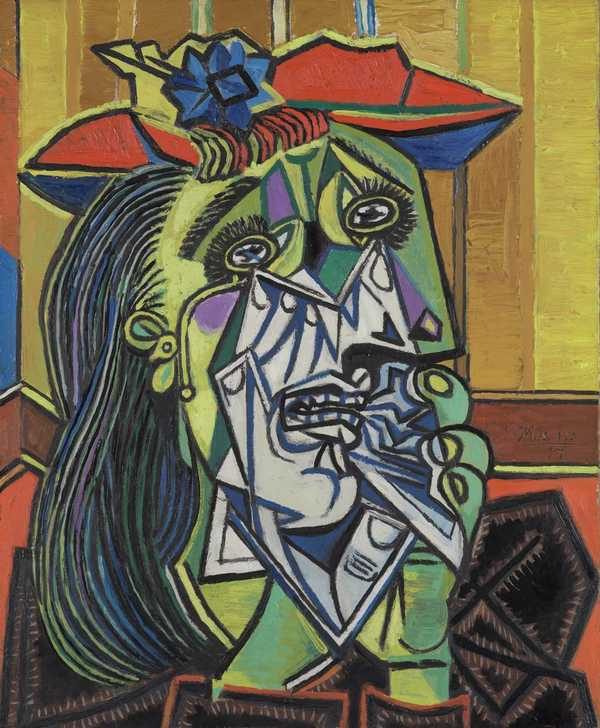
In the early twentieth century many artists went further. In 1907 Pablo Picasso painted Les Demoiselles d'Avignon, cutting the human body into angular planes. With Georges Braque he opened up Cubism: seeing an object from several sides at once, on a single surface.
In 1917 Marcel Duchamp submitted a ready made urinal, signed with the false name R. Mutt, to an exhibition in New York and called it Fountain. The question was no longer how to paint beautifully, but what could be called art at all.
Some artists erased the lines between art, architecture, design and the decorative crafts. The Bauhaus opened in Germany in 1919, where painters, weavers, carpenters and architects studied together. In Hanoi the École des Beaux Arts de l'Indochine opened in 1925. From there, painters such as Nguyễn Gia Trí turned lacquer from decoration into a painting medium.
Others confronted war, injustice and political upheaval head on. Two world wars left their mark on Dada, on Surrealism, on the large abstract canvases of New York after 1945.
Modern meant something different everywhere
Modern did not mean the same thing everywhere. In Paris it might be a smoky café and paintings refused by the Salon. In Mexico, murals telling the story of revolution on the walls of public buildings. In Hanoi, silk, lacquer and young women painted in a way no one had painted them before.
What they shared was that modern artists challenged the familiar ways of making art. They changed how the work looked, and they changed who it was for. Art left palaces, churches and aristocratic drawing rooms for galleries, newspaper pages, the street.
Looking back, modern art taught viewers a new habit: accepting that a painting may resemble nothing at all, and still say something true.
Modern Art