
Essays · Photography
Photography as Art.
Every photograph is a choice.
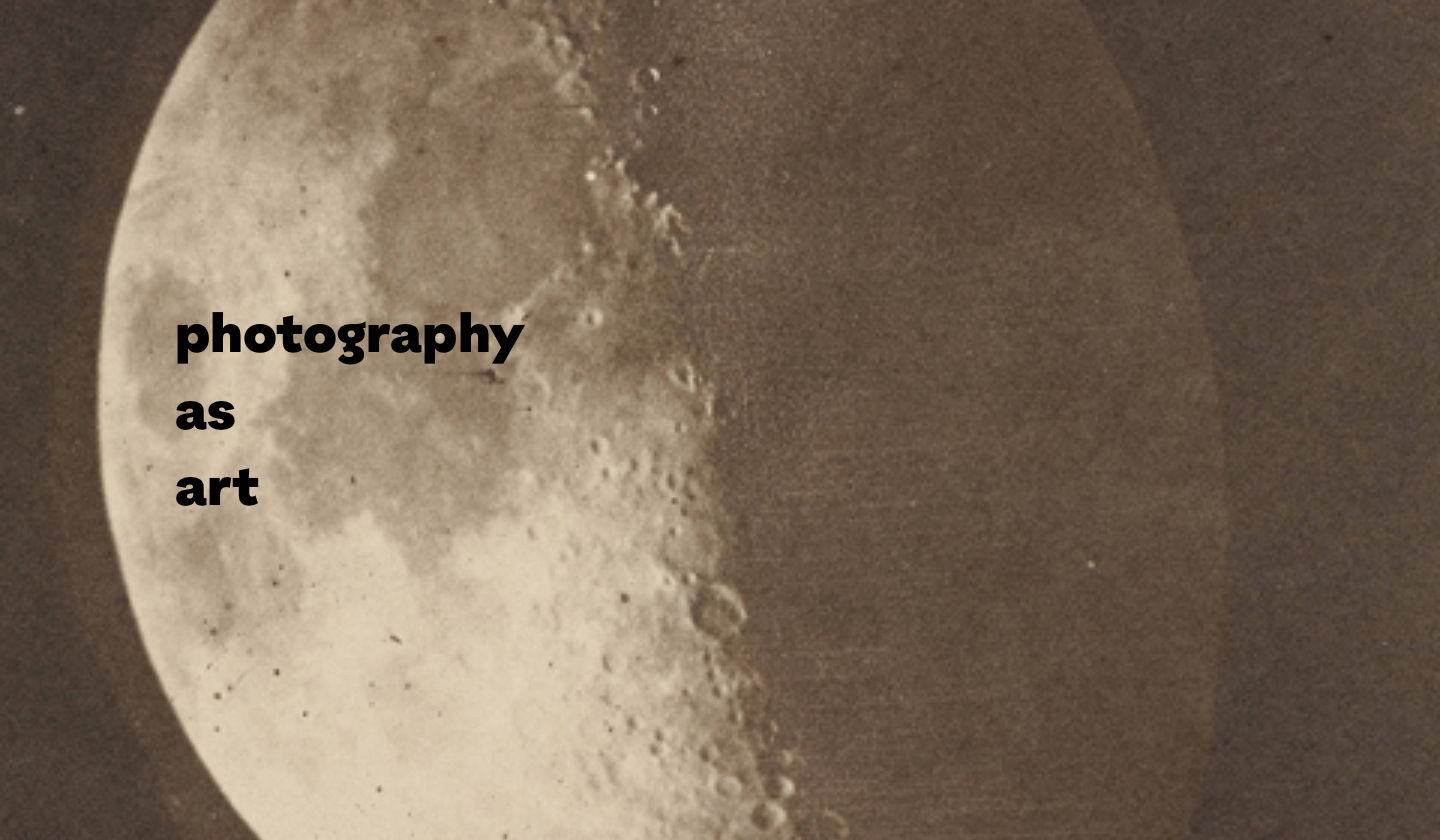
A machine for recording
Photography was born as a tool. Around 1826 or 1827, Nicéphore Niépce left a metal plate coated with a light sensitive substance inside a camera for many hours, facing the window of his house at Le Gras in central France. The result was a faint image of rooftops and a courtyard. It is the earliest surviving camera photograph we know.
In 1839 Louis Daguerre's daguerreotype process was announced in Paris. From there, photography spread quickly. People made portraits, landscapes, specimens for science.
In the early decades photography was seen as an aid. It helped painters remember a pose, helped scientists keep a leaf. It recorded. No one yet thought it could say anything of its own.
The question came early: if the machine does the recording, what does the person behind it do?
From imitating painting to looking straight
Toward the end of the nineteenth century, a group of photographers set out to prove photography was art. They made photographs look like paintings. Soft focus. Misty light. Handwork on the print. The movement was called Pictorialism.
In the early twentieth century the direction reversed. Alfred Stieglitz in New York, through the journal Camera Work and his gallery, came to champion another way: let the photograph be a photograph. Sharp, not faking the texture of paint, accepting what the lens sees. It became known as Straight Photography.
Paul Strand was a central figure of that way of seeing. He photographed streets, shadows, passers by in Manhattan. With Charles Sheeler he made the short film Manhatta in 1921, seeing the city as a set of volumes, lines and smoke.
From then on photography was tied closely to modernism. It no longer needed to resemble painting. It had its own language: frame, sharpness, depth, the moment of the shutter.
Photography in contemporary art
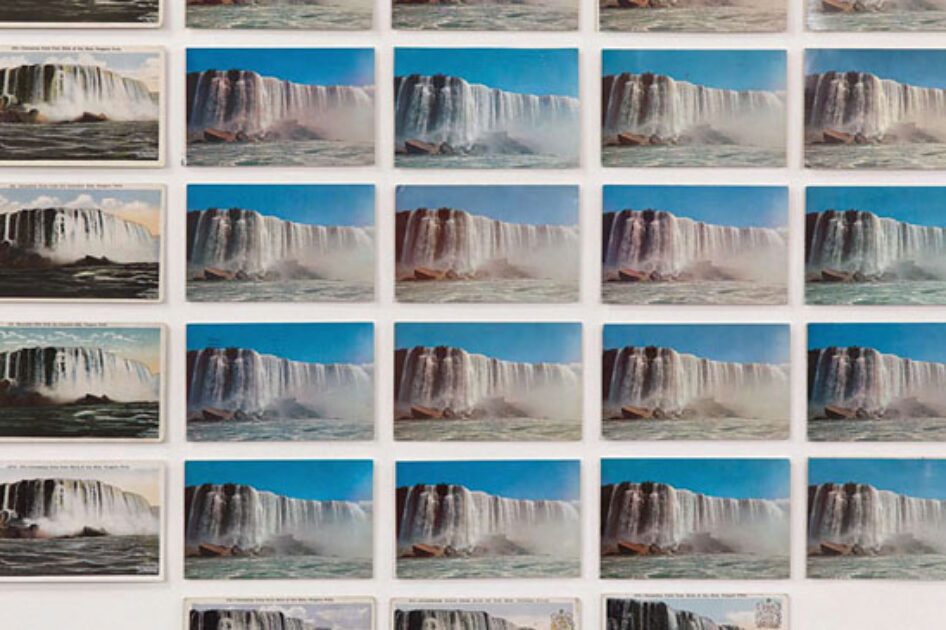
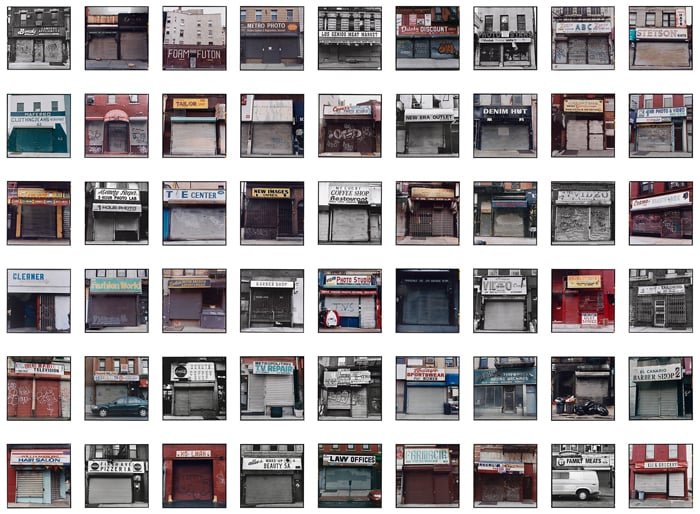
Today the borders of photography are wide. It meets video, installation, performance, digital art. A work can be a single frame. It can also be a sequence of hundreds, arranged around a story or an idea.
Photography is used to record social life, to speak about politics and the environment, to recover family memory, to question identity. The subjects are endless. What makes fine art photography is not the subject.
It is the way of seeing. Two people standing in the same place at the same hour can bring home two different pictures. One sees the building. The other sees a band of sun on the wall. Same camera. Different eye.
Choosing what to keep
Unlike press or commercial photography, fine art photography serves neither a piece of news nor a product. It serves a way of seeing. The photographer does not merely record reality. They rebuild it through composition, light, colour, timing and the work done after the shot.
Every frame is therefore a decision. What falls inside is kept. What falls outside is dropped, for good. No photograph is neutral.
In a world as full of pictures as ours, when everyone carries a camera in a pocket, this only grows clearer. Taking is easy. Choosing is hard. Fine art photography reminds us that a picture is worth keeping not because it records a lot, but because it knows where to stop.
Photography