
Essays · Olfactory Art
Clara Ursitti. Self-Portrait in Scent, Sketch no. 1.
Một chân dung không có khuôn mặt.
A portrait without a face.
Một căn phòng thay cho bức tranh
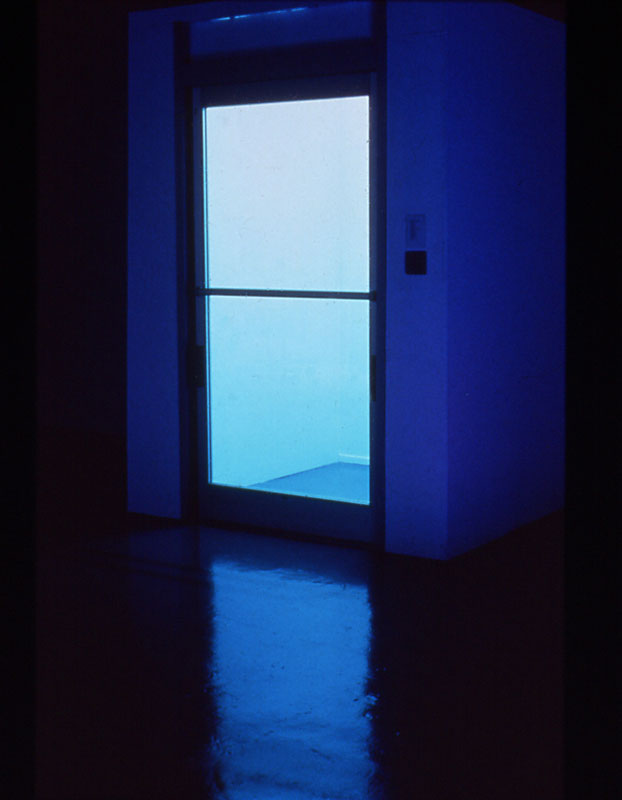
Năm 1994, Clara Ursitti dựng một căn phòng nhỏ. Phòng được làm riêng cho tác phẩm, có một cánh cửa điện. Bên trong không treo gì trên tường. Không ảnh, không chữ, không bức tượng nào.
Thứ duy nhất trong phòng là những thiết bị phun mùi gắn cảm biến chuyển động. Khi có người bước vào, máy nhận ra và phun mùi vào không khí. Người xem đứng trong một không gian trống, và thứ họ gặp là một mùi.
Ursitti đặt tên cho căn phòng ấy là Self-Portrait in Scent, Sketch no. 1. Chân dung tự hoạ bằng mùi, bản phác thảo số một. Mùi được dùng là mùi tổng hợp. Nó được dựng để đứng thay cho chính nghệ sĩ.
Cùng năm, tác phẩm được trưng bày trong triển lãm New Art in Scotland, tại Centre for Contemporary Arts ở Glasgow và tại phòng tranh của thành phố Aberdeen. Sau đó nó đến Bartók Galleria ở Budapest, Hungary.
Chân dung không cần được nhìn
Chân dung tự hoạ là một trong những thể loại cũ nhất của hội hoạ phương Tây. Nghệ sĩ nhìn vào gương rồi vẽ lại cái mình thấy. Khuôn mặt, ánh mắt, dáng ngồi. Người xem đứng trước bức tranh và nhìn lại. Toàn bộ thể loại ấy dựa trên con mắt.
Ursitti bỏ con mắt ra ngoài. Cô không cho người xem thấy mình. Cô cho họ ngửi.
Điều đó thay đổi quan hệ giữa hai bên. Nhìn một bức tranh là đứng cách nó một khoảng. Ngửi một mùi thì không có khoảng cách ấy. Mùi đi vào mũi, vào phổi, vào cơ thể người xem. Ta không đứng trước chân dung nữa. Ta đứng bên trong nó.
Cũng vì vậy, căn phòng có một thứ gì đó rất riêng tư. Trong đời thường, ta chỉ ngửi thấy mùi của một người khi đứng rất gần họ: ôm, ngồi cạnh, dùng chung một chiếc gối. Ursitti mời một người lạ vào khoảng cách đó. Cánh cửa điện đóng lại sau lưng họ, và trong vài phút, họ ở gần nghệ sĩ hơn bất kỳ bức chân dung nào cho phép.
Chữ Sketch trong tên tác phẩm cũng đáng để ý. Đây là một bản phác, không phải bản hoàn chỉnh. Ursitti sau đó làm tiếp Self-Portrait in Scent, Sketch no. 2. Như một hoạ sĩ vẽ đi vẽ lại cùng một khuôn mặt, cô thử lại cùng một câu hỏi bằng chất liệu khác đi một chút.
Mùi như một chất liệu nghệ thuật
Đầu những năm 1990, mùi vẫn hiếm khi được dùng như chất liệu chính trong phòng triển lãm. Nó thường là thứ đi kèm: mùi sơn, mùi gỗ, mùi của vật liệu khác. Ursitti làm ngược lại. Không có vật liệu nào khác. Chỉ có mùi.
Tác phẩm này hay được nhắc lại khi người ta kể về lịch sử của nghệ thuật khứu giác. Nó đến sớm, và nó đặt câu hỏi rất thẳng: nếu bỏ hết hình ảnh, liệu còn lại một con người không?
Câu trả lời của căn phòng là có, nhưng khác đi. Một mùi không cho biết nghệ sĩ cao hay thấp, trẻ hay già, tóc màu gì. Nó cho biết một thứ khác, khó gọi tên hơn. Sự có mặt. Hơi ấm. Cảm giác một người vừa rời khỏi phòng.
Mùi cũng không đứng yên. Nó tan dần, đổi theo nhiệt độ căn phòng, theo mũi của từng người bước vào. Hai người xem không bao giờ gặp cùng một chân dung. Một bức tranh treo trên tường thì vẫn là nó sau ba mươi năm. Căn phòng của Ursitti thì phải được bật lên, mỗi lần.
Có lẽ đó là điều khiến Self-Portrait in Scent vẫn được nhắc đến. Nó không chỉ là một thử nghiệm với chất liệu lạ. Nó nói một điều đơn giản về con người: ta được biết đến nhiều hơn những gì người khác nhìn thấy.
A room instead of a painting
In 1994, Clara Ursitti built a small room. It was made specially for the work, with an electronic door. Nothing hung on the walls inside. No image, no text, no sculpture.
The only things in the room were scent dispensers fitted with motion sensors. When someone stepped in, the machine registered them and released scent into the air. The visitor stood in an empty space, and what they met was a smell.
Ursitti titled the room Self-Portrait in Scent, Sketch no. 1. The scent was synthetic. It was built to stand in for the artist herself.
That same year the work was shown in New Art in Scotland, at the Centre for Contemporary Arts in Glasgow and at Aberdeen's city art gallery. It later travelled to the Bartók Galleria in Budapest, Hungary.
A portrait that does not need to be seen
The self-portrait is one of the oldest genres in Western painting. The artist looks in a mirror and paints what she sees. Face, gaze, posture. The viewer stands in front of the canvas and looks back. The whole genre rests on the eye.
Ursitti leaves the eye outside. She does not let the visitor see her. She lets them smell.
That changes the relationship. To look at a painting is to stand some distance from it. To smell something is to lose that distance. Scent enters the nose, the lungs, the body of the visitor. You no longer stand in front of the portrait. You stand inside it.
This is why the room feels so private. In ordinary life we only smell another person when we are very close to them: an embrace, a shared bench, a shared pillow. Ursitti invites a stranger into that distance. The electronic door closes behind them, and for a few minutes they are nearer to the artist than any painted portrait would allow.
The word Sketch in the title matters too. This is a draft, not a finished piece. Ursitti went on to make Self-Portrait in Scent, Sketch no. 2. Like a painter returning to the same face, she tried the same question again with a slightly different material.
Scent as an artistic material
In the early 1990s, scent was still rarely the main material in a gallery. It usually came along with something else: the smell of paint, of wood, of other materials. Ursitti reversed that. There was no other material. Only scent.
The work is often mentioned when people trace the history of olfactory art. It came early, and it asked its question plainly: if every image is removed, is a person still there?
The room's answer is yes, but differently. A scent does not tell you whether the artist is tall or short, young or old, what colour her hair is. It tells you something harder to name. Presence. Warmth. The sense that someone has just left the room.
Scent does not stay still either. It fades, shifts with the temperature of the room and with the nose of each visitor. No two visitors meet the same portrait. A painting on a wall is still itself thirty years later. Ursitti's room has to be switched on, each time.
Perhaps that is why Self-Portrait in Scent is still discussed. It is more than a trial of an unusual material. It says something simple about people: we are known by more than what others can see.
Olfactory Art