
Essays · Olfactory Art
Sissel Tolaas. FEAR.
Nỗi sợ không có hình. Nhưng nó có mùi.
Fear has no shape. But it has a smell.
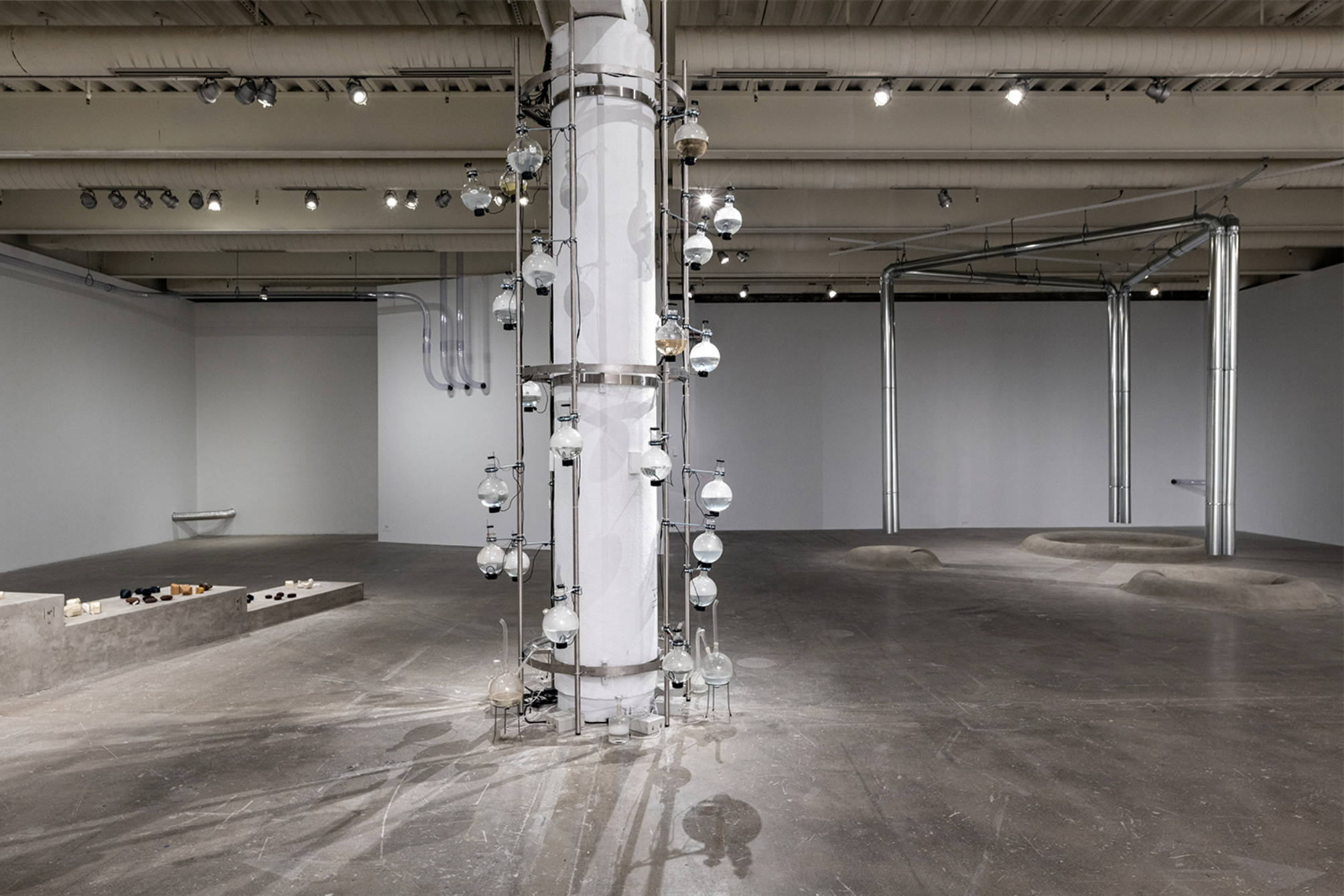
Hai mươi mốt người đàn ông
Từ năm 2005, nghệ sĩ và nhà nghiên cứu mùi người Na Uy Sissel Tolaas bắt đầu một loạt tác phẩm về một cảm xúc cụ thể: nỗi sợ. Bà gọi loạt ấy là The FEAR of Smell, the Smell of FEAR. Mùi của nỗi sợ, và nỗi sợ mùi.
Bà tìm đến những người đàn ông mắc chứng ám sợ nặng, mỗi người một nỗi sợ riêng, đến từ nhiều nơi khác nhau. Mỗi người được đưa một dụng cụ nhỏ để kẹp dưới cánh tay mỗi khi cơn sợ ập đến. Không ai dựng cảnh để doạ họ. Nỗi sợ đến khi nó tự đến, giữa đời sống thường ngày.
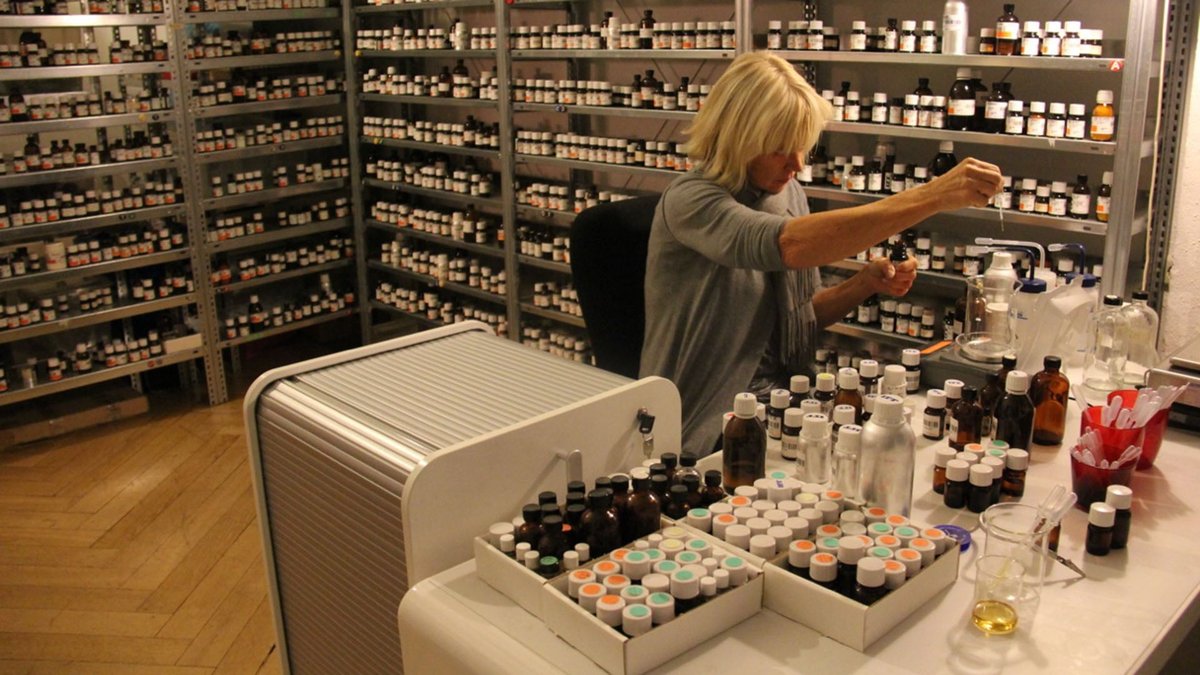
Dụng cụ ấy thấm lấy mồ hôi. Tolaas gom các mẫu lại, phân tích thành phần phân tử, rồi dựng lại từng mùi bằng hoá chất tổng hợp. Mỗi người đàn ông cho ra một mùi riêng. Không có hai nỗi sợ nào giống nhau.
Một bức tường để chà tay
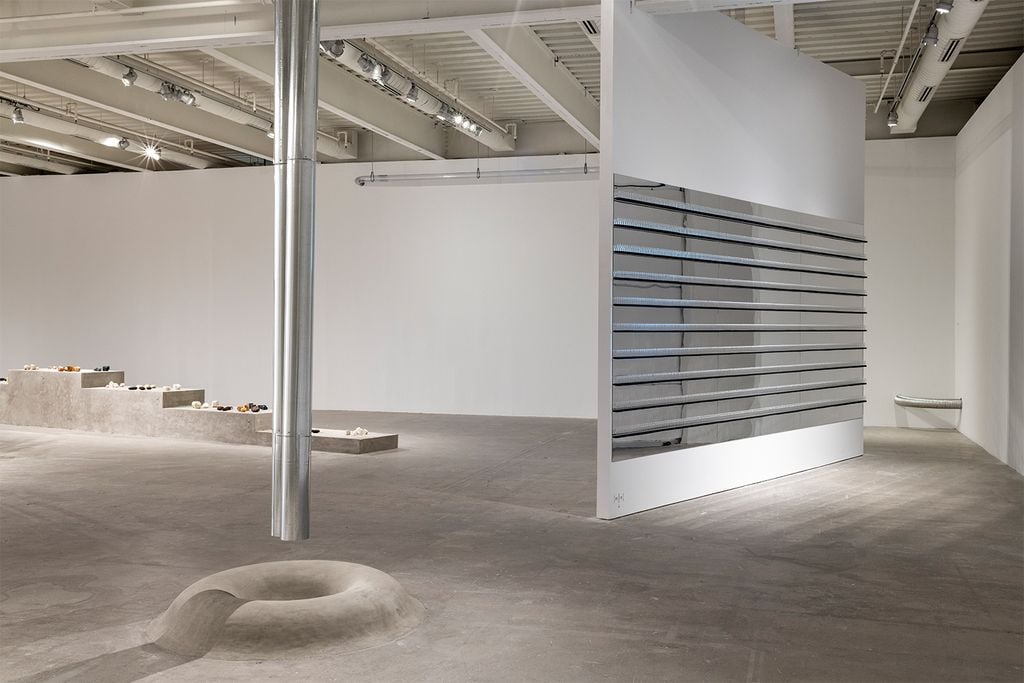
Mùi dựng lại không được đựng trong lọ. Tolaas cho chúng vào những vi nang cực nhỏ, trộn vào sơn, rồi quét lên tường phòng triển lãm. Khi sơn khô, bức tường trông như mọi bức tường khác. Chỉ khi người xem chà tay hoặc cọ vào mặt sơn, vi nang vỡ ra và mùi mới thoát ra.
Cuối năm 2006, bức tường ấy xuất hiện ở MIT List Visual Arts Center, Cambridge, Massachusetts, trong triển lãm Sensorium. Trên tường là mùi mồ hôi của hai mươi mốt người đàn ông. Đầu năm 2007, một phiên bản khác với mùi của chín người được trình bày ở Berkeley Art Museum, California, thành những dải sơn dọc nối nhau trên tường.
Cách tương tác rất đơn giản, gần như trẻ con: giống tấm thẻ cào để ngửi, chỉ là phóng to bằng cả một bức tường. Nhưng động tác ấy đặt người xem vào một tư thế lạ. Họ phải áp mũi vào tường, chạm vào dấu vết thân thể của một người họ không quen, trong một khoảnh khắc người đó đang sợ hãi.
Nỗi sợ ngửi thấy như thế nào
Phần lớn người đến xem mong đợi một mùi nặng, chua, khó chịu. Thực tế thì khác. Trong các mô tả về tác phẩm, người ngửi nhắc đến bỏng ngô rang bơ muối, phấn trẻ em và xạ hương, trái cây ngọt, rau mùi, thịt khô bám bụi. Có mùi dễ chịu, có mùi lạ, hiếm có mùi đúng như hình dung.
Đó chính là điều Tolaas muốn đặt ra. Ta quen chia mùi thành tốt và xấu, thơm và hôi. Mùi cơ thể thường nằm ở phía cần che đi, cần khử đi. Khi đứng trước bức tường mà không biết trước câu chuyện, mũi không tìm thấy lý do gì để ghê. Sự ghê sợ đến sau, từ cái nhãn ta gắn cho mùi.
Tolaas thường nói về những định kiến ấy trong các buổi nói chuyện đi kèm tác phẩm. Bà hỏi ta che đi điều gì, và vì sao. Khử mùi, với bà, không chỉ là vệ sinh. Nó còn là một cách xoá bớt thông tin mà cơ thể người khác gửi đến ta.
Giữa khoa học và nghệ thuật
FEAR đứng ở ranh giới hai lĩnh vực. Phương pháp của nó là của nhà hoá học: thu mẫu, phân tích, tái tạo, kiểm tra độ chính xác. Tolaas mất nhiều năm để làm cho mỗi mùi đủ gần với bản gốc. Nhưng kết quả không được trình bày như một báo cáo. Không có biểu đồ, không có kết luận. Chỉ có một bức tường và một lời mời chạm vào.
Dự án cũng đặt ra một câu hỏi về cá nhân và tập thể. Mỗi mùi thuộc về một người cụ thể, với một nỗi sợ cụ thể. Nhưng đặt cạnh nhau, chúng trở thành một bản đồ của cảm xúc con người, thứ mà ai cũng mang trong người, không ai nhìn thấy, và ai cũng từng toả ra.
Twenty-one men
From 2005, the Norwegian artist and smell researcher Sissel Tolaas began a series of works on one specific emotion: fear. She called the series The FEAR of Smell, the Smell of FEAR.
She sought out men with severe phobias, each with a fear of his own, from different places. Each was given a small device to hold under the arm whenever an attack came on. No one staged anything to frighten them. The fear came when it came, in the middle of ordinary life.
The device absorbed their sweat. Tolaas gathered the samples, analysed their molecular makeup, and rebuilt each smell synthetically. Every man produced a smell of his own. No two fears were alike.
A wall to rub
The rebuilt smells were not kept in bottles. Tolaas sealed them in tiny microcapsules, mixed them into paint, and applied the paint to the gallery wall. Dry, the wall looked like any other. Only when a visitor rubbed or brushed the surface did the capsules break and release the smell.
In late 2006 that wall appeared at the MIT List Visual Arts Center in Cambridge, Massachusetts, in the exhibition Sensorium. It carried the sweat of twenty-one men. In early 2007 another version, with the smells of nine men, was shown at the Berkeley Art Museum in California as a run of vertical painted stripes.
The interaction was simple, almost childlike: a scratch-and-sniff card enlarged to the size of a wall. But the gesture put visitors in an odd position. They had to press their nose to the wall and touch the bodily trace of a stranger, at a moment when that stranger was afraid.
What fear smells like
Most visitors expected something heavy, sour, unpleasant. It was otherwise. Descriptions of the work mention buttered and salted popcorn, baby powder and musk, sweet fruit, coriander, dusty meat. Some pleasant, some strange, few what anyone had imagined.
That is precisely the question Tolaas wanted to raise. We are used to dividing smells into good and bad, fragrant and foul. Body odour usually falls on the side of things to be hidden and removed. Standing at the wall without knowing the story, the nose finds no reason for disgust. Disgust comes later, from the label we attach.
Tolaas often spoke about these prejudices in talks alongside the work. She asked what we cover up, and why. Deodorising, for her, is not only hygiene. It is also a way of erasing information that other people's bodies send us.
Between science and art
FEAR stands on the border of two fields. Its method belongs to the chemist: sample, analyse, rebuild, test for accuracy. Tolaas spent years bringing each smell close enough to its source. But the result was not presented as a report. No charts, no conclusions. Only a wall and an invitation to touch it.
The project also raises a question about the individual and the collective. Each smell belongs to one person, with one particular fear. Side by side, they become a map of human emotion, something everyone carries, no one sees, and everyone has at some point given off.
Olfactory Art