
Essays · Fashion as Design
Bộ jumpsuit.
Một bộ đồ là dấu vết của công việc người mặc.
A garment is a trace of the work its wearer does.
Từ đồ lót tới đồ thợ máy
Jumpsuit là bộ trang phục liền thân, áo và quần may chung một mảnh. Cái tên đến từ lính nhảy dù, những người cần một bộ đồ không tuột, không vướng khi rời máy bay. Nhưng câu chuyện của nó bắt đầu sớm hơn, và ở bên trong quần áo.
Giữa thế kỷ 19, xuất hiện union suit: một bộ đồ lót dệt kim liền thân, dùng cho cả nam lẫn nữ. Nó thay cho nhiều lớp đồ lót chồng lên nhau, rườm rà và khó mặc. Với phụ nữ, union suit là một sự nhẹ nhõm. Nó bớt đi những lớp bó chặt dưới váy.
Khi kiểu liền thân bắt đầu ra ngoài, nó mang theo tính thực dụng. Năm 1913, hãng Lee đưa ra Union All, một bộ đồ rộng, dày, bền, dành cho thợ máy. Mặc vào một lần là xong, không có khe hở cho dầu mỡ lọt vào. Trong Thế chiến thứ nhất, kiểu đồ này được điều chỉnh để làm đồ bay cho quân đội Mỹ.
Một bộ đồ, ở giai đoạn này, là một công cụ. Nó phục vụ công việc, không phục vụ cái nhìn.
Một bộ đồ cho mọi người
Sau Thế chiến thứ nhất, jumpsuit bắt đầu mang nghĩa biểu tượng. Các nghệ sĩ Vị lai ở Ý và Kiến tạo ở Nga nhìn thấy trong nó một đồng phục cho thời đại mới: đơn giản, bình đẳng, dễ sản xuất.
Năm 1919, nghệ sĩ Ý Thayaht thiết kế TuTa, một bộ liền thân hình chữ T, cắt từ những mảnh vải thẳng, ai cũng có thể tự may. Ông muốn chống lại thời trang của tầng lớp tư sản, thứ thời trang phân biệt người mặc qua chất liệu và kiểu cách.
Ở nước Nga Xô viết, Varvara Stepanova và Alexander Rodchenko thiết kế những bộ đồ làm việc liền thân. Với họ, quần áo nên được sản xuất hàng loạt, cho giai cấp lao động, không cho sàn diễn.
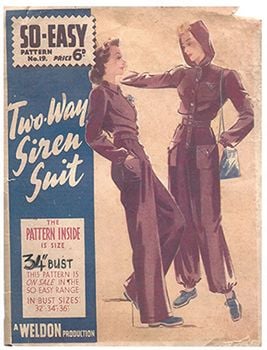
Nhưng jumpsuit cũng có một mặt u tối hơn. Trong Thế chiến thứ hai, ở Anh xuất hiện siren suit, bộ đồ liền thân mặc chồng thật nhanh khi còi báo động không kích vang lên. Một bộ đồ để chạy xuống hầm trú ẩn.
Lên sàn nhảy
Thập niên 1960, jumpsuit đi vào thời trang đại chúng. Sang thập niên 1970, nó đánh dấu một bước ngoặt: phụ nữ có thể mặc quần tới những dịp trang trọng mà không bị xem là lạc lõng.
Rồi tới disco. Ánh đèn, nhạc, những đêm dài. Jumpsuit trở thành đồ của sự tự do và sự tự tin với cơ thể. Các nhà thiết kế dùng chất liệu bắt sáng, kim sa, những đường cắt táo bạo.
Một ví dụ hay được nhắc là bộ jumpsuit bằng vải gold lamé của nhà thiết kế Mỹ Stephen Burrows: cổ yếm, hở lưng, ống quần rộng. Nó được may để chuyển động. Mỗi bước nhảy làm vải bắt sáng theo một kiểu khác.
Cùng một kiểu dáng từng dành cho thợ máy, giờ lấp lánh dưới quả cầu gương.
Một mảnh vải, nhiều đời sống
Nhìn lại, jumpsuit đi qua gần như mọi vai trò mà một bộ quần áo có thể có. Đồ lót. Đồ lao động. Đồ quân đội. Tuyên ngôn chính trị. Đồ trú ẩn. Đồ dạ tiệc.
Hình dáng thay đổi rất ít. Vẫn là một mảnh liền từ cổ tới cổ chân. Thứ thay đổi là người mặc, và điều họ làm khi mặc nó. Cũng như chiếc áo thể thao, jumpsuit cho thấy một món đồ bình thường có thể mang nhiều nghĩa tới đâu.
Đó là lý do nó vẫn còn đây. Không phải vì nó đẹp theo một chuẩn nào. Mà vì nó đơn giản đến mức có thể chứa bất cứ câu chuyện nào người ta mang vào.
From underwear to overalls
A jumpsuit is a one piece garment, top and trousers sewn together. The name comes from parachutists, who needed clothing that would not slip or catch as they left the aircraft. But its story starts earlier, and on the inside of clothing.
In the mid nineteenth century came the union suit: a knitted one piece undergarment worn by men and women alike. It replaced layer upon layer of underwear, fussy and hard to put on. For women, the union suit was a relief. It removed some of the tight layers under their dresses.
When the one piece form moved to the outside, it brought practicality with it. In 1913 Lee introduced the Union All, a loose, heavy, durable suit for mechanics. Put it on once and you were done, no gap for grease to get in. During the First World War the design was adapted as flight wear for the American military.
At this stage a suit is a tool. It serves the work, not the eye.
A suit for everyone
After the First World War the jumpsuit took on symbolic meaning. Futurist artists in Italy and Constructivists in Russia saw in it a uniform for a new age: simple, equal, easy to produce.
In 1919 the Italian artist Thayaht designed the TuTa, a T shaped one piece suit cut from straight lengths of cloth that anyone could sew at home. He meant it as a rejection of bourgeois fashion, which sorted people by fabric and style.
In Soviet Russia, Varvara Stepanova and Alexander Rodchenko designed one piece work clothes. For them, clothing should be mass produced for the working class, not for the runway.
But the jumpsuit had a darker side too. During the Second World War, Britain had the siren suit, pulled on quickly when the air raid siren sounded. A suit for running to the shelter.
Onto the dance floor
In the 1960s the jumpsuit entered mainstream fashion. In the 1970s it marked a turning point: women could wear trousers to formal occasions without seeming out of place.
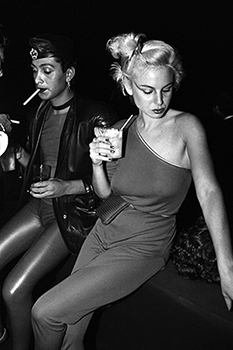
Then came disco. Lights, music, long nights. The jumpsuit became clothing for freedom and ease in one's own body. Designers used fabrics that caught the light, sequins, daring cuts.
An often cited example is the gold lamé jumpsuit by the American designer Stephen Burrows: halter neck, open back, wide legs. It was made to move. Every step made the cloth catch the light a different way.
The same shape once meant for mechanics now glittered under the mirror ball.
One cloth, many lives
Looking back, the jumpsuit has passed through nearly every role a garment can play. Underwear. Workwear. Military wear. Political statement. Shelter wear. Evening wear.
The shape barely changed. Still one piece from neck to ankle. What changed was the wearer, and what they did while wearing it. Like the sports jersey, the jumpsuit shows how much meaning an ordinary garment can carry.
That is why it is still here. Not because it is beautiful by some standard. Because it is simple enough to hold any story people bring to it.
Fashion as Design