
Essays · Fashion as Design
Áo đấu thể thao.
Mỗi chiếc áo mang dấu người mặc.
Every jersey carries its wearer.
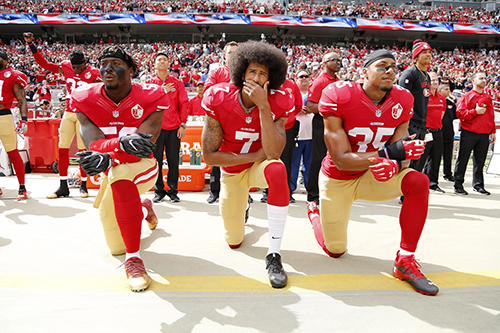
Từ đồng phục đến khán đài
Áo đấu ra đời như một công cụ. Nó giúp trọng tài, đồng đội và khán giả phân biệt ai đứng về phía nào. Màu áo, con số, tên đội. Không hơn.
Trong một thời gian dài, người đứng trên khán đài không mặc thứ ấy. Theo Tim Layden, cây bút của Sports Illustrated, khán giả đi xem bóng những năm 1960 thường mặc vest, áo sơ mi, như đi làm. Sân vận động là một nơi người ta ăn mặc chỉnh tề để đến.
Sang thập niên 1970, cách ăn mặc nói chung trở nên thoải mái hơn. Áo đấu bắt đầu xuất hiện trên khán đài, nhưng vẫn hiếm. Lúc đó, áo chủ yếu do những cơ sở may nhỏ ở địa phương làm ra, cung cấp cho đội trường trung học, đại học và vài đội chuyên nghiệp. Họ may áo để mặc thi đấu. Không ai nghĩ đến việc bán cho người xem.
Chiếc áo khi ấy vẫn thuộc về sân cỏ. Nó được giặt, vá, dùng lại, rồi thay mới khi rách.
Năm 1985 và chiếc áo thành hàng hoá
Bước ngoặt đến từ Dallas. Năm 1985, Norm Charney, chủ một cửa hàng đồ thể thao từng may áo cho đội Dallas Cowboys, nhận ra người hâm mộ muốn có một chiếc áo giống hệt áo cầu thủ. Cùng màu, cùng số. Ông làm ra và bán.
Việc ấy nhanh chóng vướng vào chuyện quyền sở hữu. NFL phải vào cuộc. Từ đó, giải đấu bắt đầu cấp phép và hợp tác với những công ty may mặc lớn để kiểm soát việc sản xuất và bán áo. Charney được cấp phép bán áo NFL chính thức, rồi mở rộng sang bóng chày, khúc côn cầu, bóng rổ.
Champion, Reebok, rồi Nike lần lượt bước vào. Chiếc áo từng chỉ có một người mặc giờ có hàng nghìn bản sao. Mỗi bản sao là một cách để người hâm mộ đứng gần đội bóng hơn một chút.
Có một điều thay đổi lặng lẽ ở đây. Trước kia, con số trên lưng chỉ ra ai đang chạy trên sân. Giờ nó chỉ ra ai đang ngồi trên khán đài, và họ yêu ai.
Hip-hop mặc áo đấu
Cuối thập niên 1980 và đầu 1990, áo đấu rời khỏi sân vận động hẳn. Các nghệ sĩ hip-hop mặc nó lên sân khấu, vào video, ra phố. Không nhất thiết vì họ cổ vũ đội ấy. Mà vì chiếc áo rộng, màu mạnh, con số to, và nó nói điều gì đó về người mặc.
Tupac Shakur có một bức ảnh nổi tiếng trong chiếc áo Detroit Red Wings. Trong video Juicy, The Notorious B.I.G. mặc một chiếc áo đấu đặt làm riêng, in chữ Bad Boy, tên hãng thu âm của anh. Đó không còn là áo của đội nào. Đó là một chiếc áo đấu cho chính người mặc.
Từ đây, chiếc áo không chỉ nói về lòng trung thành với một đội. Nó thành một bề mặt để viết bản sắc cá nhân lên. Người ta chọn đội theo màu, theo thành phố gắn với âm nhạc mình nghe, theo một cái tên mình muốn mang.
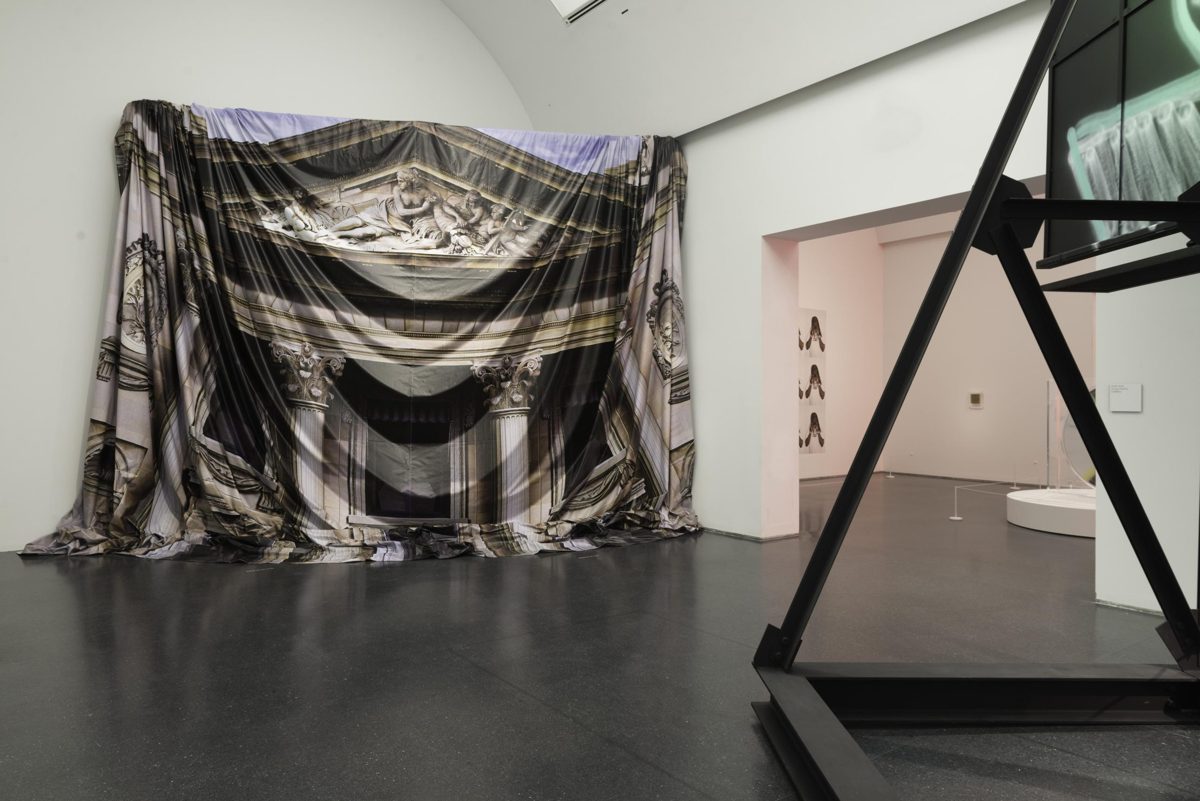
Nhiều năm sau, năm 2017, áo đấu thể thao là một trong những món đồ được chọn trưng bày trong triển lãm Items: Is Fashion Modern? của MoMA ở New York, cạnh những món đồ đã định hình cách con người ăn mặc trong thế kỷ 20.
Một chiếc áo, nhiều đời sống
Ngày nay áo đấu nằm ở chỗ giao nhau của thể thao, thời trang và văn hoá đại chúng. Nó được mặc trên khán đài, trên sân khấu, ở quán cà phê, trên chuyến xe buýt buổi sáng.
Nhìn kỹ, chiếc áo mang nhiều lớp thời gian cùng lúc. Thời của cầu thủ có tên in trên lưng. Thời của người mua nó lần đầu. Thời của người thừa kế nó, mặc nó khi cầu thủ kia đã giải nghệ từ lâu. Một chiếc áo cũ có thể sống lâu hơn sự nghiệp của cái tên in trên nó.
Đó là lý do áo đấu đáng được nhìn như một vật, không chỉ như một món hàng. Nó được sản xuất hàng loạt, nhưng được mặc từng người một.
From uniform to the stands
The jersey began as a tool. It told referees, teammates and spectators who stood on which side. A colour, a number, a team name. Nothing more.
For a long time, the people in the stands did not wear it. According to Tim Layden of Sports Illustrated, fans at games in the 1960s often wore suits and ties, as if going to the office. The stadium was a place you dressed up for.
In the 1970s, clothing in general became more casual. Jerseys started to appear in the stands, though rarely. Back then they were mostly made by small local manufacturers supplying high schools, colleges and a few professional teams. They made shirts to play in. No one thought of selling them to the crowd.
The jersey still belonged to the field. It was washed, mended, reused, and replaced when it tore.
1985, and the jersey becomes merchandise
The turn came from Dallas. In 1985 Norm Charney, a sporting goods store owner who had been making jerseys for the Dallas Cowboys, saw that fans wanted a shirt exactly like the players' own. Same colours, same numbers. He made them and sold them.
It soon became a question of ownership, and the NFL stepped in. The league began licensing and working with large apparel companies to control how jerseys were made and sold. Charney was licensed to sell official NFL jerseys, later adding baseball, hockey and basketball.
Champion, Reebok and eventually Nike followed. A shirt once worn by a single player now existed in thousands of copies. Each copy was a way for a fan to stand a little closer to the team.
Something shifted quietly here. The number on the back used to show who was running on the field. Now it showed who was sitting in the stands, and whom they loved.
Hip-hop wears the jersey
In the late 1980s and early 1990s the jersey left the stadium entirely. Hip-hop artists wore it on stage, in videos, in the street. Not necessarily because they supported the team, but because the shirt was loose, the colours strong, the numbers big, and it said something about the wearer.
Tupac Shakur was famously photographed in a Detroit Red Wings jersey. In the video for Juicy, The Notorious B.I.G. wore a custom jersey reading Bad Boy, the name of his record label. That was no team's shirt. It was a jersey for the wearer himself.
From then on the jersey did more than signal loyalty to a team. It became a surface for writing personal identity. People chose teams by colour, by the city tied to the music they listened to, by a name they wanted to carry.
Years later, in 2017, the sports jersey was among the pieces shown in Items: Is Fashion Modern? at MoMA in New York, alongside other garments that shaped how people dressed in the twentieth century.
One shirt, many lives
Today the jersey sits where sport, fashion and popular culture meet. It is worn in the stands, on stage, in cafés, on the morning bus.
Look closely and a jersey holds several times at once. The time of the player named on the back. The time of the person who first bought it. The time of whoever inherits it and wears it long after that player has retired. An old shirt can outlive the career of the name printed on it.
That is why the jersey deserves to be seen as an object, not only as merchandise. It is produced in bulk, but it is worn one person at a time.

Fashion as Design