
← Essays · 99 essays
Photography.
Photography was born as a tool for recording. The question came early and still stands: if the machine does the recording, what does the person behind it do?
A darkroom. A sheet of paper with no lens. A city photographed over many years. Photographs and scents are close at one point. Both are traces of what has happened.
Start with: Photography as art.
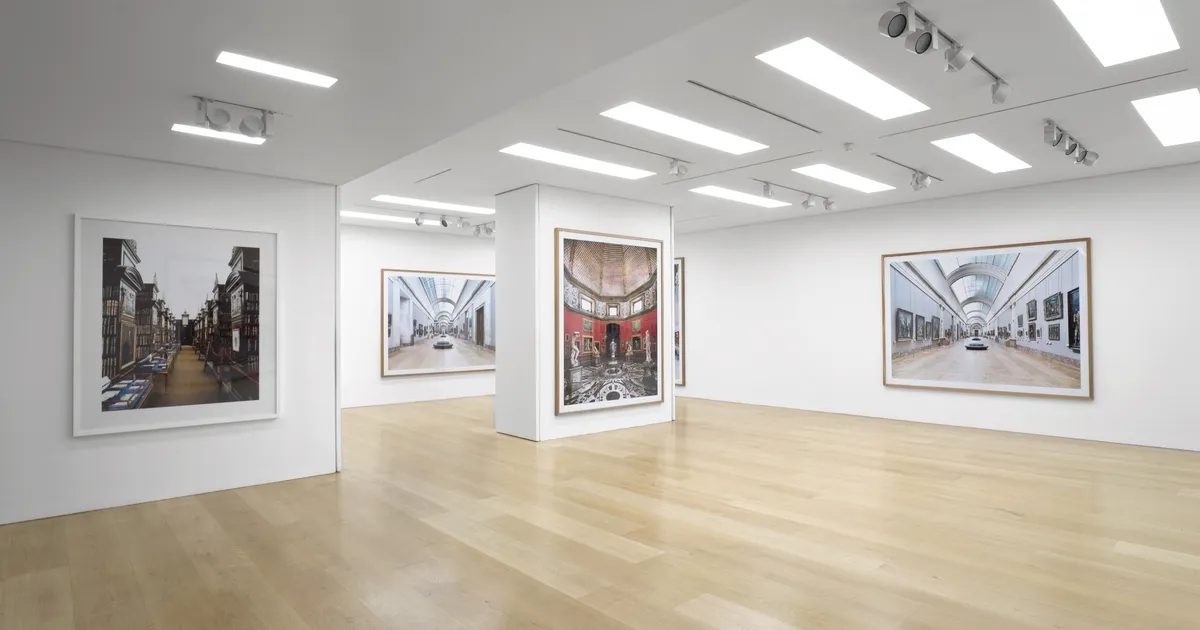
Libraries, Museums and A Theatre.
Public rooms photographed when no one is left. Empty seats, full shelves, light moving slowly through windows. The room speaks of those who were there.
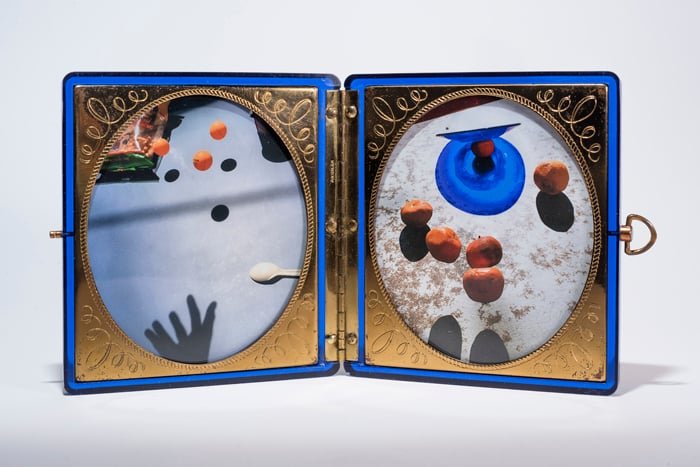
Irina Rozovsky. Miracle Center.
A photograph taken yesterday, a frame decades old. Put together, they become a small object you can hold in your hand.
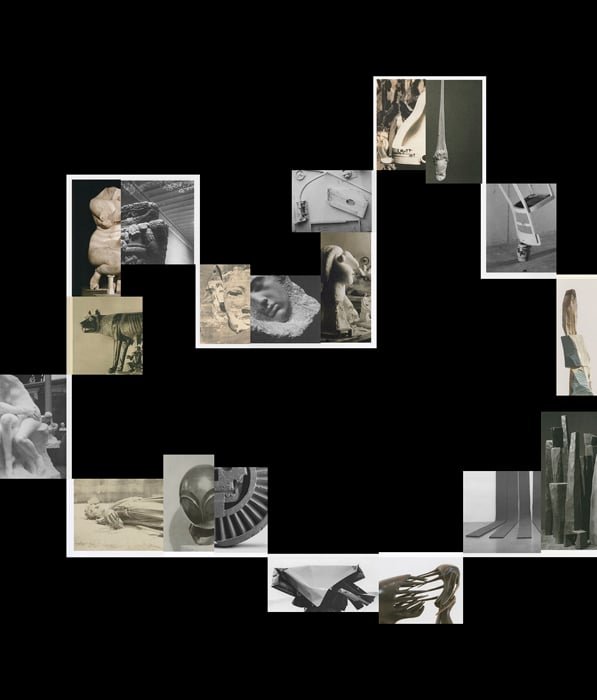
Iñaki Bonillas. Marginalia.
White borders, paper edges, scraps on the studio floor. Iñaki Bonillas looks at what photography throws away and finds another picture there.
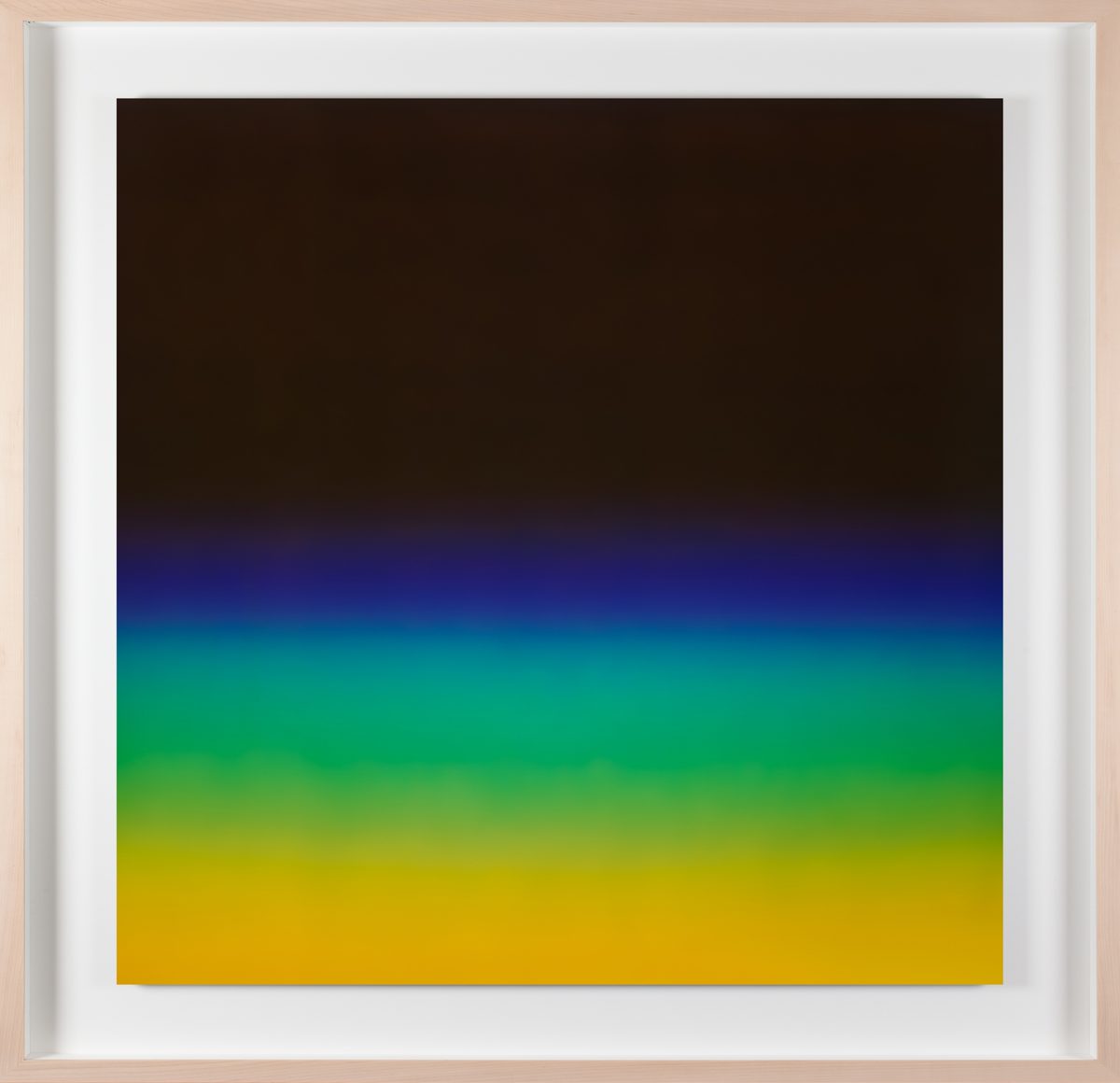
Hiroshi Sugimoto. Opticks.
There is no object in the picture. Only the colour of light after a prism, and the places where one colour turns into the next.
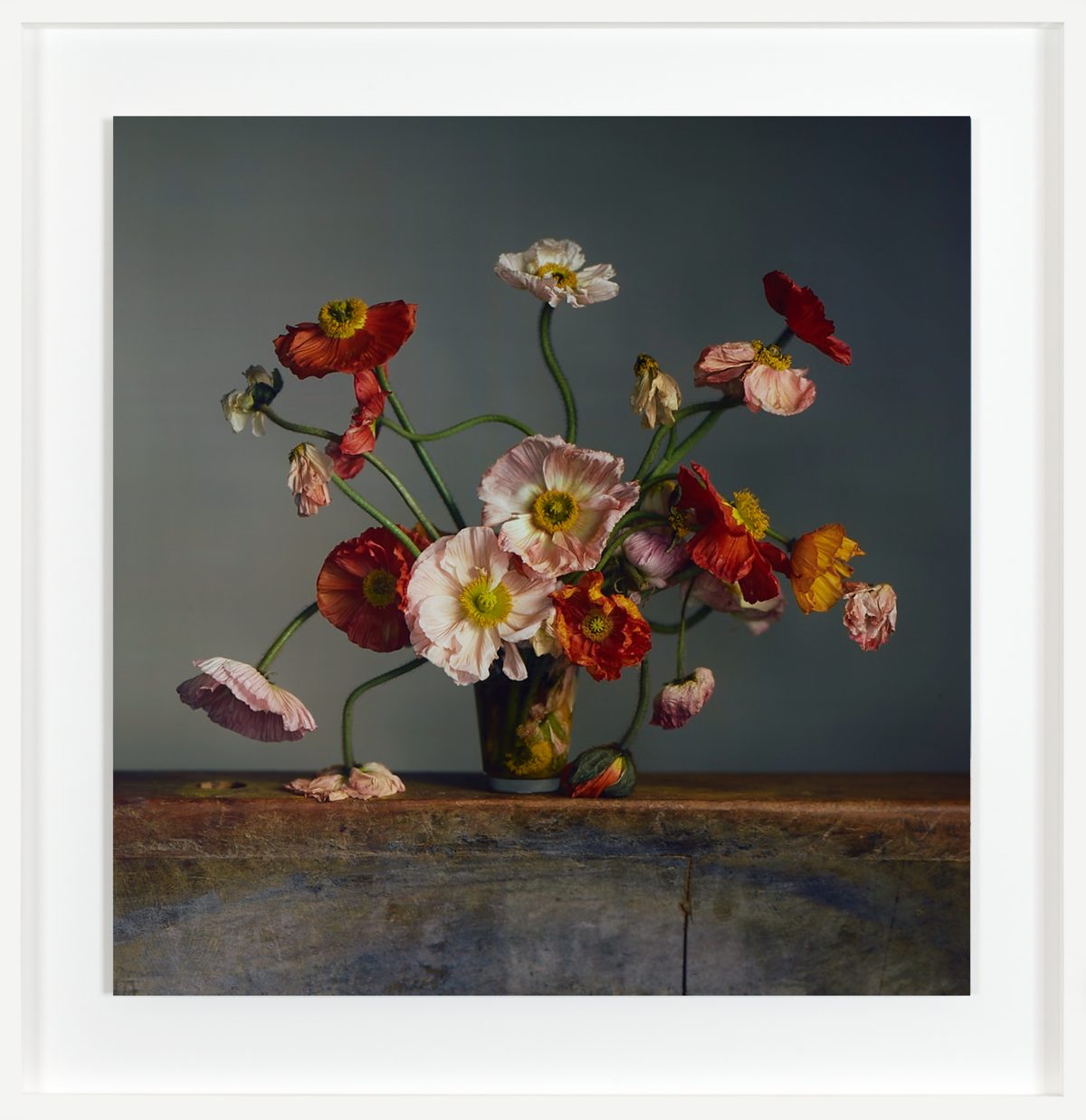
Richard Learoyd. Nature Morte.
A living poppy beside a dead one. Learoyd lets light print both straight onto paper, with no film and no copy.
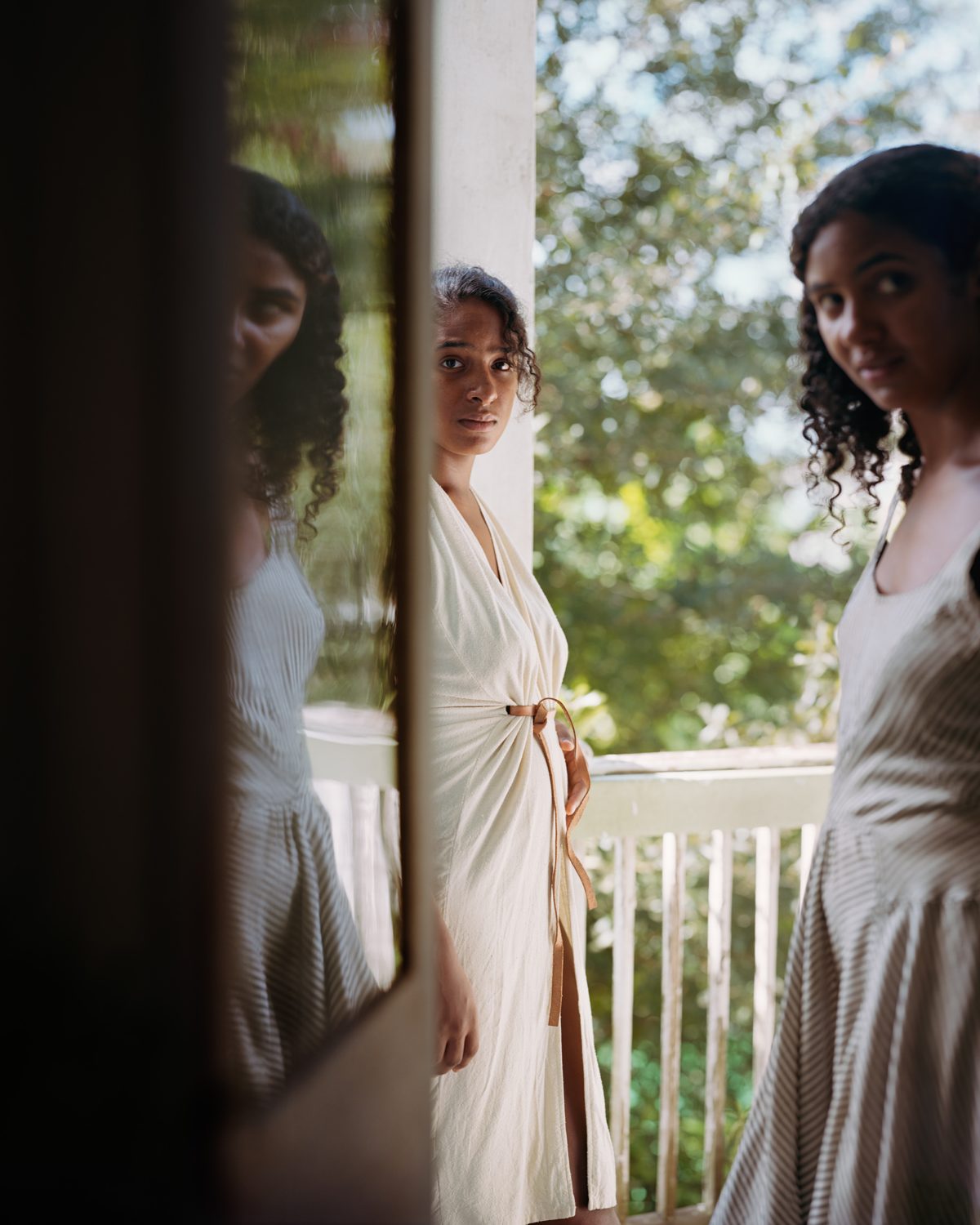
Alec Soth. I Know How Furiously Your Heart Is Beating.
Someone sits in their room. Window light. A vase of flowers. We see everything except what is happening inside them.
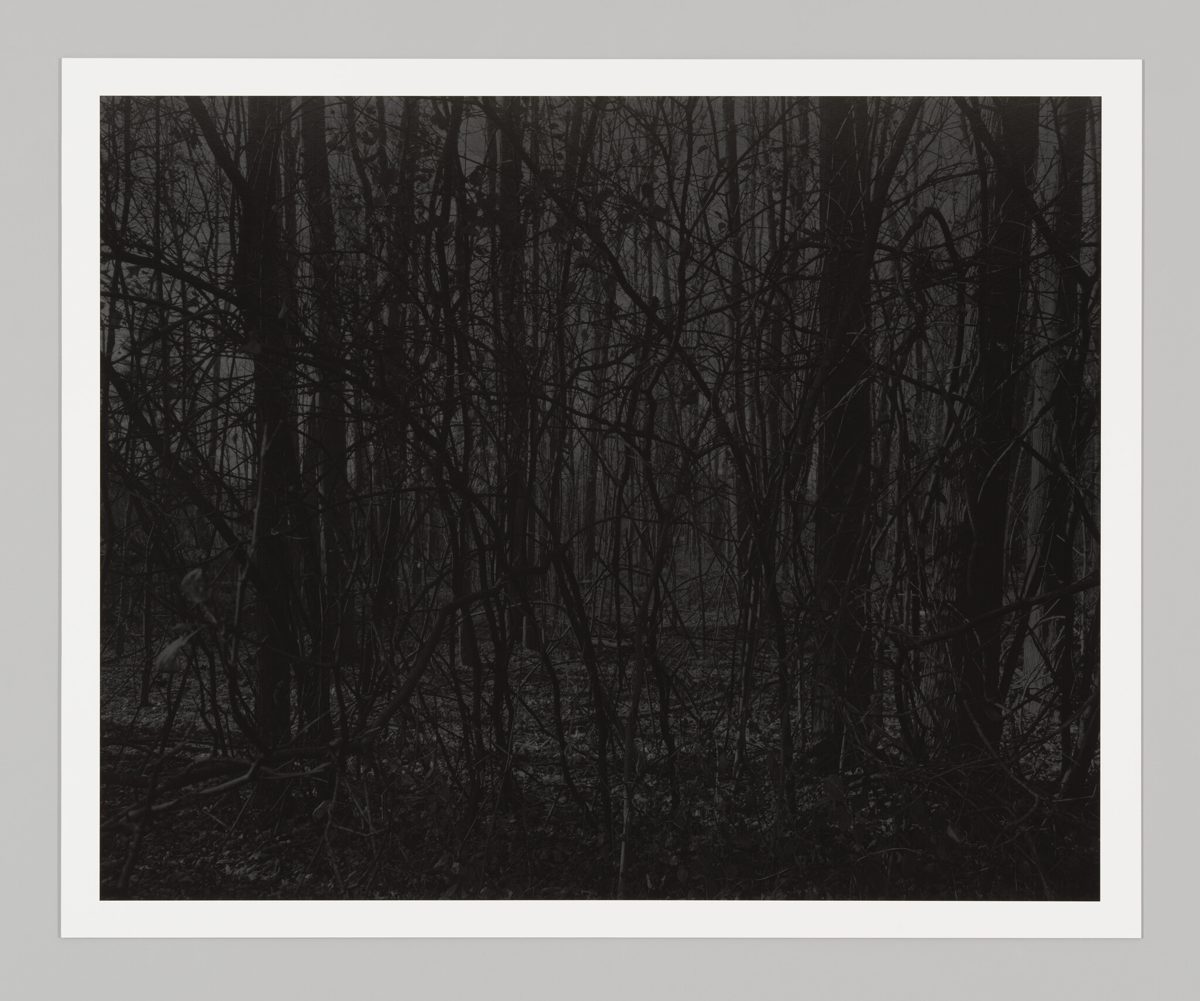
Dawoud Bey. Night Coming Tenderly, Black.
Woods, houses, fields, all nearly sunk in darkness. Dawoud Bey imagines the Ohio night through the eyes of those fleeing slavery.
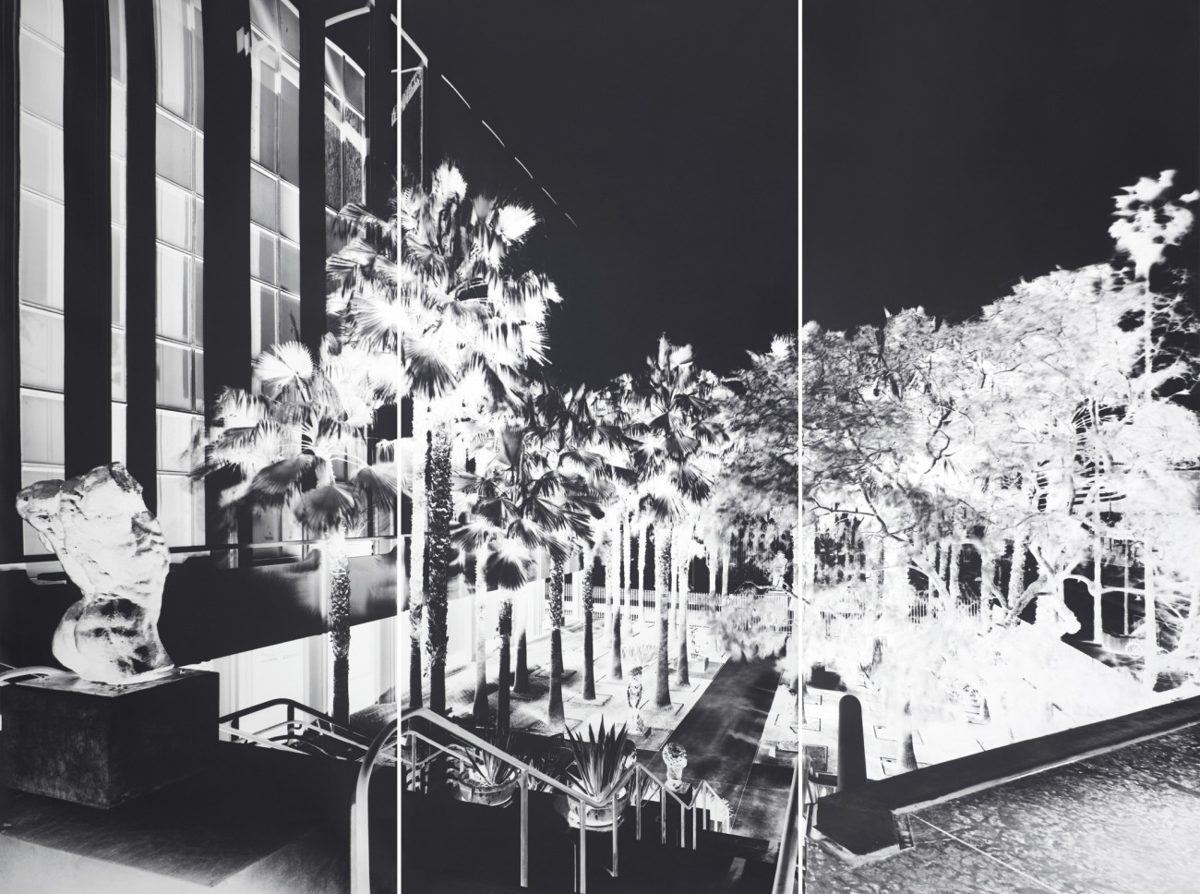
Vera Lutter. Museum in the Camera.
A European paintings gallery, exposed for seven months. The building is gone. Only a paper negative remembers it.
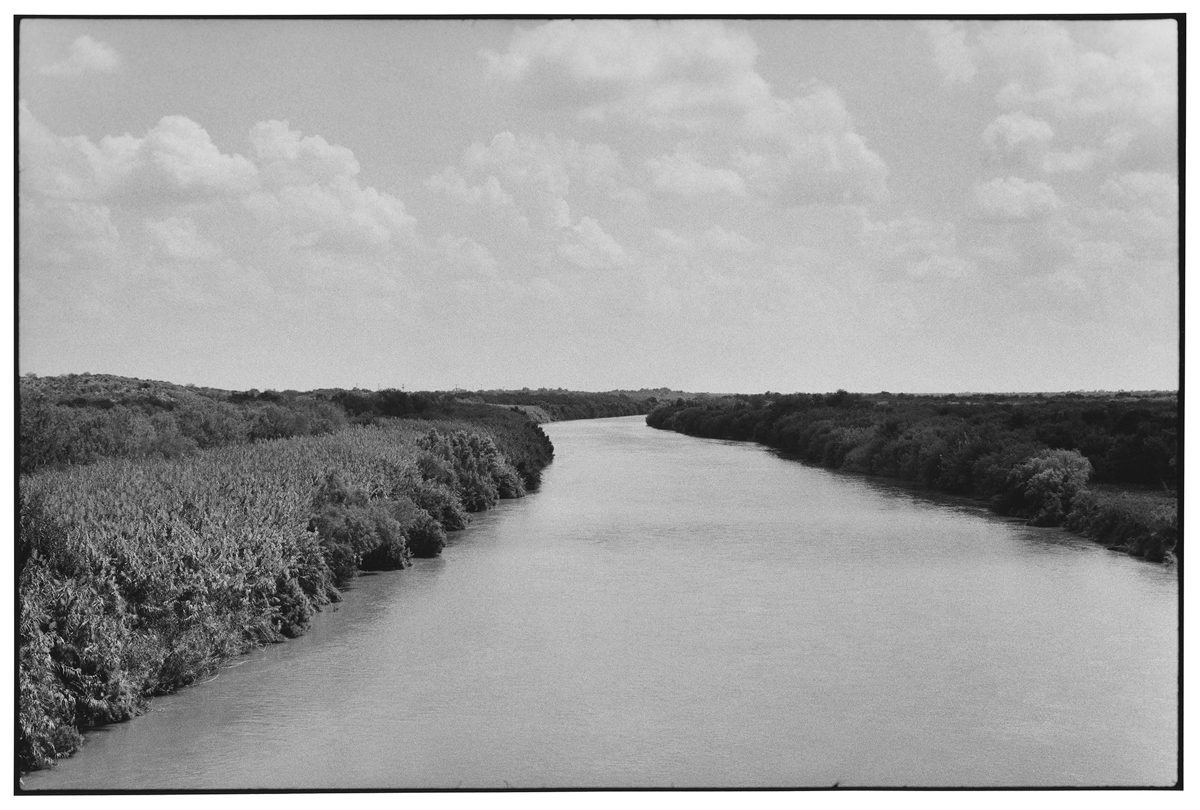
Zoe Leonard. Al río / To the River.
A river flows, and people draw a border on it. Zoe Leonard followed that water for years to see what it really is.
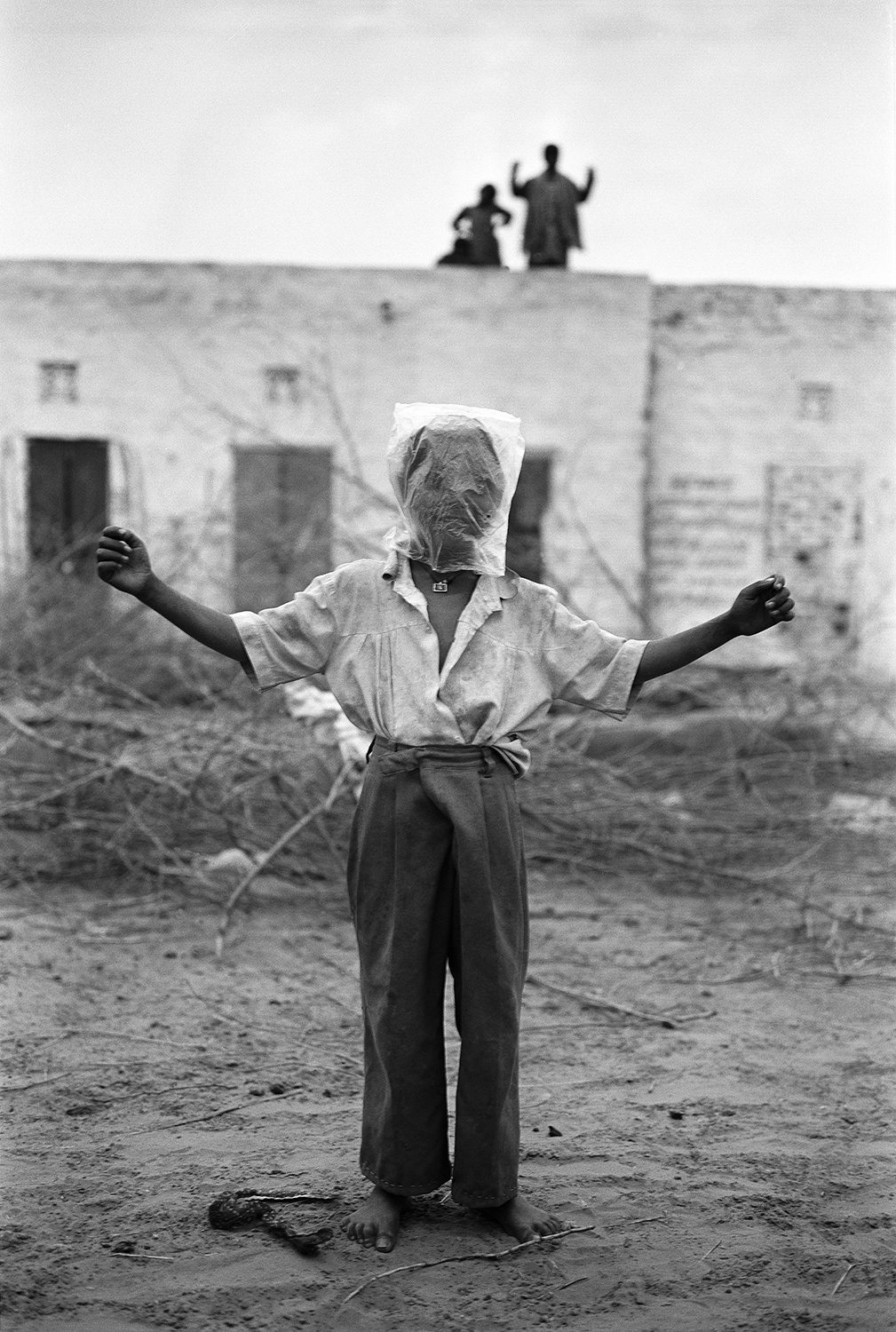
Gauri Gill. Acts of Appearance.
The masks are no longer gods. They are neighbours, animals, objects. Gauri Gill photographs their wearers in the middle of an ordinary day.
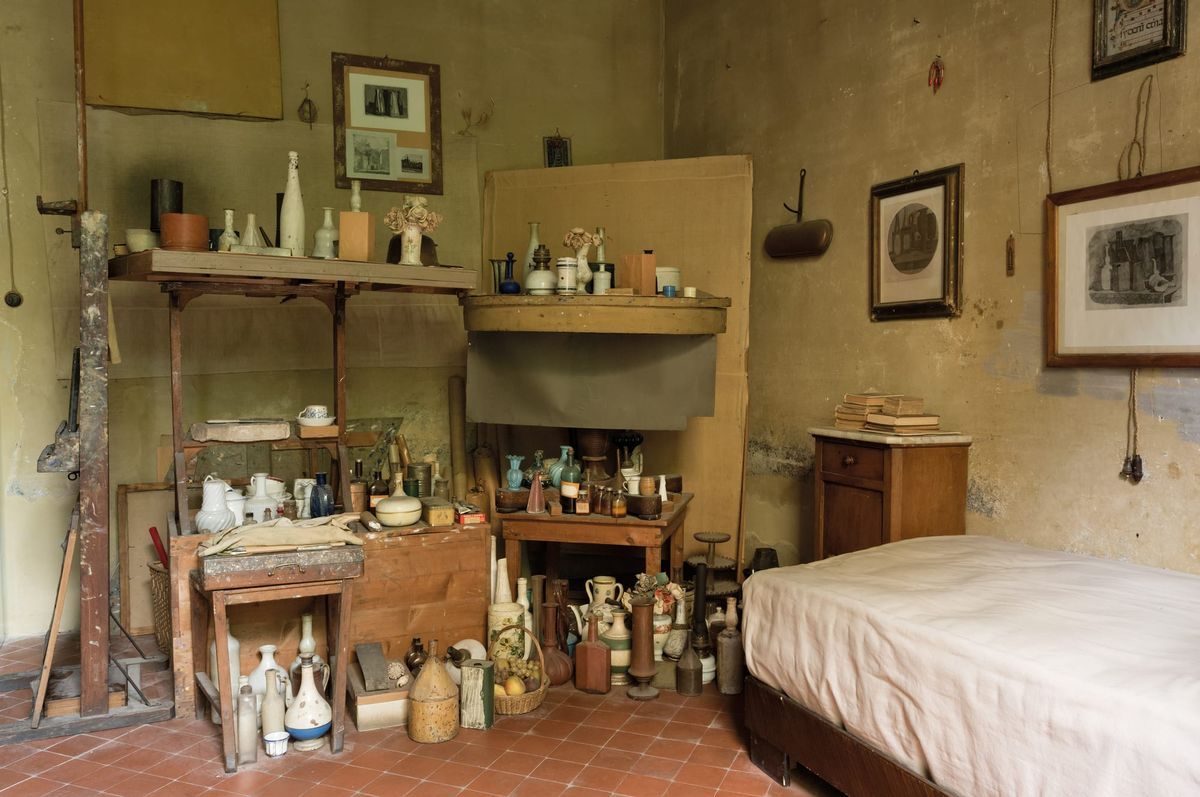
Joel Meyerowitz. Morandi's Objects.
Bottles, shells, tins, silk flowers. Meyerowitz set each one on Morandi's table and photographed it in the room's own light.
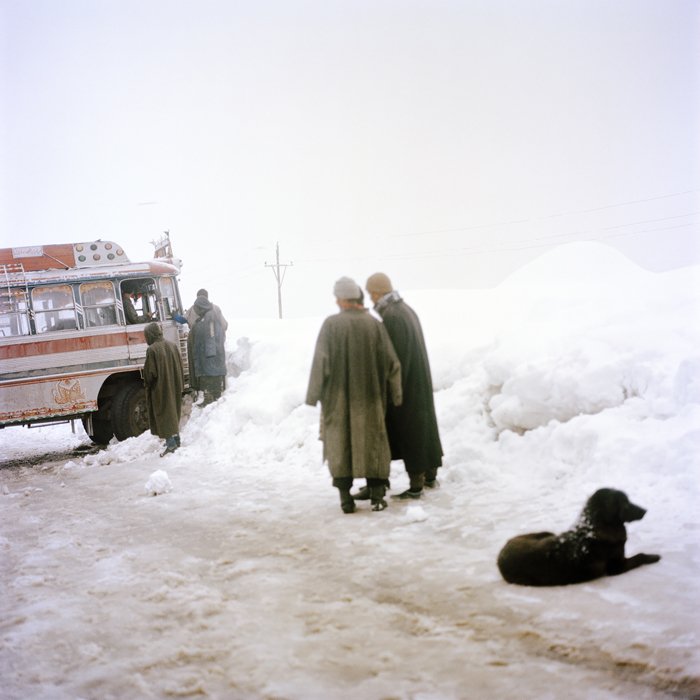
Sohrab Hura. Snow.
Five winters in Kashmir. Snow whitens everything, then melts and reveals what lies beneath. Sohrab Hura photographs both.
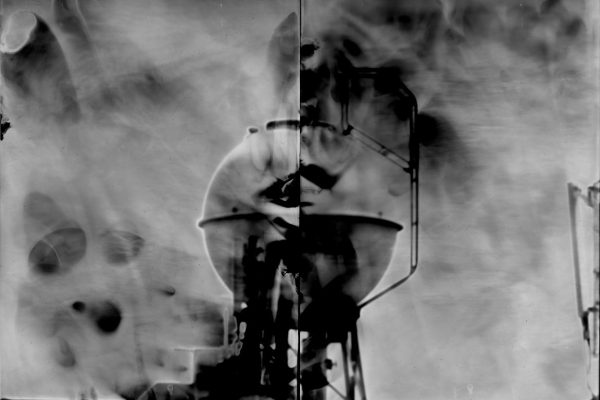
Takashi Homma. Tokyo Obscura.
Windows covered in black paper, gaps taped shut, one small opening onto the city. The room becomes a camera, and Tokyo appears upside down.
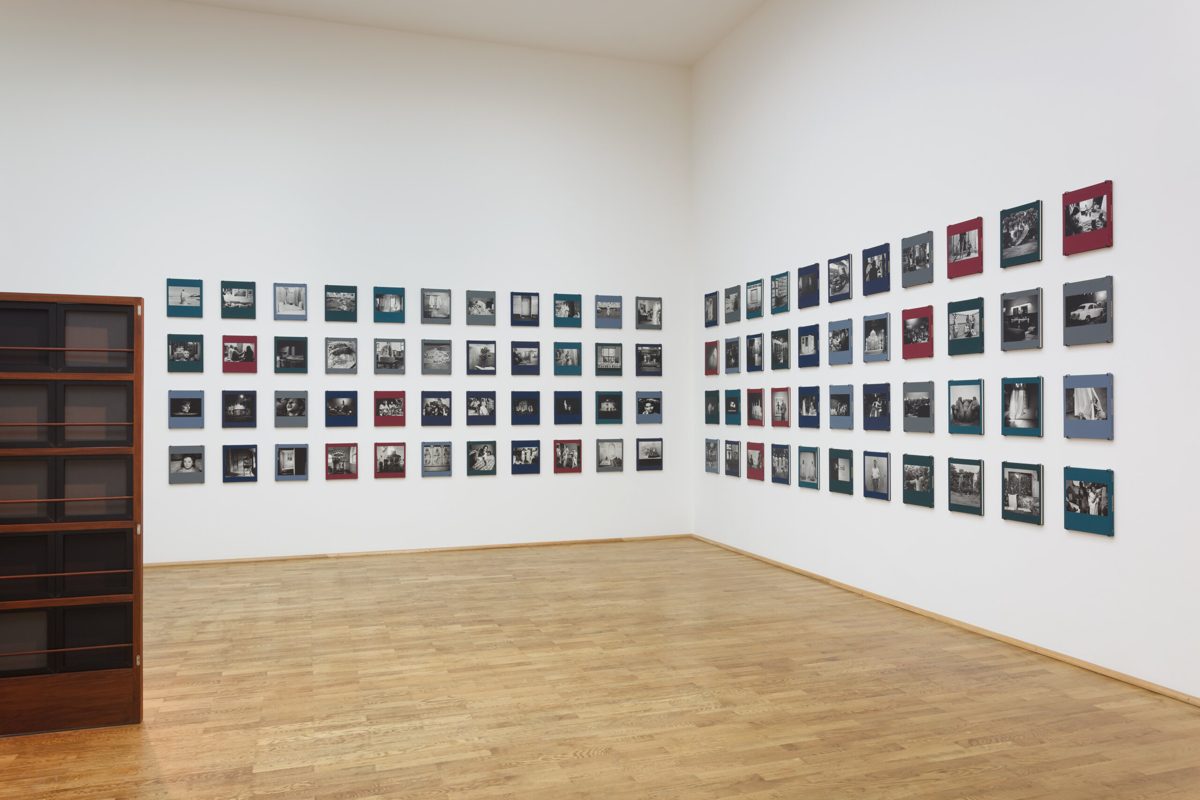
Dayanita Singh. Museum of Chance.
A wooden museum, a book with 44 different covers, two suitcases. Dayanita Singh lets chance arrange her photographs.
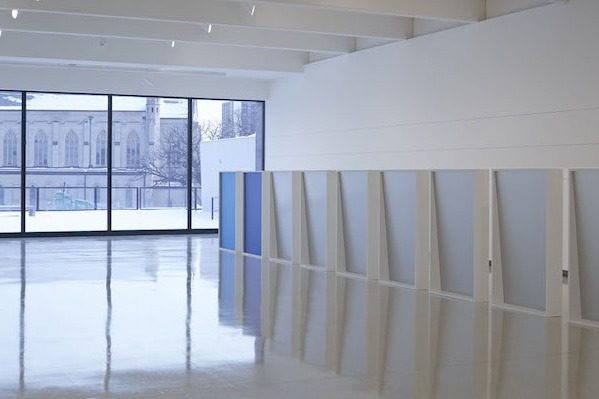
Liz Deschenes. Gallery 7.
No camera, no image. Only paper exposed to night light, silver and blue panels standing in a room, reflecting whoever passes.
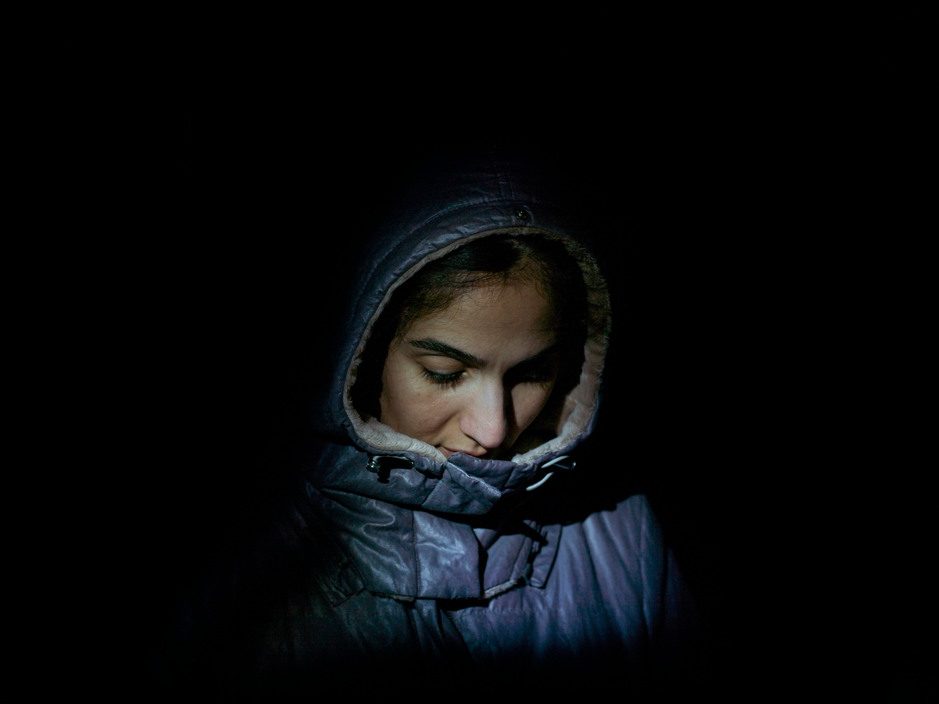
Newsha Tavakolian. Blank Pages of an Iranian Photo Album.
A birthday. A break at university. A day on the Caspian coast. Album pages of an Iranian generation, some still left blank.
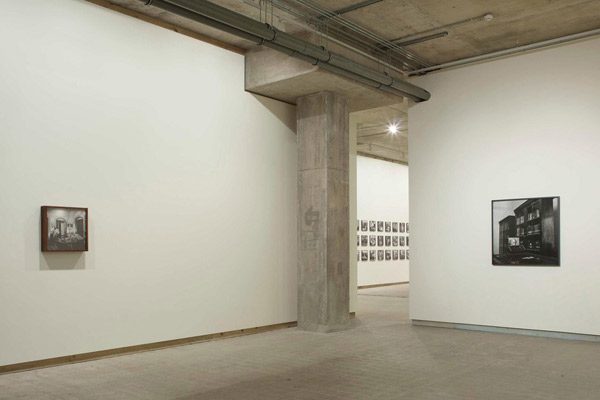
Dayanita Singh. File Museum.
Rusted shelves, sacks, trunks, stacks of tied paper. Dayanita Singh photographed Indian archives and built her pictures an archive of wood.
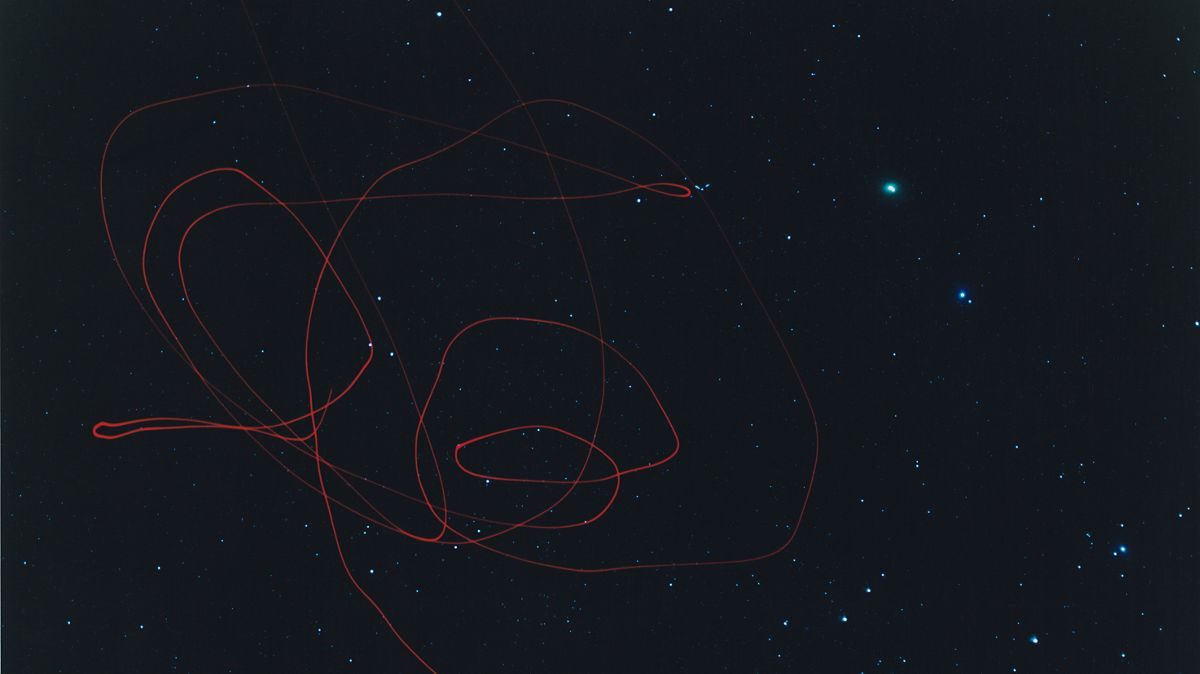
Rinko Kawauchi. Ametsuchi.
Every spring the people of Aso burn their grasslands as their ancestors did. Kawauchi stands in the smoke and looks up at the sky.
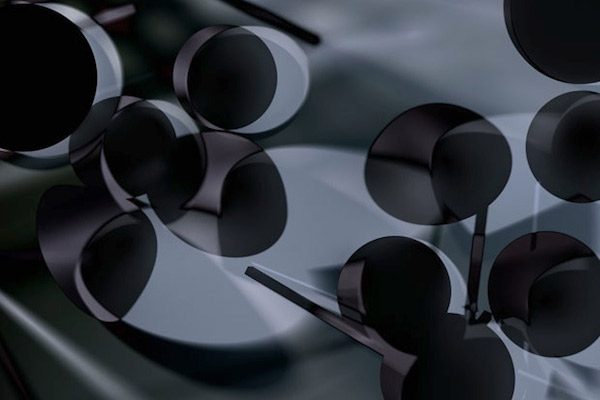
Thomas Ruff. Photograms.
A photogram is the shadow of an object laid on photographic paper. Thomas Ruff makes photograms with no object, no paper and no real darkroom.
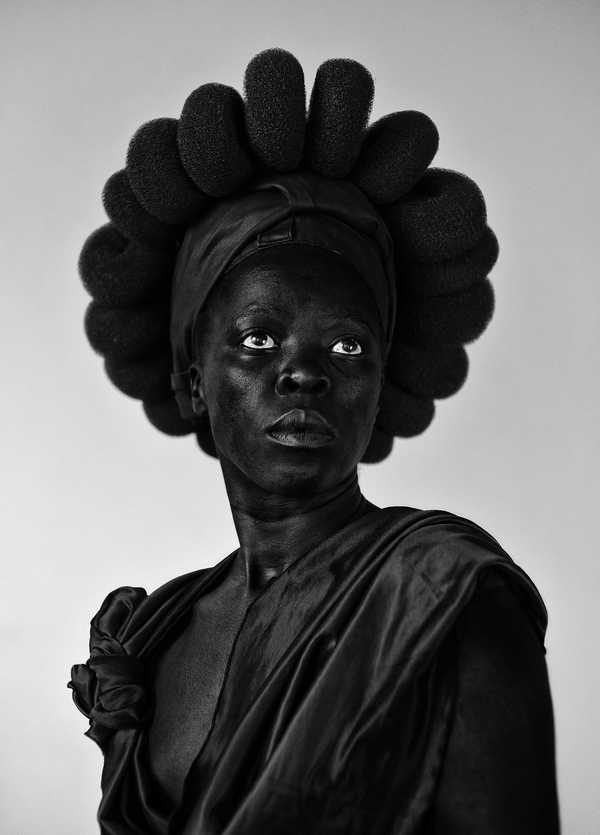
Zanele Muholi. Somnyama Ngonyama (Hail the Dark Lioness).
A scouring pad becomes a headdress, latex gloves a crown, skin printed darker. Zanele Muholi turns the camera on themself to ask who looks at whom.
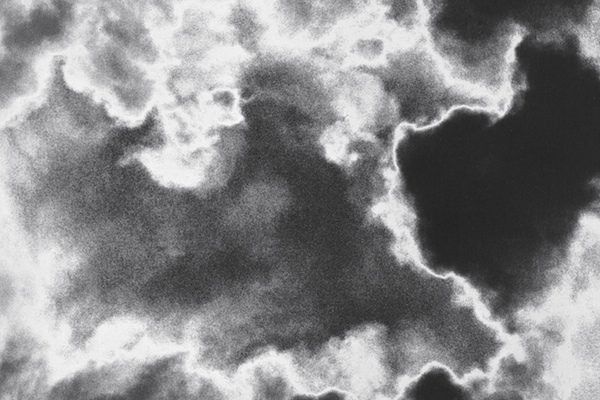
Lisa Oppenheim. Smoke.
Smoke from a 1913 oil field explosion, from wartime aerial surveillance, from the 2011 London riots. Oppenheim prints it with matches and a torch.
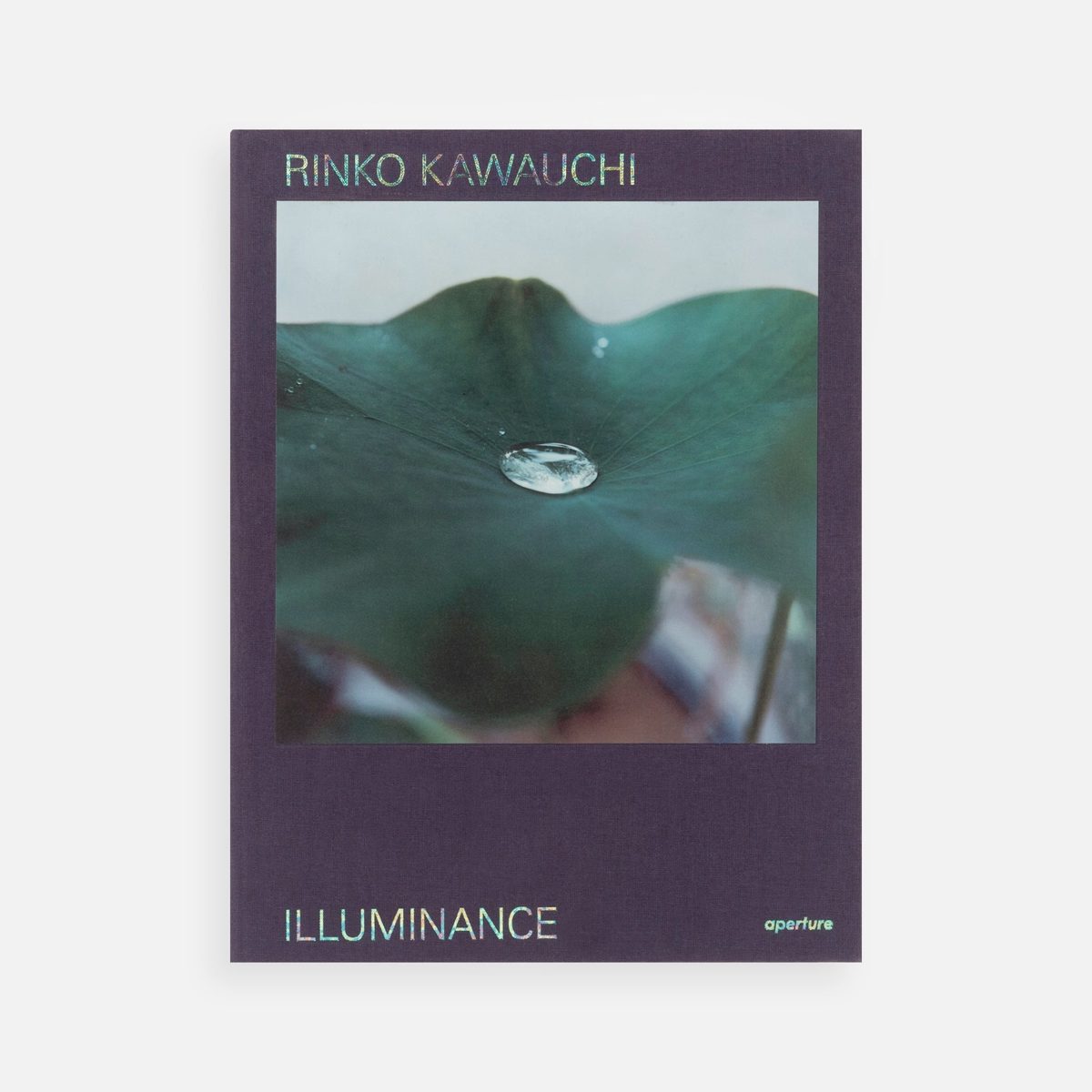
Rinko Kawauchi. Illuminance.
A puddle, a hand, a patch of sun on a wall. Illuminance has no story, only the rhythm of pictures placed side by side.
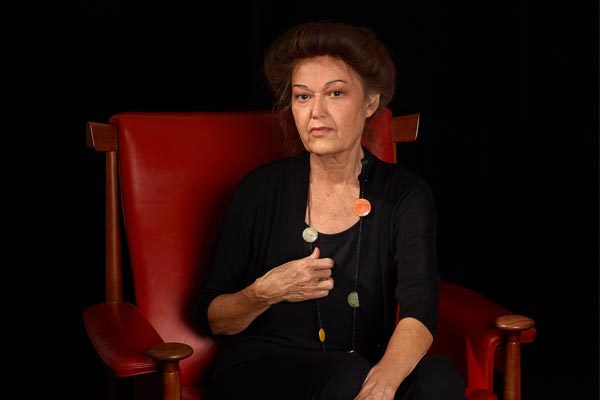
Catherine Opie. 700 Nimes Road.
Hatboxes on a lavender shag rug. Gowns in clear boxes. A bedside table. Elizabeth Taylor never appears, yet she is everywhere.
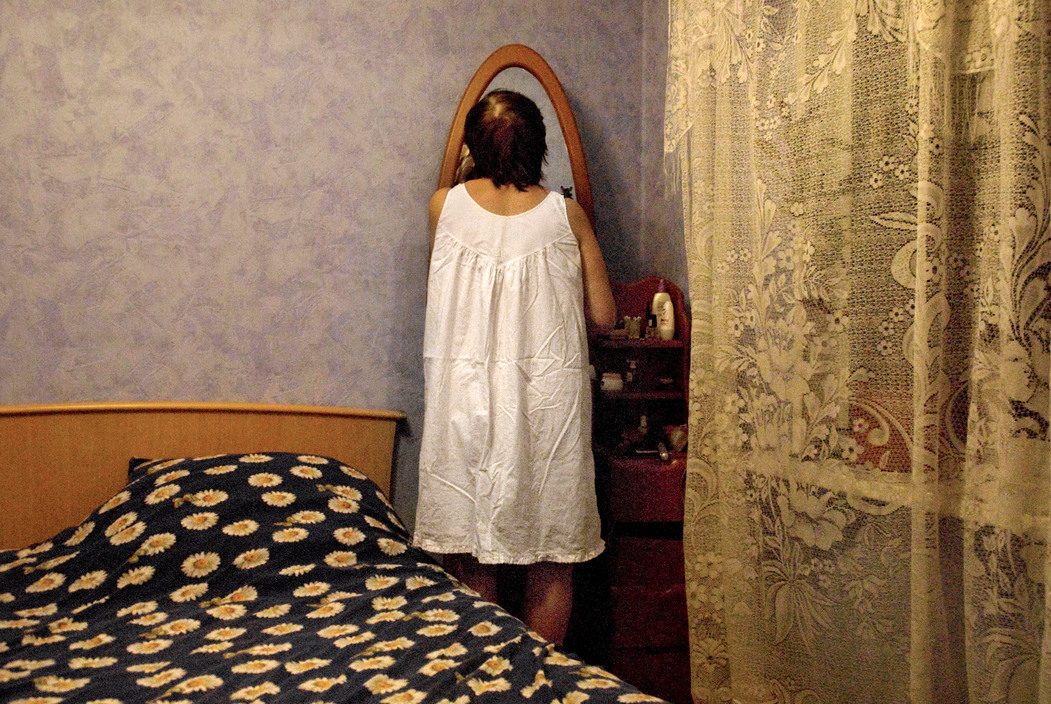
Bieke Depoorter. Ou Menya.
A note with a few Russian words. A door opens. A couch becomes a bed for one night. Next morning, onward.
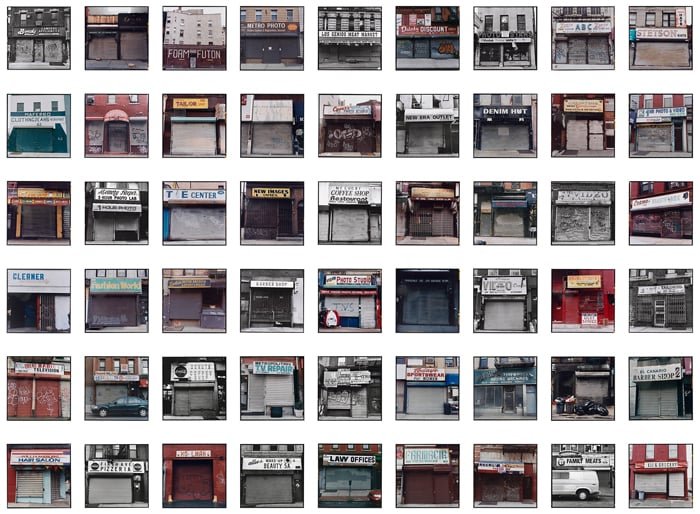
Zoe Leonard. Analogue.
Eleven years, an old Rolleiflex, small shops about to close. Zoe Leonard photographed them before they turned into memory.
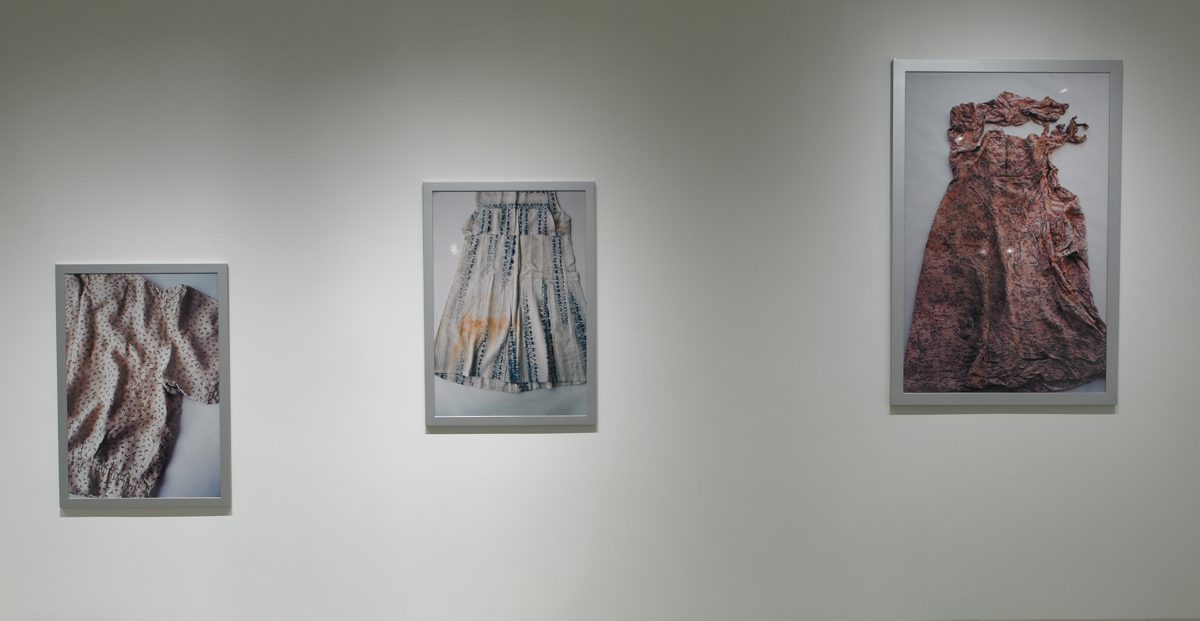
Ishiuchi Miyako. ひろしま hiroshima.
A dress, a pair of gloves, a blouse. Ishiuchi Miyako does not photograph Hiroshima as catastrophe. She photographs each person through what they wore.
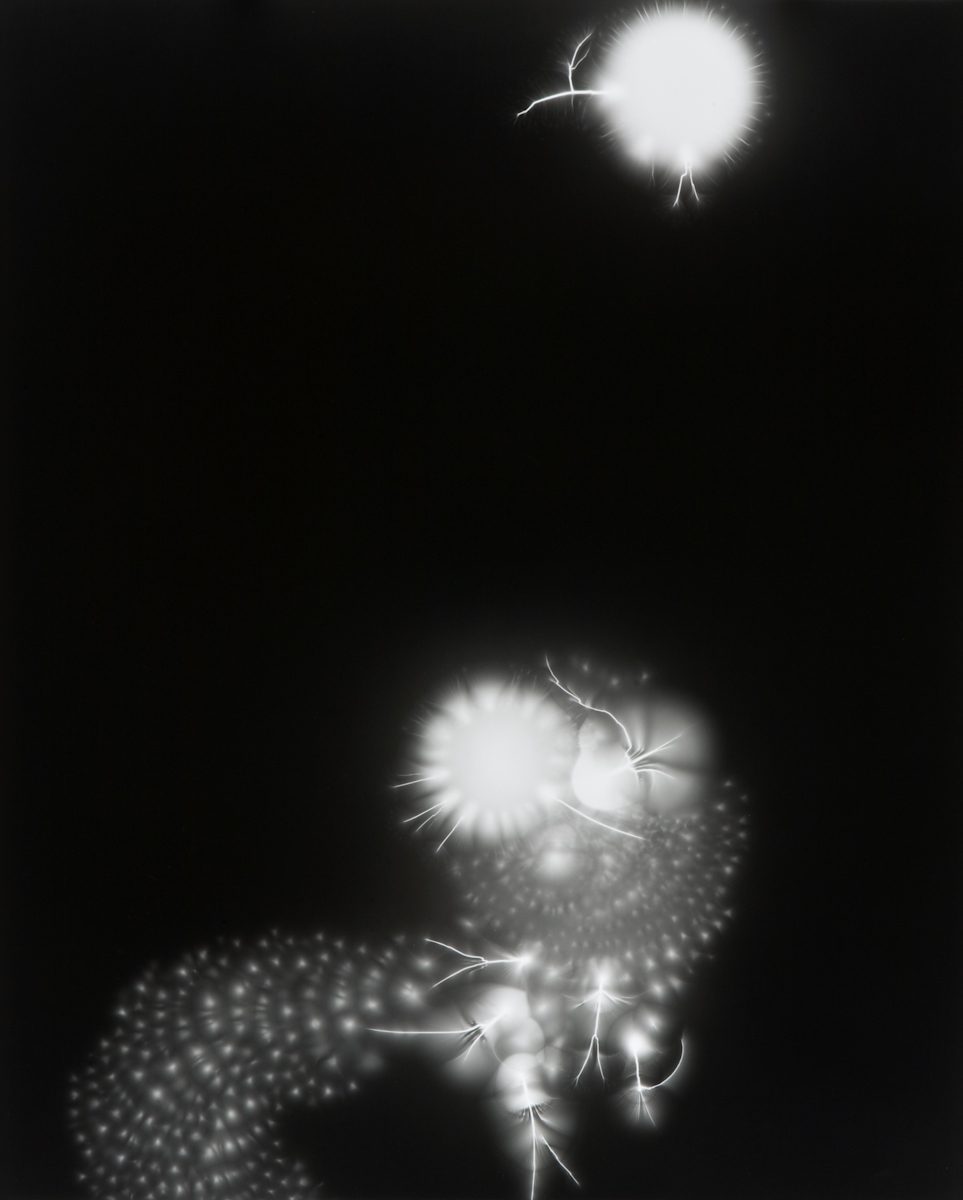
Hiroshi Sugimoto. Lightning Fields.
A spark touches a sheet of film and leaves the shape of a tree. No camera saw it. There is only the mark.
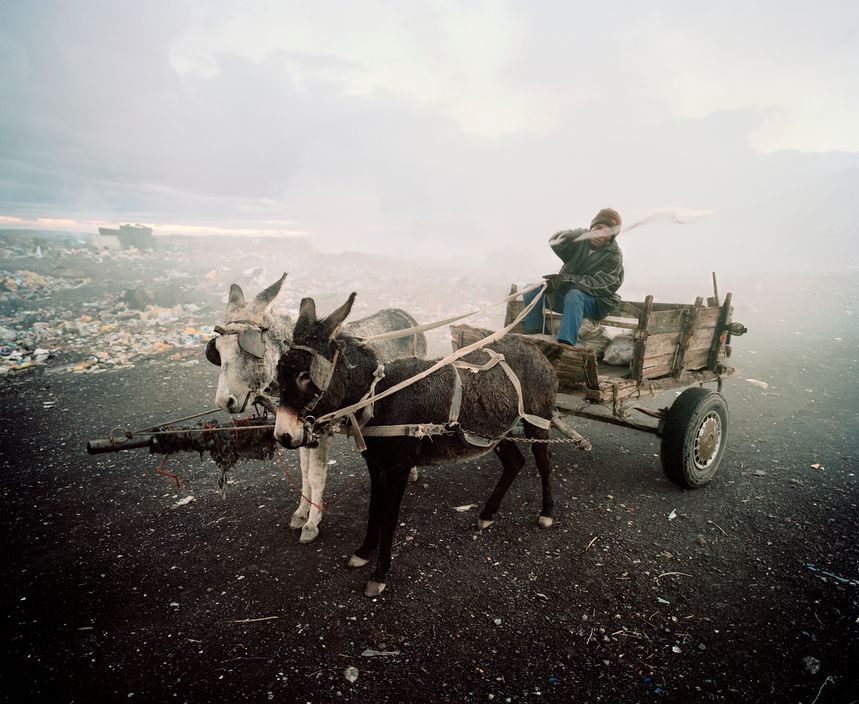
Mikhael Subotzky. Beaufort West.
A town halfway between Cape Town and Johannesburg. Traffic passes. The prison stands in the traffic circle. Those who stay live around it.
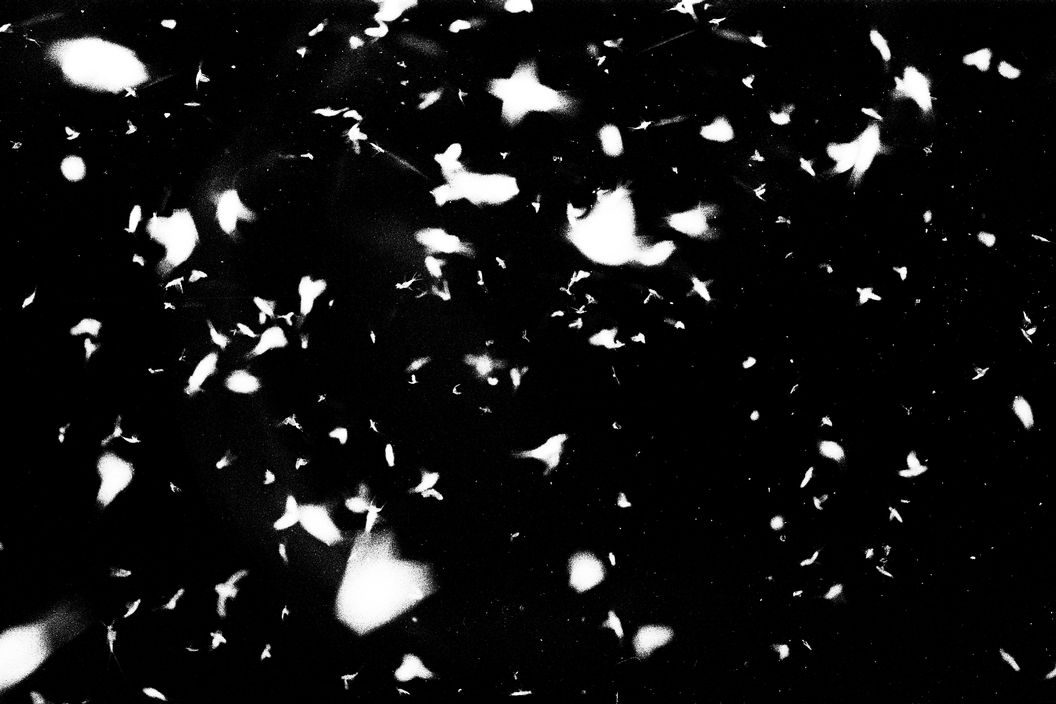
Sohrab Hura. Life is Elsewhere.
A mother, a dog, a house with many locks. The son holds the camera, both inside and longing to leave.
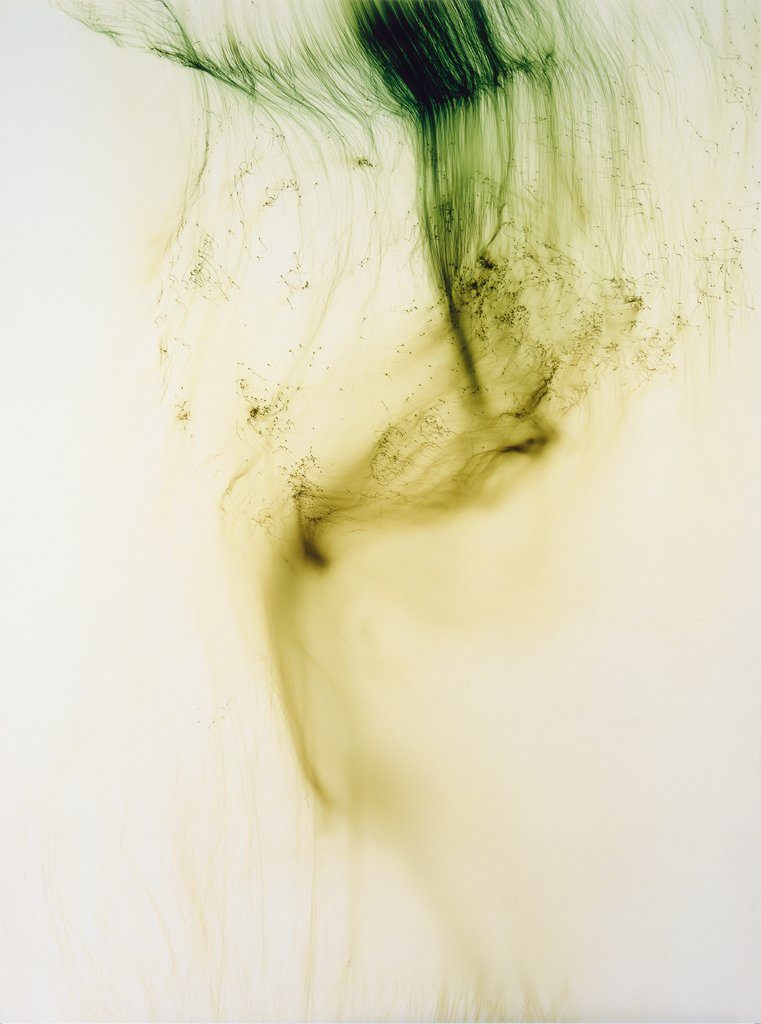
Wolfgang Tillmans. Freischwimmer 54.
No camera, no negative, nothing to photograph. Only light passing over paper in a darkroom, and a trail of colour left behind.
Taryn Simon. An American Index of the Hidden and Unfamiliar.
Radioactive capsules, a hibernating bear, CIA headquarters. Each photograph has a caption, like an entry in an inventory of things out of view.
LaToya Ruby Frazier. The Notion of Family.
Three generations of women, one fading steel town. Frazier shows how the history of a place is written on the bodies of those who live there.
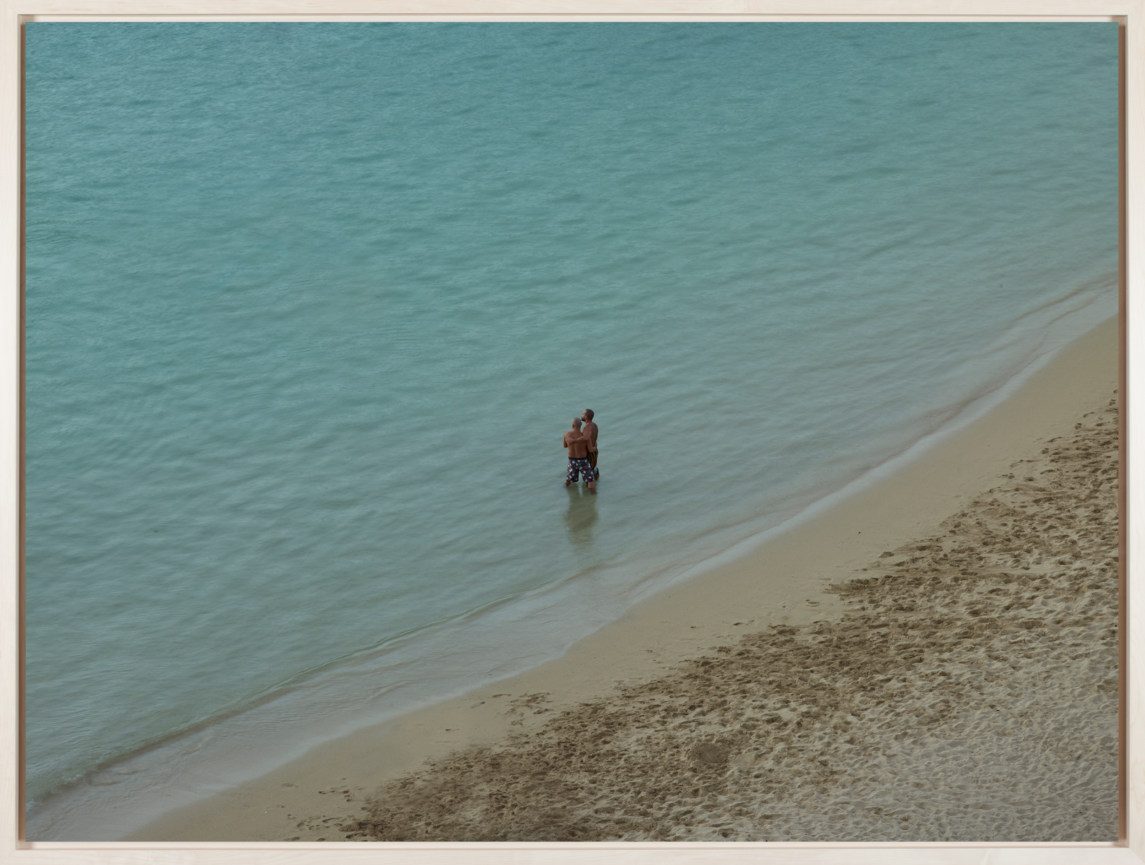
Richard Misrach. On the Beach.
No shore, no horizon. Only water and a small body floating in it. Misrach looks down from above.
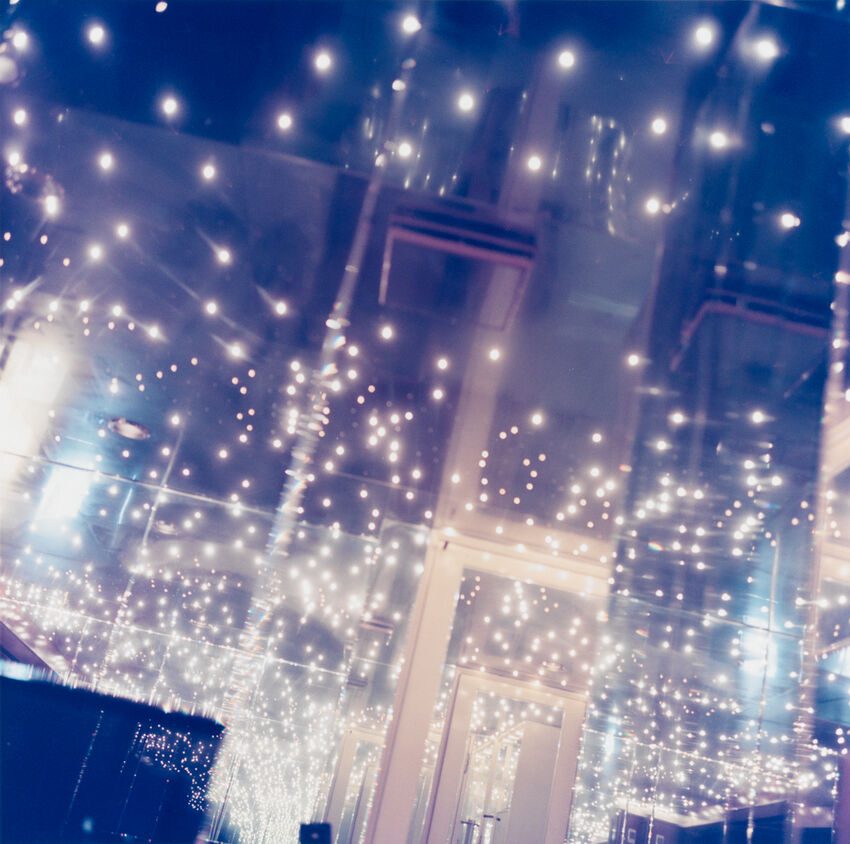
Rinko Kawauchi. Utatane.
A first photobook, a title meaning a short nap. Utatane looks at everyday life with eyes just opened, not yet fully awake.
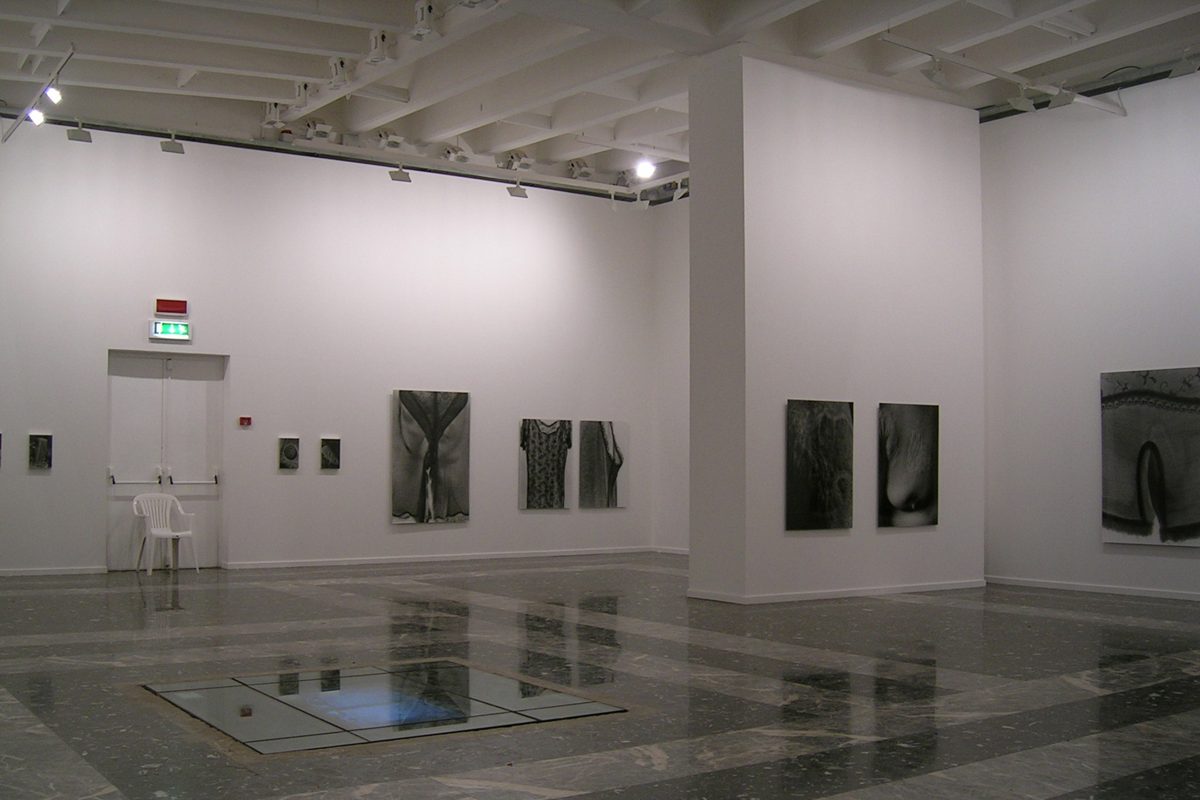
Ishiuchi Miyako. Mother's.
No face of the mother. Only lipstick, underwear, shoes, a hairbrush still holding her hair. And from these things, a person appears.
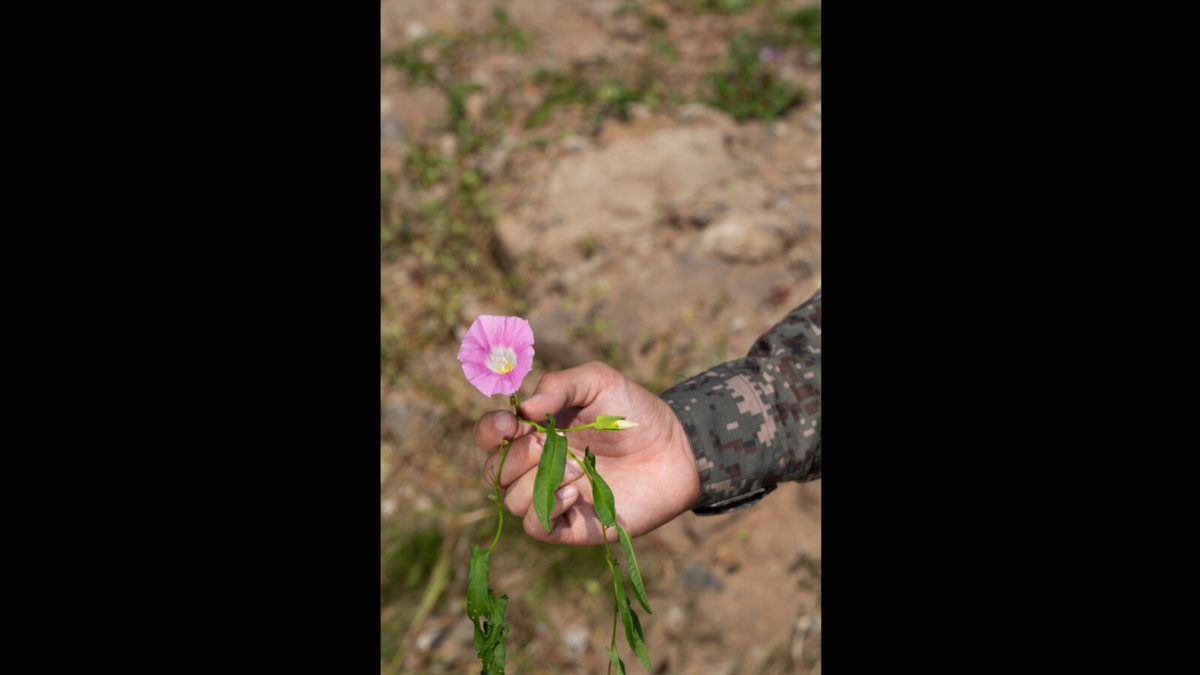
Tomoko Yoneda. Scene.
A beach. A wood. A calm grassy hill. Tomoko Yoneda photographs places where war once happened, and lets the title say the rest.
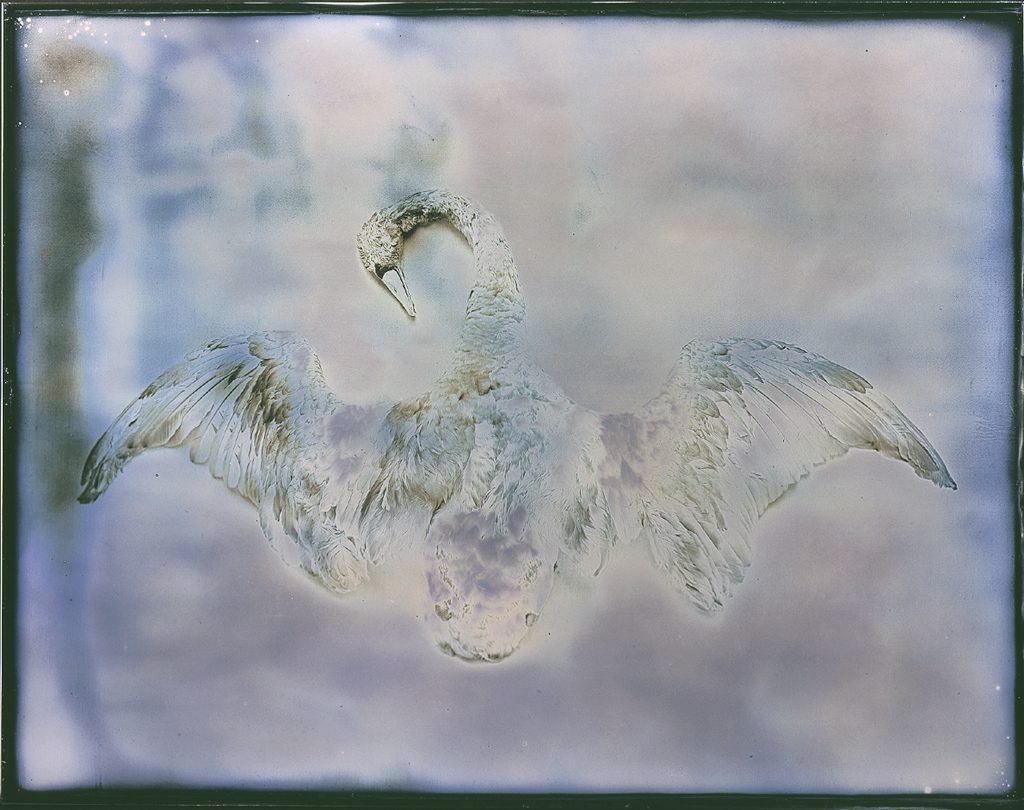
Adam Fuss. My Ghost.
Smoke holds its shape for less than a second. Adam Fuss lets it touch photographic paper, and keeps that second.
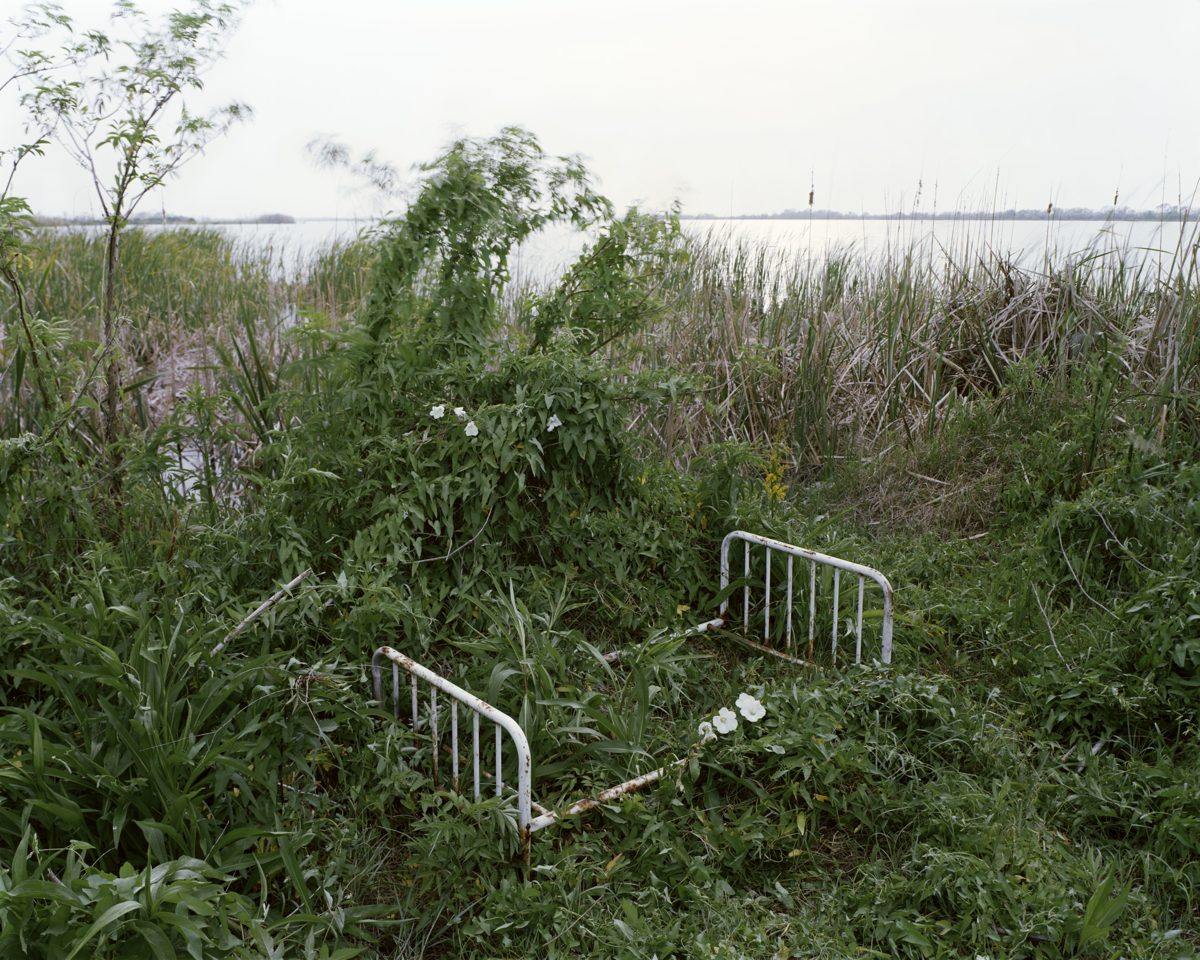
Alec Soth. Sleeping by the Mississippi.
A houseboat in Winona. A man with model aeroplanes in Vasa. A cemetery in Fountain City. The river joins them.
An-My Lê. Small Wars.
Weekends in the Virginia woods, Americans in old uniforms fight a war again. An-My Lê photographs them, cast as a Viet Cong guerrilla.
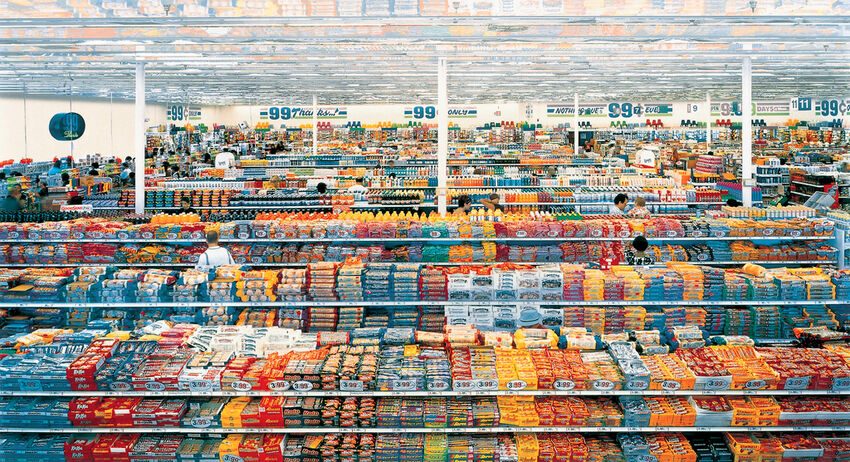
Andreas Gursky. 99 Cent.
Thousands of cheap goods stacked neatly up to the ceiling. From afar, a sheet of colour. Up close, each packet of candy.
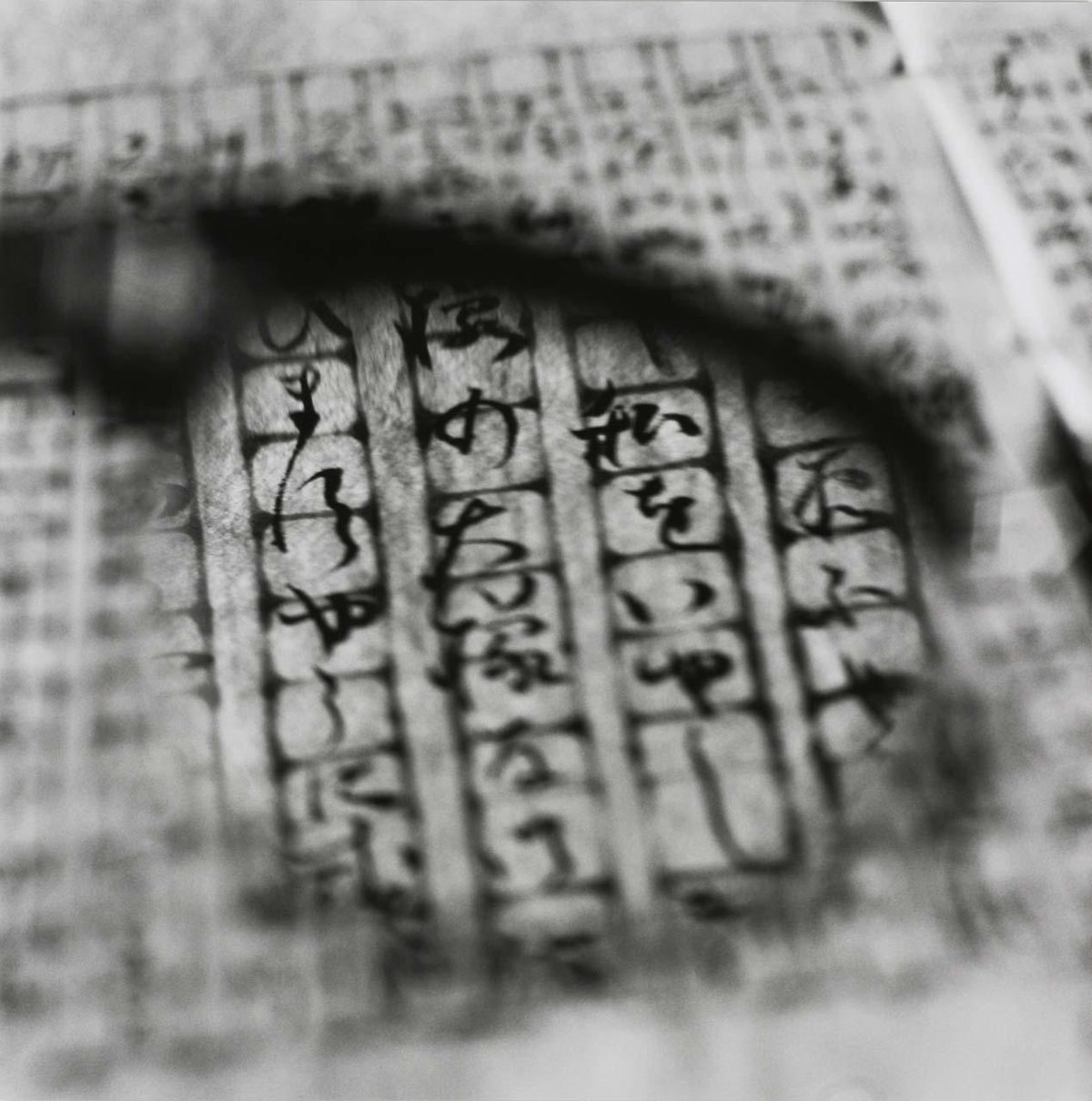
Tomoko Yoneda. Between Visible and Invisible.
Old glasses rest on a page, and through the lens a few lines come clear. Tomoko Yoneda photographs what the wearer once read.
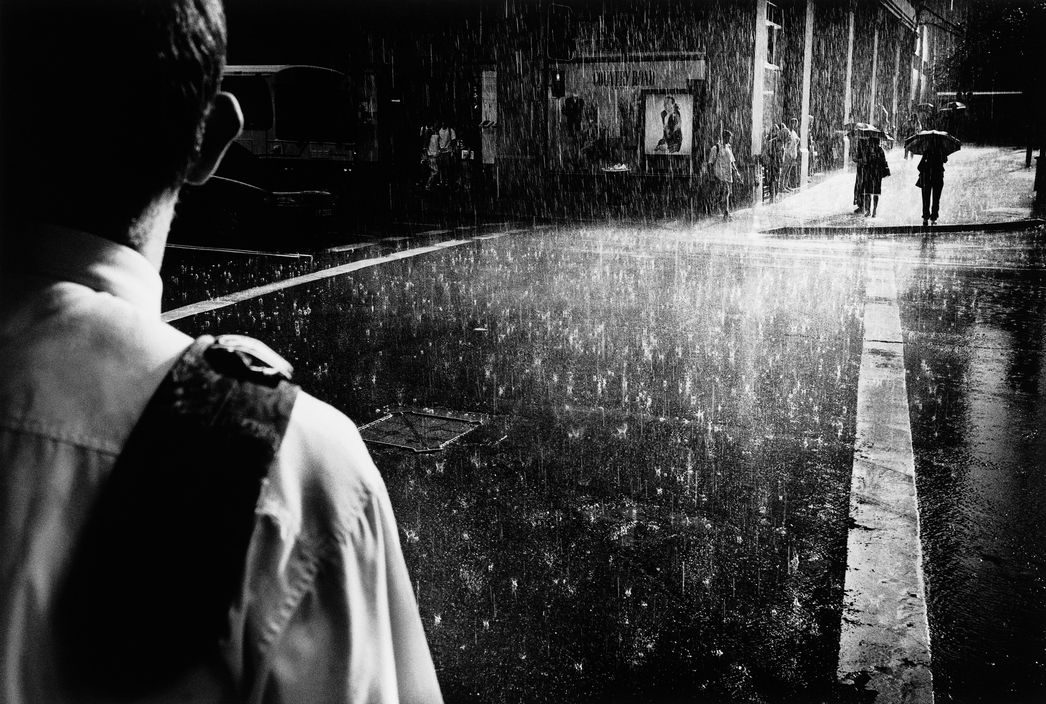
Trent Parke. Dream/Life.
A man sheltering under an awning. An office worker dissolving into a building's shadow. Trent Parke's Sydney is both real and dreamlike.
Boris Mikhailov. Case History.
More than four hundred photographs of the homeless in late 1990s Kharkiv. Boris Mikhailov paid them, posed them, and does not let the viewer look away.
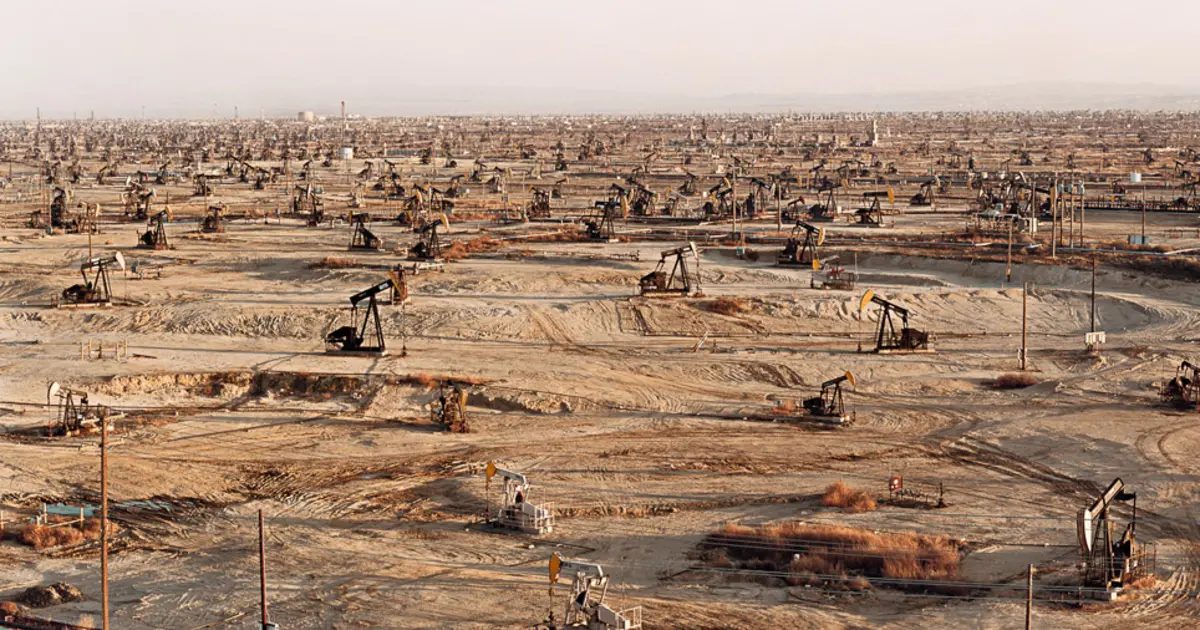
Edward Burtynsky. Oil.
Twelve years photographing oil fields, refineries, highways and shipbreaking yards. The oil itself never appears. Only what it does to the land.
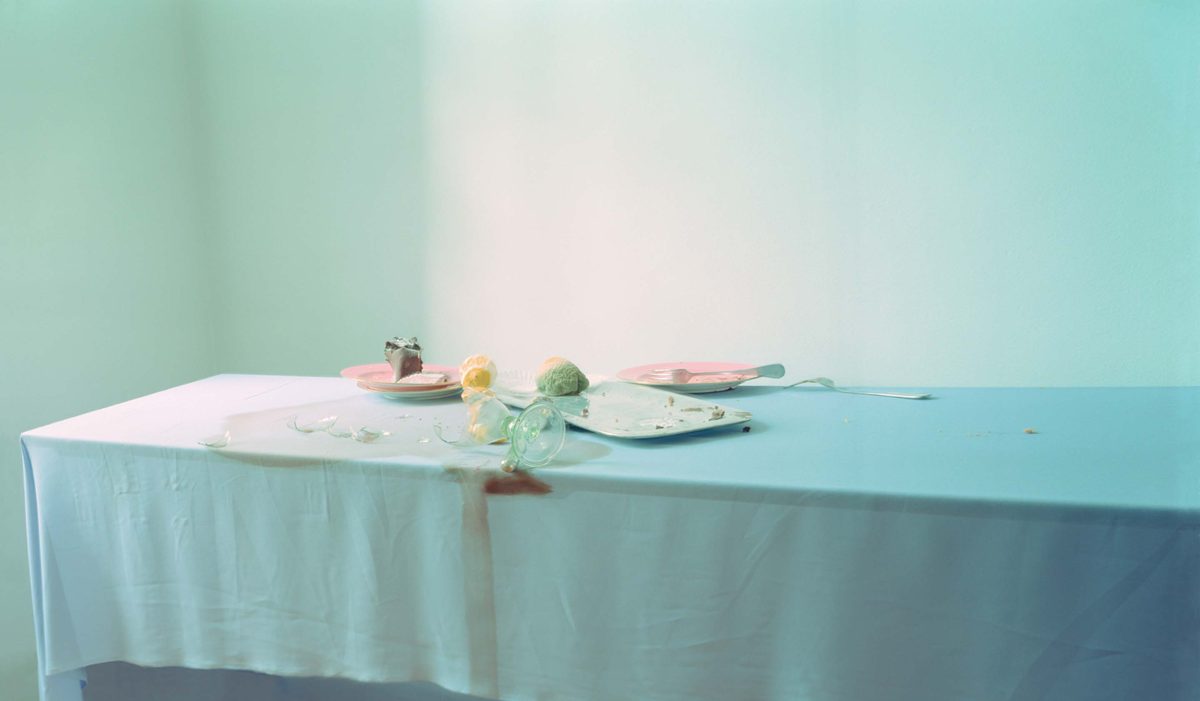
Laura Letinsky. Hardly More Than Ever.
The meal is over, the guests have risen. Letinsky photographs what is left on the table and turns it into a still life about fading.
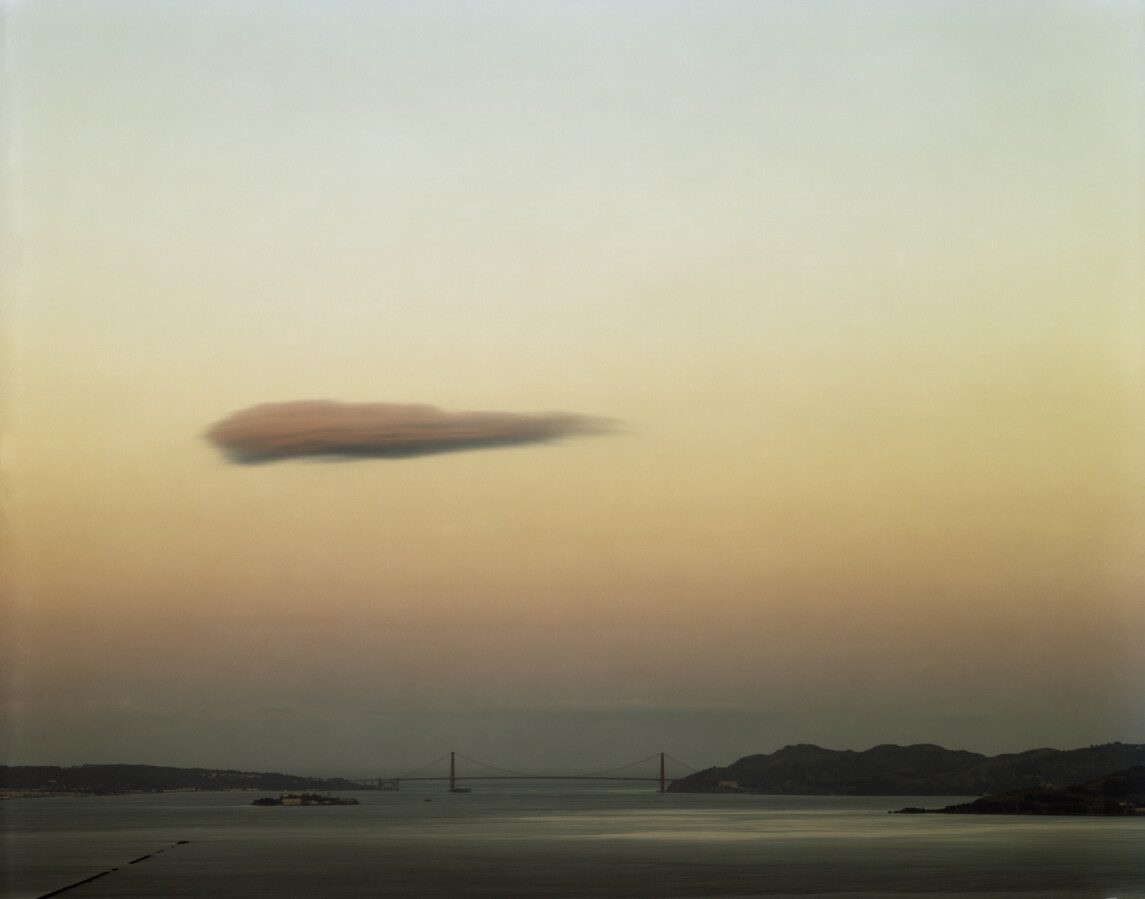
Richard Misrach. Golden Gate.
The same bridge, the same porch, many mornings and evenings. Only the light differs. Misrach recorded each one.
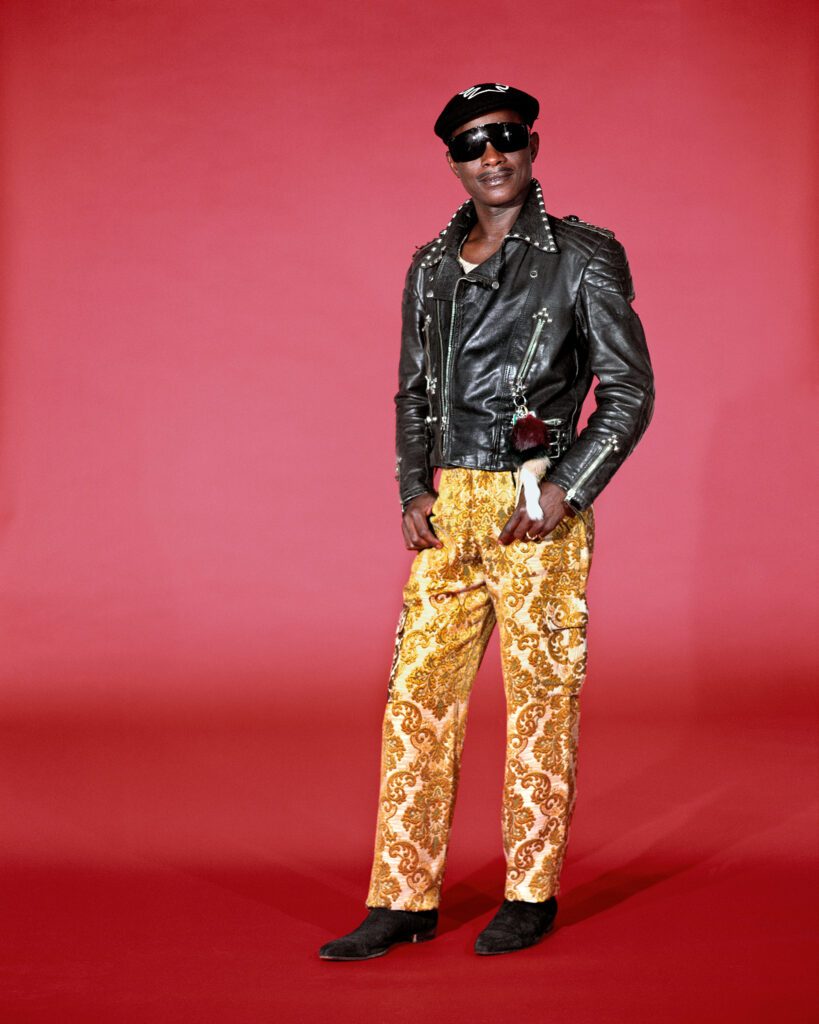
Samuel Fosso. Tati.
Invited to set up a photo studio inside Tati, Samuel Fosso turned the lens on himself and became ten characters, dressed from the store's own racks.
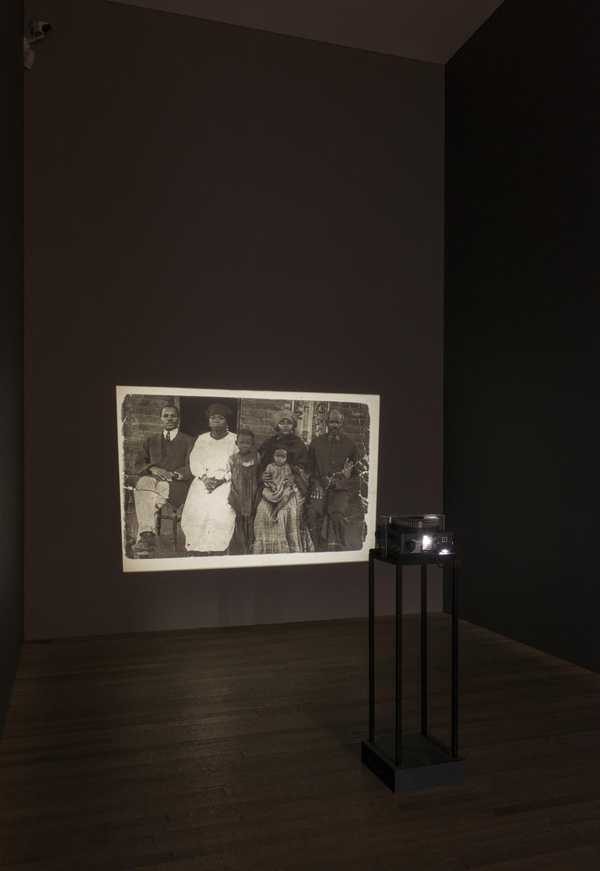
Santu Mofokeng. The Black Photo Album / Look at Me.
Eighty slides of studio portraits of black South African families: suits, long dresses, careful poses. They chose how they would be seen.
Susan Derges. River Taw.
A sheet of photographic paper nearly two metres long lies under the river at night. One flash. The water prints itself.
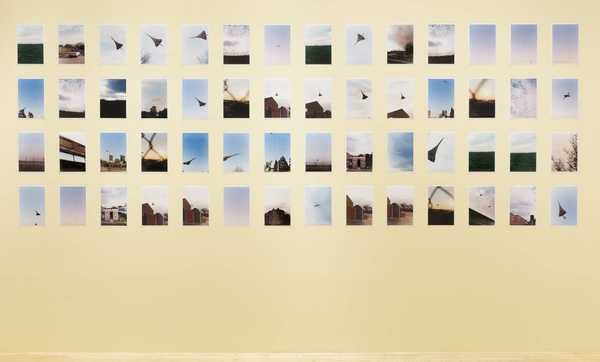
Wolfgang Tillmans. Concorde Grid.
Fifty six photographs, one aeroplane, and a photographer who never flew in it. Concorde Grid looks at speed from the ground up.
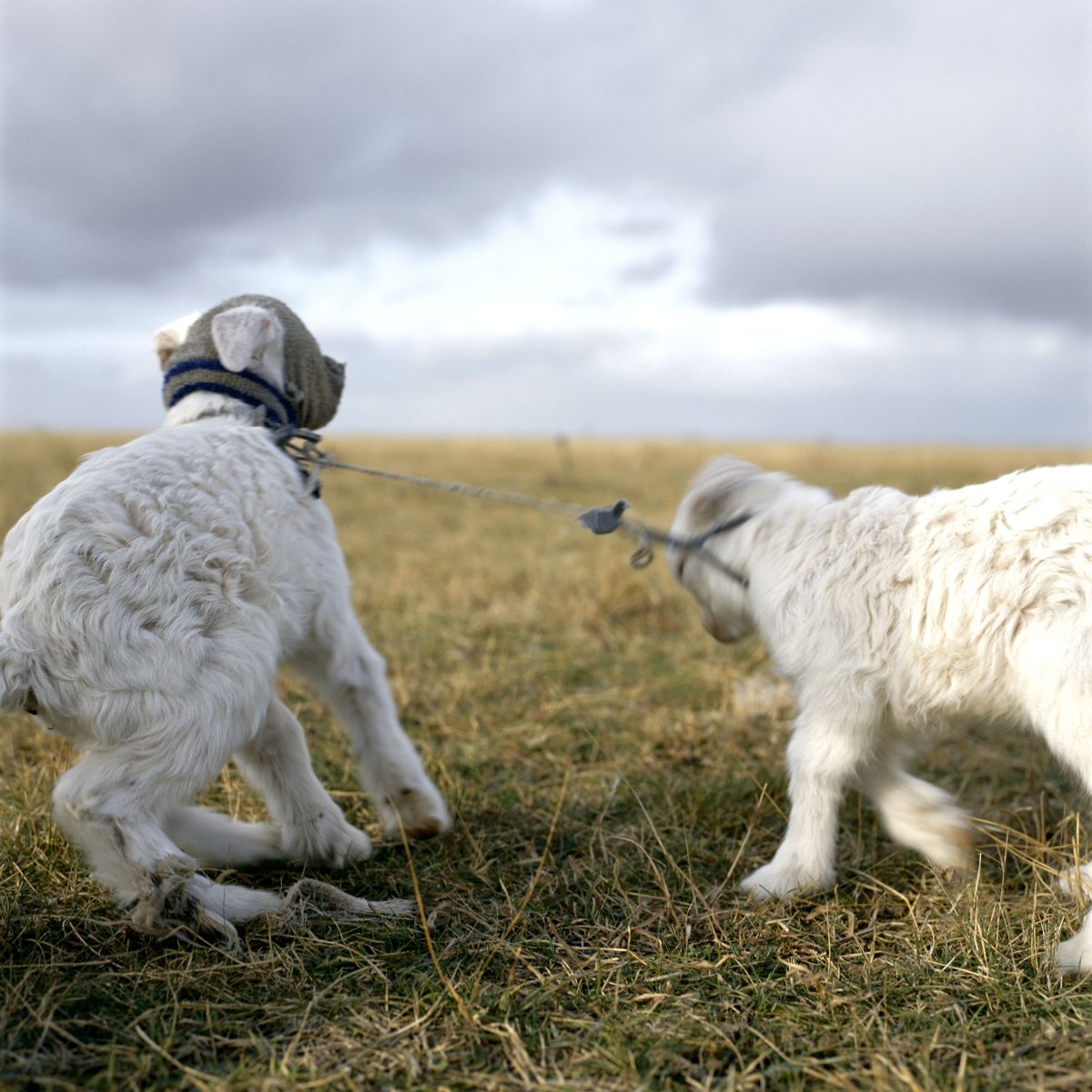
Alessandra Sanguinetti. On the Sixth Day.
Rabbits, horses, pigs, geese, lambs, cows. On a farm near Buenos Aires, the life and death of animals happen in plain sight.
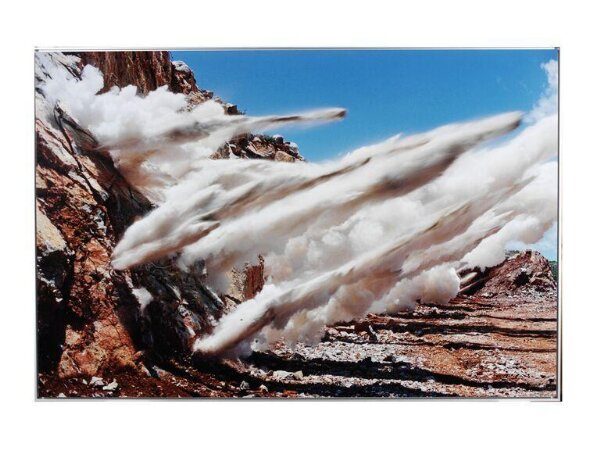
Naoya Hatakeyama. Blast.
A limestone cliff explodes and the shutter fires at a thousandth of a second. The rock has not fallen. The dust has not settled. No human eye sees this.
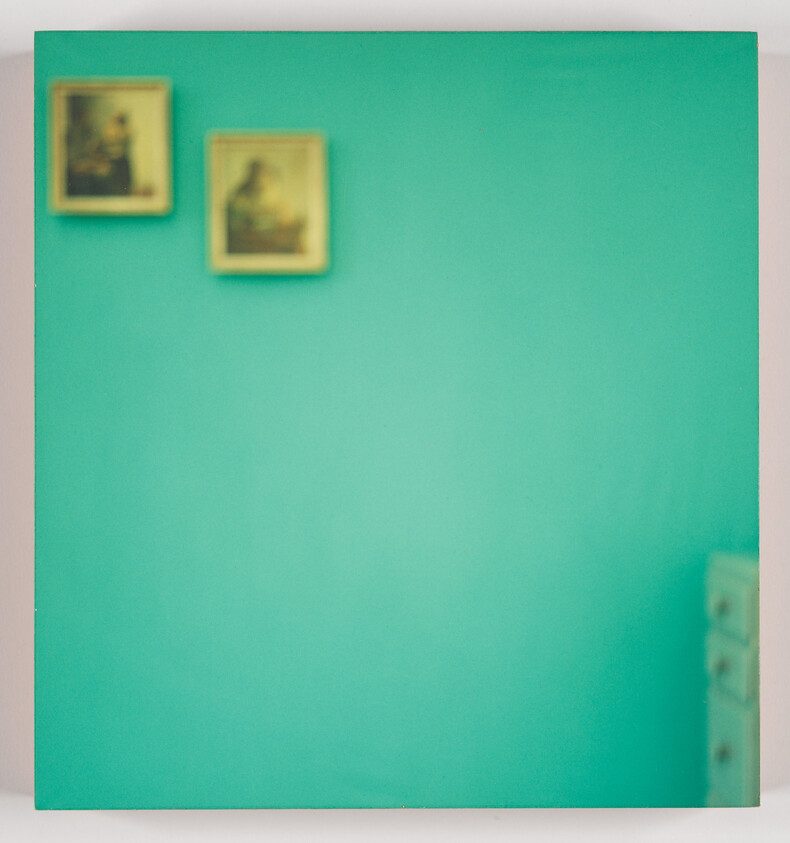
Uta Barth. Ground.
The camera focuses on nothing. Wall, frames, dresser all blur. What remains is the air of the room and the act of looking itself.
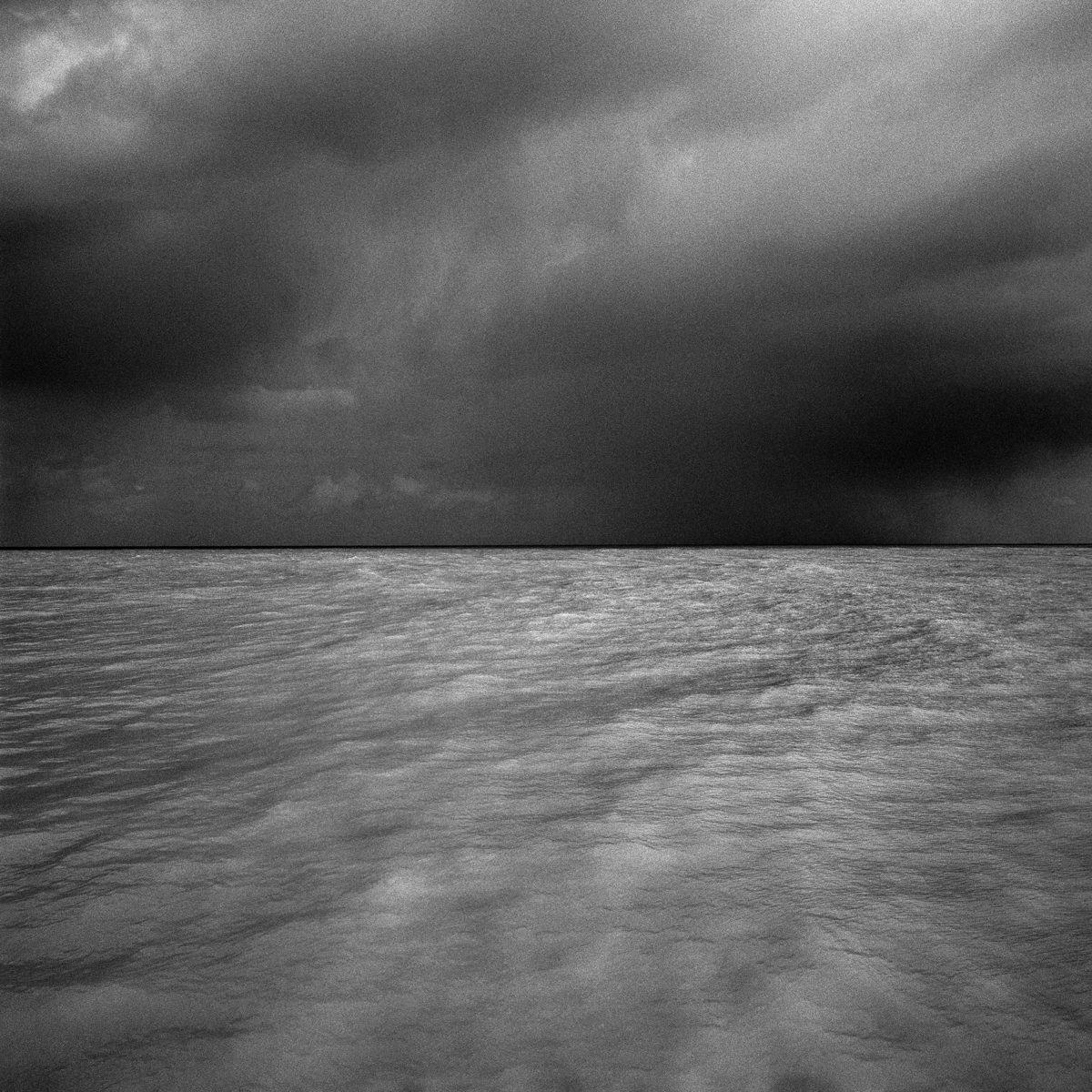
Mark Power. The Shipping Forecast.
Dover. Fastnet. German Bight. Names the British hear on the radio from childhood and few have seen. Mark Power went to each one.
Rineke Dijkstra. Beach Portraits.
A teenager, a swimsuit, sea and sky behind. Nowhere to hide. Dijkstra photographs a body that does not yet know how to stand.
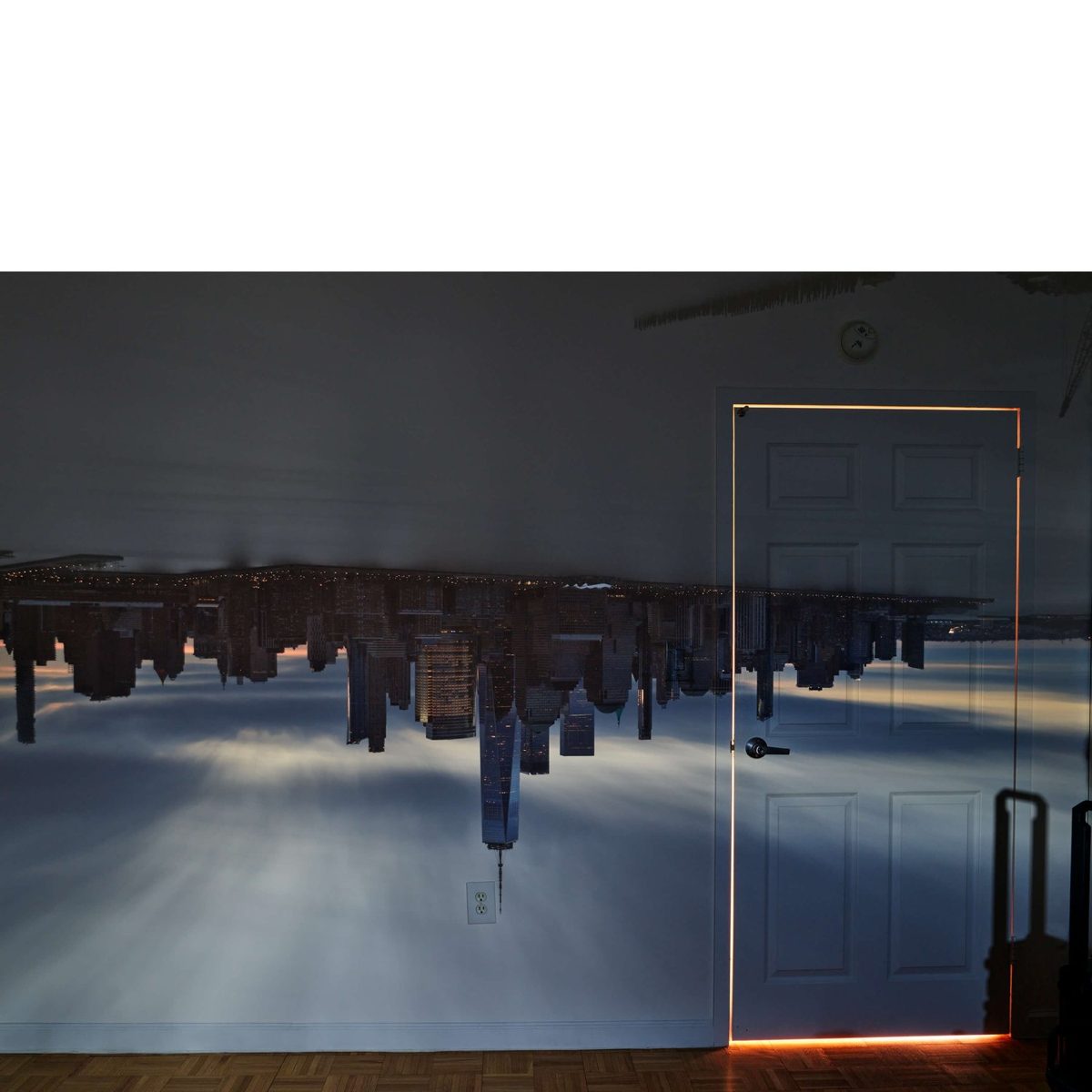
Abelardo Morell. Camera Obscura.
Manhattan lies upside down across the walls of an empty room. The outside comes in through a small hole.
Naoya Hatakeyama. Lime Works.
Lime and cement plants across Japan, photographed before full daylight. Every surface wears fine white dust. The city begins here.
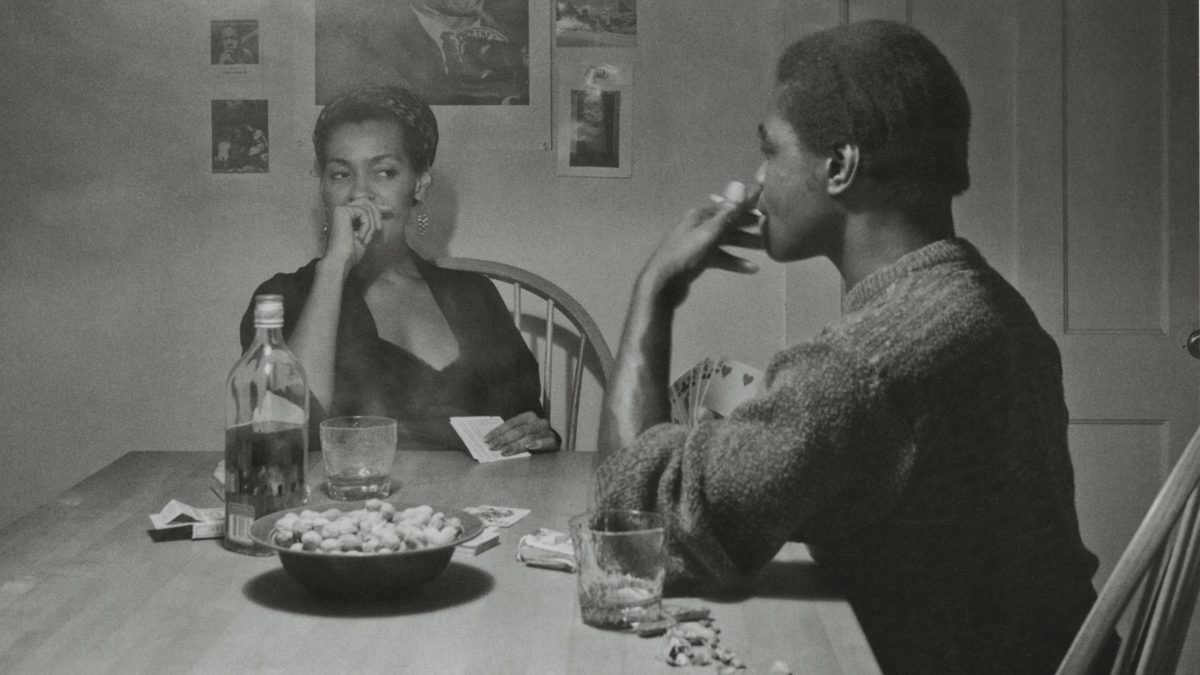
Carrie Mae Weems. Kitchen Table Series.
Same table, same lamp, same camera angle. Only people come and go. A kitchen table becomes the stage of a whole life.
Thomas Struth. Museum Photographs.
People before paintings, and people before photographs of people before paintings. Thomas Struth made museum going his subject.
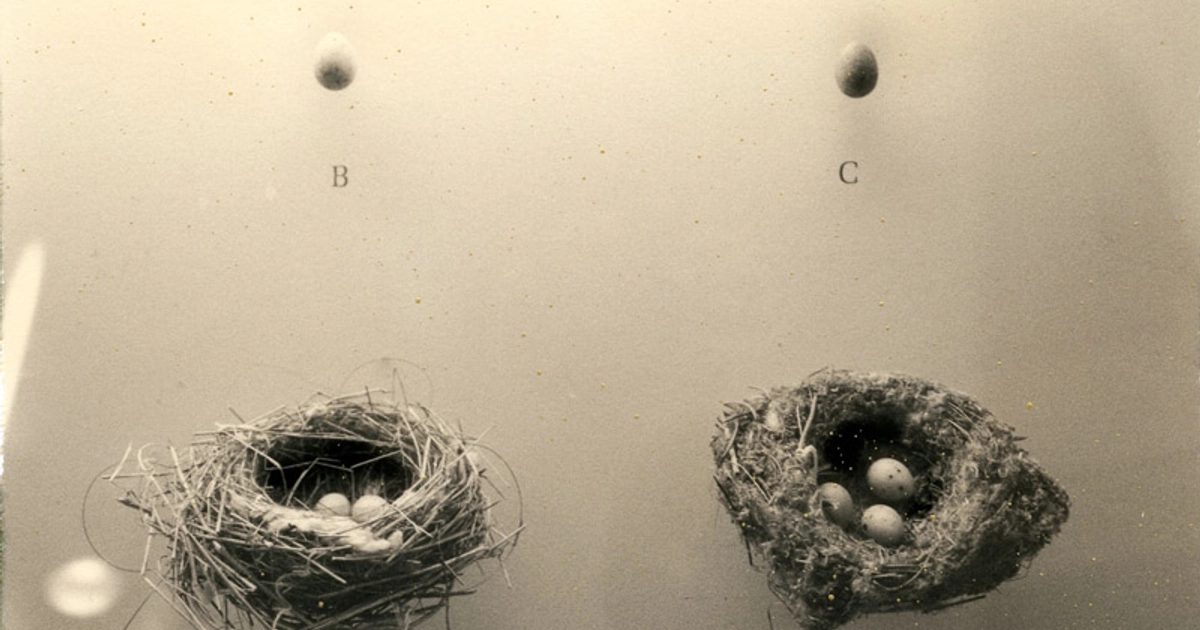
Masao Yamamoto. A Box of Ku.
Masao Yamamoto makes small prints, ages them, and places them in a box. Each one is an object. The whole box holds emptiness.
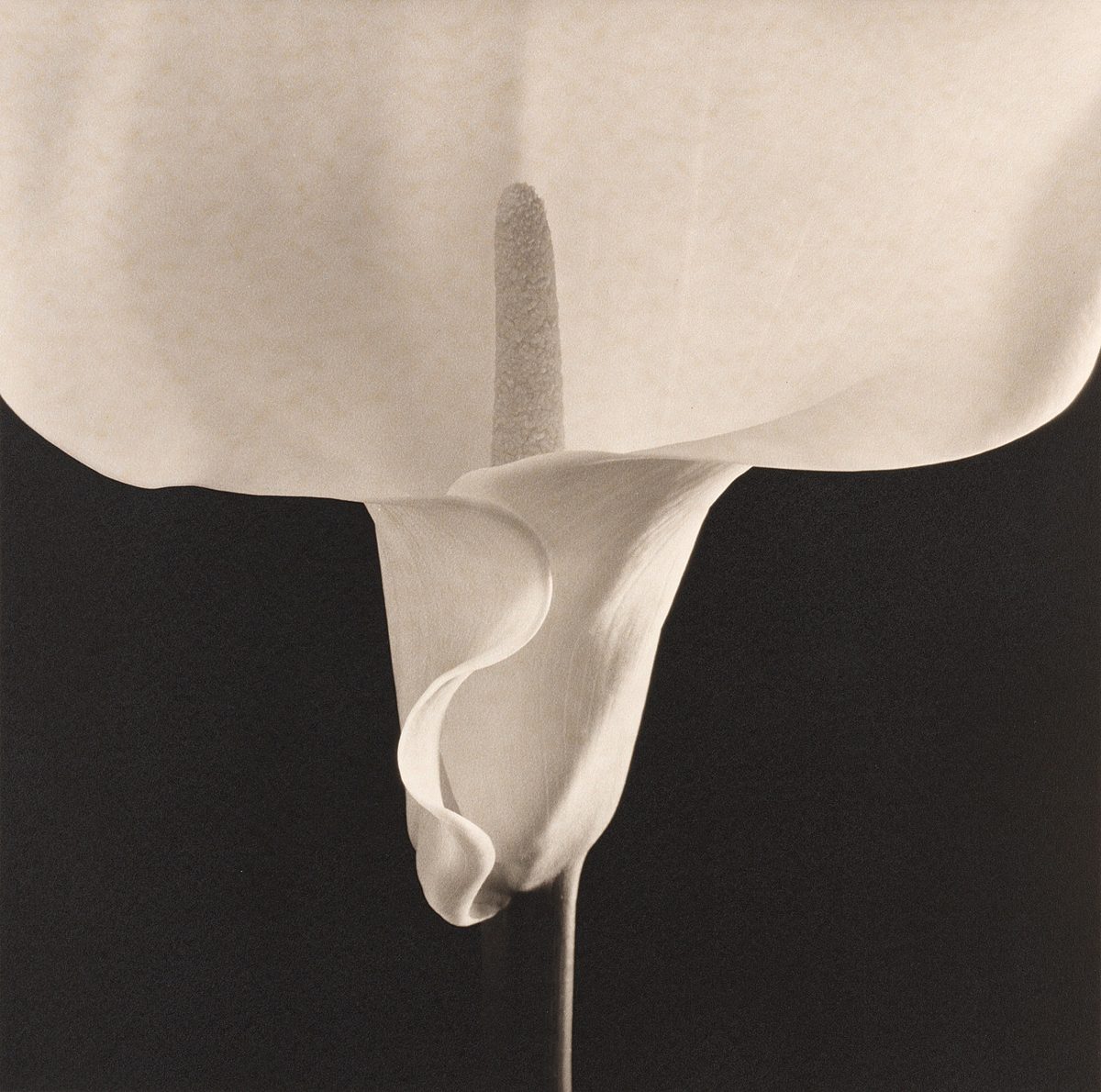
Robert Mapplethorpe. Calla Lily.
One stem, one rolled petal, one plain ground. Mapplethorpe photographed a calla lily the way one photographs a statue.
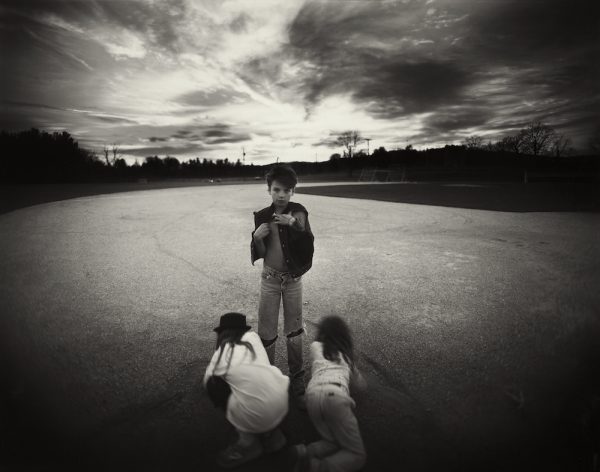
Sally Mann. Immediate Family.
Sally Mann photographed her three children for eight years at the family farm. The pictures are tender and unsettling, and they have never stopped being argued over.
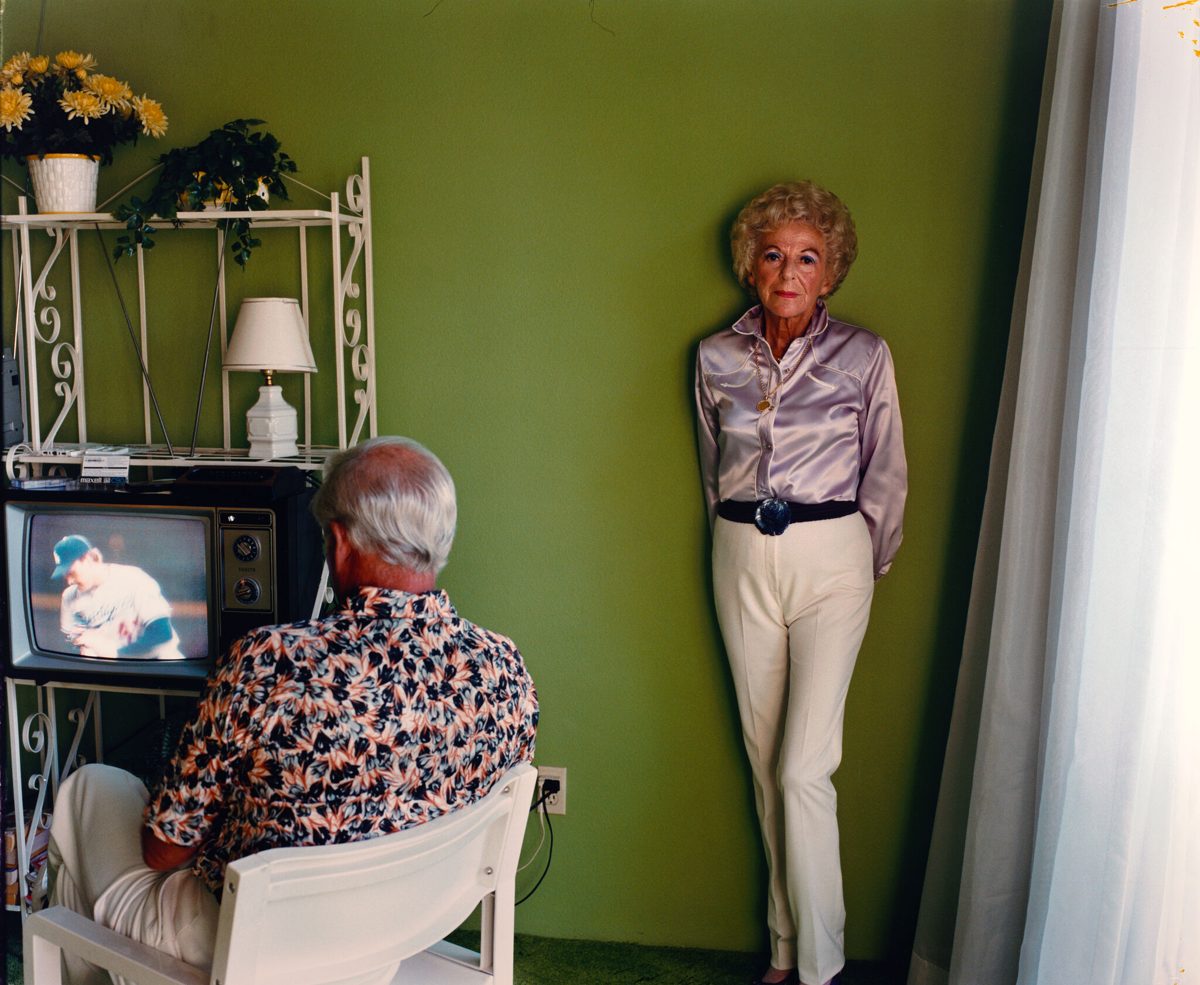
Larry Sultan. Pictures from Home.
A son comes home with a camera. His parents are both models and critics. How is family memory built?
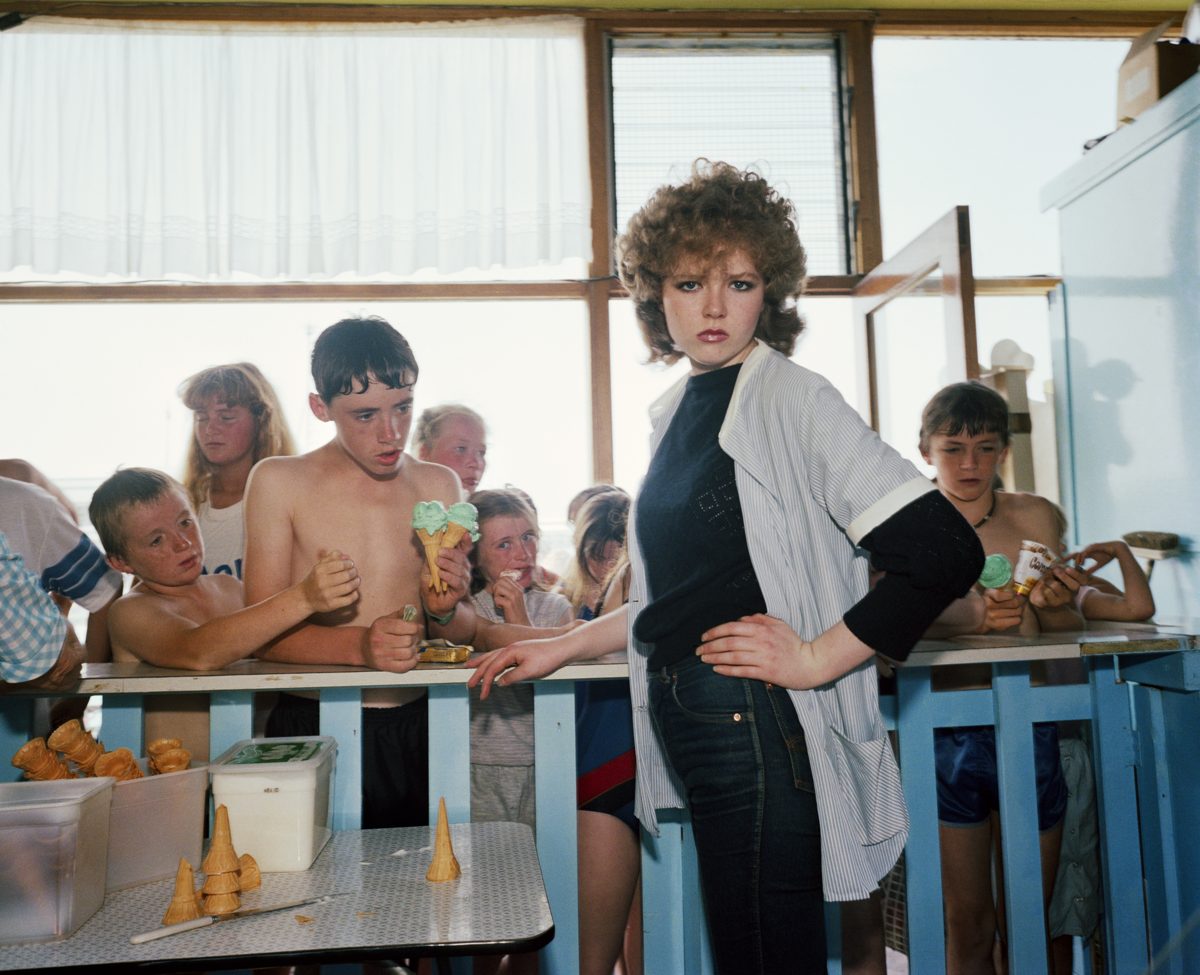
Martin Parr. The Last Resort.
Crying children, litter on the sand, sunbathers stretched out on concrete. Martin Parr photographed a seaside resort in loud colour and direct flash.
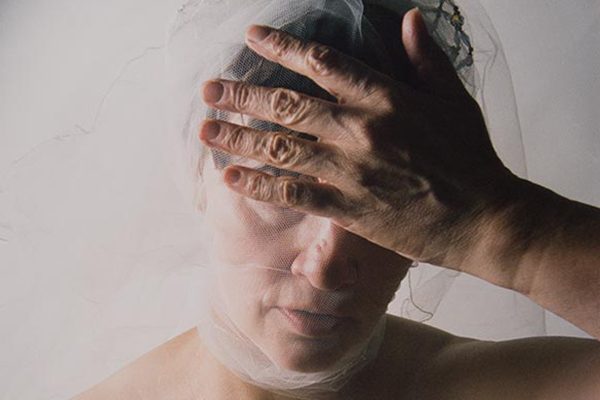
Jo Spence. The Picture of Health?
A woman walks into hospital carrying a camera. Jo Spence photographed her own body to ask again: who gets to look, and who gets to tell.
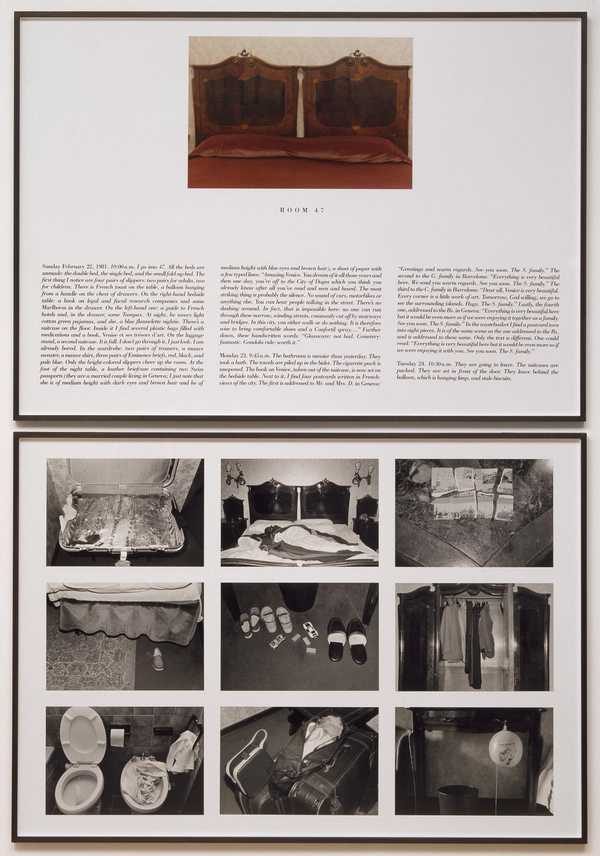
Sophie Calle. The Hotel.
An unmade bed, perfume by the basin, a letter in a suitcase. The guest has gone out. The belongings stay.
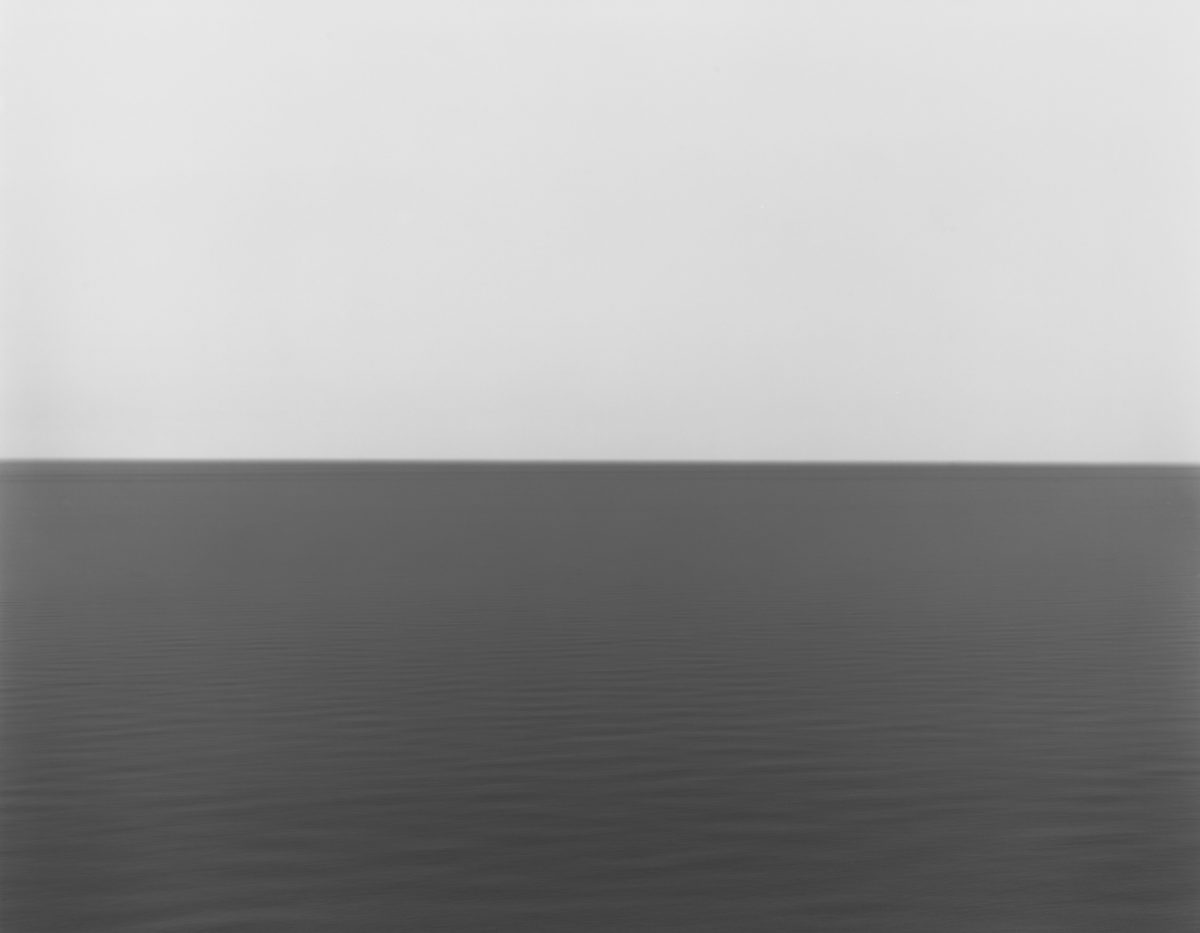
Hiroshi Sugimoto. Seascapes.
One horizon, sky above, sea below. Sugimoto has repeated that frame around the world for four decades.
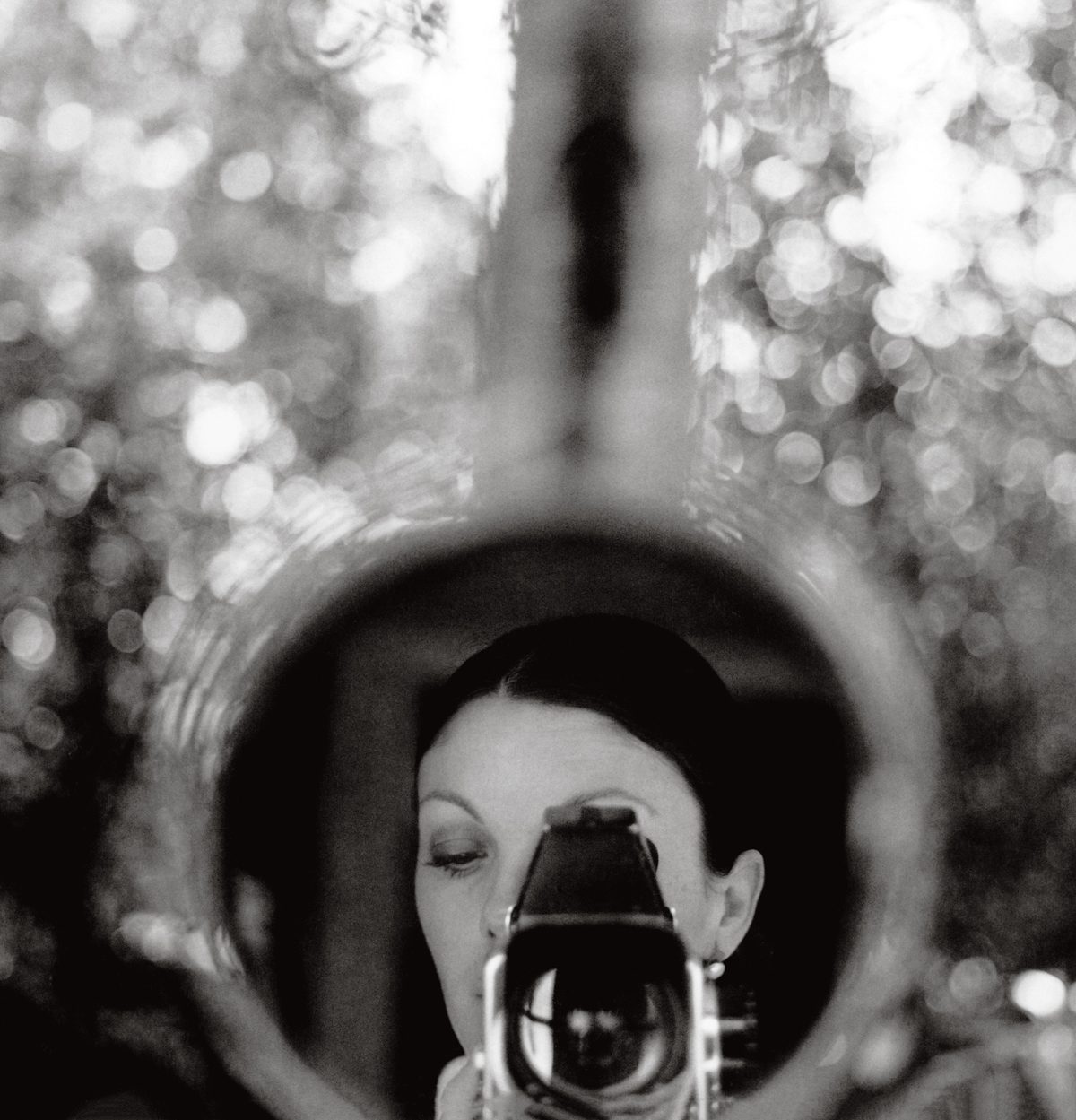
Graciela Iturbide. Juchitán de las Mujeres.
A woman crowned with live iguanas. Graciela Iturbide photographed Juchitán through the women who keep its rhythm.
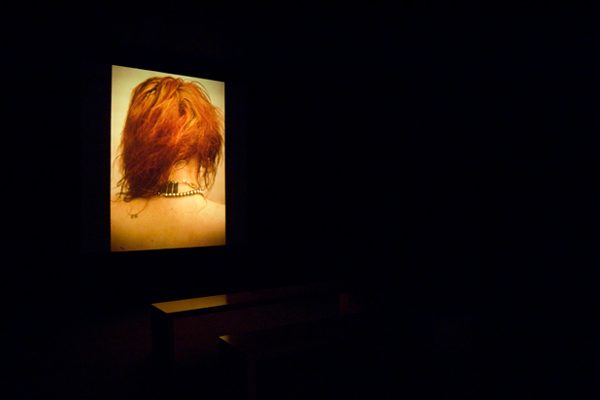
Nan Goldin. The Ballad of Sexual Dependency.
Rooms, bars, beds, familiar faces. Each picture holds for a few seconds, then gives way, following the music.
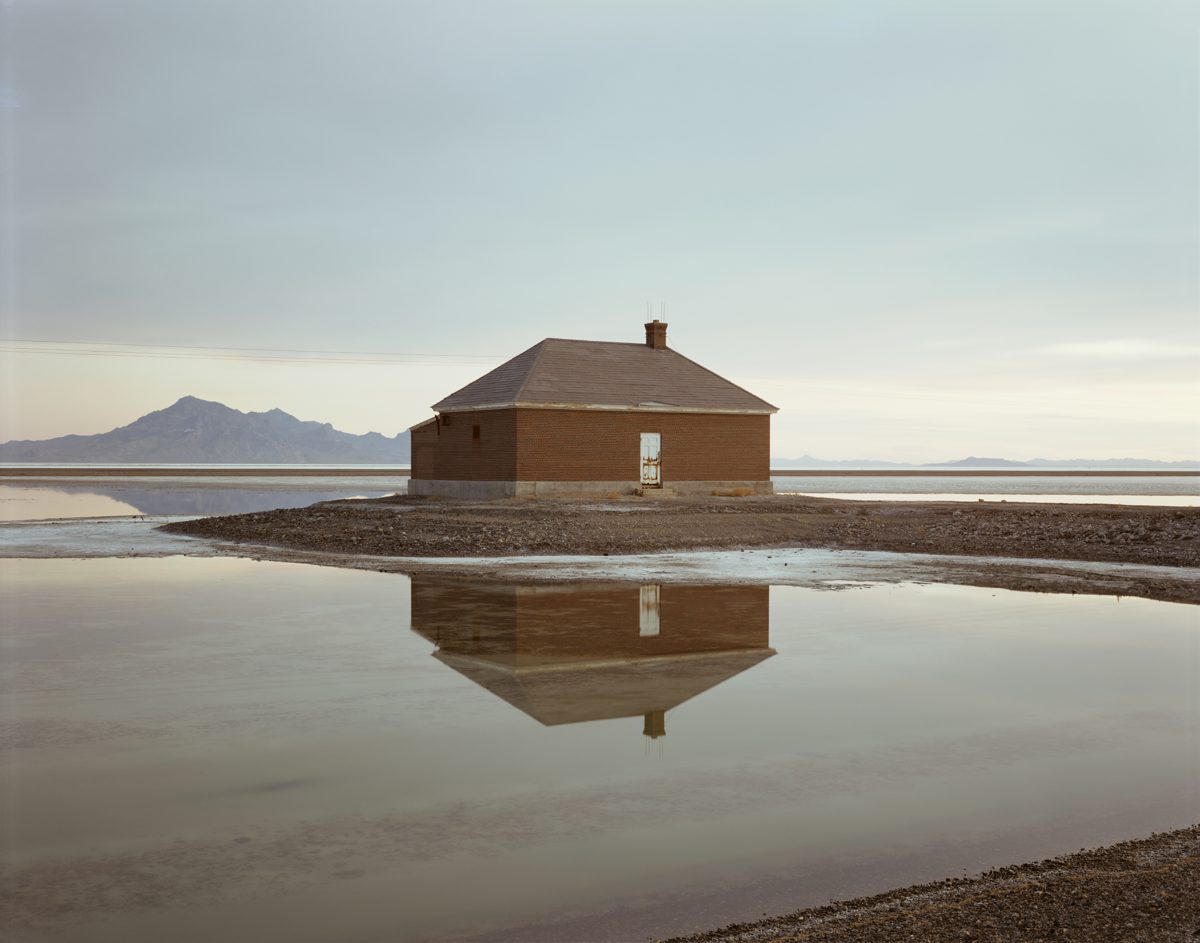
Richard Misrach. Desert Cantos.
The desert looks empty. Look closer and it is not. Misrach has spent over forty years photographing what people leave on dry land.
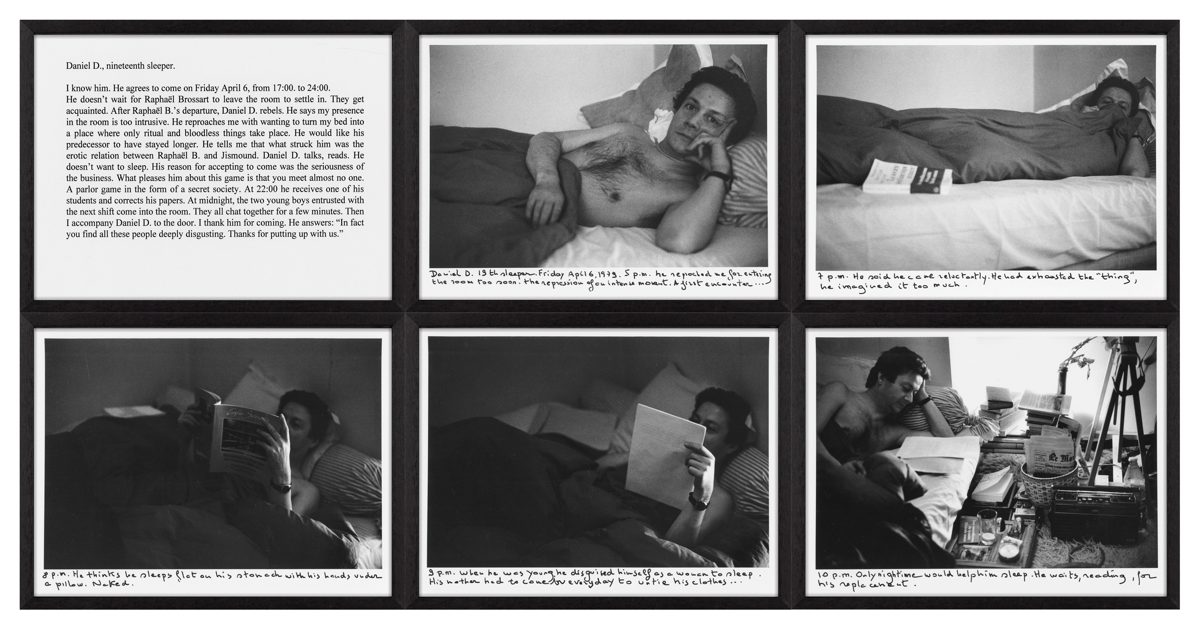
Sophie Calle. The Sleepers.
Eight days, twenty seven people, a bed never empty. Sophie Calle sat nearby, took a photograph every hour, and watched strangers sleep.
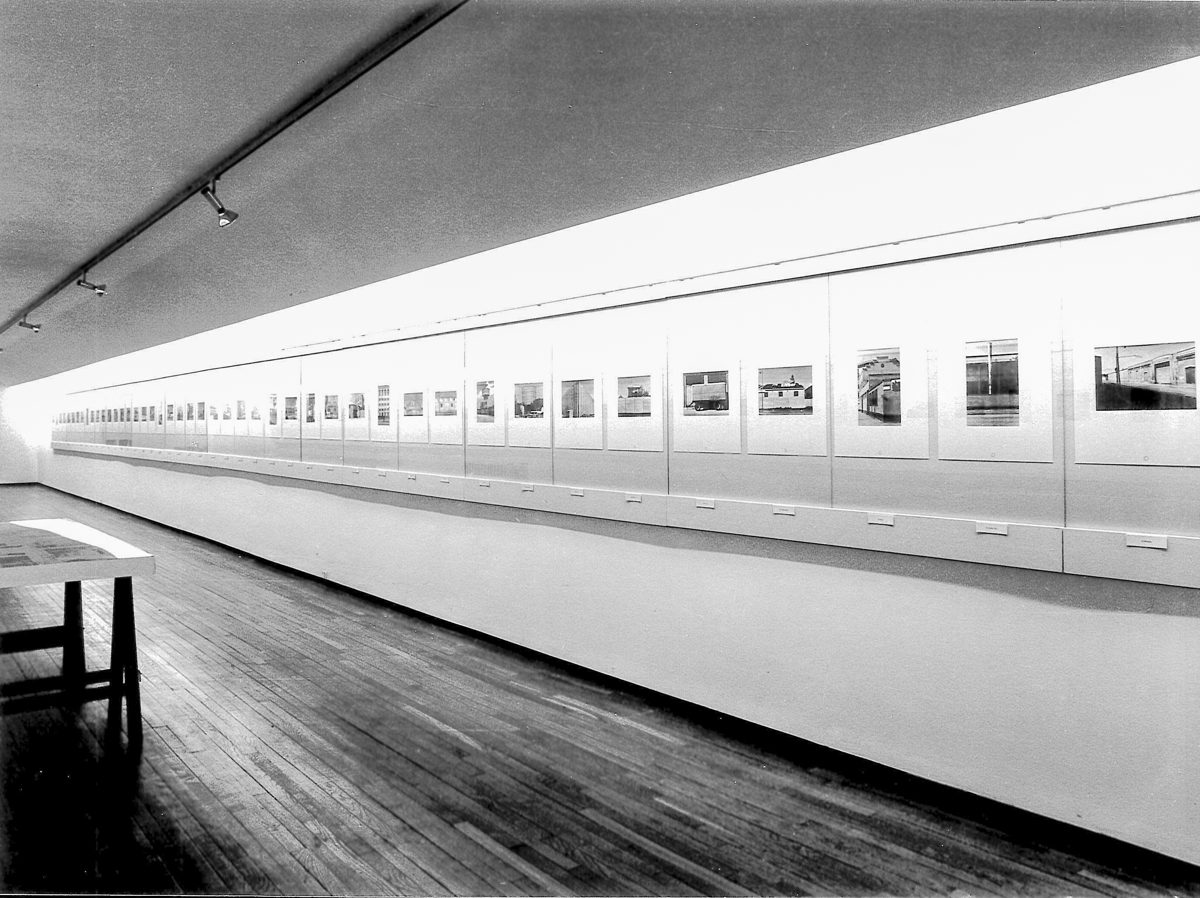
Gabriele Basilico. Milano. Ritratti di fabbriche.
Empty holidays, hard sun, sharp shadows. Gabriele Basilico crossed the industrial districts of Milan and photographed each factory like a face.
Joel Sternfeld. American Prospects.
A house on fire, a firefighter choosing a pumpkin at a roadside stand. Sternfeld staged nothing. He stood far enough back to see both.
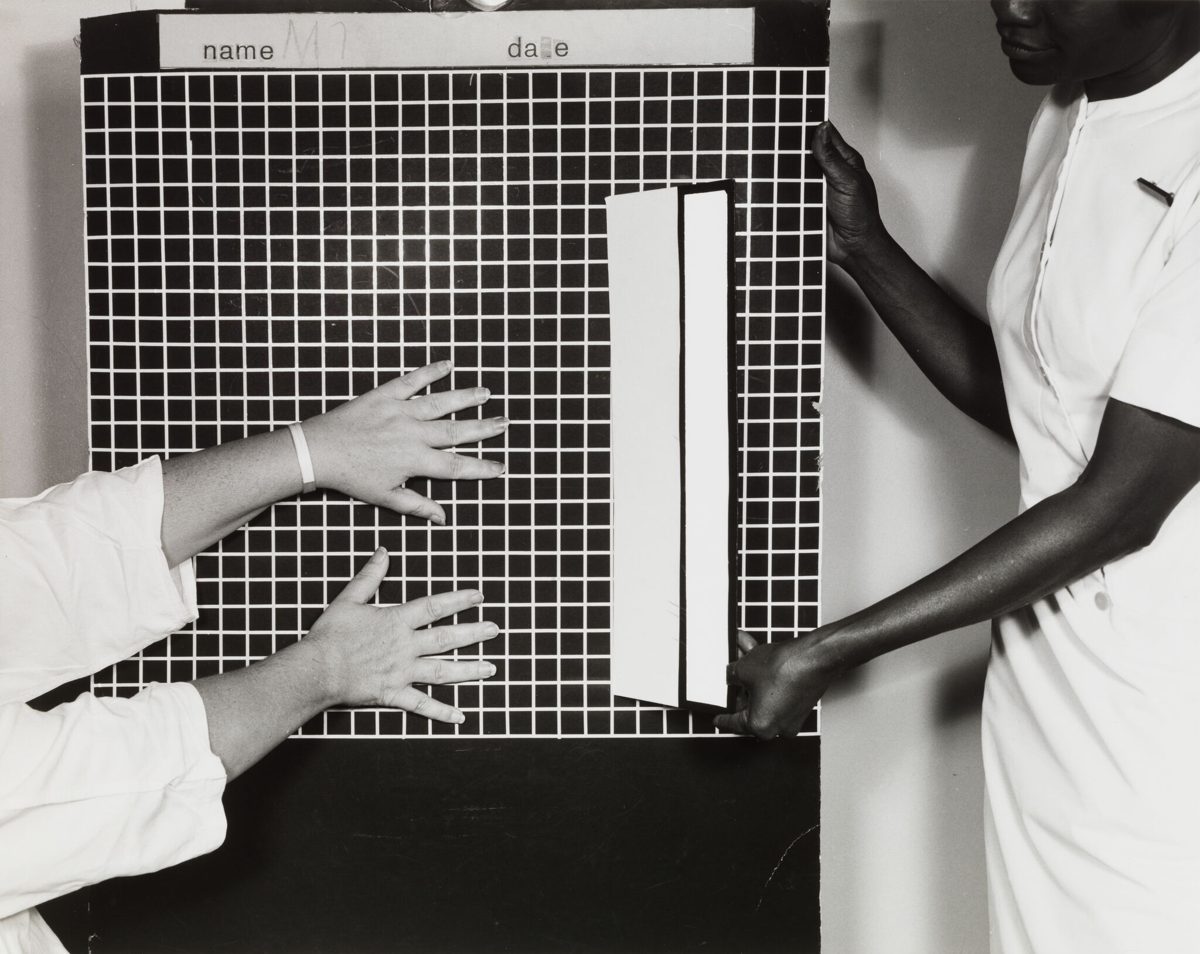
Mike Mandel and Larry Sultan. Evidence.
Fifty nine archive photographs, not one caption. Objective evidence turns into a riddle.
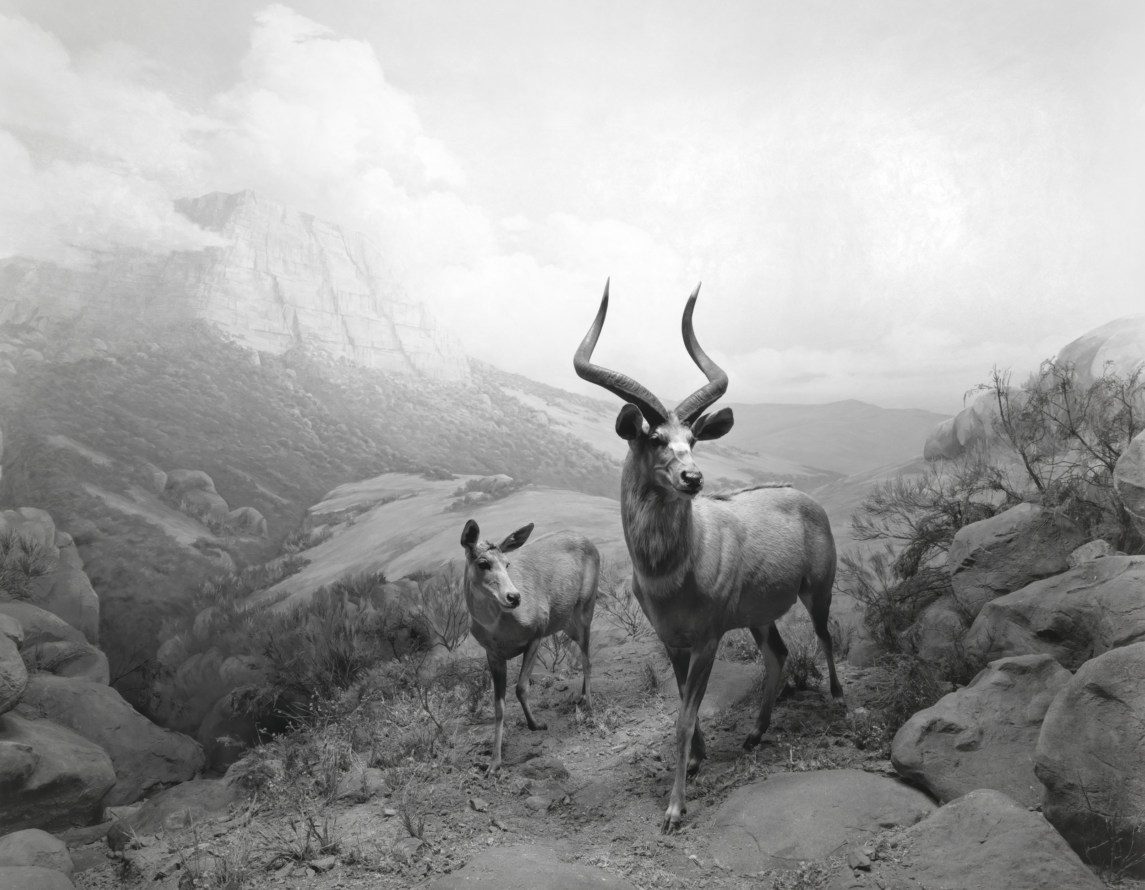
Hiroshi Sugimoto. Dioramas.
A stuffed animal, a painted sky, artificial grass. Through Sugimoto's lens they become a living moment in the wild.
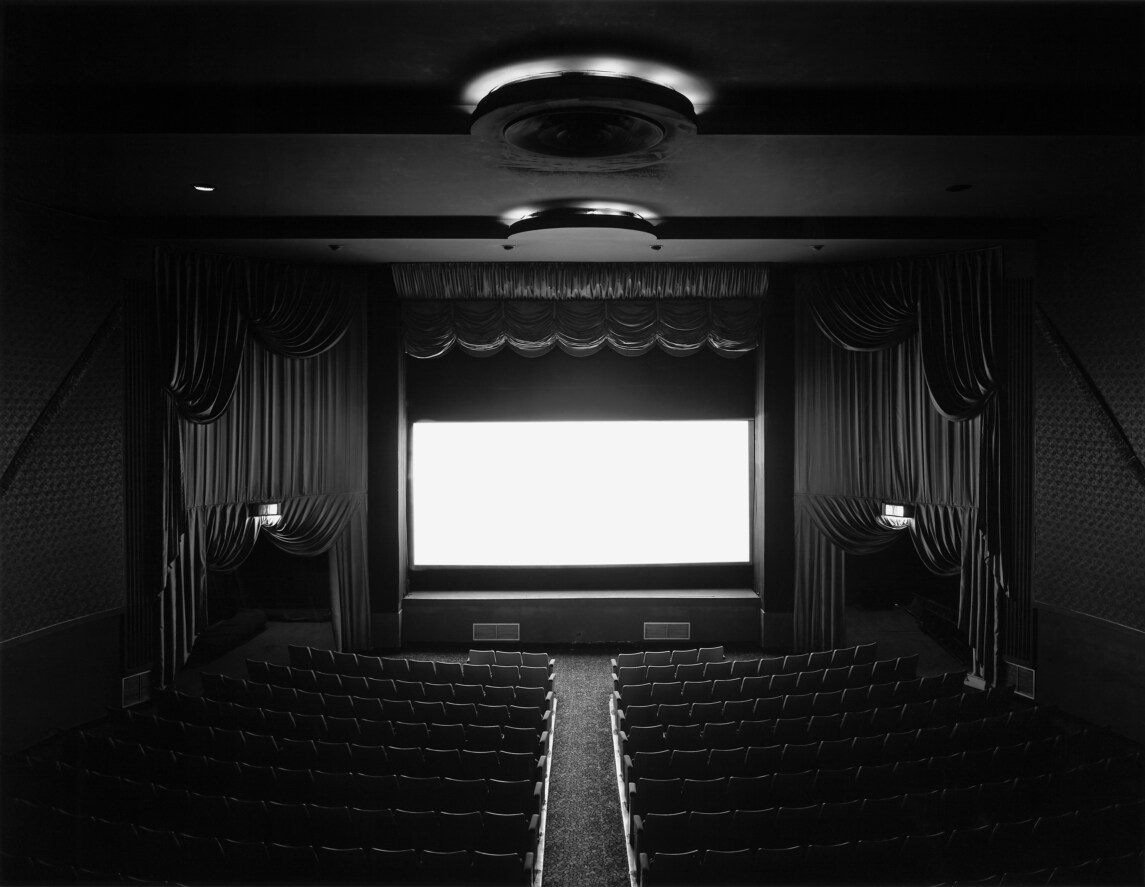
Hiroshi Sugimoto. Theaters.
Two hours of film, one exposure. Every image adds up to a white block of light, and the room around it emerges from that same light.
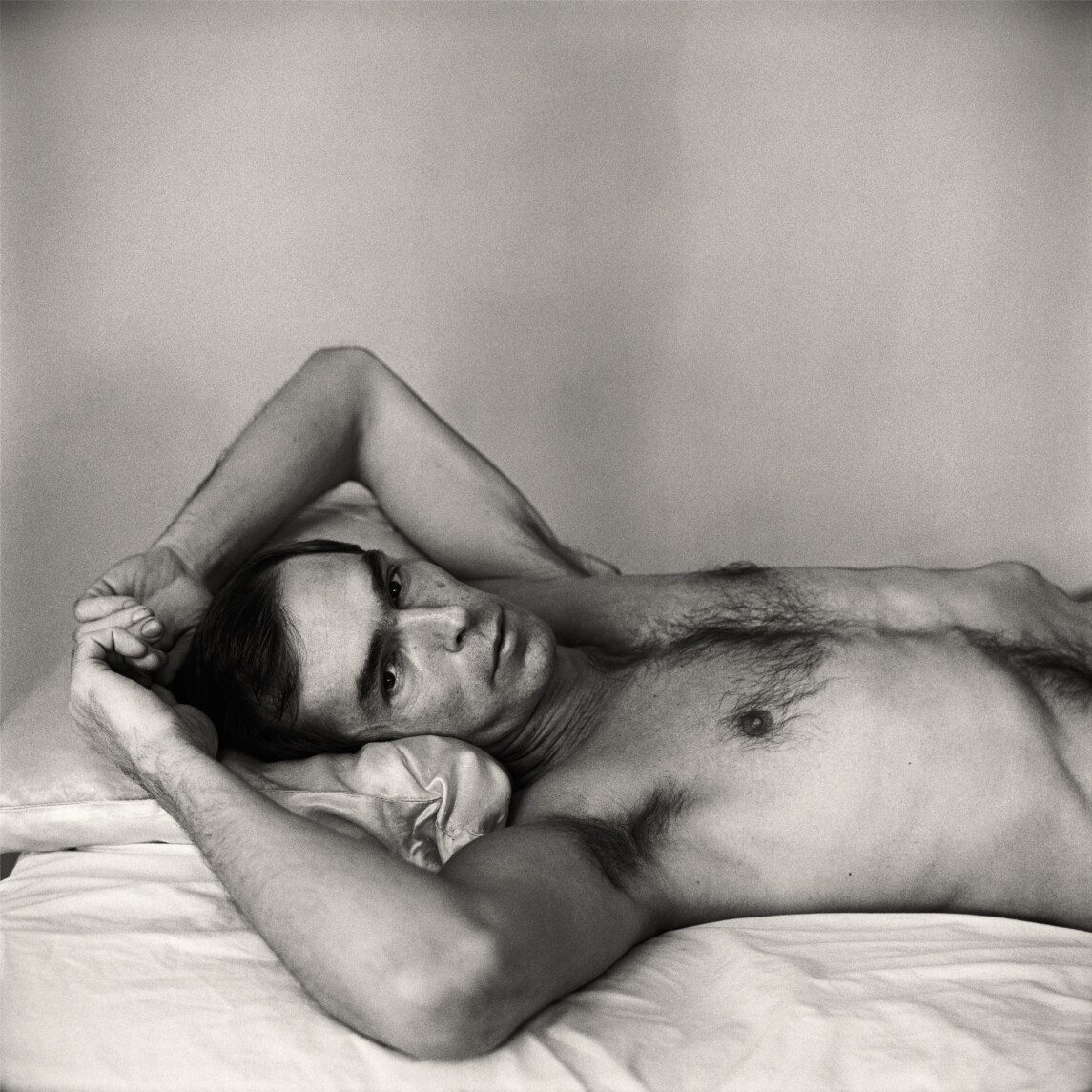
Peter Hujar. Portraits in Life and Death.
Twenty nine friends lying at rest before the camera. After them, the mummies of Palermo. The only book Peter Hujar made in his lifetime.
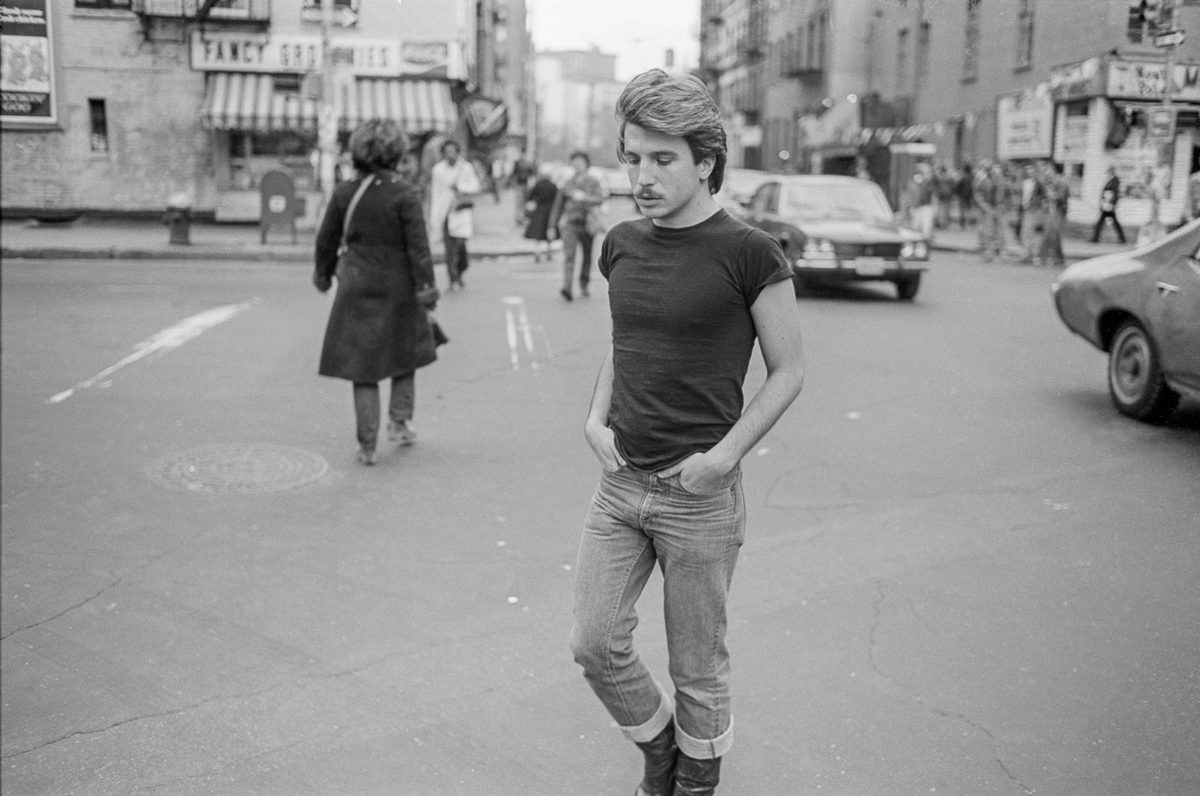
Sunil Gupta. Christopher Street.
Sixty pictures made on one New York street in 1976. Men standing, walking, looking at each other in daylight. A street recorded before it changed.
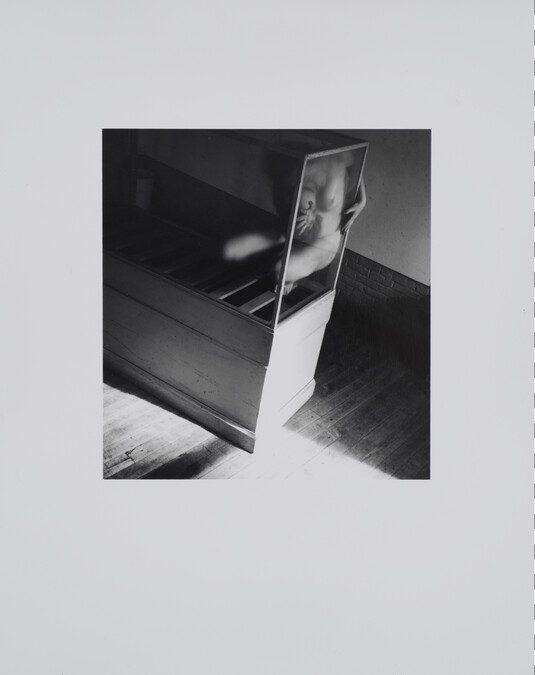
Francesca Woodman. Space².
A photography student climbs into a museum vitrine and opens the shutter. The body blurs. The room stays sharp.
Masahisa Fukase. Karasu.
Seven years of ravens. Dark prints, coarse grain, snow and black wings. Masahisa Fukase called it a series about himself.
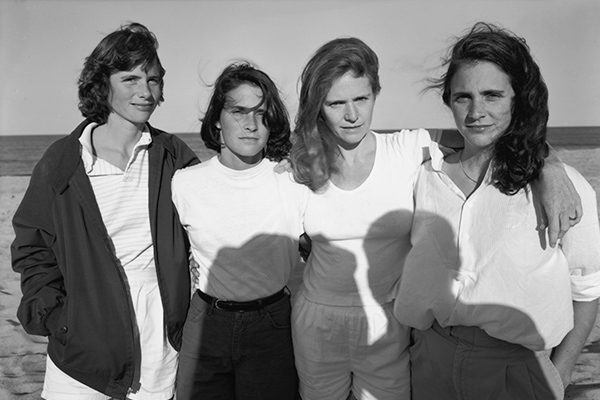
Nicholas Nixon. The Brown Sisters.
Four sisters, one unchanging order, one picture a year. Over more than forty years, the only thing that changes is time on their faces.
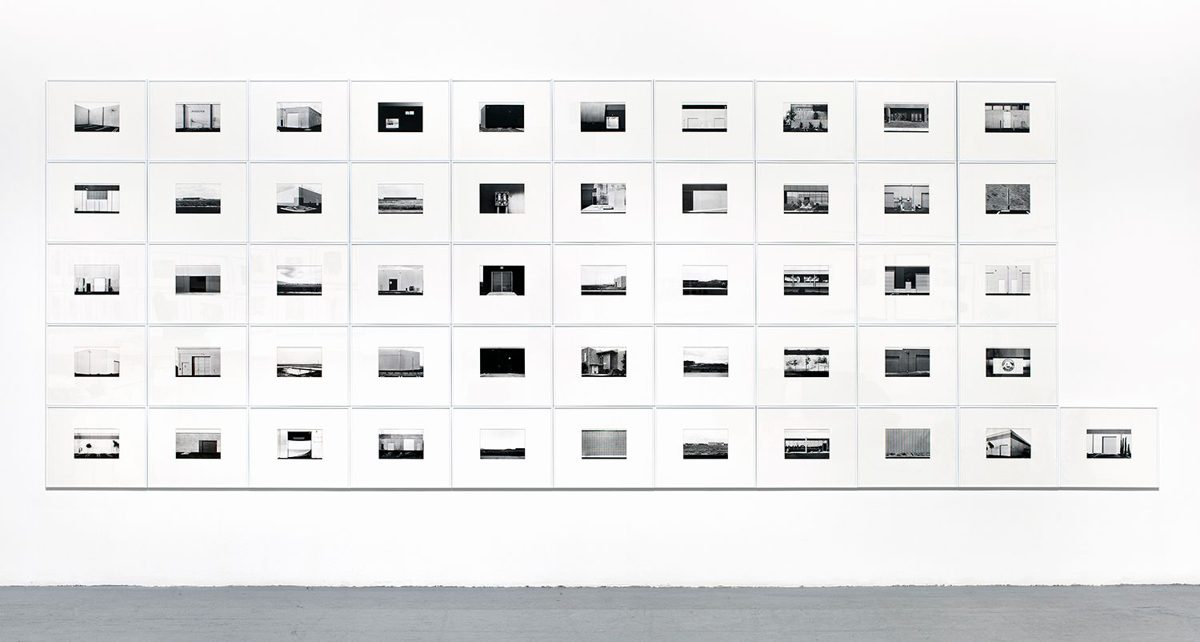
Lewis Baltz. The New Industrial Parks near Irvine, California.
Factory facades shot head on, no people, no dramatic shadow. Nothing to look at, which is exactly why one must look closely.
Robert Adams. The New West.
No grand canyons, no red sunsets. Only roofs, power poles, graded roads, and the mountains still standing behind. The West as it is.
Chris Killip. In Flagrante.
Coal gatherers on the beach, a fishing village beneath cliffs, streets after the works closed. Chris Killip photographed North East England for over a decade.
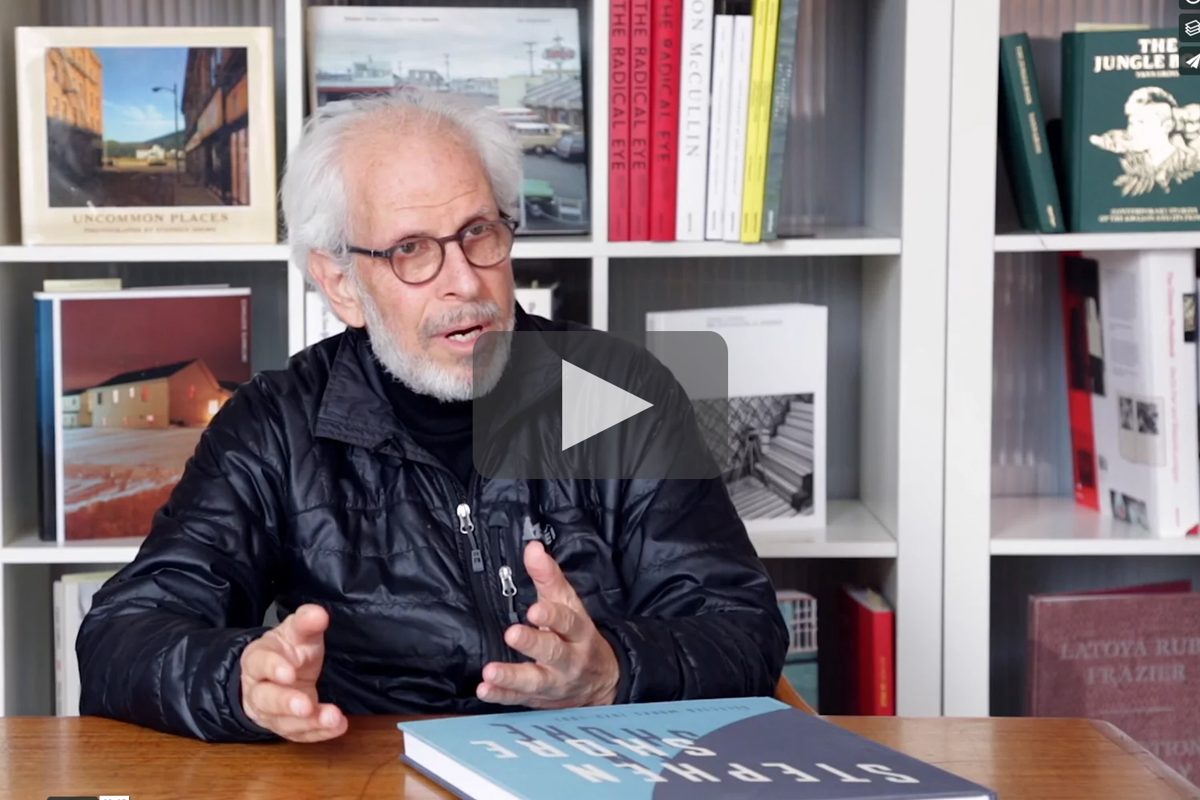
Stephen Shore. Uncommon Places.
An intersection in Los Angeles. Breakfast on a diner table. A motel room. Nothing special, photographed with the greatest precision.
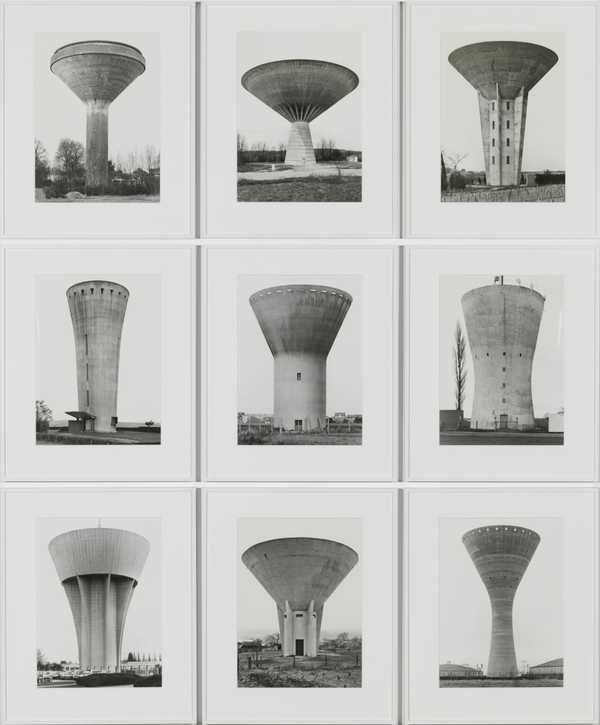
Bernd Becher and Hilla Becher. Water Towers.
Nine water towers, the same angle, the same grey light, side by side. Look long enough and you begin to see how each one differs.
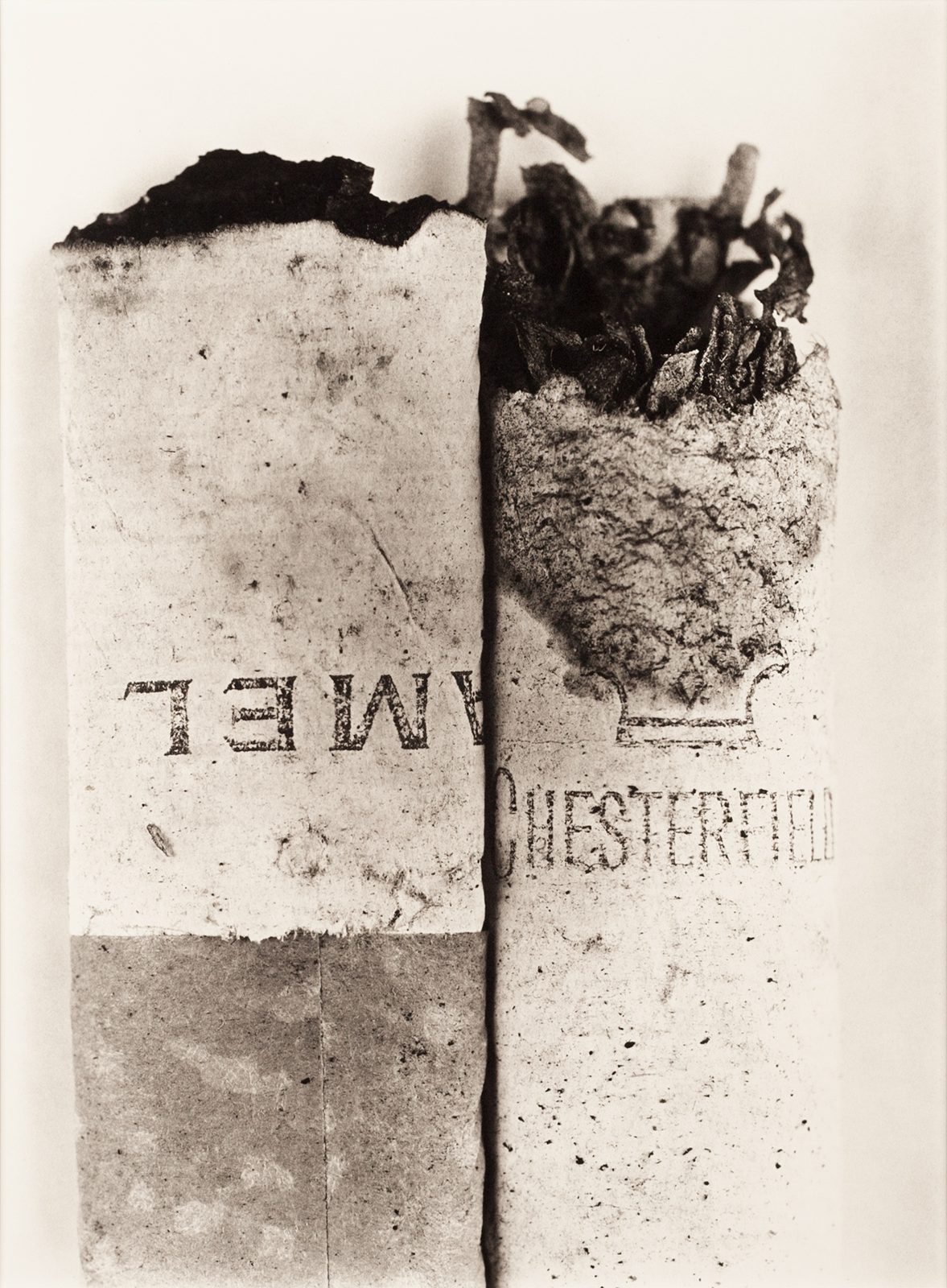
Irving Penn. Cigarettes.
Flattened, half burnt cigarette ends from New York pavements. Penn photographed them as large as sculpture and printed them in precious metal.
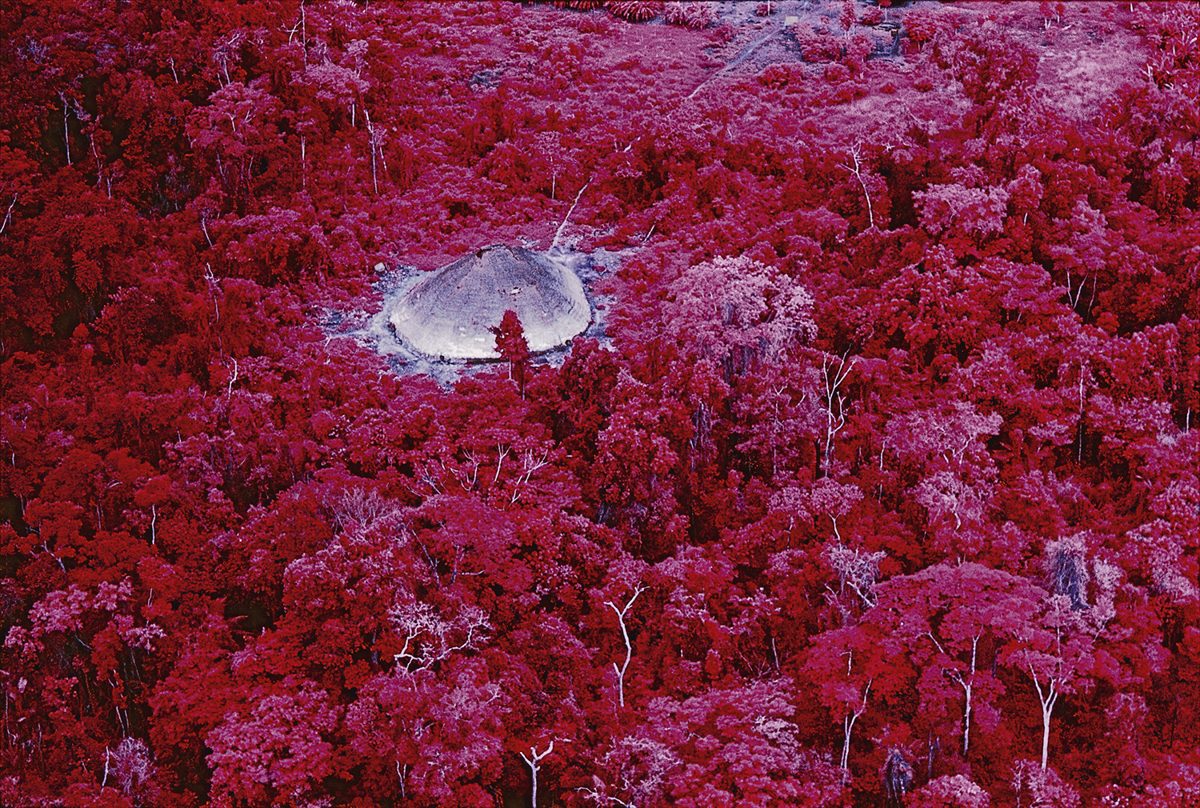
Claudia Andujar. The Yanomami.
Vaseline on the lens, an oil lamp, infrared film. Claudia Andujar sought to photograph the unseen: the dreams and spirit world of the Yanomami.
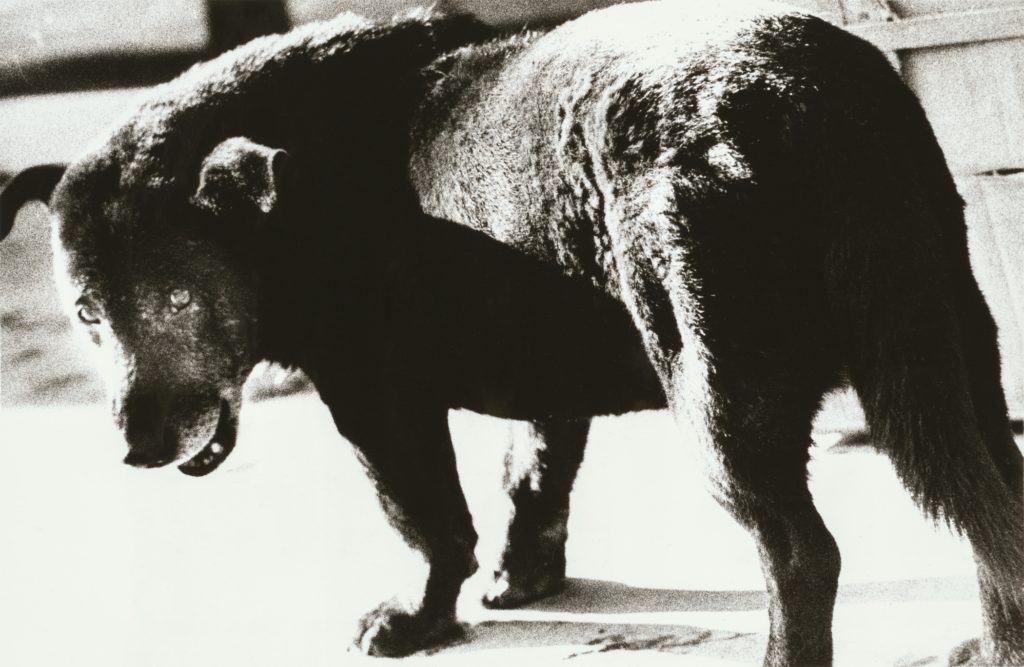
Daido Moriyama. Stray Dog, Misawa.
Matted fur, wary eyes, standing in the road and looking back. One morning in 1971 Moriyama met that dog and saw himself.
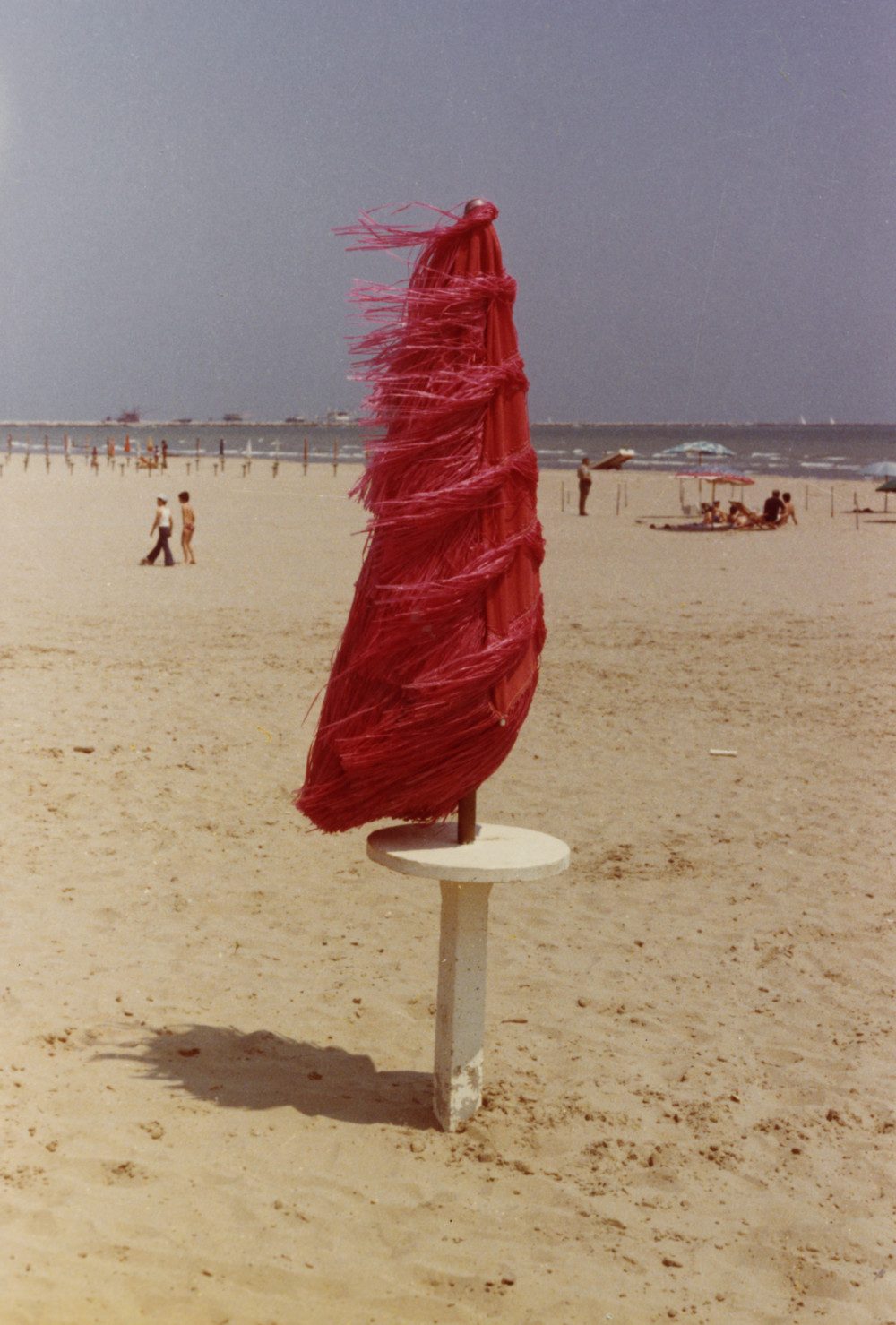
Luigi Ghirri. Kodachrome.
A poster covers half the sky. A map stands in for a landscape. Ghirri photographs the layers of images we live among without noticing.
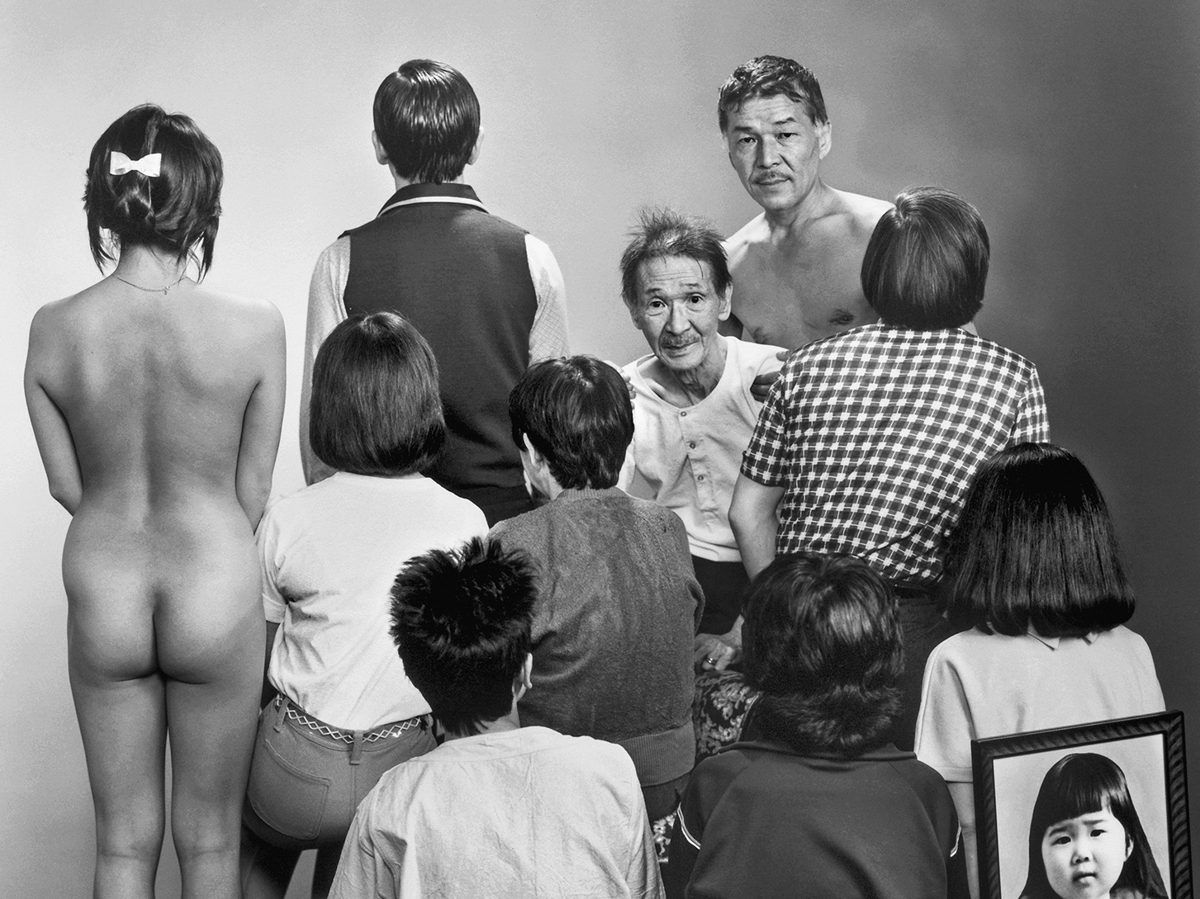
Masahisa Fukase. Family.
Masahisa Fukase photographed his family in his father's studio, year after year, until no one was left to stand before the backdrop.
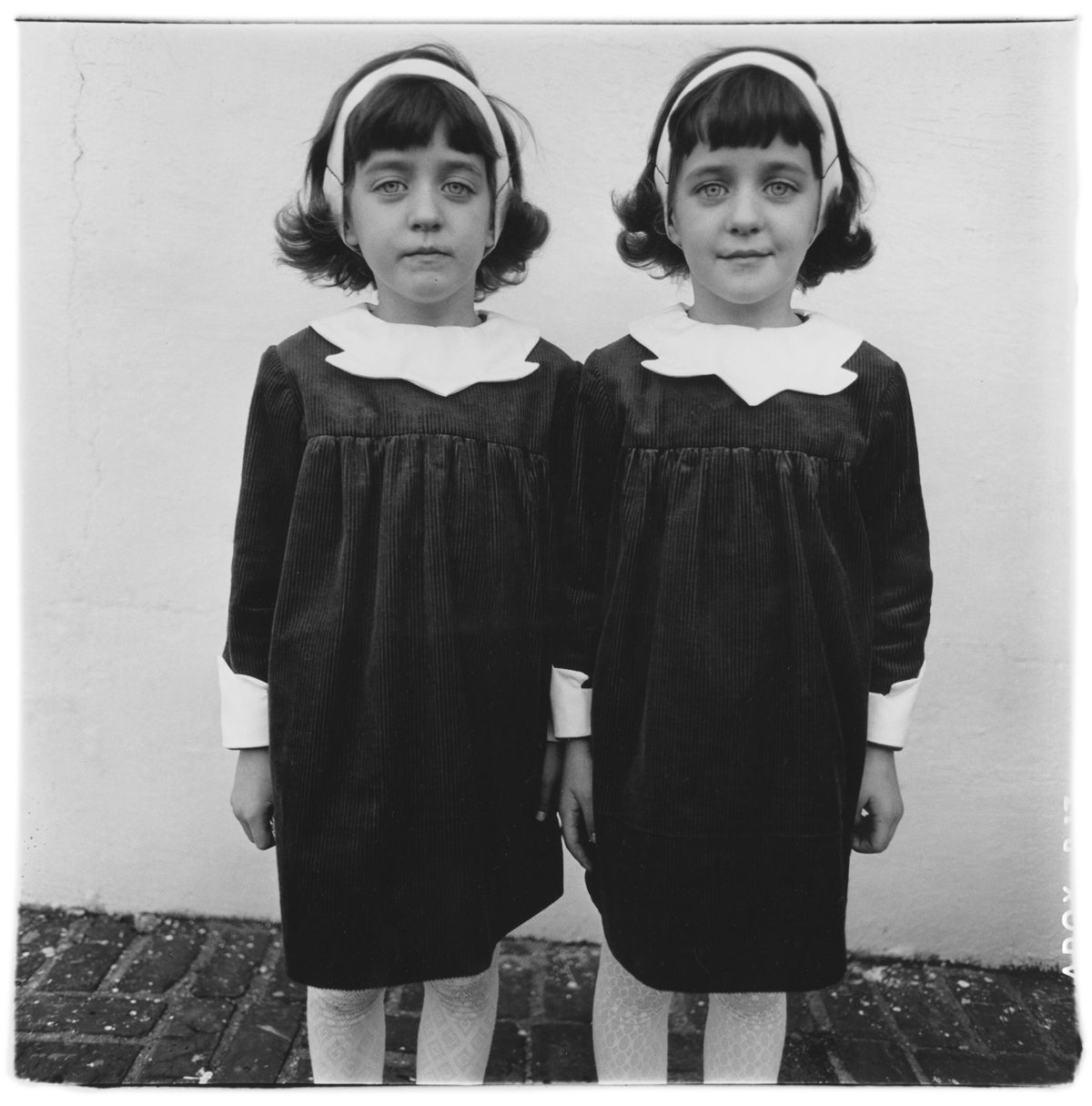
Diane Arbus. A box of ten photographs.
Ten photographs, a clear box, fifty sets planned and only four sold in her lifetime. Arbus chose what deserved to be kept.
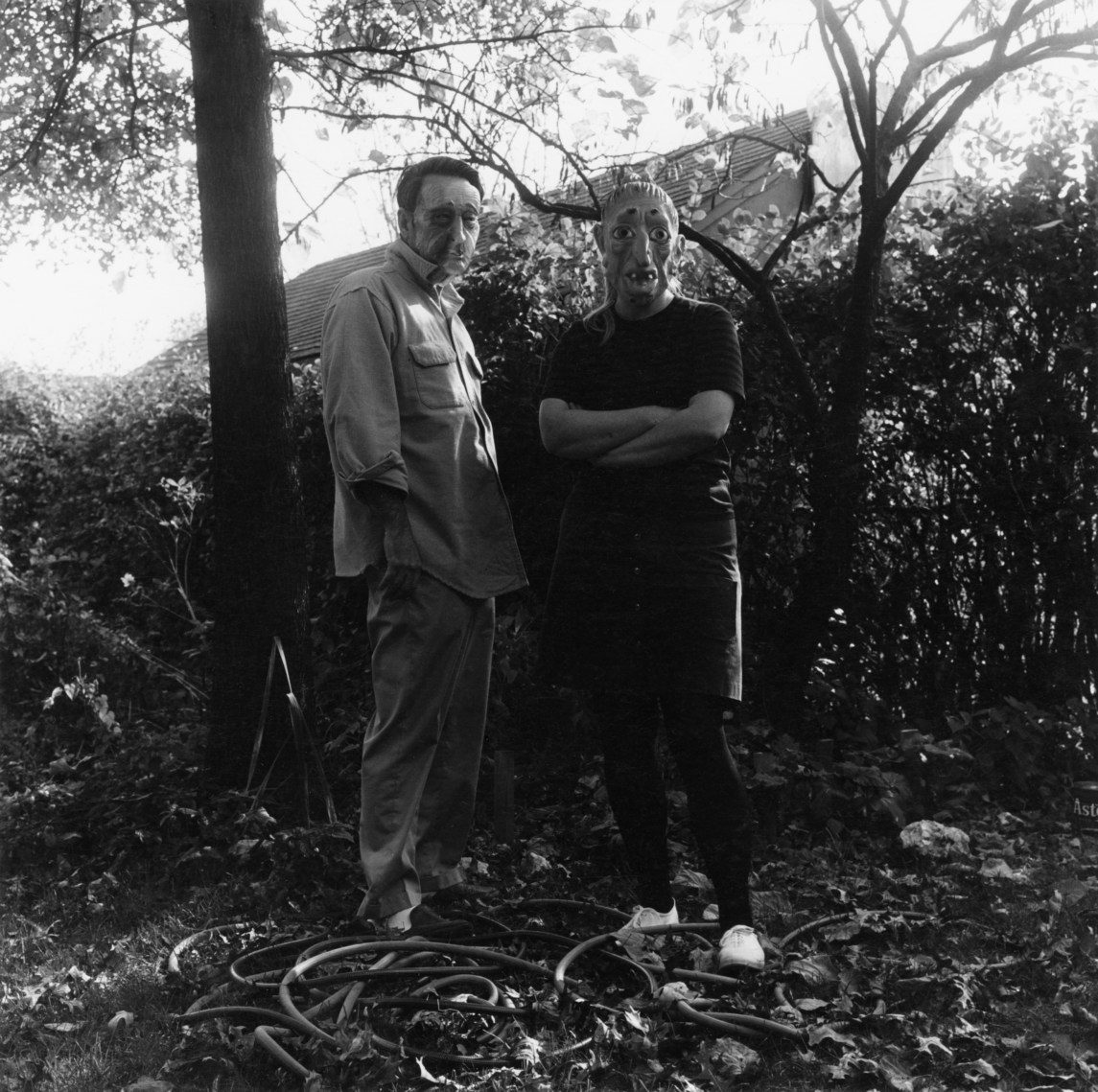
Ralph Eugene Meatyard. The Family Album of Lucybelle Crater.
A family album where everyone wears a mask and shares one name. Meatyard asks how we recognise the people closest to us.
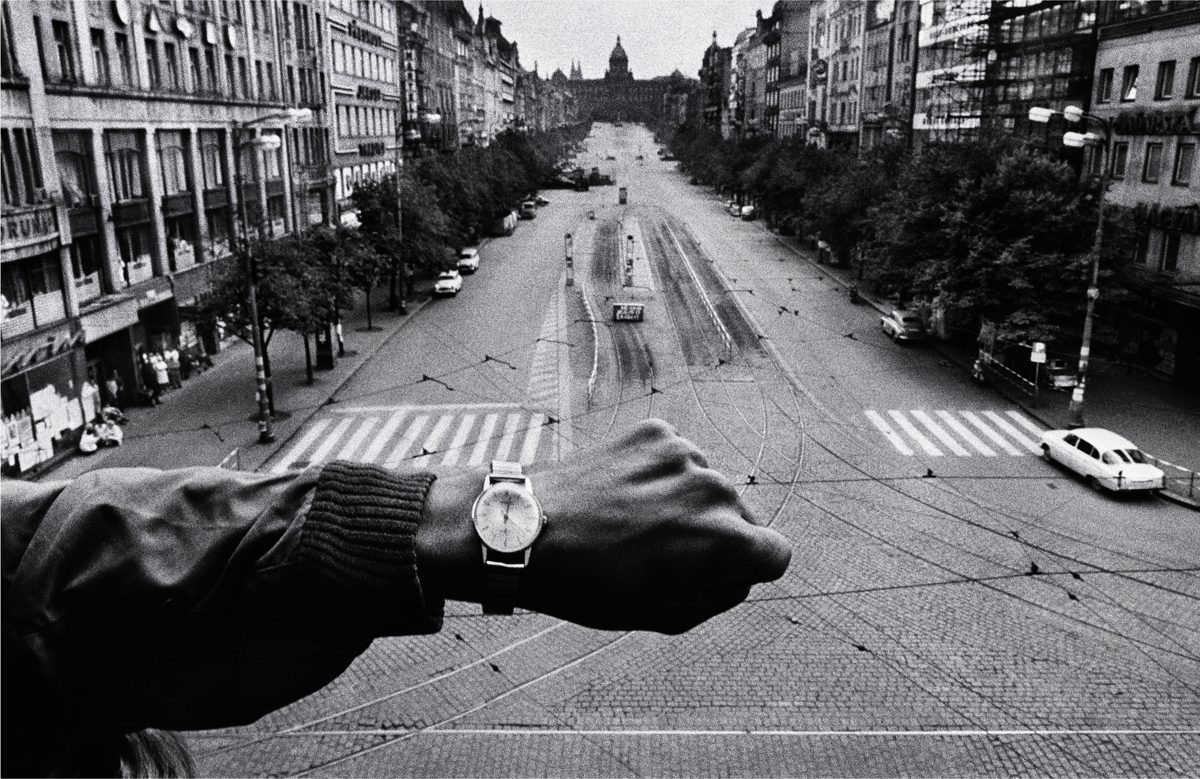
Josef Koudelka. Exiles.
A sleeping bag, a pair of shoes, a camera. Fifteen years without a home. Exiles is what remains.
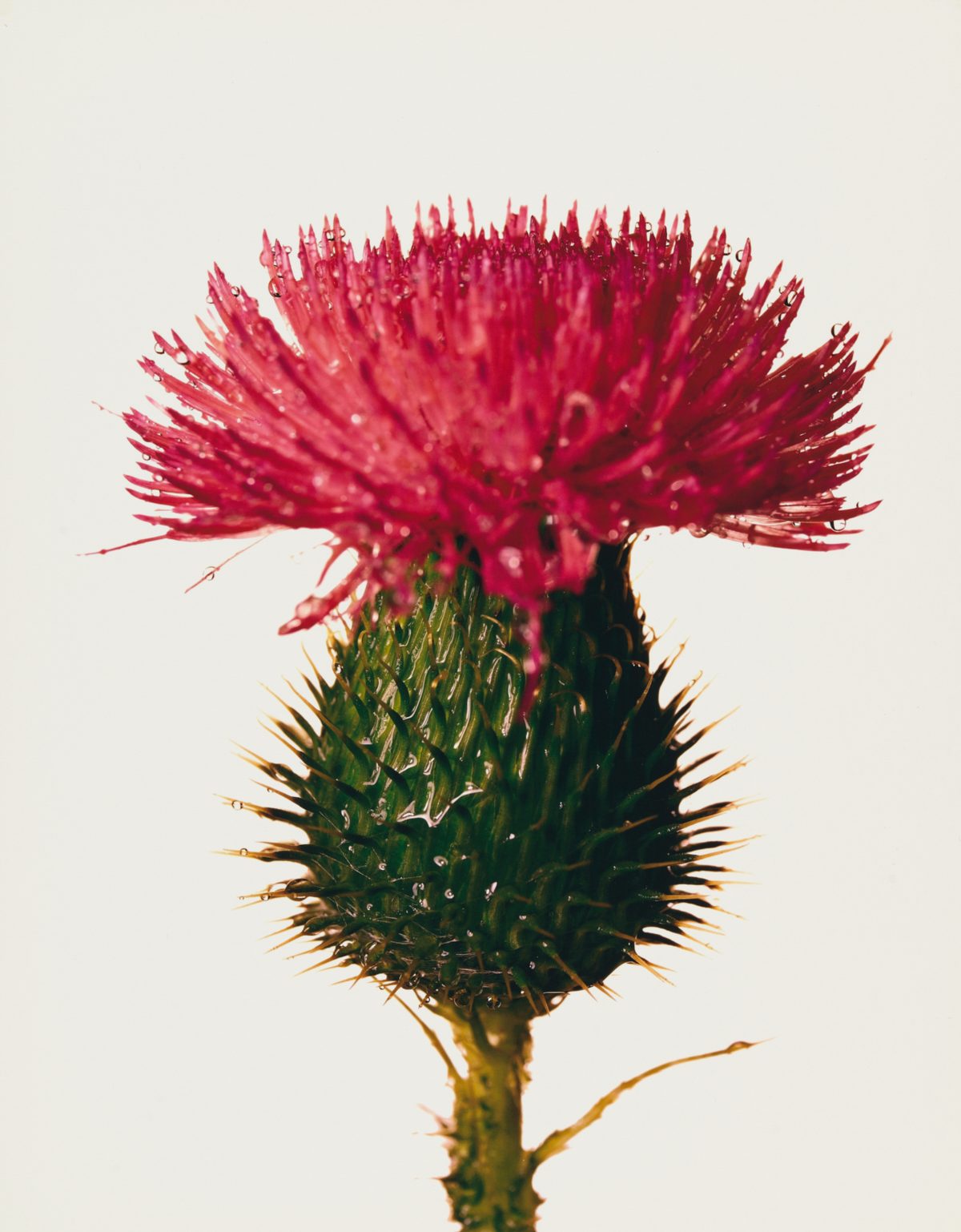
Irving Penn. Flowers.
A tulip splayed open, a poppy about to drop. Penn photographed flowers not at their best, but at their truest.
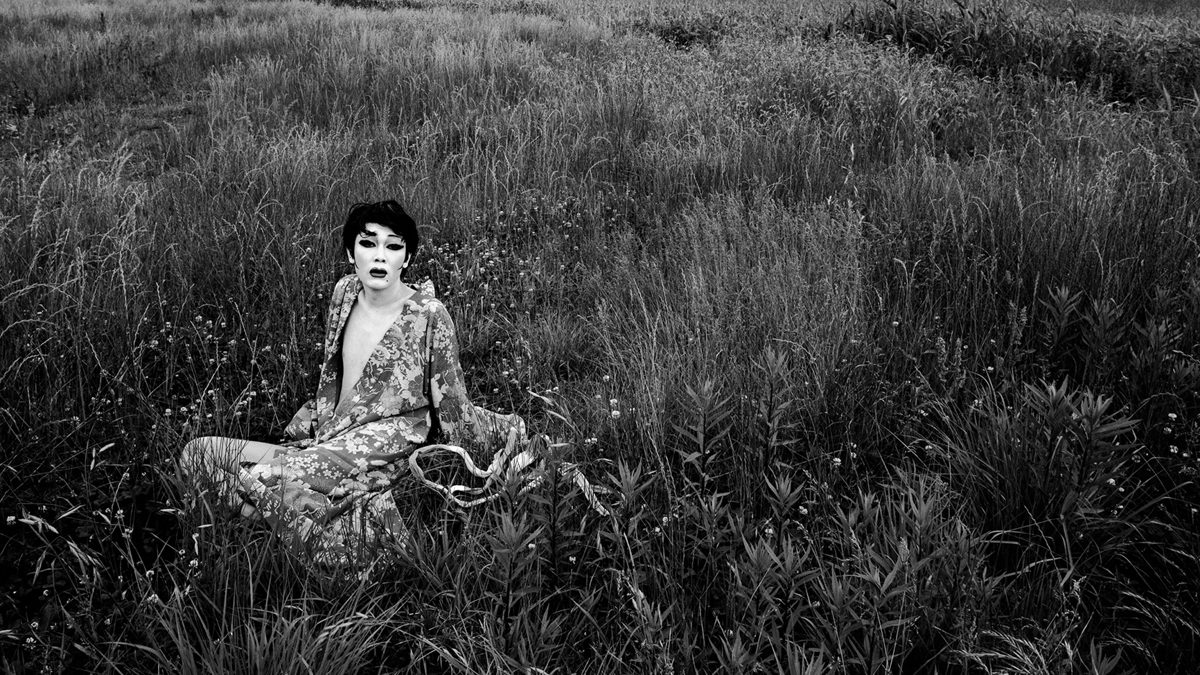
Eikoh Hosoe. Kamaitachi.
A dancer runs through rice fields, leaps, hides behind a farmhouse wall. Hosoe photographs a legend from his own childhood in rural Tohoku.
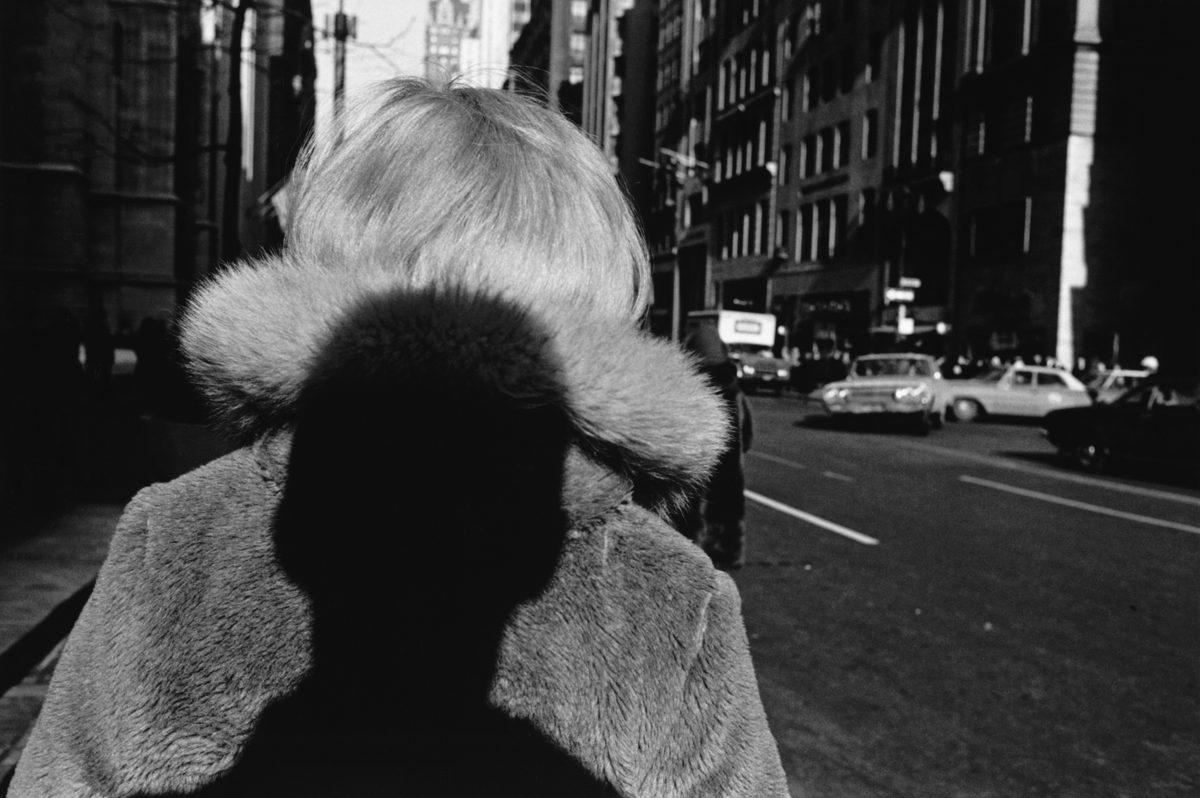
Lee Friedlander. Self-Portraits.
A shadow on the pavement, a reflection in a window, half a face at the edge of the frame. Lee Friedlander photographed himself for over sixty years, rarely whole.
Vivian Maier. Self-portraits.
A shadow on the pavement, a face in a shop window. Vivian Maier photographed herself many times, but rarely head on.
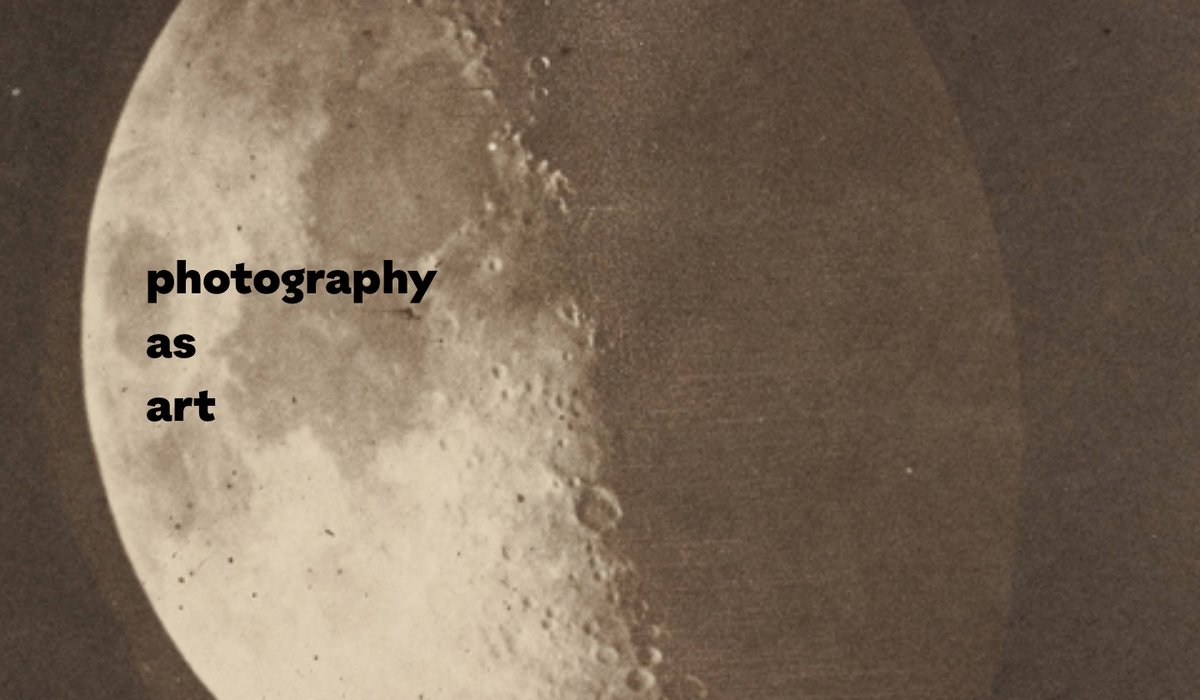
Photography as Art.
The camera records everything in front of the lens. The photographer does not. Photography becomes art in what it chooses to see and to leave out.