
Essays · Olfactory Art
Olfactory Art.
Scent is a material, not a decoration.
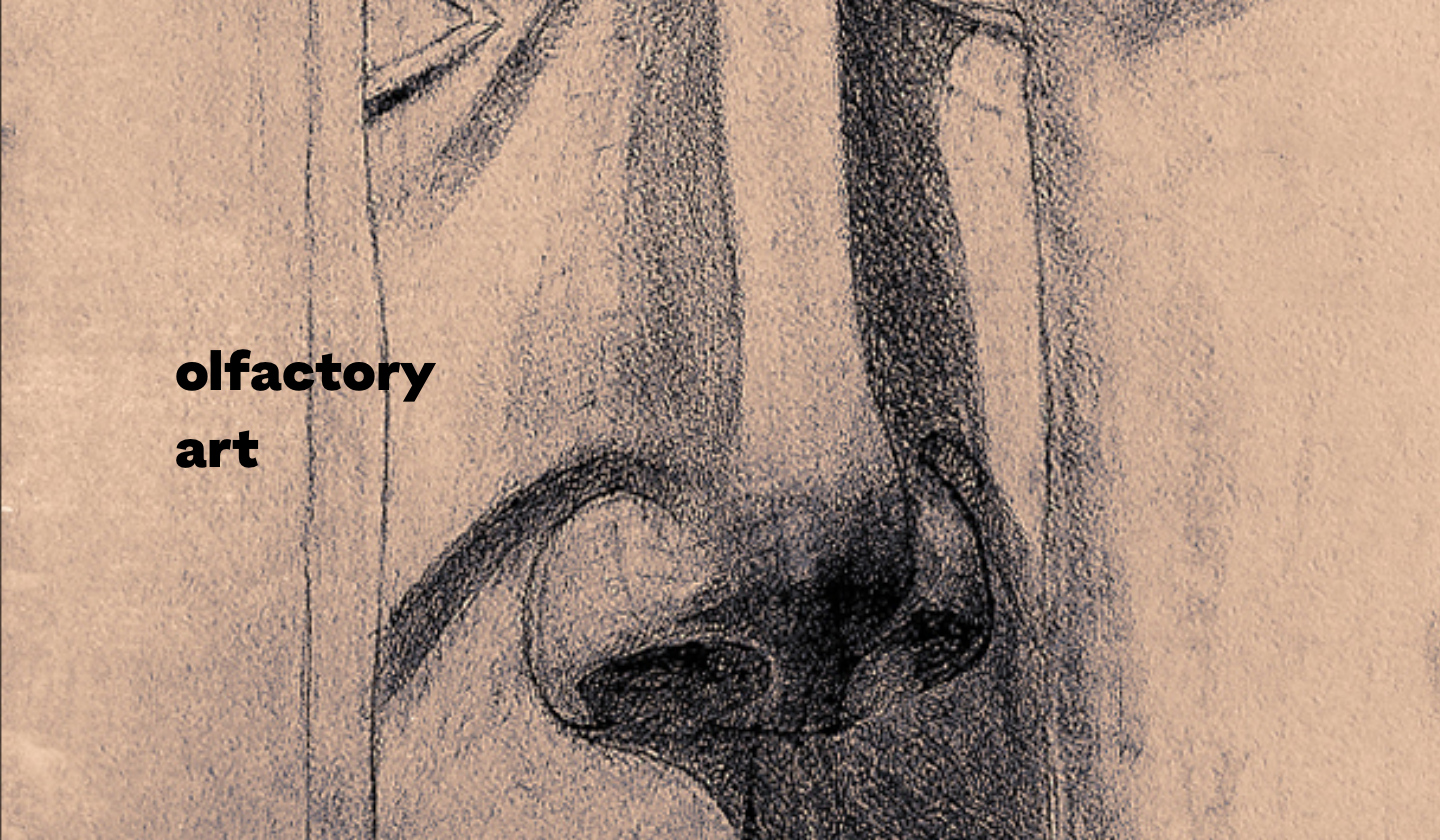
When scent is the main material
Painting uses colour. Sculpture uses stone, wood, metal. Photography uses light. Olfactory art uses scent.
The definition is simple; the consequences are not. For most of history, scent came along with something else. Incense in temples, perfume in rites, flowers in a sitting room. It set the scene for something more important. Olfactory art reverses that. Scent is no longer the background. It is the work.
An olfactory work does not have to smell good. Many deliberately use unpleasant smells, body odours, city smells, the smells of places people would rather forget. The aim is not to please the nose. The aim is to make people notice a sense they use every day and rarely think about.
A short history
In 1921, Marcel Duchamp stuck a label of his own making, Belle Haleine, on an existing perfume bottle. The work was the bottle, not the liquid inside. Still, it was one of the first times perfume entered a gallery as an art object.
Only in the late twentieth century did scent truly become a material. Installation art opened up rooms that visitors walked into, around, and stayed in. A room has air, and air can carry smell.
In 1994, Clara Ursitti built a small room holding nothing but a synthetic scent and called it a self-portrait. Since then artists have moved in many directions. Sissel Tolaas collects the smells of cities and the sweat of frightened people. Peter de Cupere built a tree out of scent. Maki Ueda makes spaces in which visitors get lost by nose. Oswaldo Maciá sets scent beside sound.
They share no single style. What they share is the conviction that the nose is a way of knowing, no less than the eye.
Invisible, temporary, personal
Scent has three qualities that set it apart from every other material.
First, it is invisible. It cannot be photographed or printed in a book. Any text about an olfactory work, including this one, is missing exactly the most important part.
Second, it is temporary. It evaporates, fades, shifts with temperature and humidity. A painting can hang unchanged for centuries. An olfactory work has to be remade, switched on, topped up, every time it is shown. It is closer to a performance than to an object.
Third, it differs from person to person. The same molecule reads as wood to one nose, old paper to another, nothing at all to a third. Scent is also bound to memory: one smell can take a person back to a grandmother's kitchen and mean nothing to the person standing beside them.
These three qualities are usually treated as weaknesses. Olfactory art makes them its subject.
Common forms
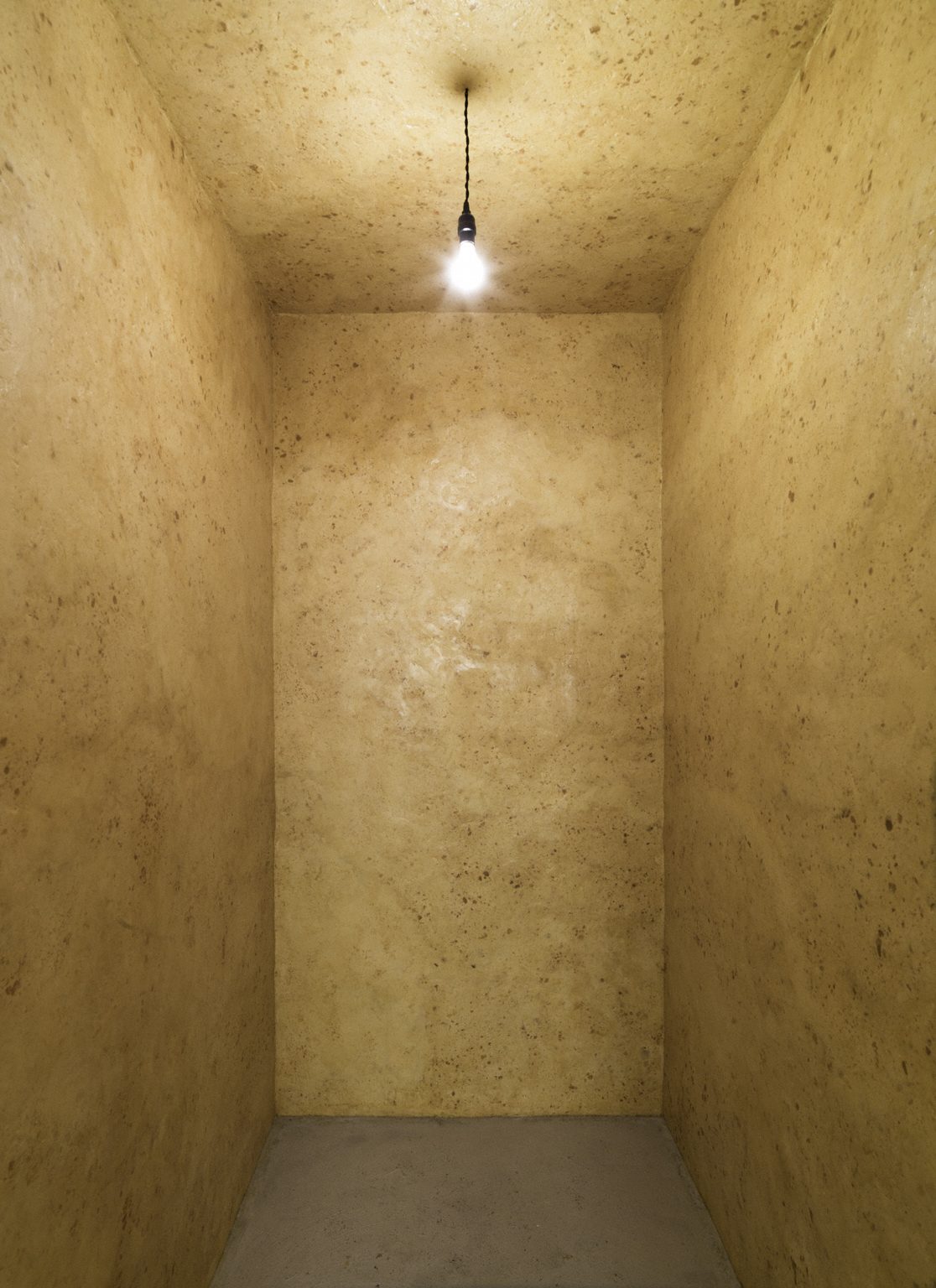
An olfactory work can be an installation, a room filled with scent that visitors enter as if entering another climate.
It can be a multisensory work, where scent travels with sound, image and movement.
It can be a scent built as a concept, bottled but not for sale, meant to be read like a text.
It can be a direct encounter: an artist gathering the smells of a neighbourhood and returning them to the people who live there.
Whatever the form, the question stays the same. If we do not look, what do we know about the world?
Olfactory Art