
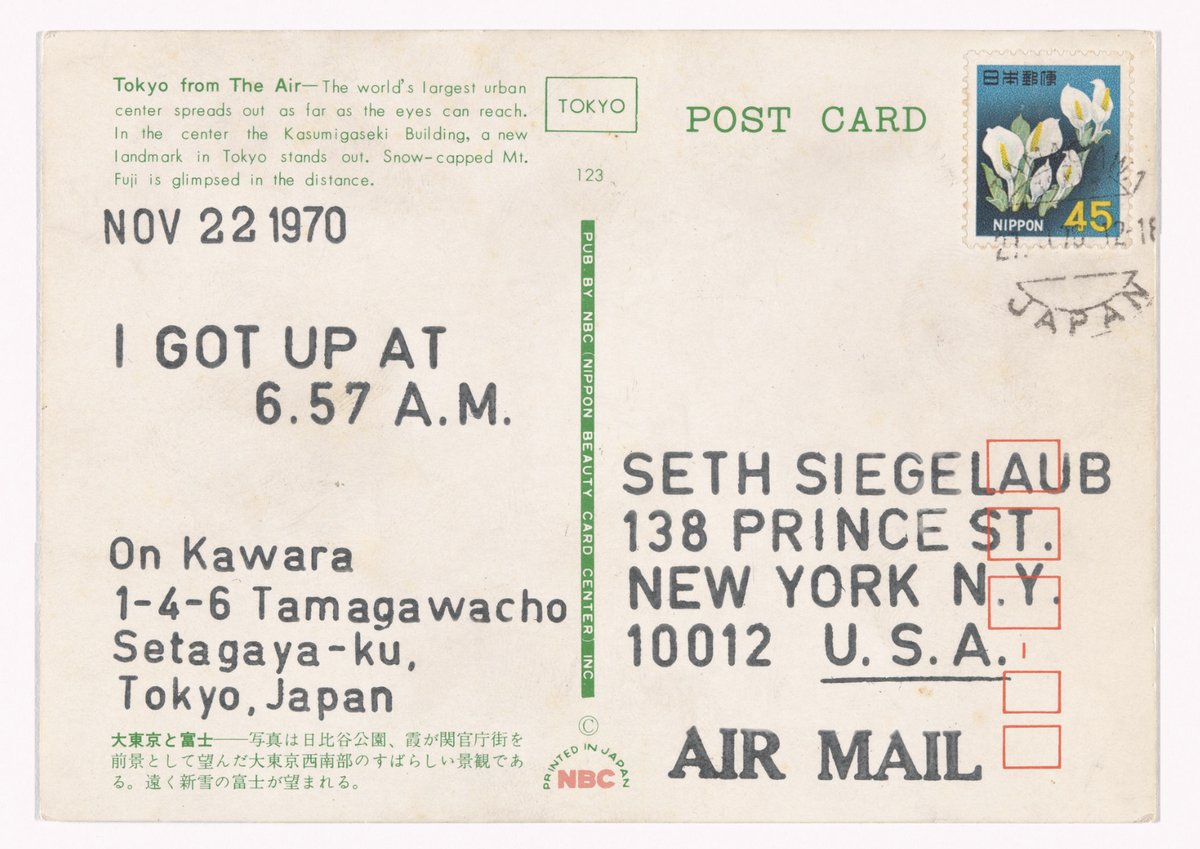
On Kawara. I Got Up.
A postcard a day, a stamp, a time of waking. Nothing more. And that is the work.
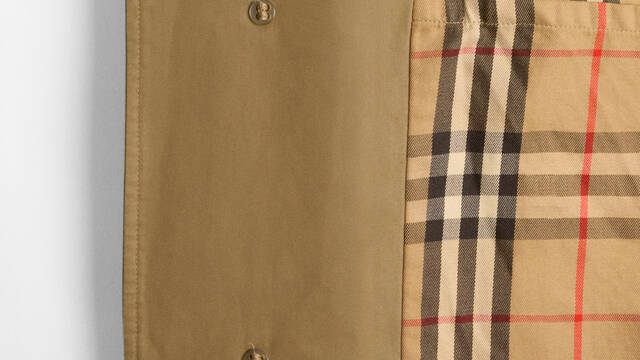
Burberry. The Burberry Trench: Crafting an Icon.
A coat born to stand rain and mud. A century later it sits in a V&A case, still with its turned collar and belt.
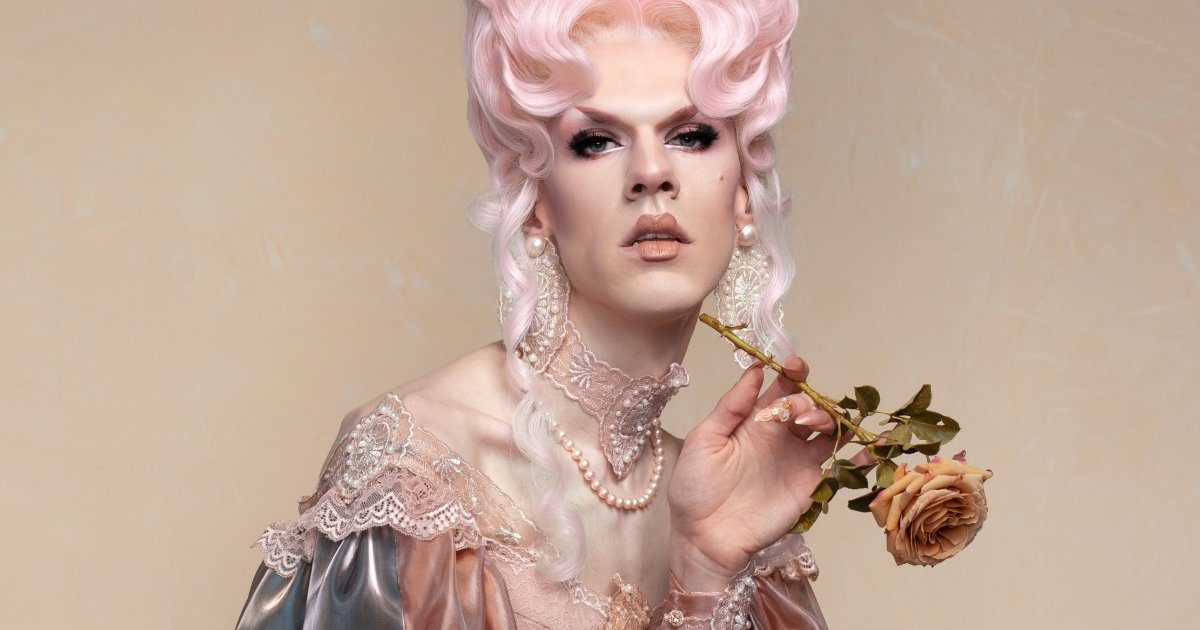
Fashion: the 18th century, a fantasized legacy.
Marie Antoinette's corset, postwar couture, a 2021 drag image. A century worn again and again.
Paul Poiret: Fashion is a Feast.
A dress without a corset, a perfume house, a school, three barges on the Seine. At MAD Paris, Poiret appears as a man who built a whole world.
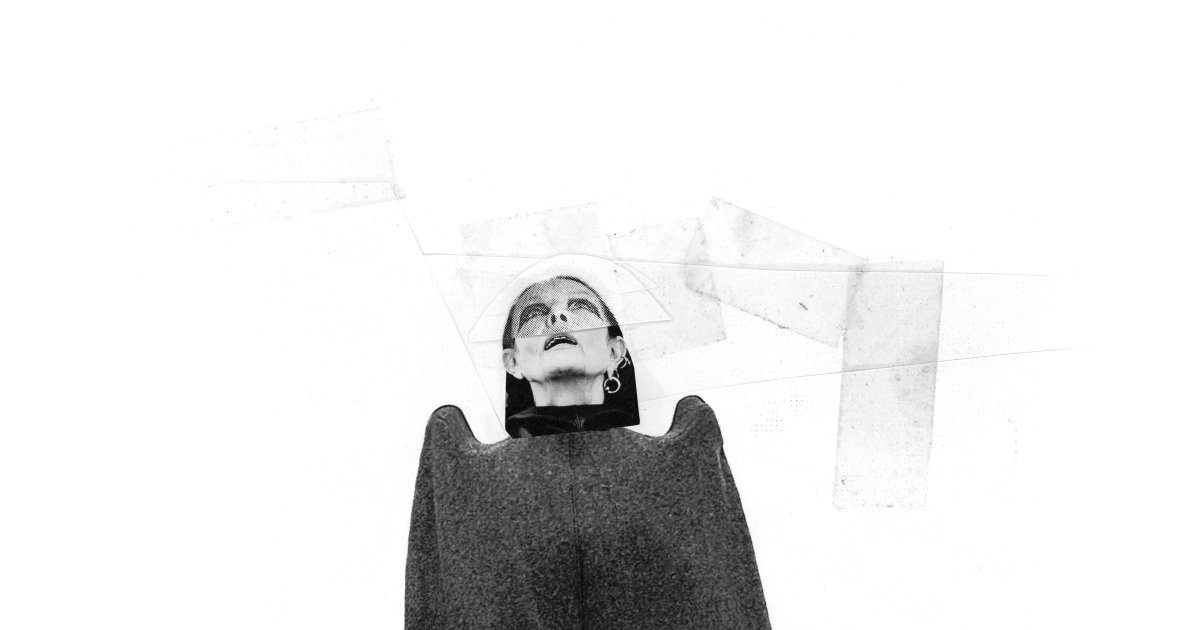
Rick Owens, Temple of Love.
Military bags, army blankets, washed leather. At the Palais Galliera, Rick Owens built a temple of black, dust and objects with a former life.
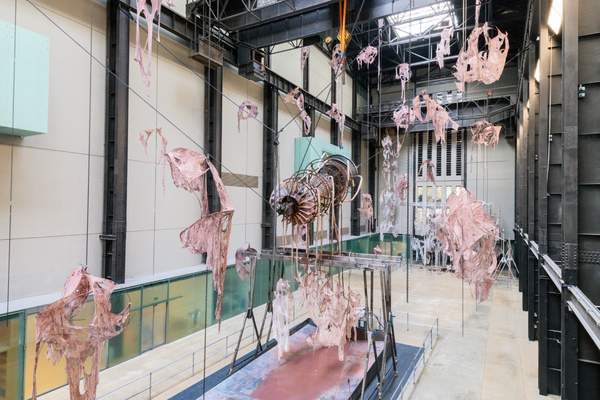
Mire Lee. Open Wound.
Mire Lee turned the Turbine Hall into a living factory: a slow turbine, dripping liquid, fabric skins wetted, dried and hauled up to the ceiling.
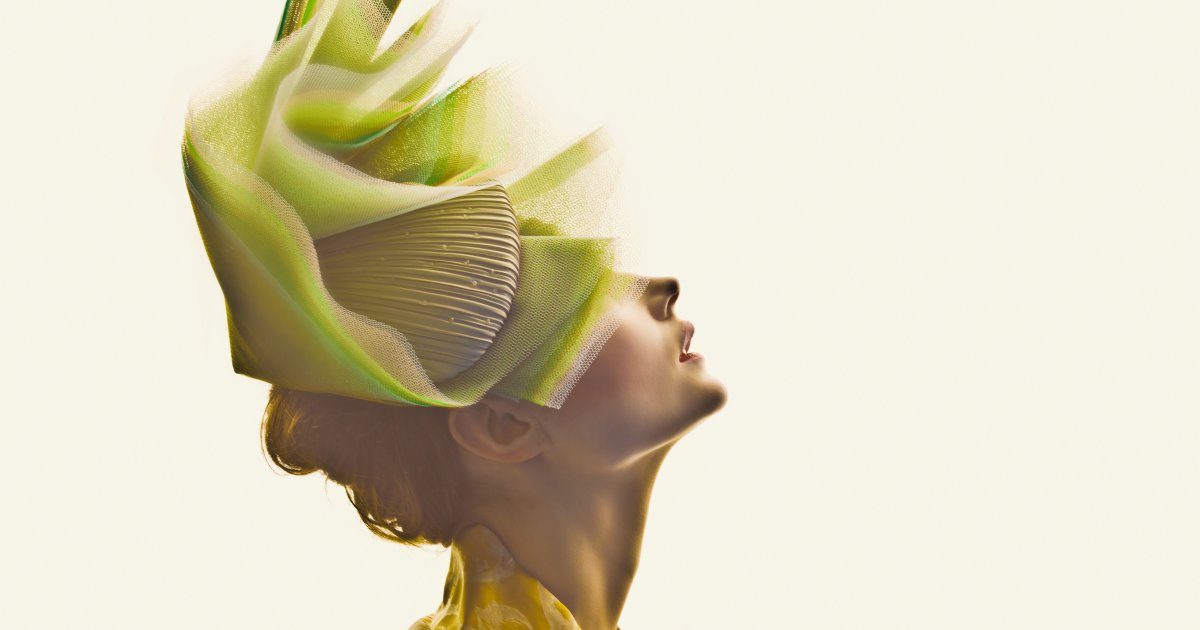
Stephen Jones. Chapeaux d'artiste.
More than 170 hats, 40 looks, four decades of work with Paris houses. A small object placed where the body is most visible.
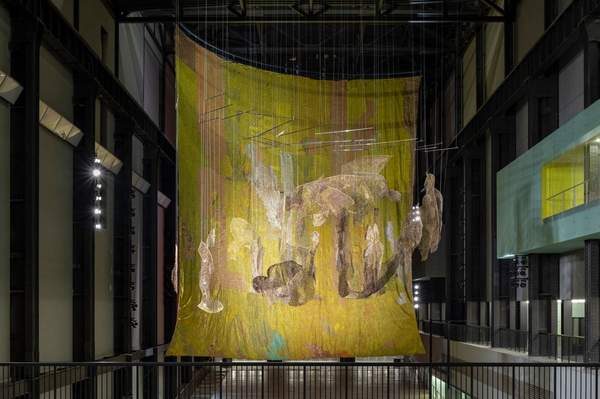
El Anatsui. Behind the Red Moon.
From afar, a sail, a red moon, a black wall. Up close, thousands of liquor bottle tops, each with a label and a trade route behind it.
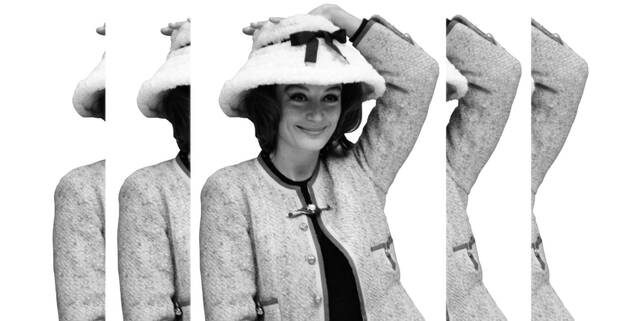
Gabrielle Chanel. Fashion Manifesto.
A silk sailor blouse, a tweed suit, a perfume named with a number. At the V&A, Chanel's manifesto was written in objects.
Iris van Herpen. Sculpting the Senses.
3D printing, laser cutting, glass blowing, electromagnetic weaving. Iris van Herpen makes dresses that borrow the shapes of water, bone and growing systems.
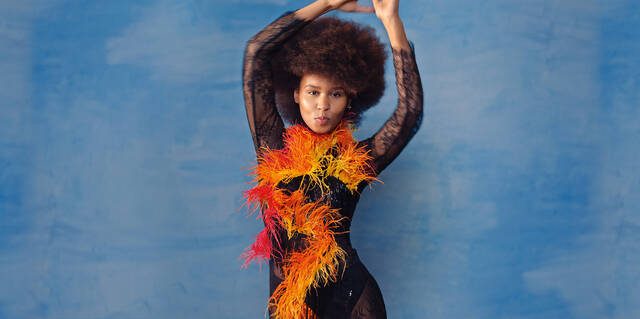
Africa Fashion.
Indigo dyed adire, studio portraits from Cameroon, a trench covered in handprints. Africa Fashion showed a continent dressing in many voices.
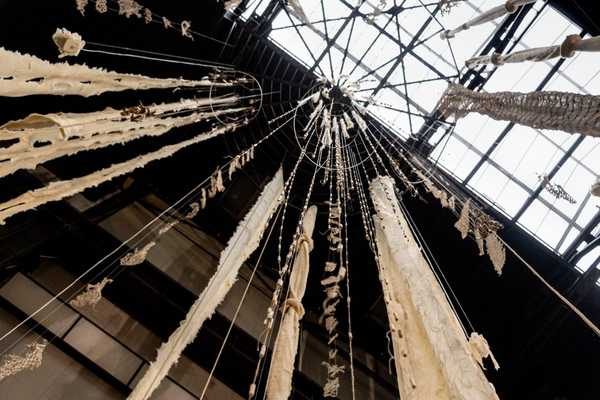
Cecilia Vicuña. Brain Forest Quipu.
Andean peoples did not write; they knotted cords. Cecilia Vicuña hung two cords of memory 27 metres high in the Turbine Hall to remember a vanishing forest.
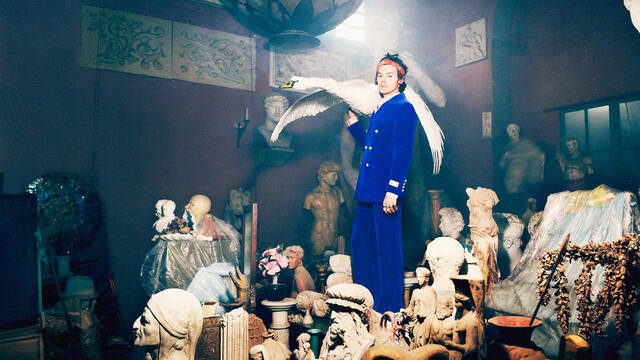
Fashioning Masculinities: The Art of Menswear.
About 100 looks and 100 artworks at the V&A in 2022, in three rooms: undressed, overdressed, redressed. Masculinity turns out to be tailored.
Refik Anadol. Unsupervised: Machine Hallucinations, MoMA.
Refik Anadol let a machine view almost the whole of MoMA's digital archive, then let it dream on a large screen in the museum for nearly a year.
Shocking! Les mondes surréalistes d'Elsa Schiaparelli.
The 2022 Elsa Schiaparelli retrospective at MAD Paris set her clothes beside Dalí, Cocteau, Man Ray. Fashion and Surrealism share one question: where is this object?
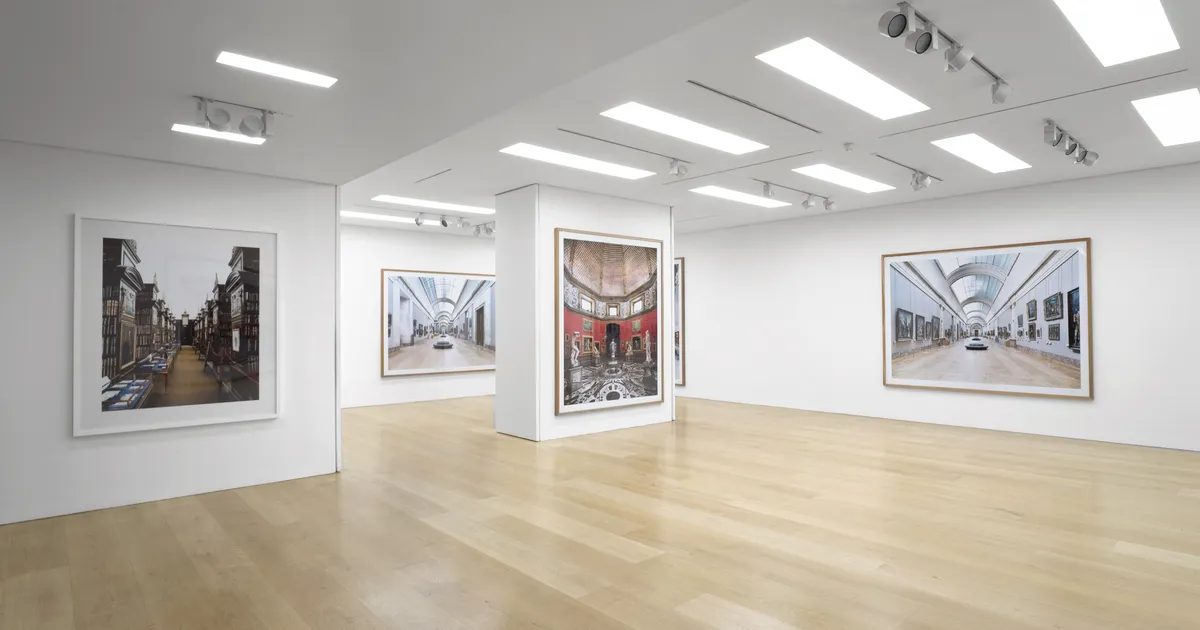
Libraries, Museums and A Theatre.
Public rooms photographed when no one is left. Empty seats, full shelves, light moving slowly through windows. The room speaks of those who were there.
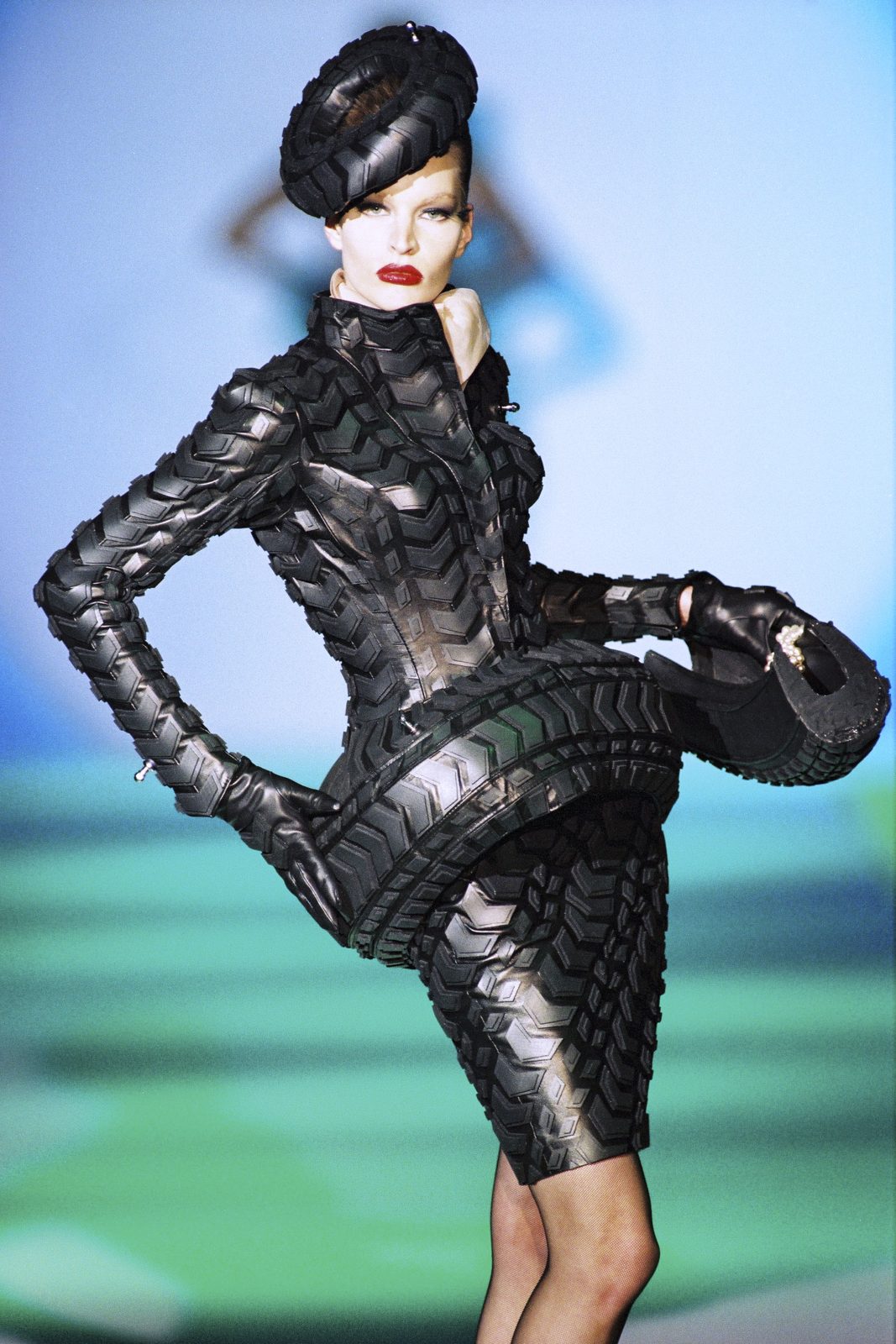
Thierry Mugler, Couturissime.
Armour, insect wings, a metal robot. At MAD Paris, the Thierry Mugler exhibition unfolded in acts, like an opera.
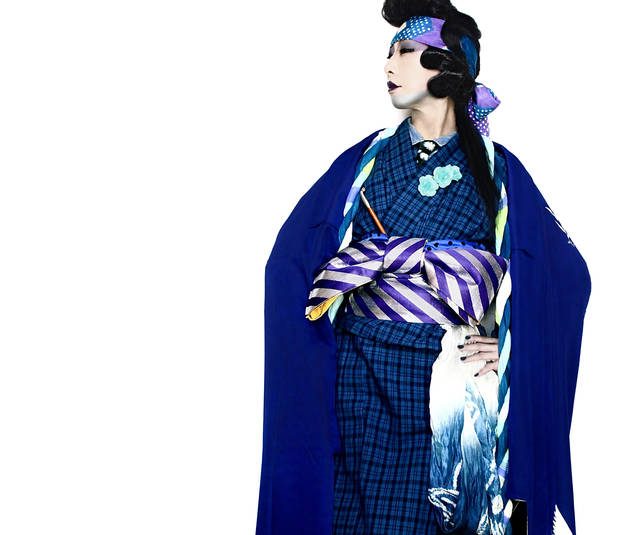
Kimono: Kyoto to Catwalk.
From a nineteenth century Kyoto outer kimono to Obi-Wan Kenobi's robe. One straight garment, across three centuries and several continents.
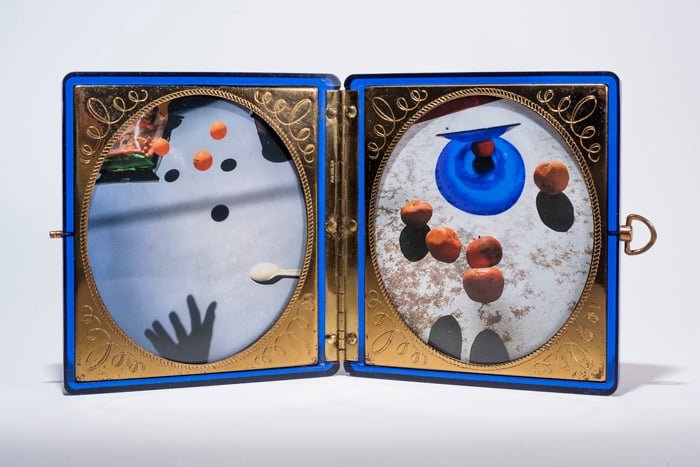
Irina Rozovsky. Miracle Center.
A photograph taken yesterday, a frame decades old. Put together, they become a small object you can hold in your hand.
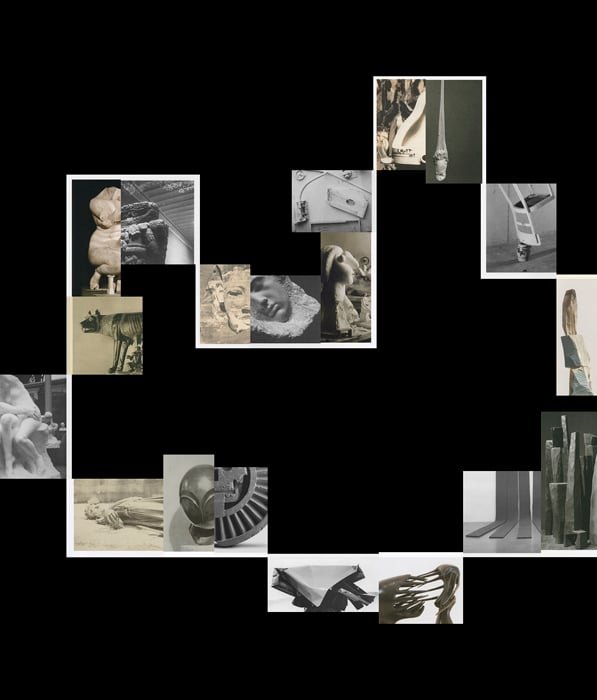
Iñaki Bonillas. Marginalia.
White borders, paper edges, scraps on the studio floor. Iñaki Bonillas looks at what photography throws away and finds another picture there.
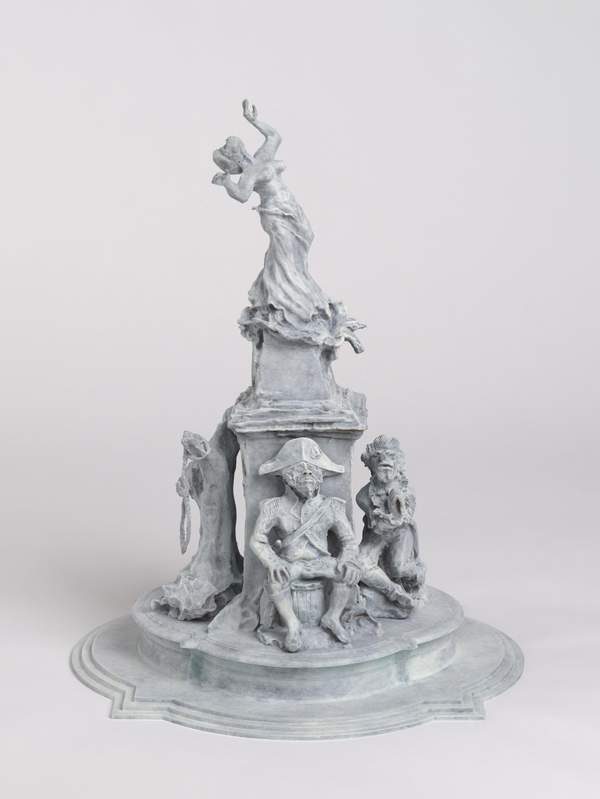
Kara Walker. Fons Americanus.
Kara Walker built a four tiered fountain on the model of the Victoria Memorial and let its water retell the transatlantic slave trade.
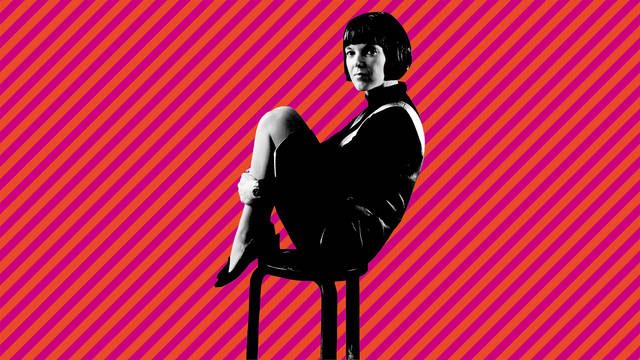
Mary Quant.
The V&A's Mary Quant exhibition, 2019 to 2020, looks back at the designer who brought young, affordable fashion onto London streets. Many dresses still show raised hems.
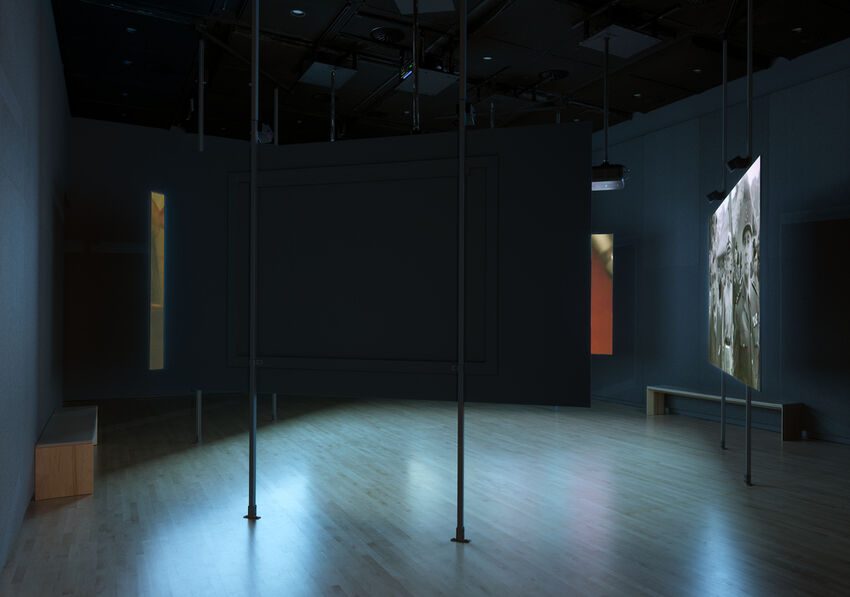
Tuan Andrew Nguyen. The Specter of Ancestors Becoming.
After Dien Bien Phu, hundreds of Vietnamese women followed Senegalese soldier husbands to Africa. Their descendants now write conversations that never happened.
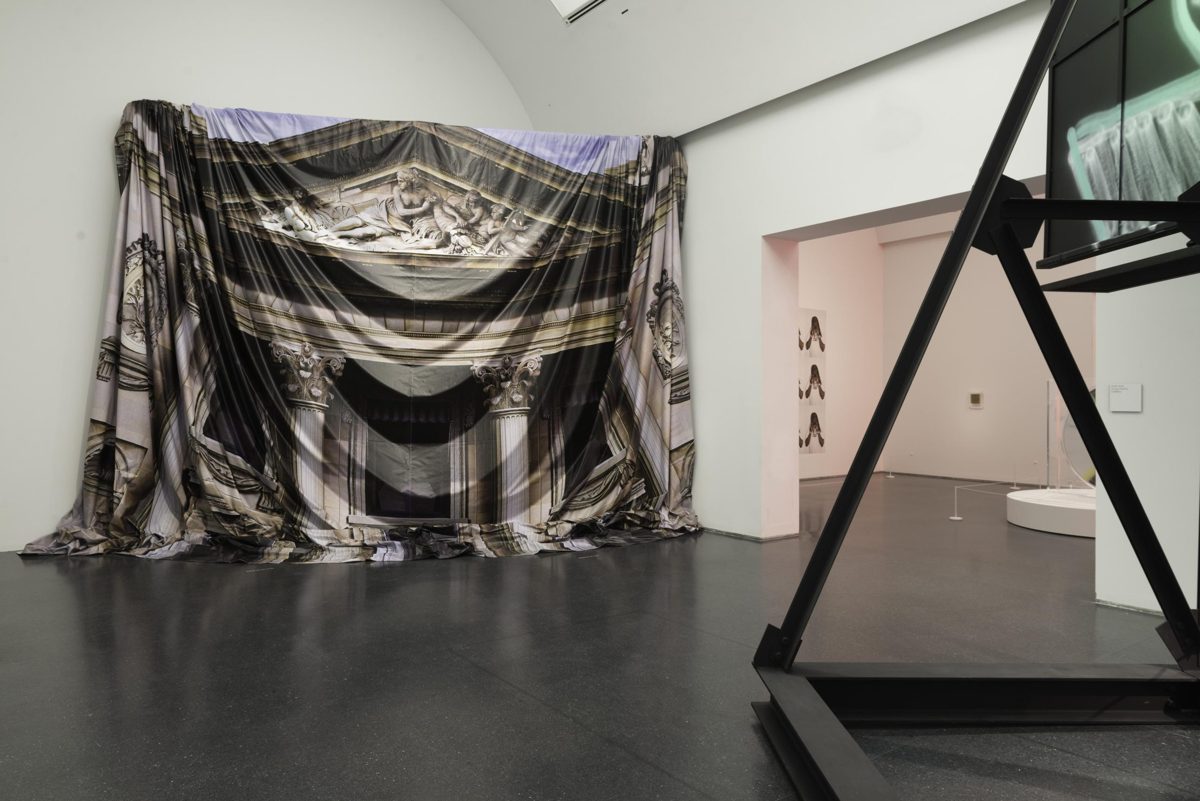
Virgil Abloh. "Figures of Speech".
A tilted gas station sign, shelves of sneakers, a bag chained to a plinth. At MCA Chicago, Virgil Abloh brought street objects into the gallery.
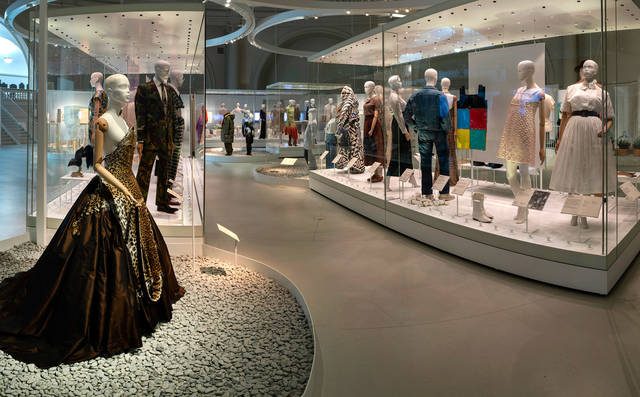
Fashioned from Nature.
Beetle wings on a muslin dress, pheasant feathers on a hat, cellophane made into a coat. Every garment begins somewhere outside the workroom.
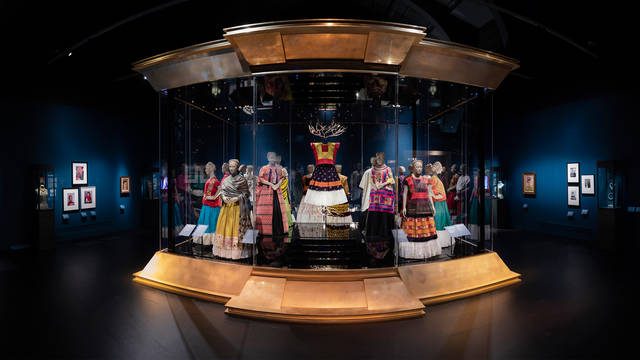
Frida Kahlo. Making Her Self Up.
Frida Kahlo's personal belongings were locked away for fifty years after her death. At the V&A in 2018 they left Mexico for the first time.
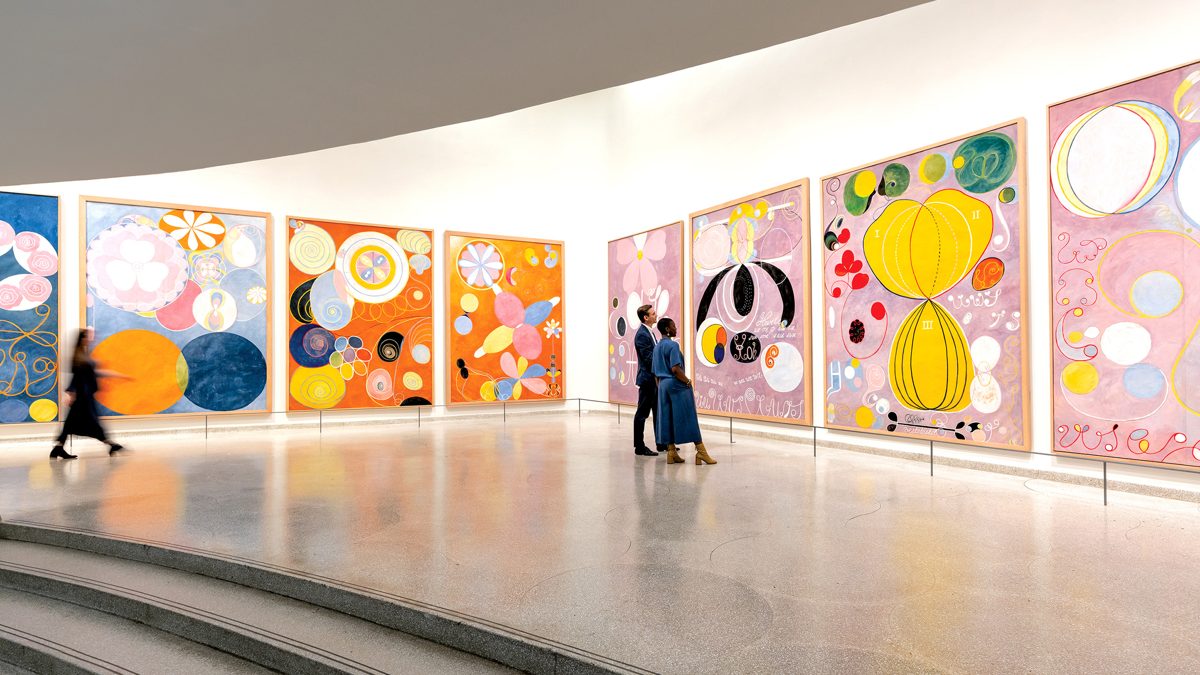
Hilma af Klint: Paintings for the Future.
More than 170 works on the Guggenheim's spiral ramp. Paintings for a temple that was never built, and for a time their painter knew she would not see.
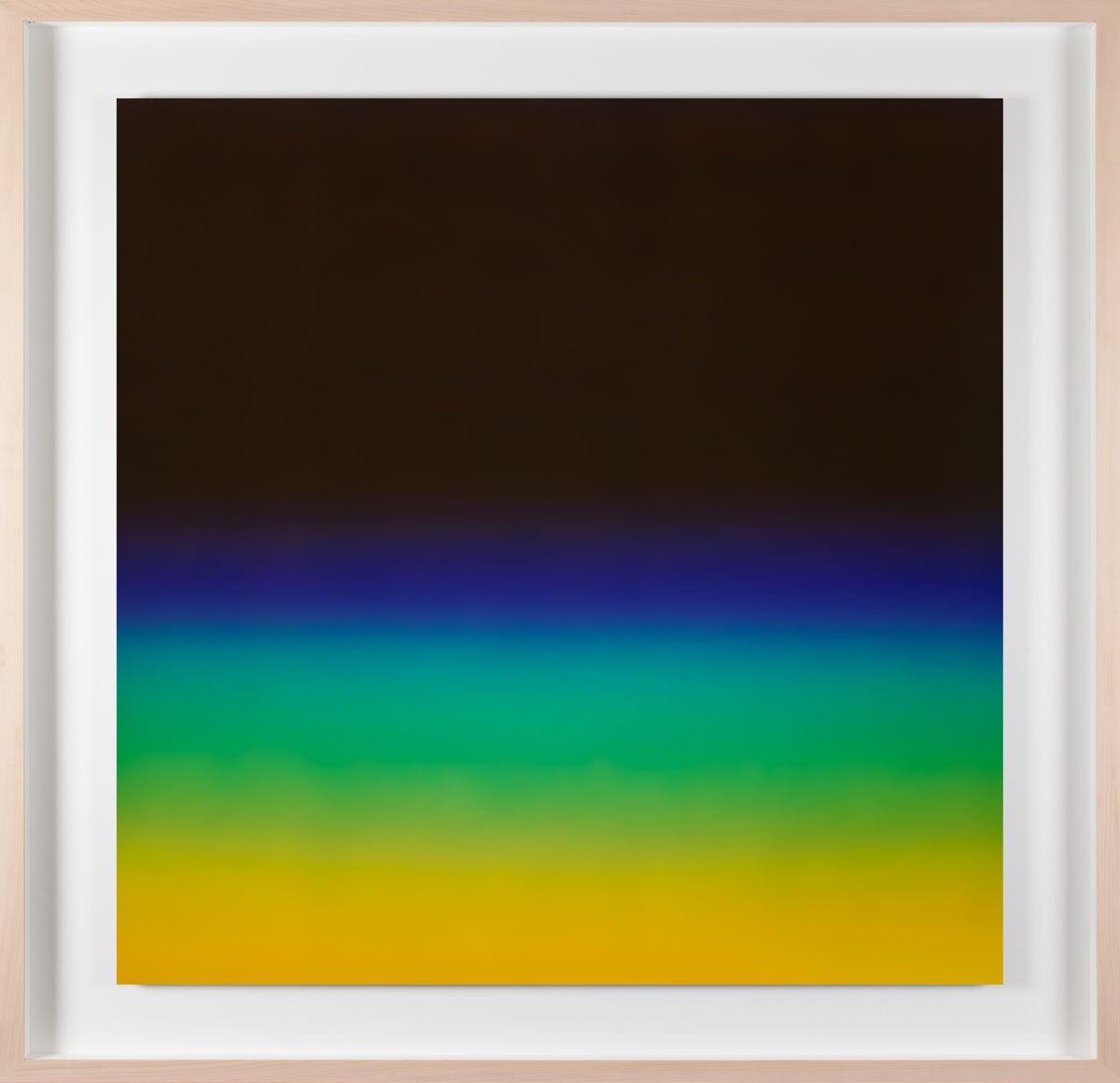
Hiroshi Sugimoto. Opticks.
There is no object in the picture. Only the colour of light after a prism, and the places where one colour turns into the next.
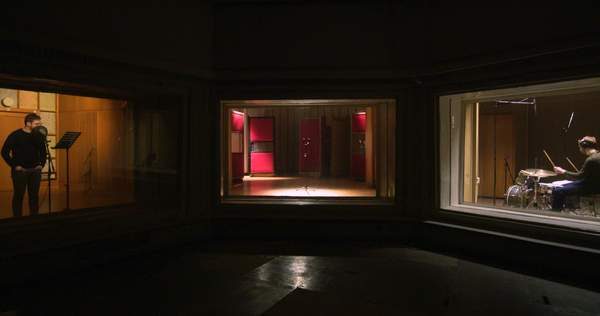
Lawrence Abu Hamdan. Walled Unwalled.
Twenty minutes of monologue in an old Berlin studio, about things that crossed walls and became evidence.
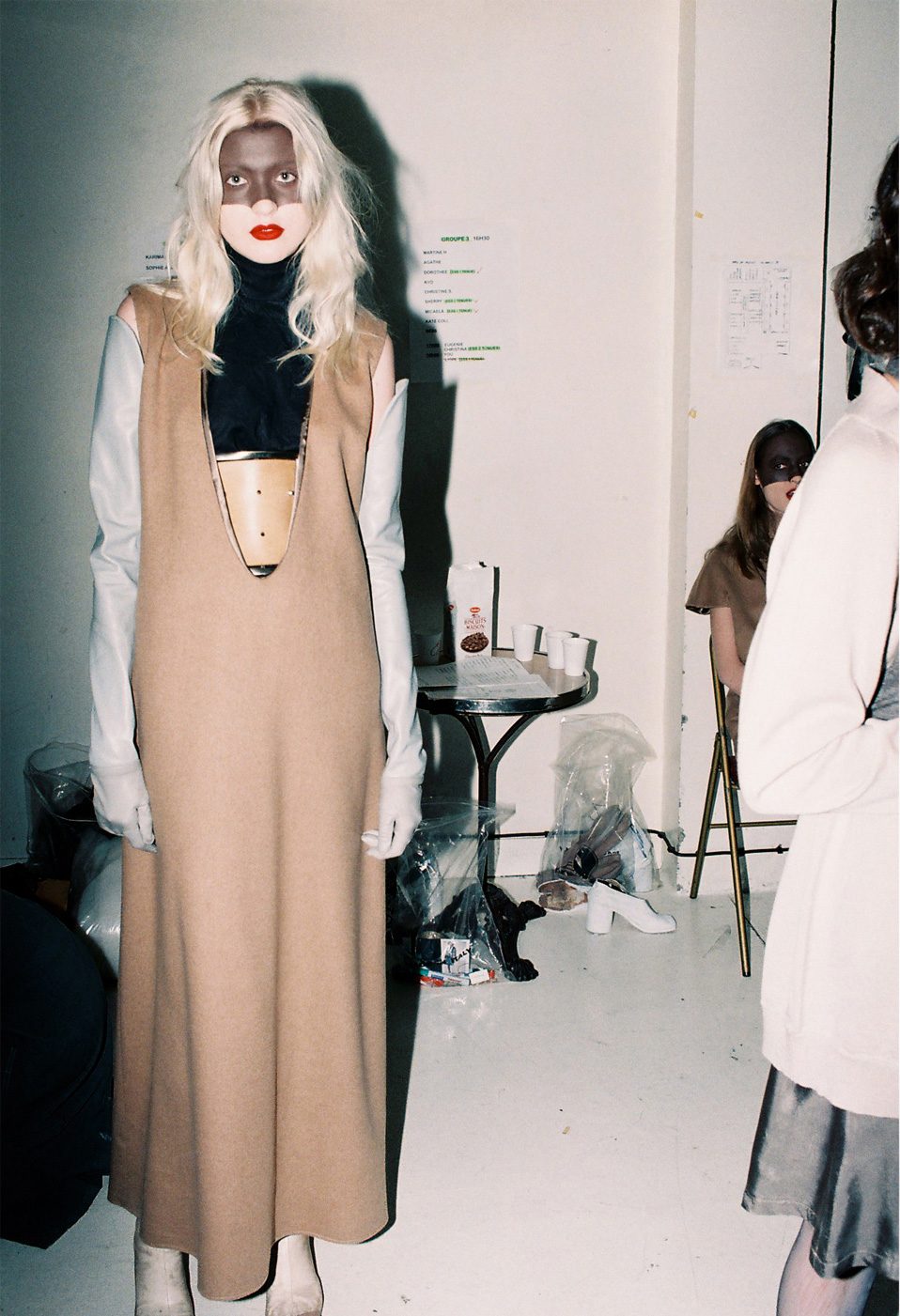
Margiela, les années Hermès.
Six years, twelve collections, two houses. At MAD Paris, Hermès orange and Margiela white share one route.
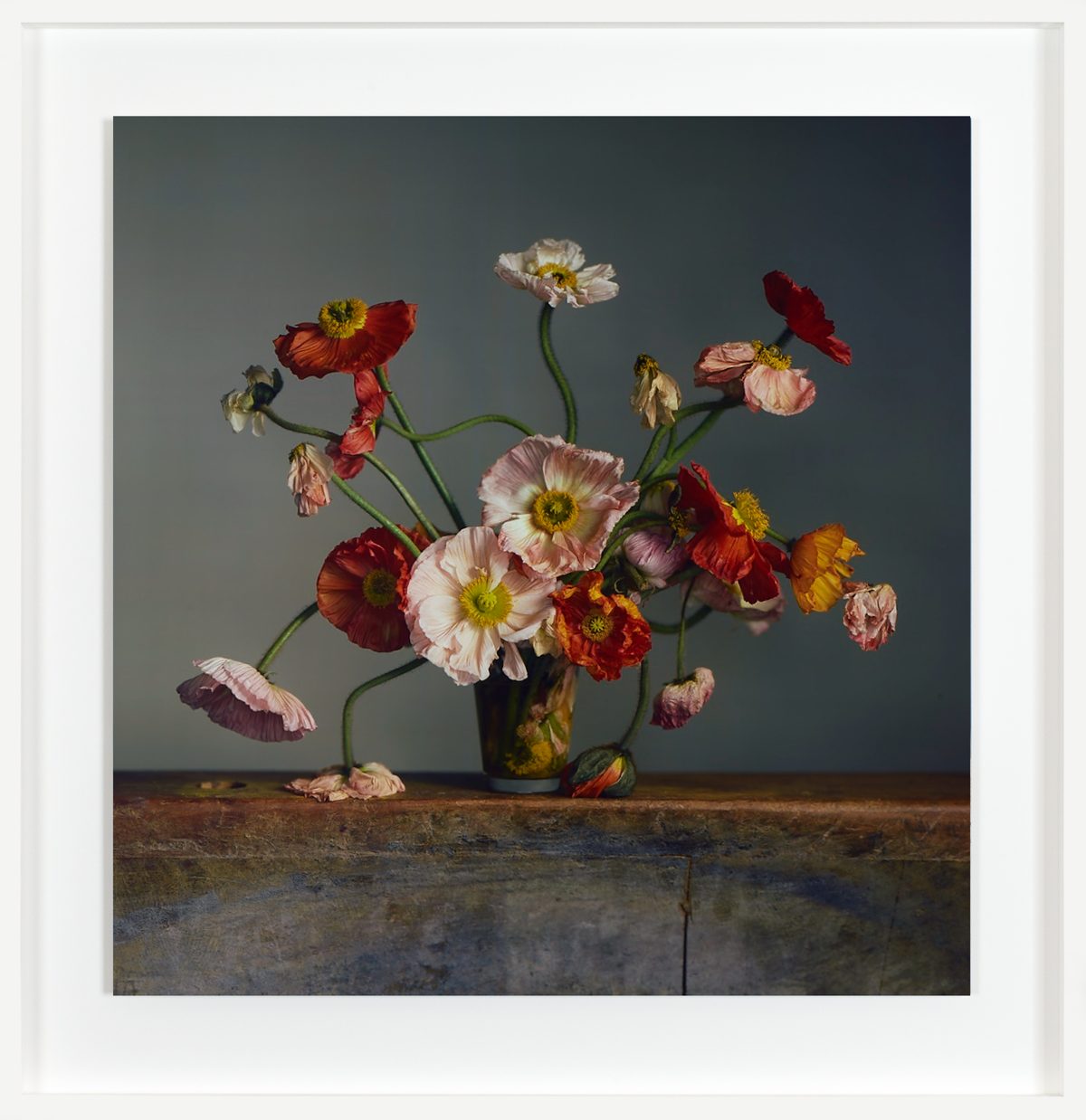
Richard Learoyd. Nature Morte.
A living poppy beside a dead one. Learoyd lets light print both straight onto paper, with no film and no copy.
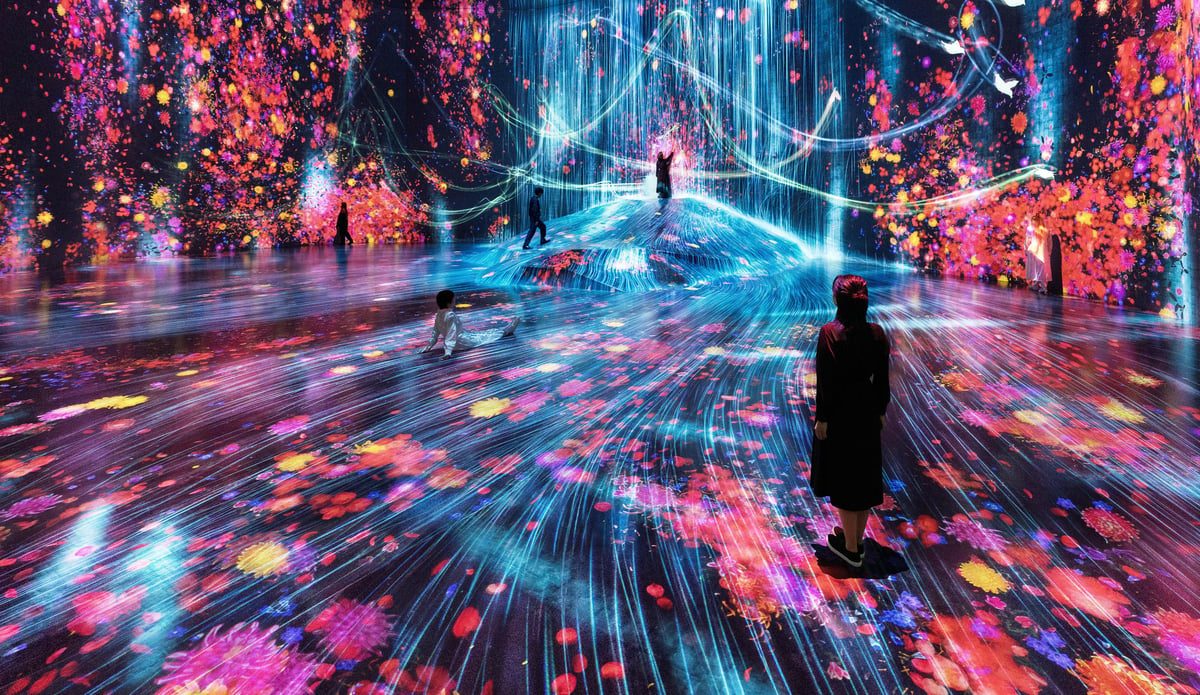
teamLab Borderless: MORI Building DIGITAL ART MUSEUM.
At teamLab Borderless, the works do not stay in their rooms. They wander, touch, and change with the viewer. Visitors must find their own way.
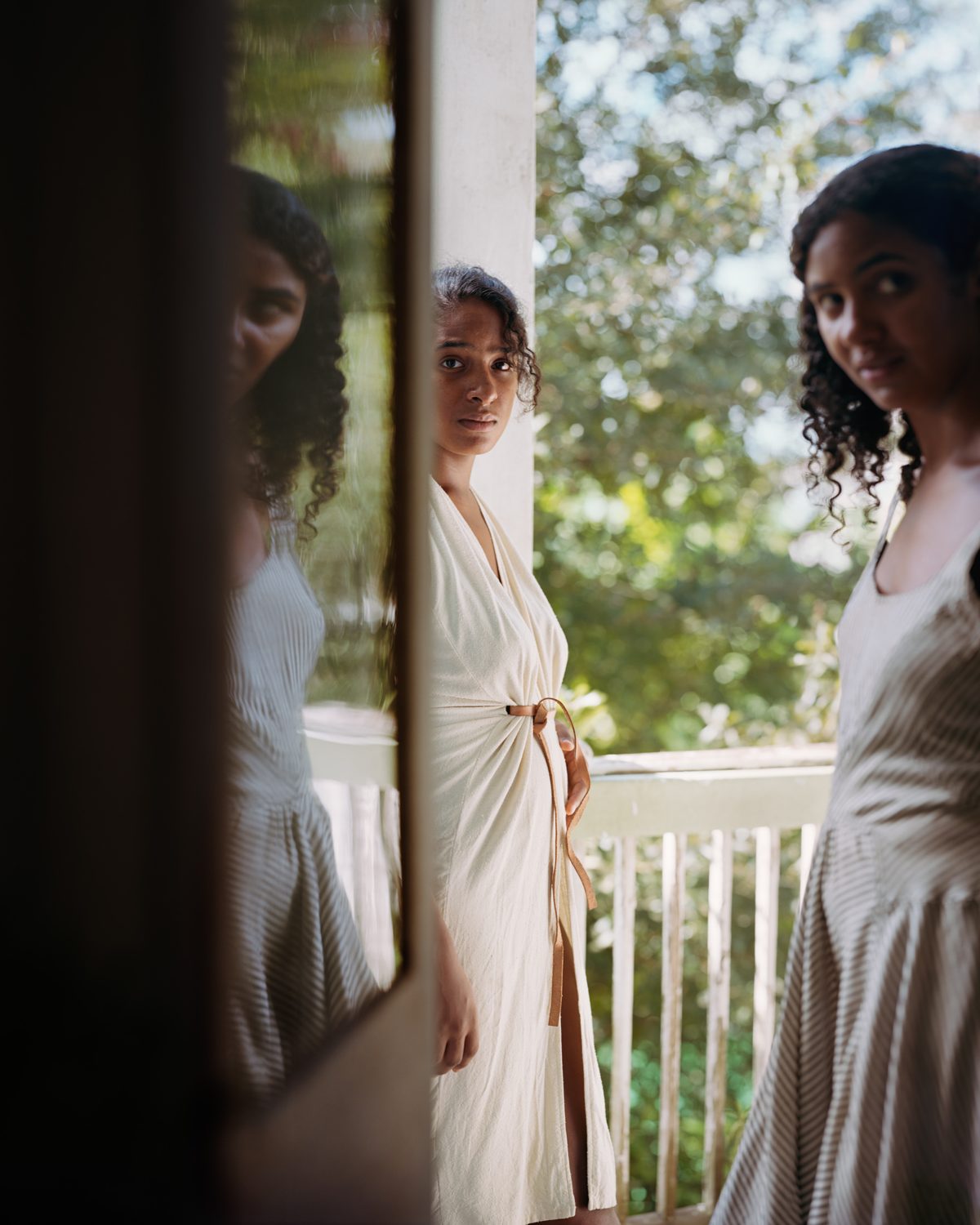
Alec Soth. I Know How Furiously Your Heart Is Beating.
Someone sits in their room. Window light. A vase of flowers. We see everything except what is happening inside them.
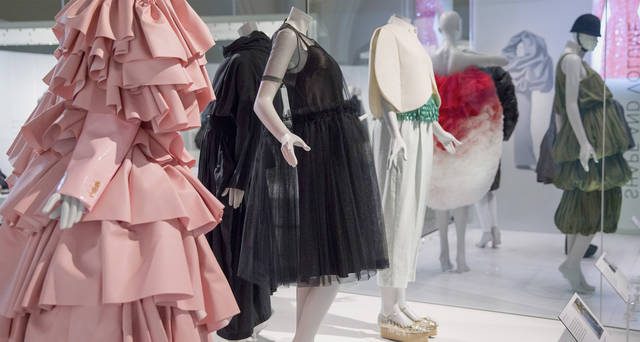
Balenciaga: Shaping Fashion.
Over a hundred garments and hats, X-ray images, patterns rebuilt. The V&A did not just show dresses. It opened them to see what holds them up.
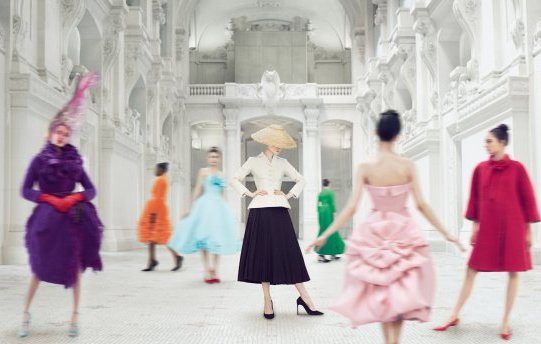
Christian Dior, couturier du rêve.
The Paris exhibition for Dior's seventieth year moves from the gallery Dior once ran, through the atelier, to six successors. One name, read again and again.
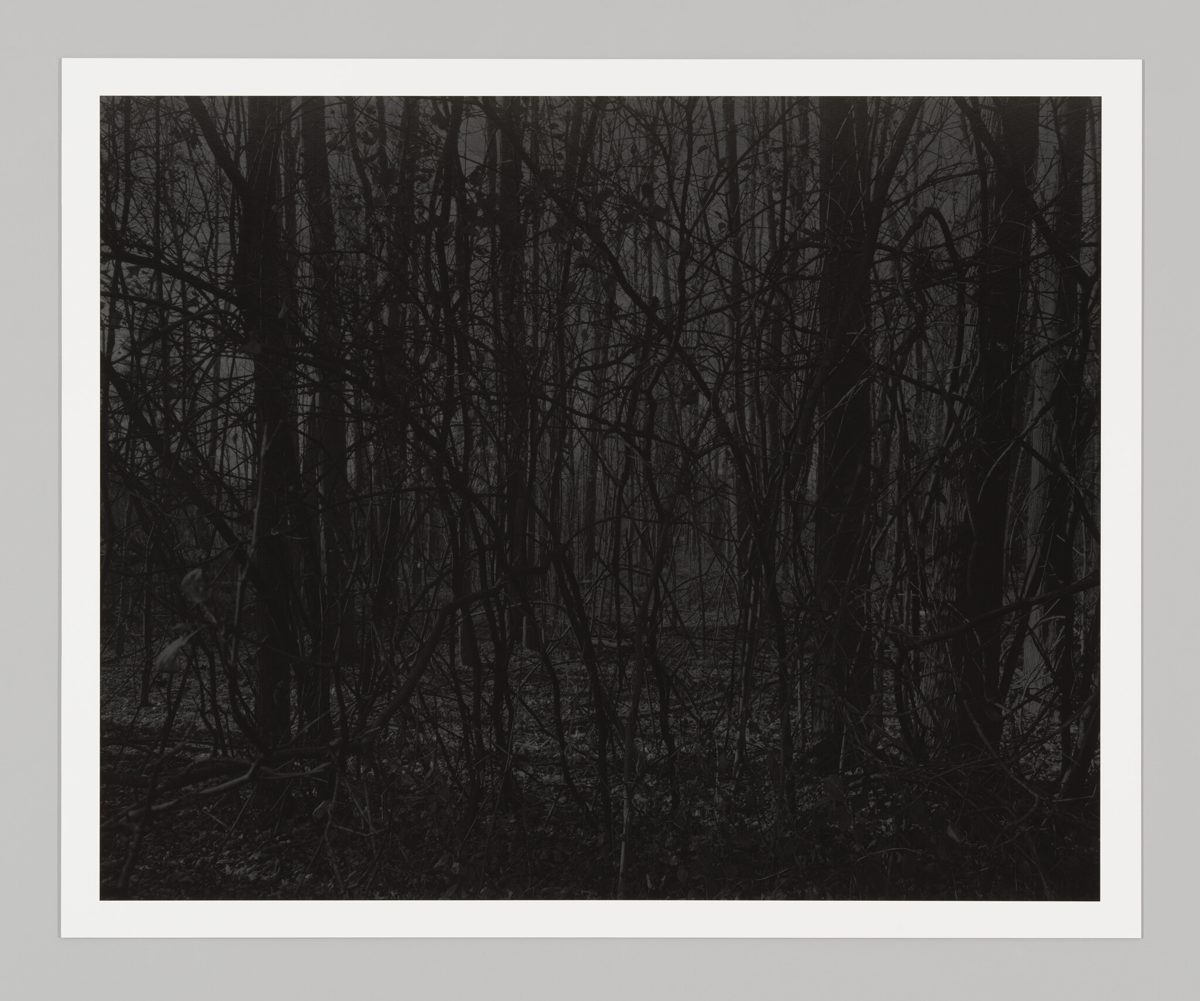
Dawoud Bey. Night Coming Tenderly, Black.
Woods, houses, fields, all nearly sunk in darkness. Dawoud Bey imagines the Ohio night through the eyes of those fleeing slavery.
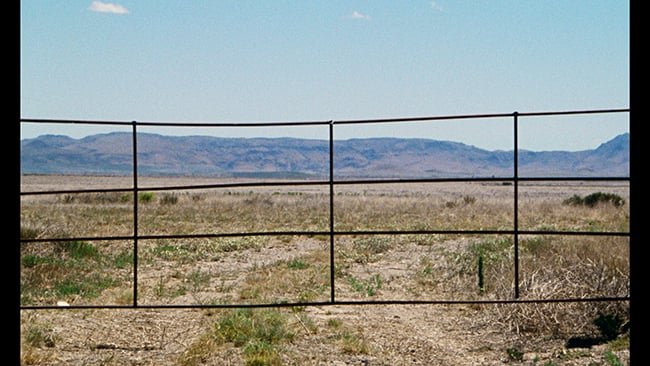
J.P. Sniadecki, Joshua Bonnetta. El Mar La Mar.
Three years, 16mm film, a desert with a border running through it. Sniadecki and Bonnetta did not film the border. They filmed what the desert keeps.
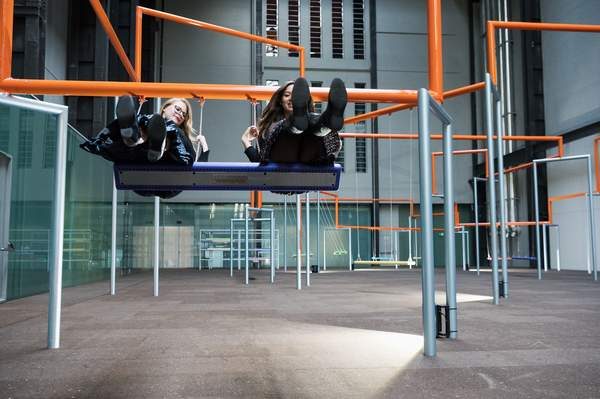
SUPERFLEX. One Two Three Swing!
An orange line, swings with three seats. One person swings. Three in rhythm fly.
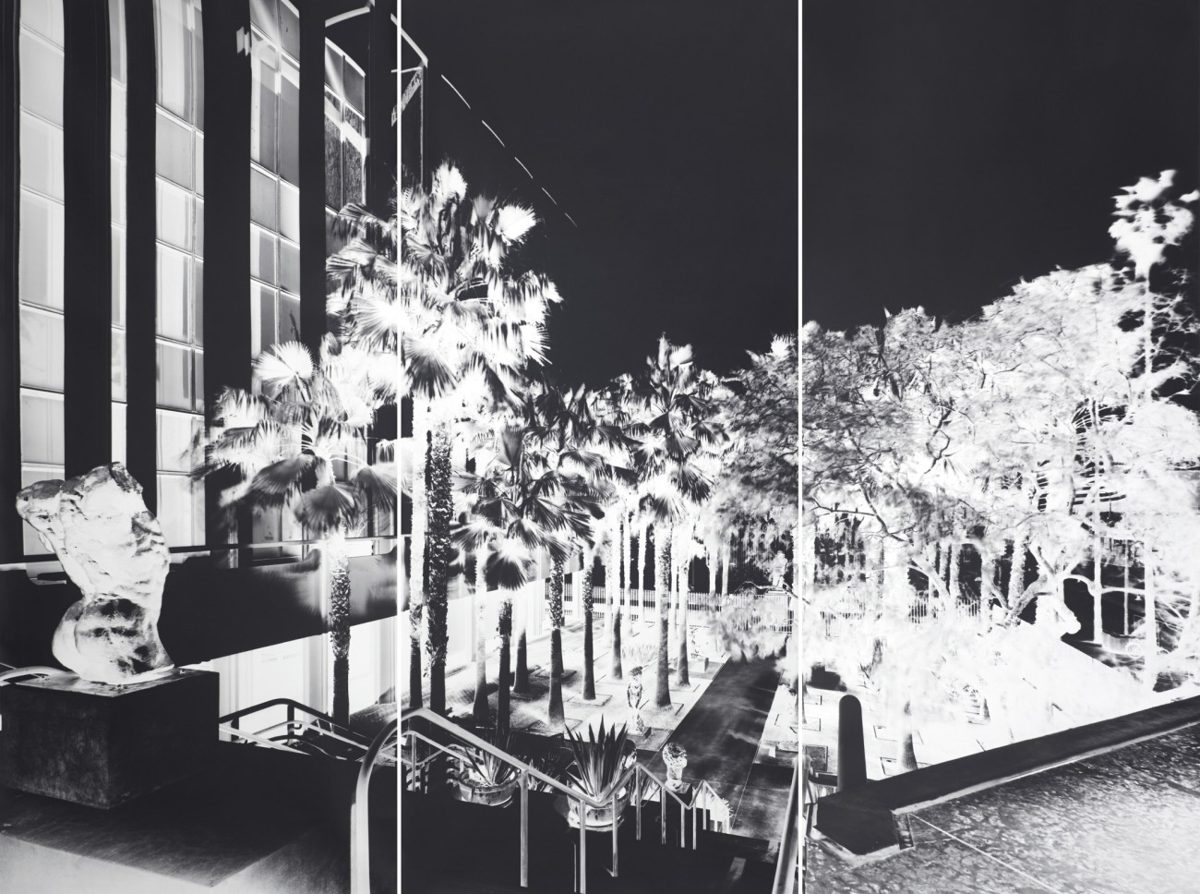
Vera Lutter. Museum in the Camera.
A European paintings gallery, exposed for seven months. The building is gone. Only a paper negative remembers it.
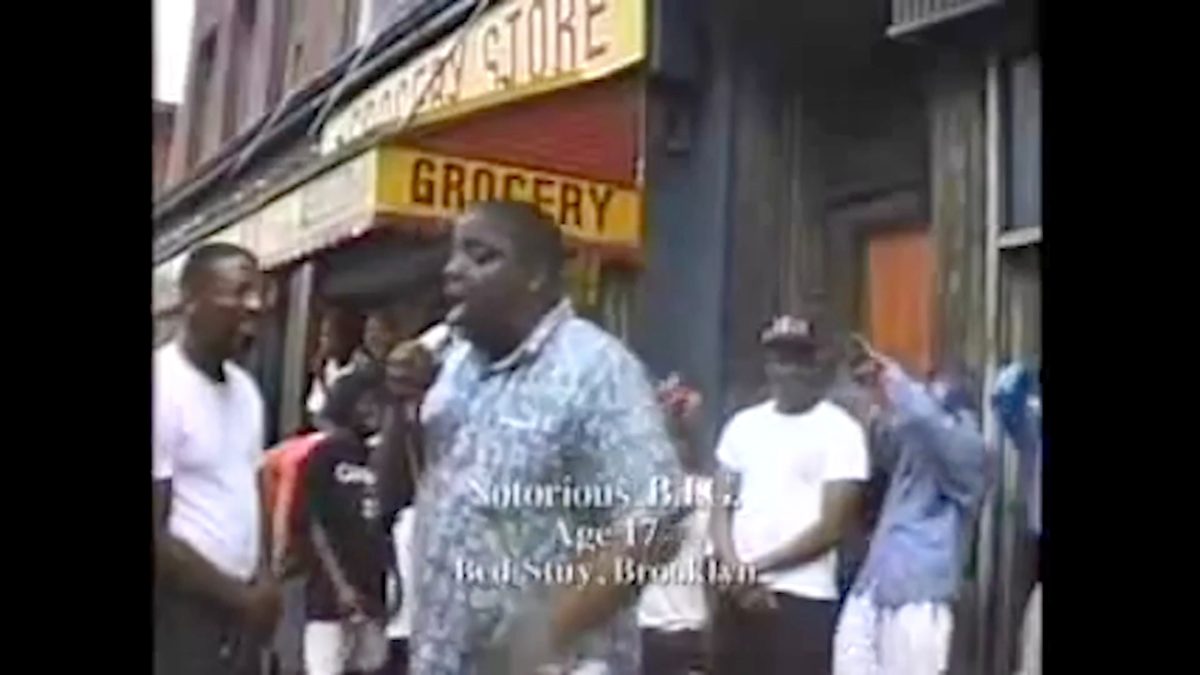
Arthur Jafa. Love Is the Message, the Message Is Death.
About seven minutes, hundreds of fragments, one song. Joy and violence follow each other without a pause.
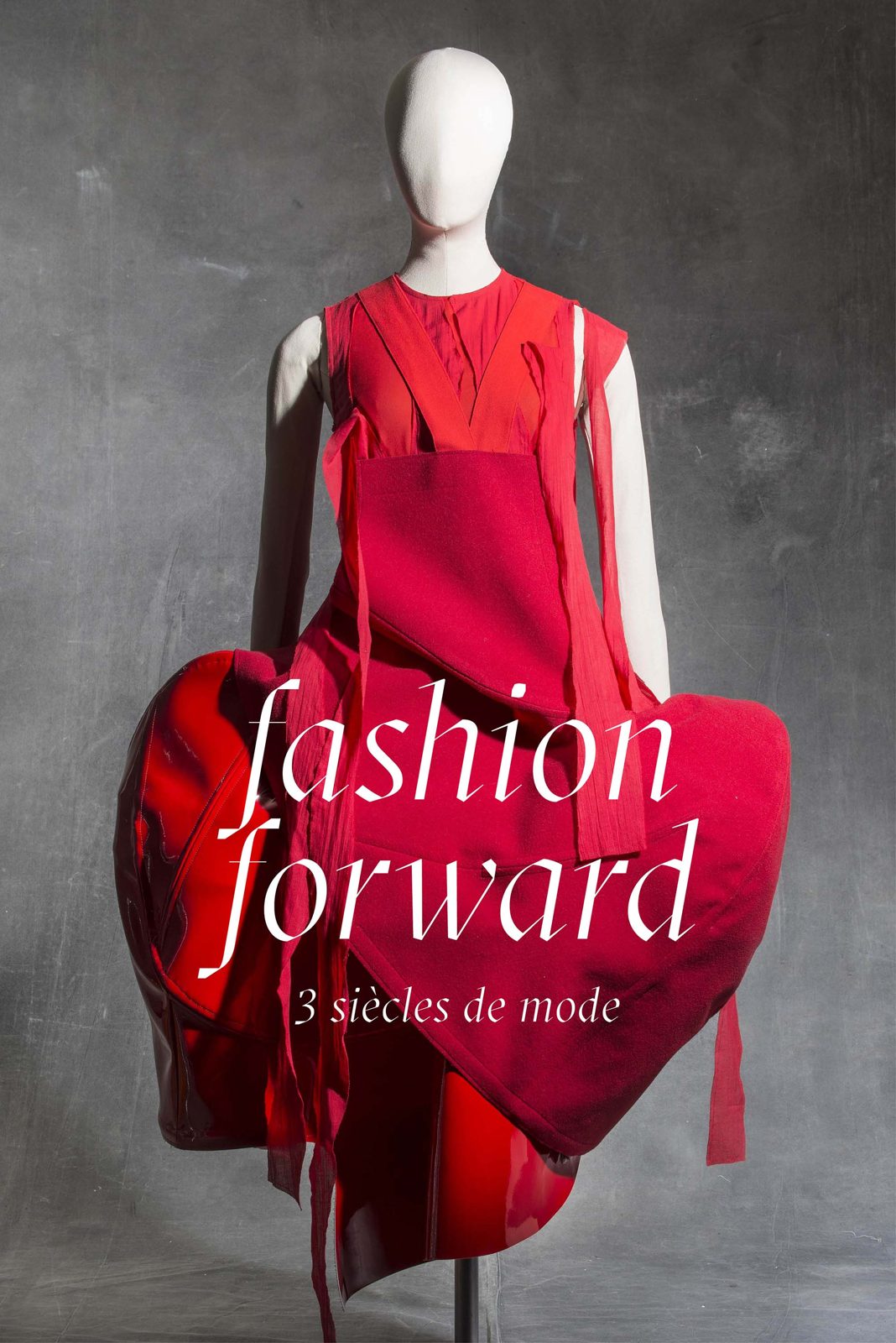
Fashion Forward, 3 siècles de mode.
Three hundred garments, three centuries, a choreographer shaping the stance of each era. Stored clothes waiting for a body to speak again.
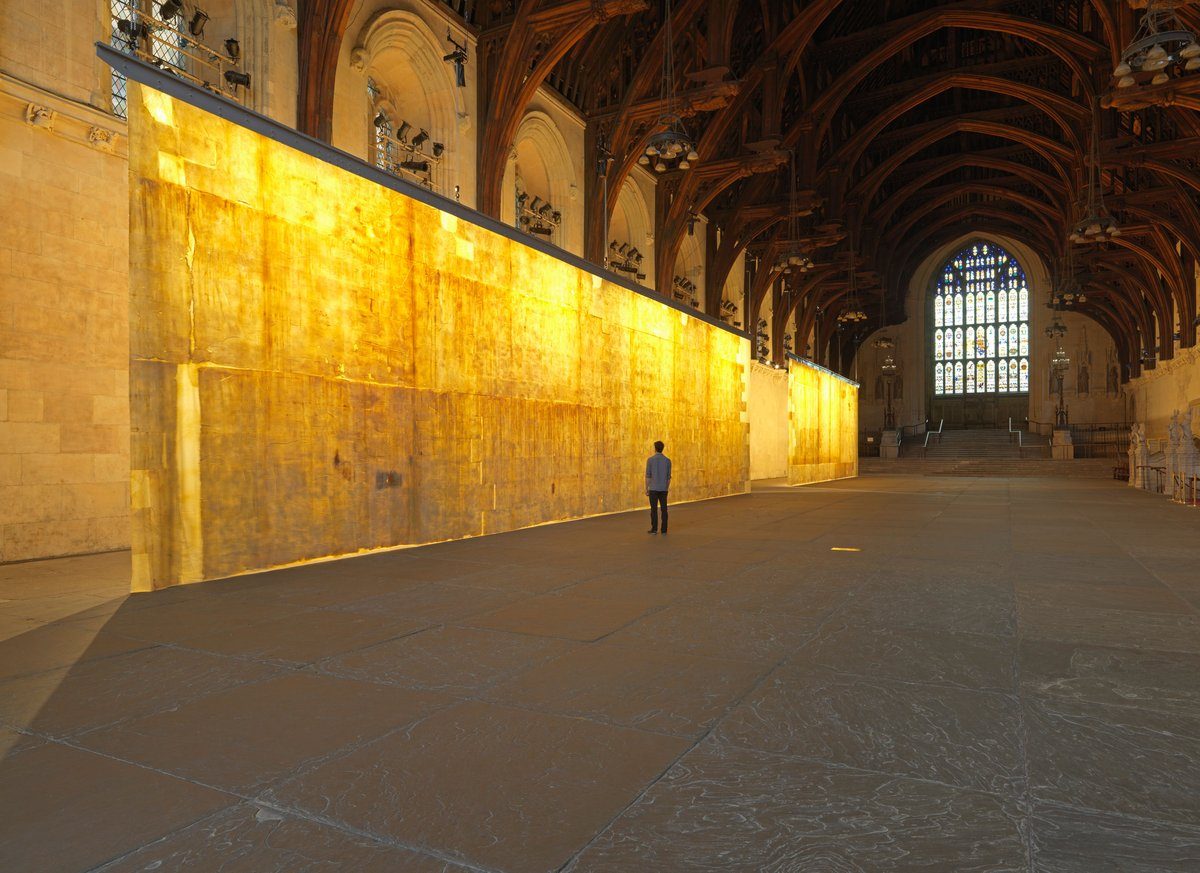
Jorge Otero-Pailos. The Ethics of Dust.
Latex sprayed onto the oldest wall of the British Parliament, then peeled away with centuries of dust. The sheet was hung beside the wall it came from.
MIYAKE ISSEY EXHIBITION: The Work of Miyake Issey.
Forty five years of Issey Miyake's clothes in three rooms in Tokyo. A flat piece of cloth, a pleat, a body stepping in.
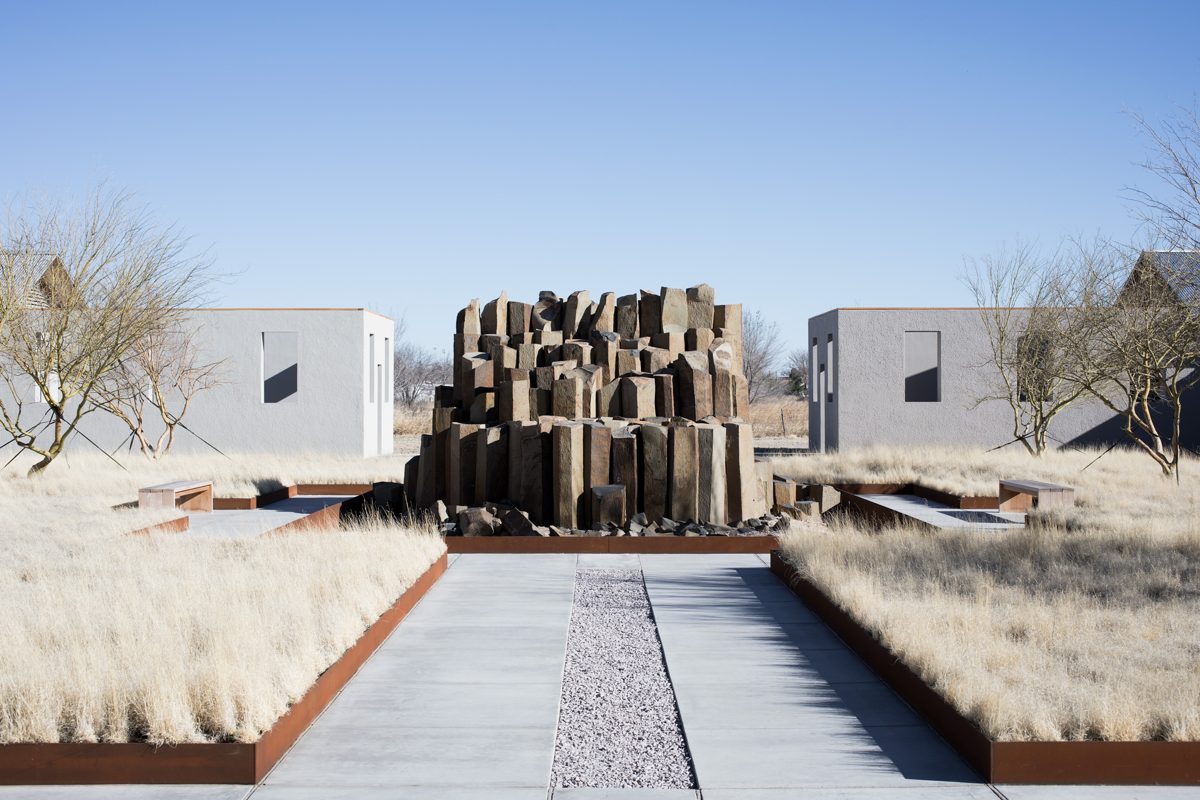
Robert Irwin. untitled (dawn to dusk).
A C shaped concrete building, rows of windows, two scrims in black and white. Nothing on the walls. The work is the light passing through a day.
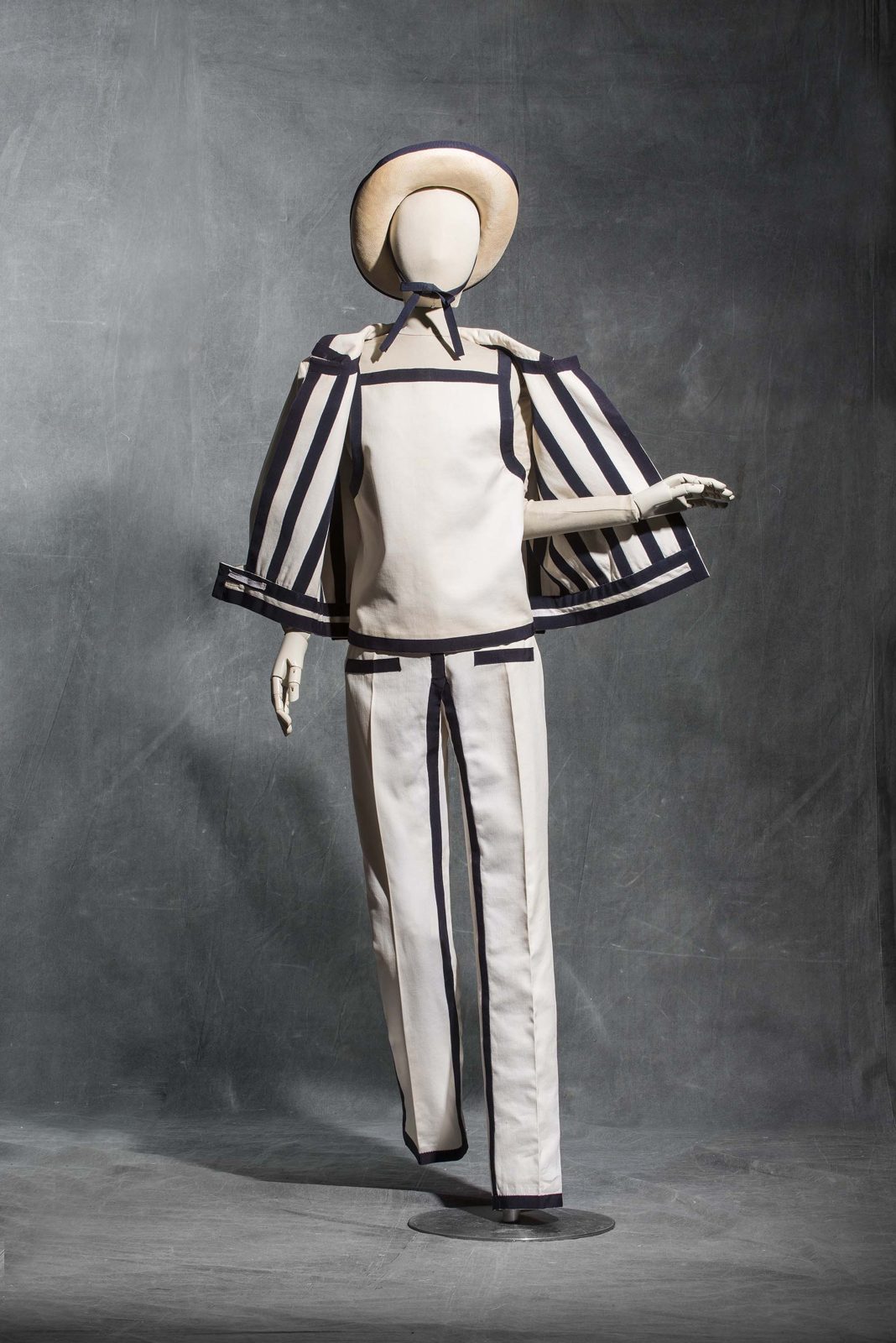
Tenue correcte exigée, quand le vêtement fait scandale.
Women's trousers, the miniskirt, a Mao collar suit in the French parliament. Each scandal exposes a rule.
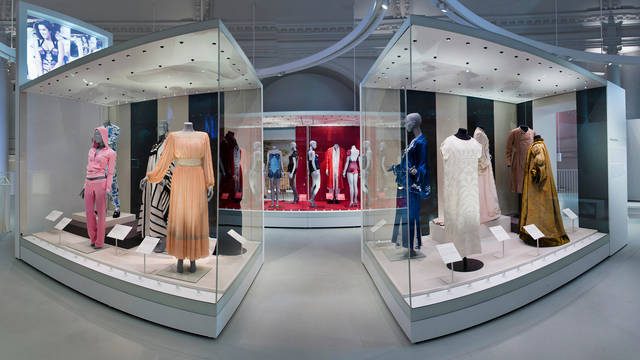
Undressed: A Brief History of Underwear.
A cotton and whalebone corset, a goose down petticoat, a trompe l'oeil corset dress. The layer few people see decides the shape of everything outside.
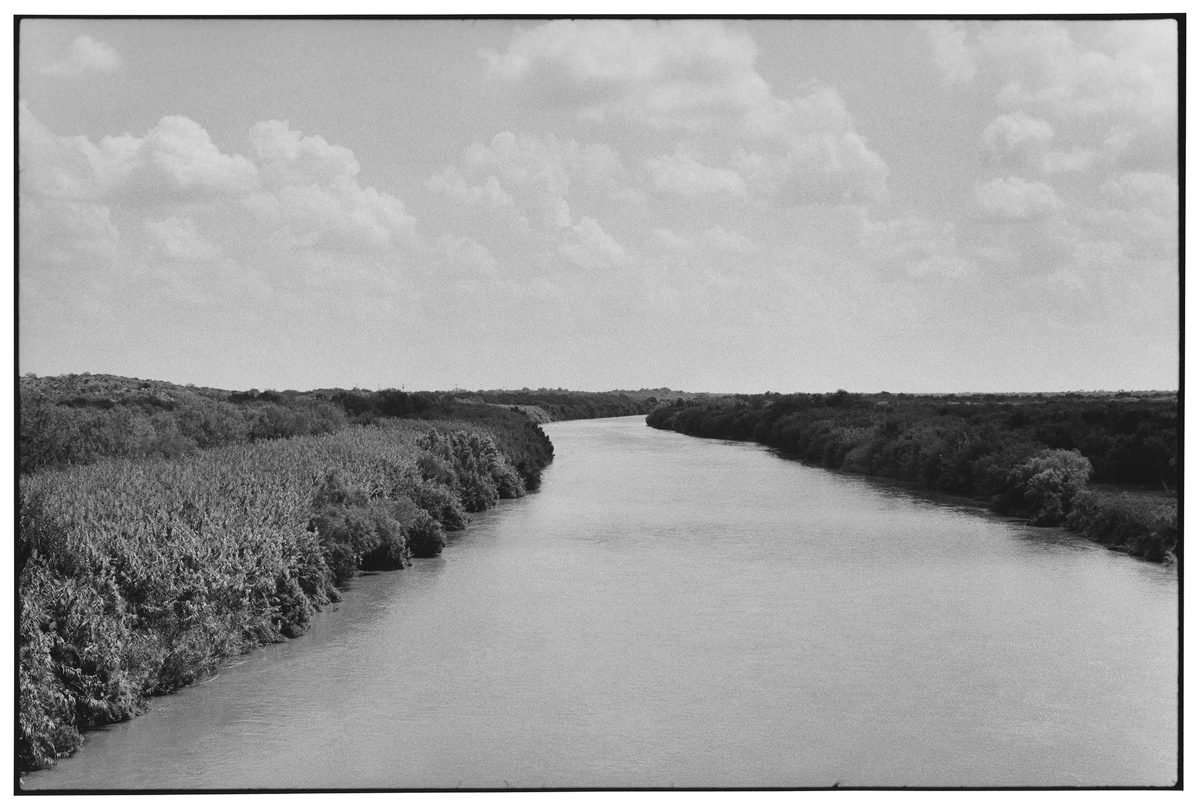
Zoe Leonard. Al río / To the River.
A river flows, and people draw a border on it. Zoe Leonard followed that water for years to see what it really is.
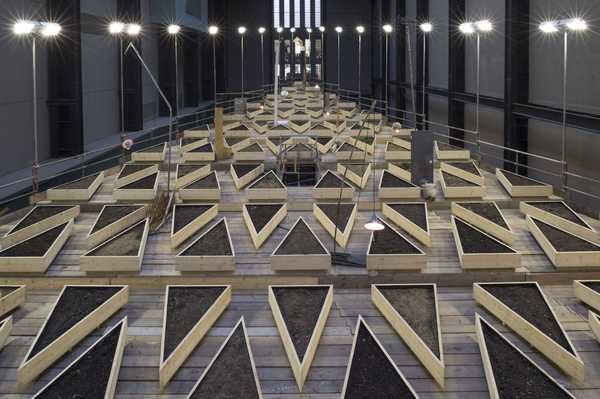
Abraham Cruzvillegas. Empty Lot.
Soil from parks across London, lamps, daily water, and not a single seed sown. Empty Lot lets the earth decide what will grow.
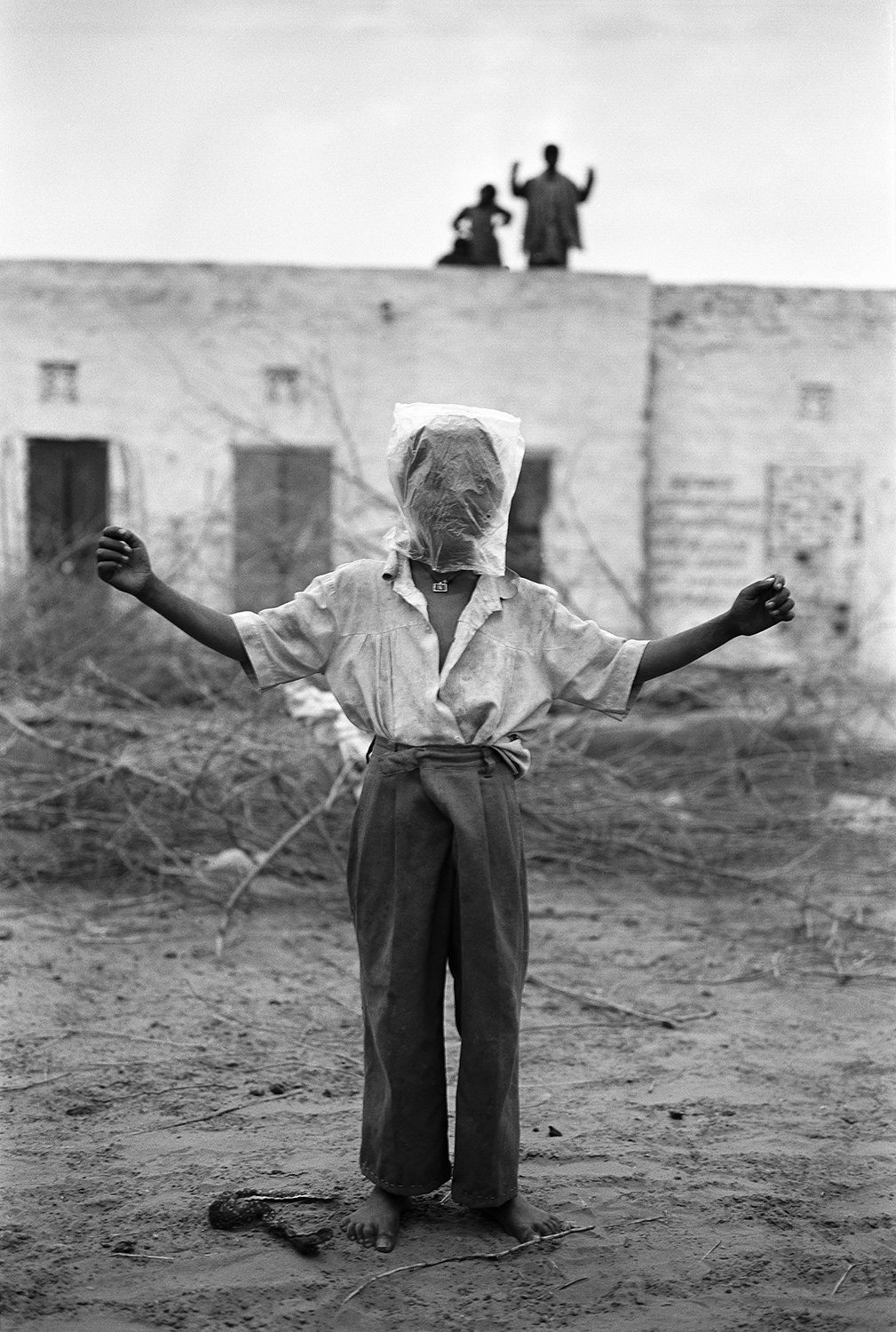
Gauri Gill. Acts of Appearance.
The masks are no longer gods. They are neighbours, animals, objects. Gauri Gill photographs their wearers in the middle of an ordinary day.
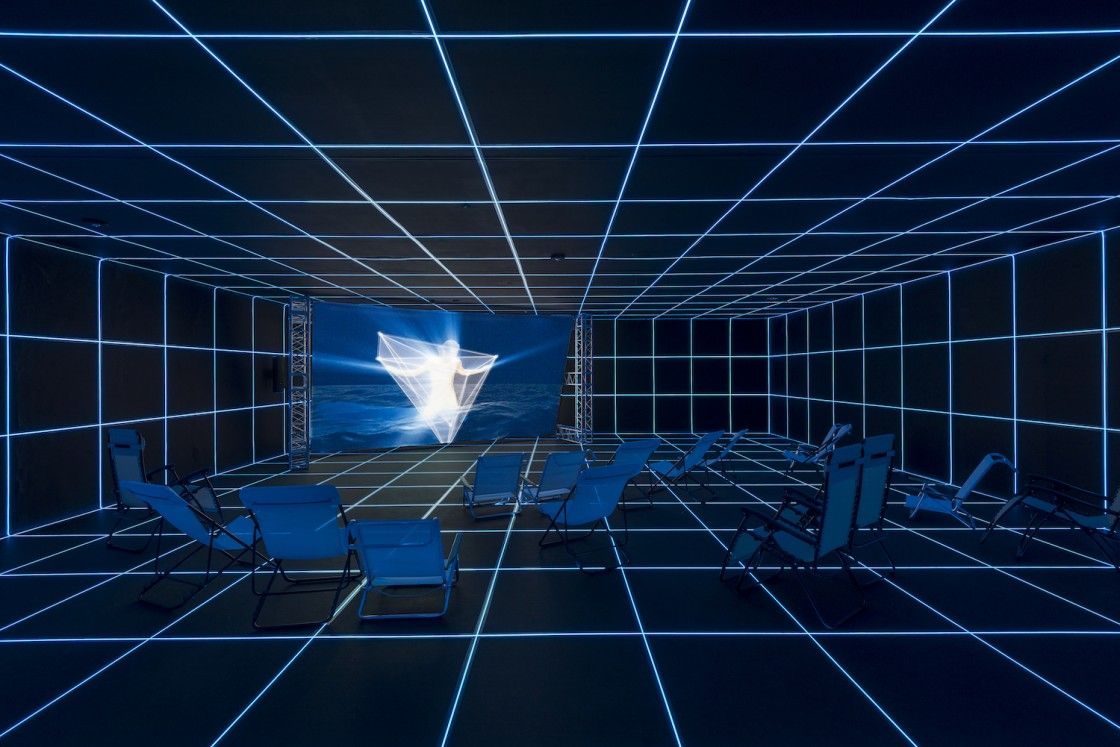
Hito Steyerl. Factory of the Sun.
In a blue grid studio, workers are forced to dance. Every move they make is turned into artificial sunshine.
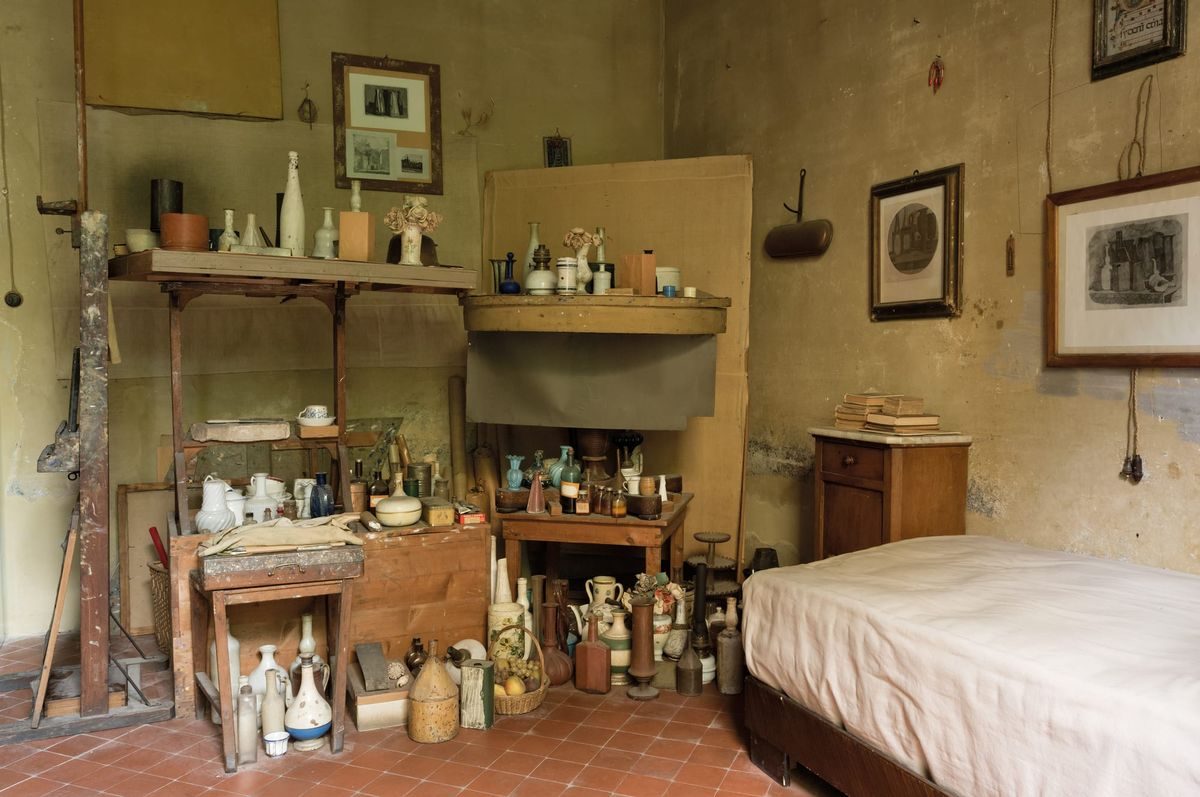
Joel Meyerowitz. Morandi's Objects.
Bottles, shells, tins, silk flowers. Meyerowitz set each one on Morandi's table and photographed it in the room's own light.
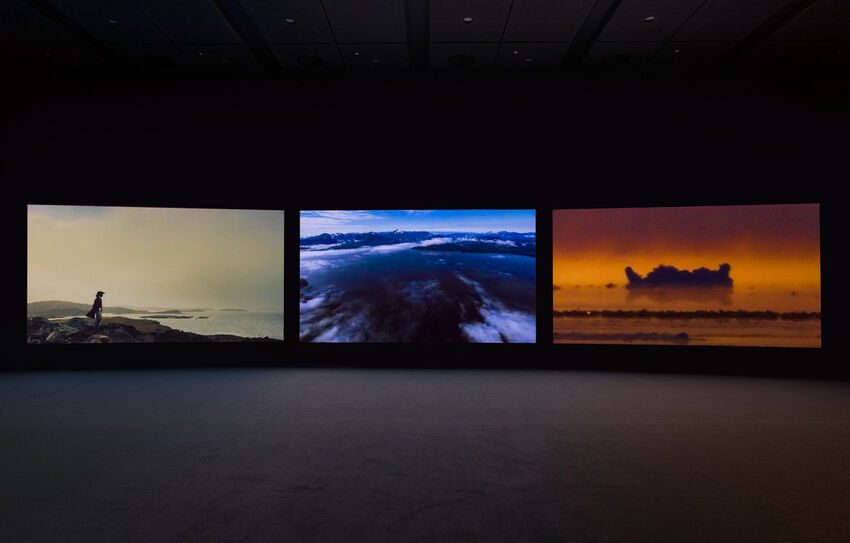
John Akomfrah. Vertigo Sea.
Whales, waves, migrant boats, slave ships. John Akomfrah sets them side by side on three screens and lets the sea tell the story.
Julian Rosefeldt. Manifesto.
Thirteen screens, one performer, old art manifestos spoken in the middle of everyday life. The words stay; the room changes.
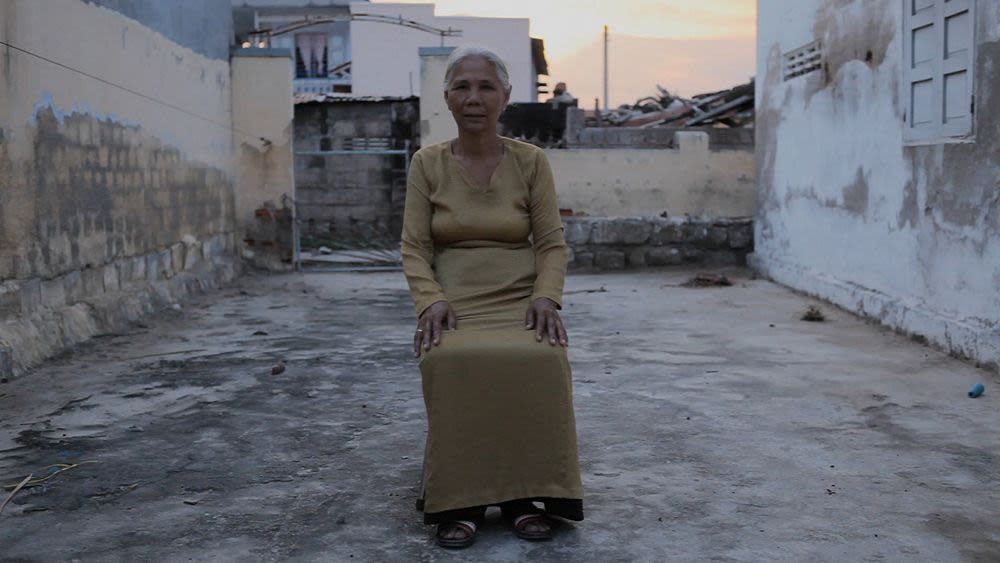
Nguyen Trinh Thi. Letters from Panduranga.
A woman in Ninh Thuan, a man travelling through central Vietnam. They write to each other, and wonder whether they have the right to film the Cham.
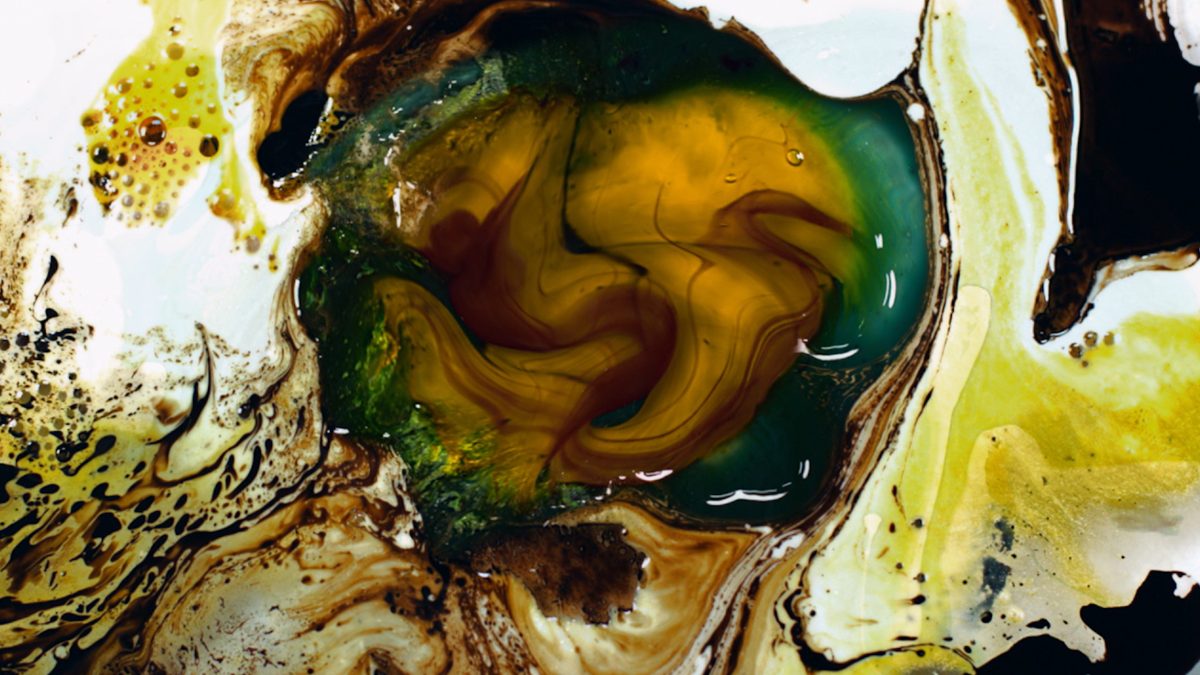
Rachel Rose. Everything and More.
Rachel Rose sets an astronaut's words against water and drifting liquids to ask what remains of the body when gravity disappears.
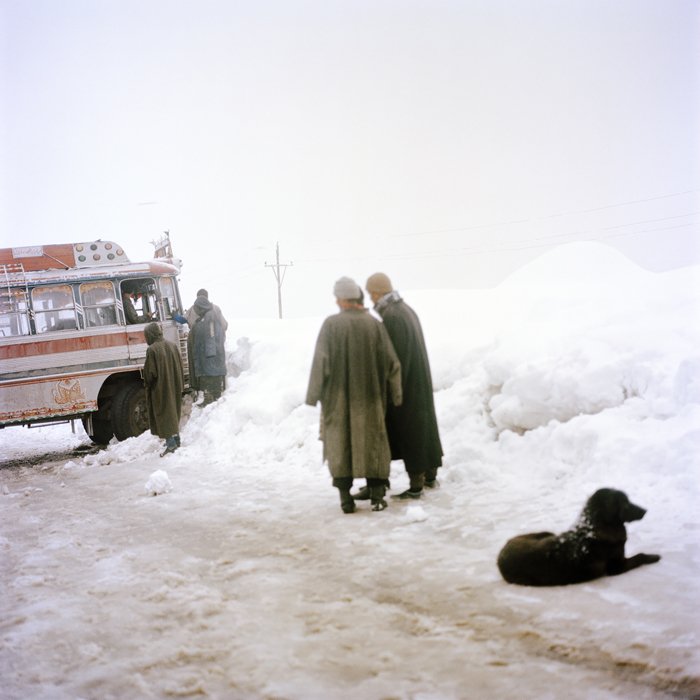
Sohrab Hura. Snow.
Five winters in Kashmir. Snow whitens everything, then melts and reveals what lies beneath. Sohrab Hura photographs both.
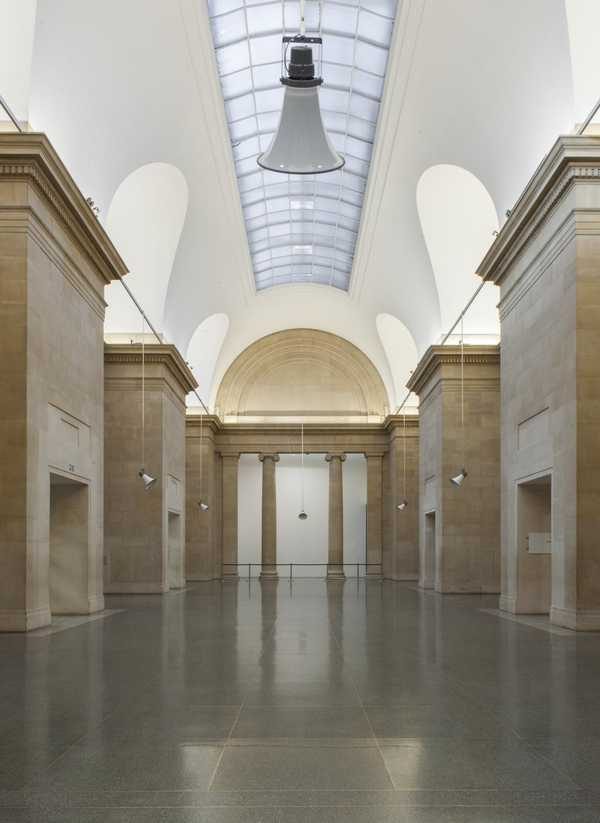
Susan Philipsz. War Damaged Musical Instruments.
Fourteen wind instruments damaged in war try to play a farewell call once more. What you hear most is breath.
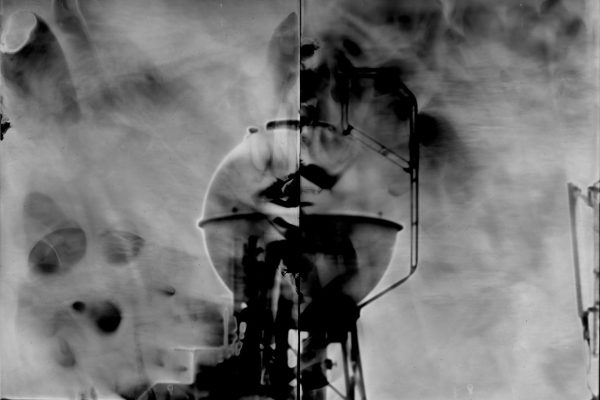
Takashi Homma. Tokyo Obscura.
Windows covered in black paper, gaps taped shut, one small opening onto the city. The room becomes a camera, and Tokyo appears upside down.
Taryn Simon. Paperwork and the Will of Capital.
36 bouquets rebuilt from photographs of international signings, over 4,000 specimens from the Aalsmeer flower auction, 12 concrete presses.
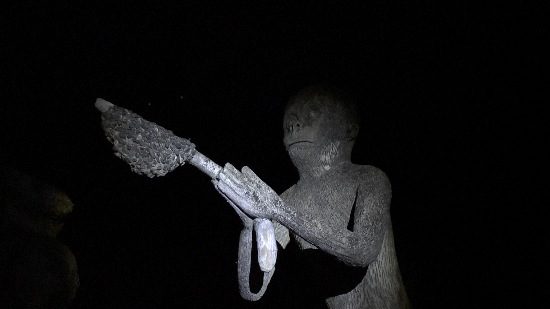
Apichatpong Weerasethakul. Fireworks (Archives).
Night in a sculpture park in Isan. Fireworks flare, lighting concrete animals for an instant, then go dark.
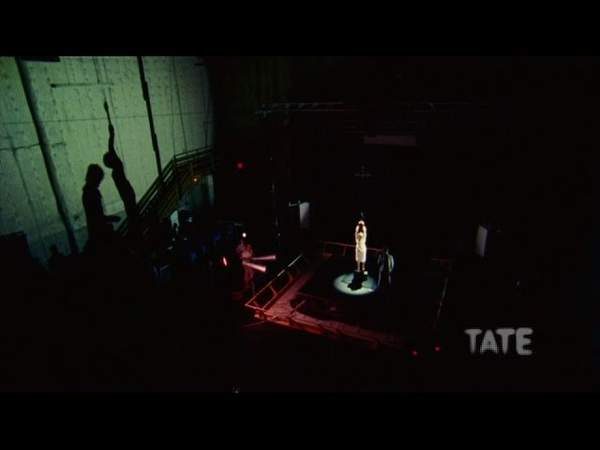
Bill Viola, Kira Perov. Martyrs (Earth, Air, Fire, Water).
Four people, four elements, four vertical screens at the end of an aisle in St Paul's. Martyrs is not about sacrifice. It shows a person holding steady.
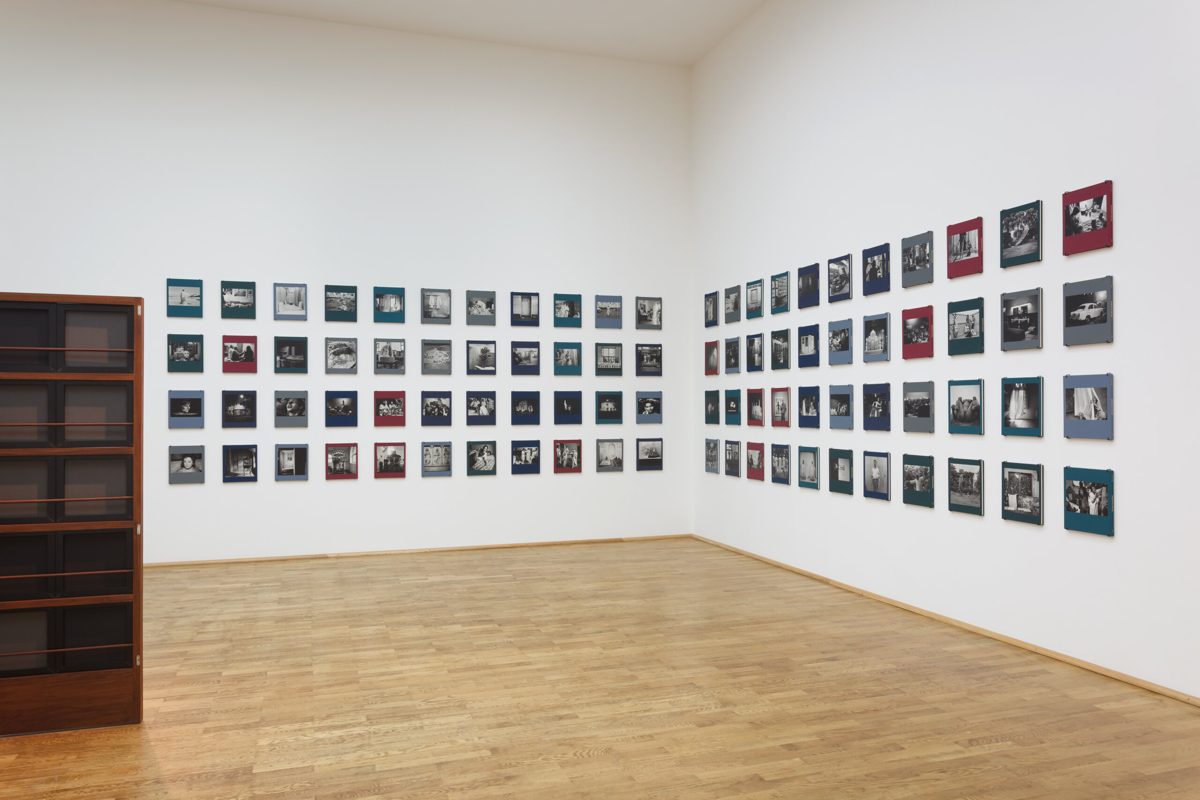
Dayanita Singh. Museum of Chance.
A wooden museum, a book with 44 different covers, two suitcases. Dayanita Singh lets chance arrange her photographs.
Kara Walker. A Subtlety, or the Marvelous Sugar Baby.
A sphinx woman coated in white sugar, lying in a warehouse with molasses on its walls. Sweetness set back in front of its history.
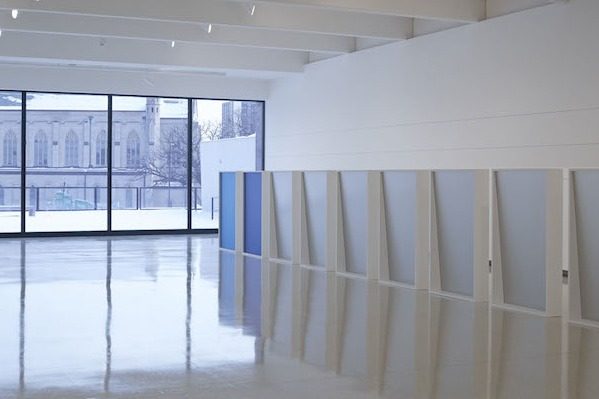
Liz Deschenes. Gallery 7.
No camera, no image. Only paper exposed to night light, silver and blue panels standing in a room, reflecting whoever passes.
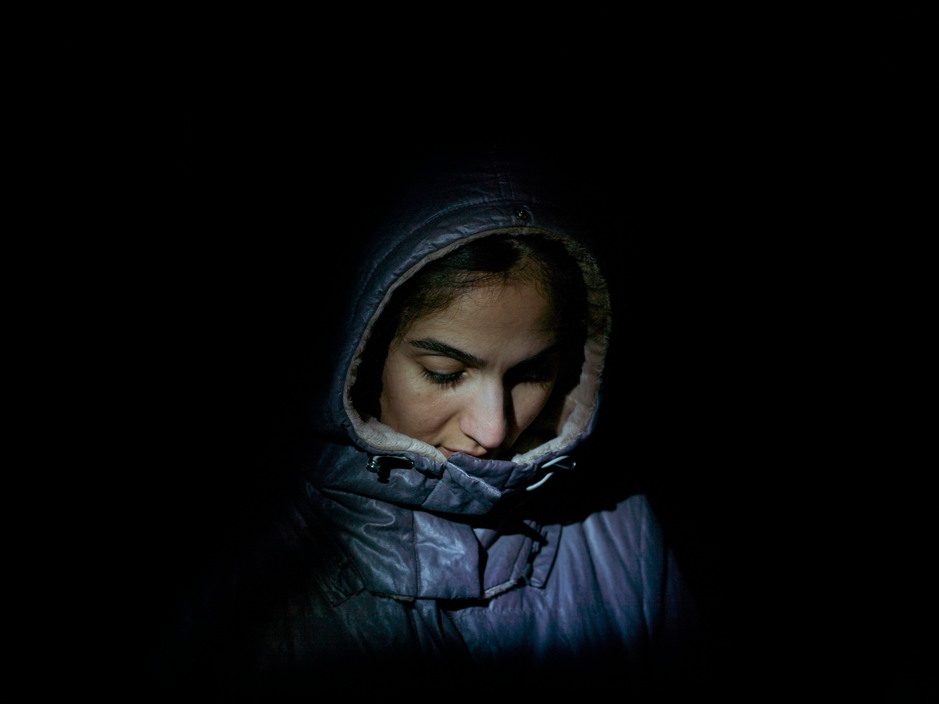
Newsha Tavakolian. Blank Pages of an Iranian Photo Album.
A birthday. A break at university. A day on the Caspian coast. Album pages of an Iranian generation, some still left blank.
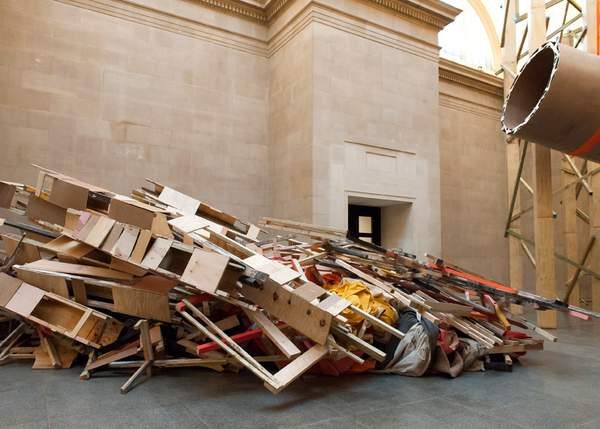
Phyllida Barlow. dock.
Seven sculptures of cheap materials block a hundred metre neoclassical hall. Visitors must walk around, duck, look up.
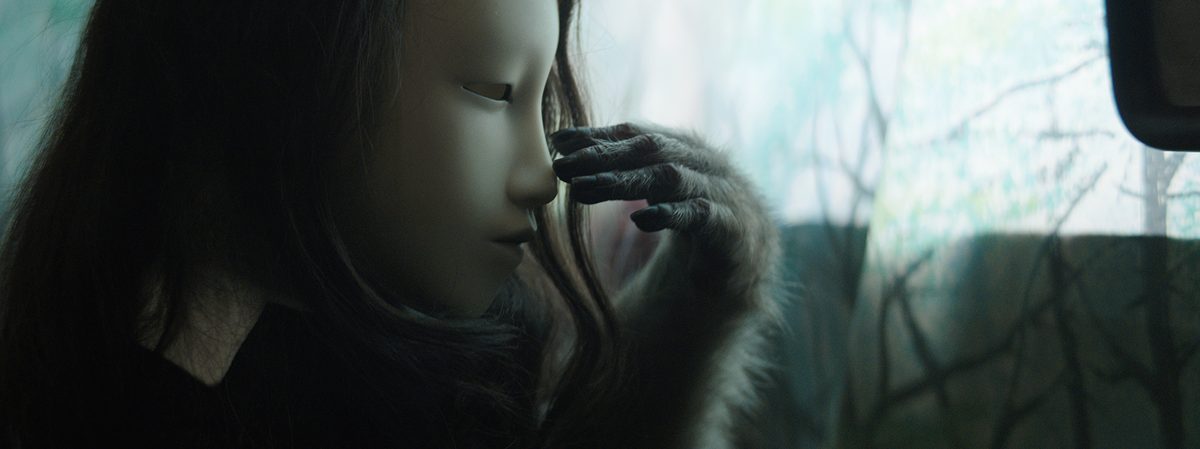
Pierre Huyghe. Untitled (Human Mask).
A monkey in a mask and wig moves through a bar with no customers left. The habits carry on after the people have gone.
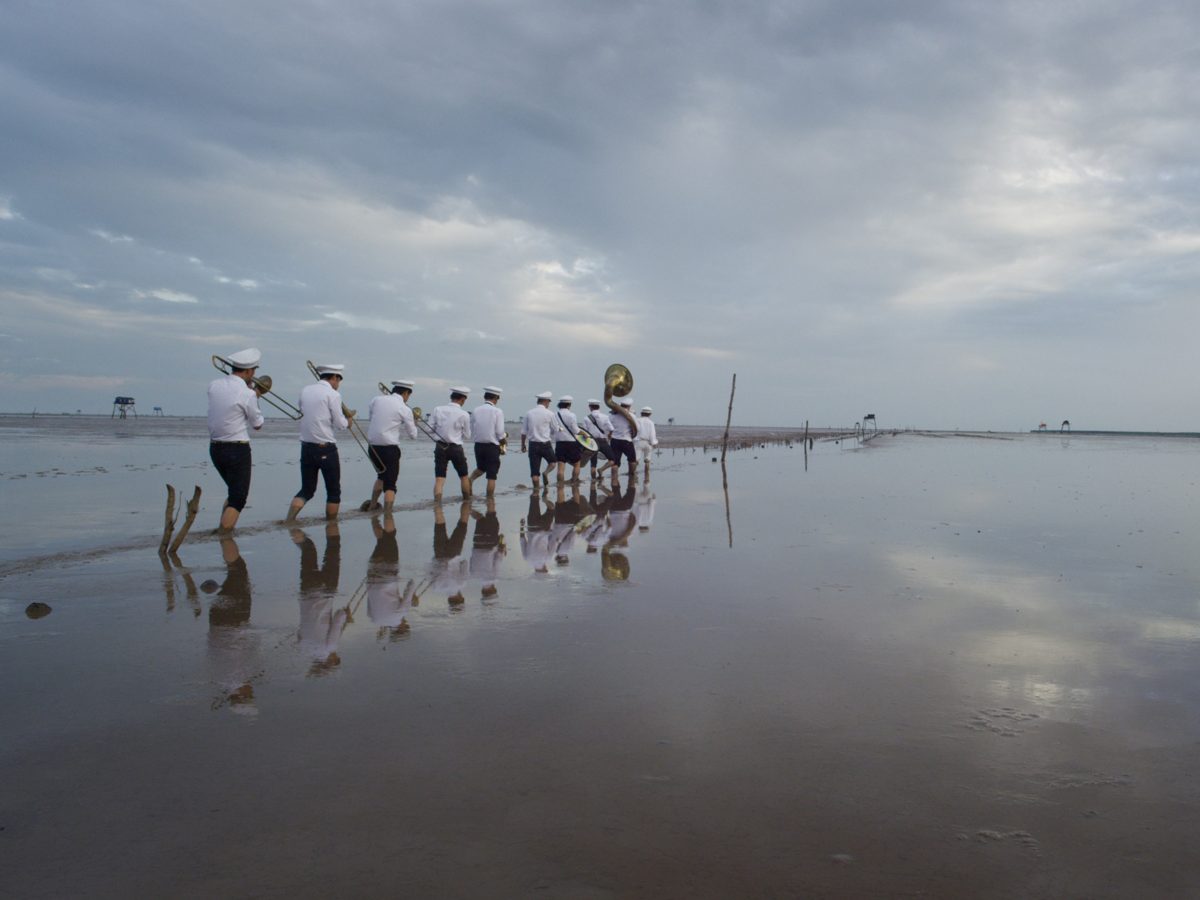
The Propeller Group. The Living Need Light, the Dead Need Music.
A funeral in the Mekong Delta has a brass band, hired mourners, street performers. Grief and joy walk in the same procession.
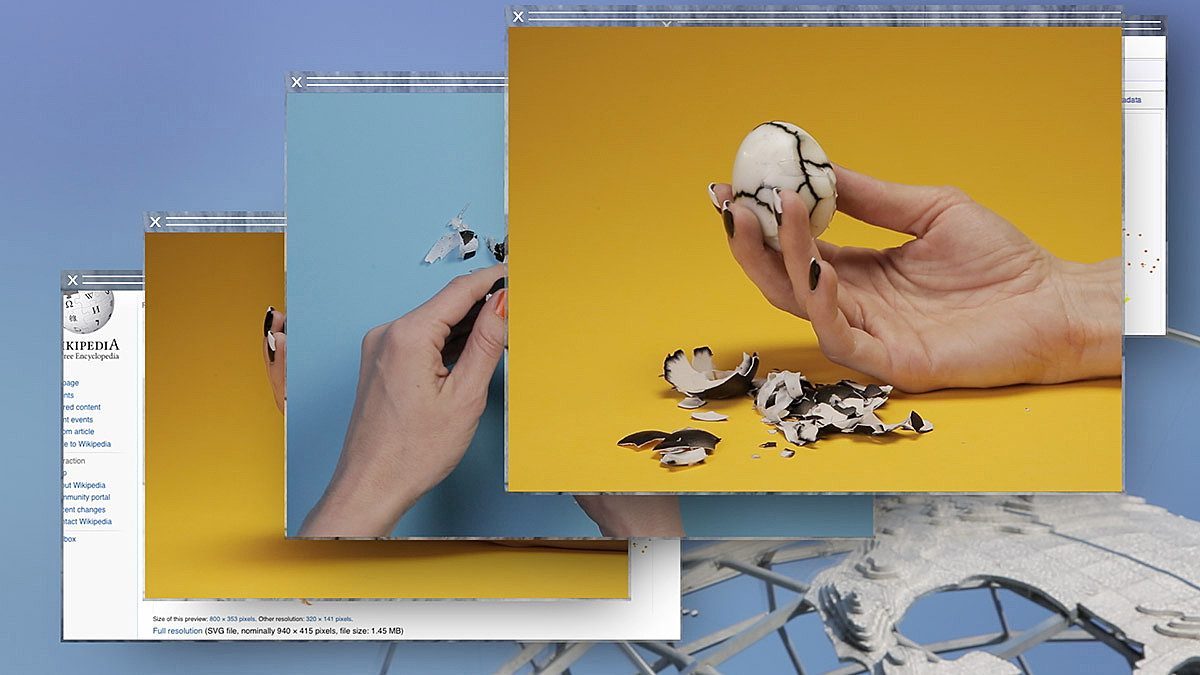
Camille Henrot. Grosse Fatigue.
A hand opens window after window, a voice recites the birth of the world. Camille Henrot shows how exhausting it is to try to gather all knowledge.
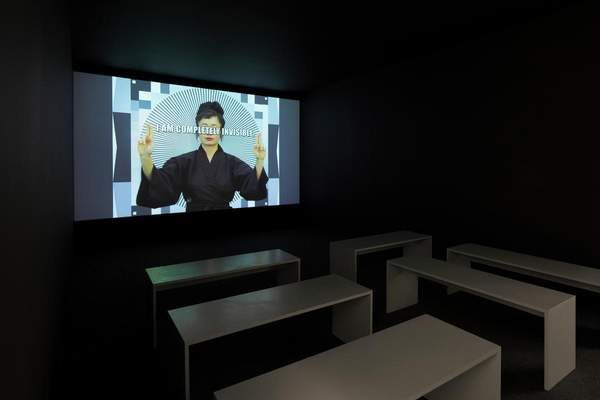
Hito Steyerl. How Not to Be Seen: A Fucking Didactic Educational .MOV File.
Hito Steyerl made a video lecture on how not to be seen. It is funny, then frightening, then funny again.
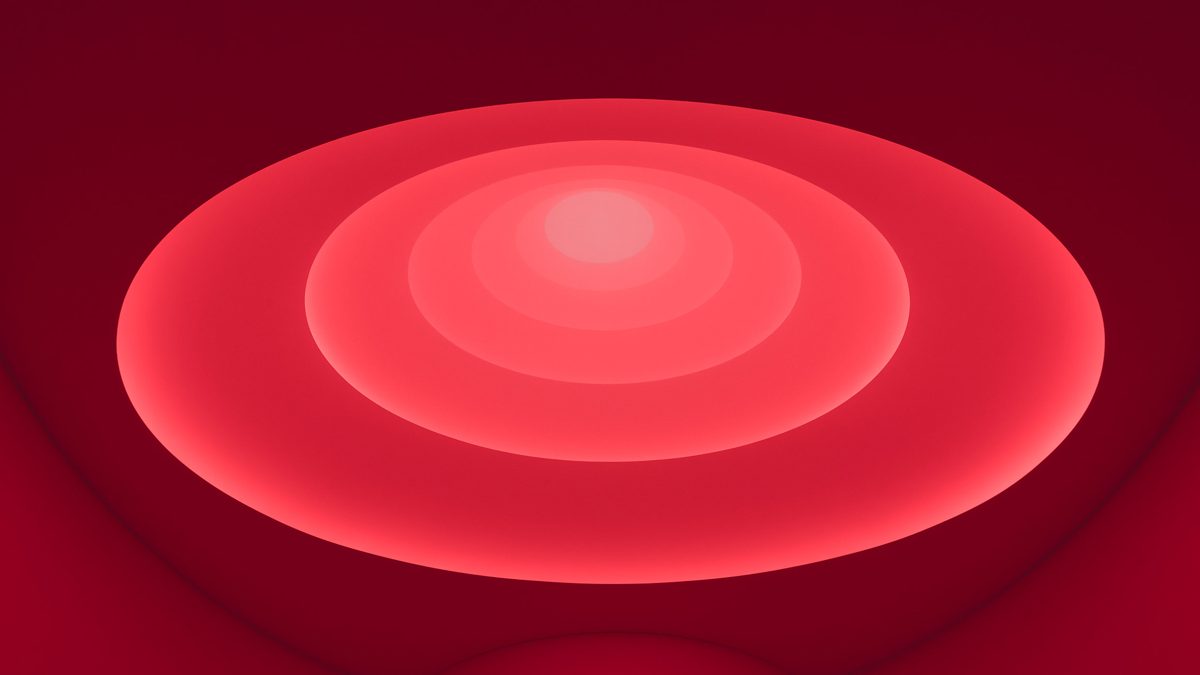
James Turrell. Aten Reign.
The Guggenheim rotunda became a volume of nested light, changing colour too slowly to catch. The work is what was always there: the air between the walls.
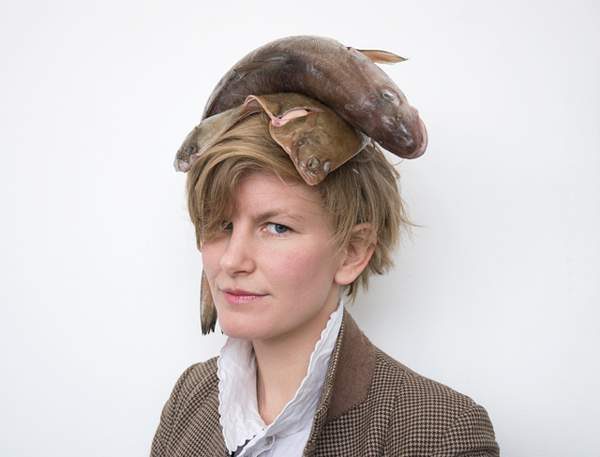
Laure Prouvost. Wantee.
The title comes from one woman's habitual question: want tea? Laure Prouvost built a fictional family around it and won the Turner Prize.
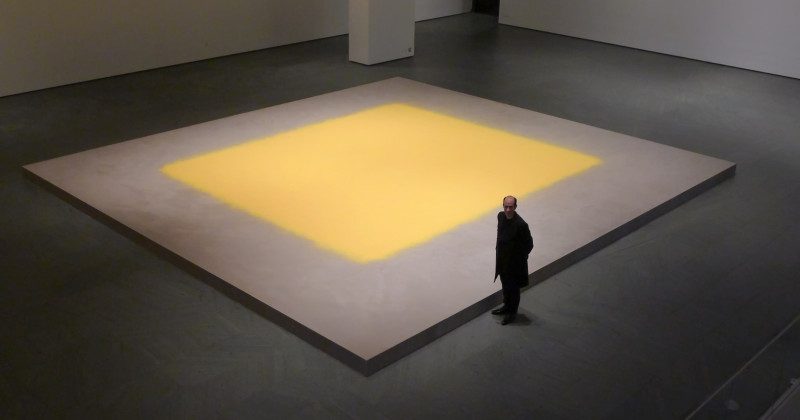
Wolfgang Laib. Pollen from Hazelnut.
Nearly twenty years of hazelnut pollen, laid out as a yellow rectangle on MoMA's floor. No frame, no plinth.
Yayoi Kusama. Infinity Mirrored Room: The Souls of Millions of Light Years Away.
The door closes. Mirrors all around, water underfoot, lights flickering overhead. About 45 seconds later the door opens onto a finite room again.
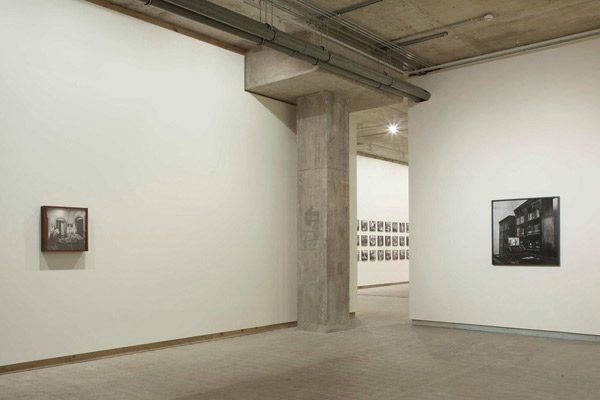
Dayanita Singh. File Museum.
Rusted shelves, sacks, trunks, stacks of tied paper. Dayanita Singh photographed Indian archives and built her pictures an archive of wood.
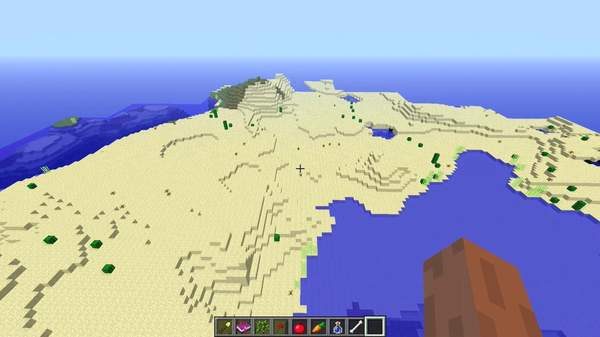
Harun Farocki. Parallel I-IV.
Four videos on video game graphics, from crude lines to worlds that look almost real. Farocki asks what is still missing.
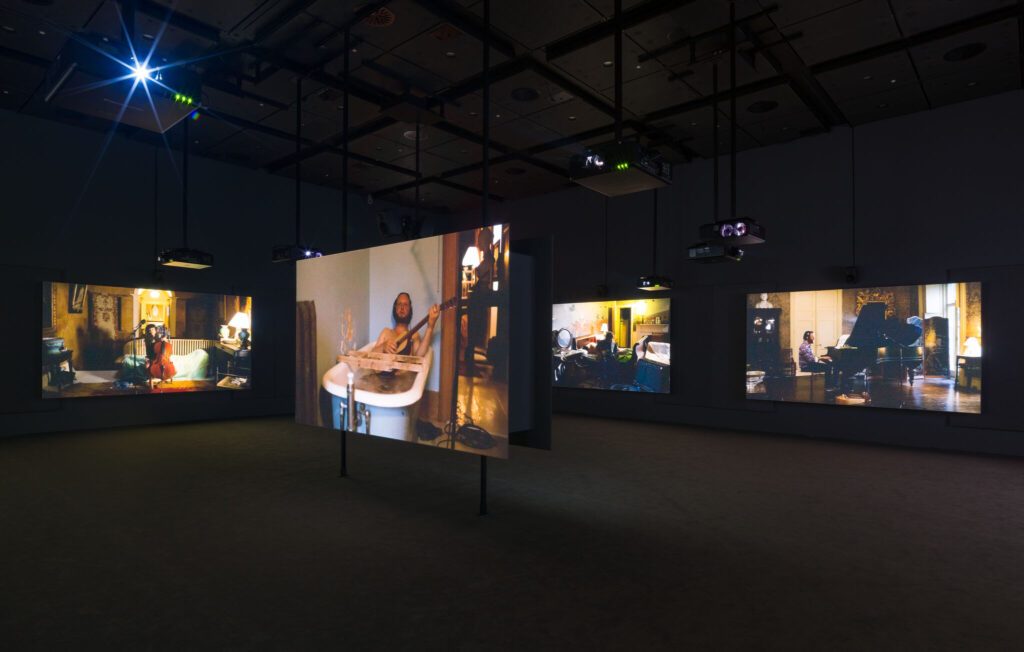
Ragnar Kjartansson. The Visitors.
Nine musicians, each in a room of an old estate, sing one short song over and over for more than an hour.
Random International. Rain Room.
Walk into rain without getting wet. Rain Room uses cameras to make the rain withdraw around each person, and asks whether we are in control or being watched.
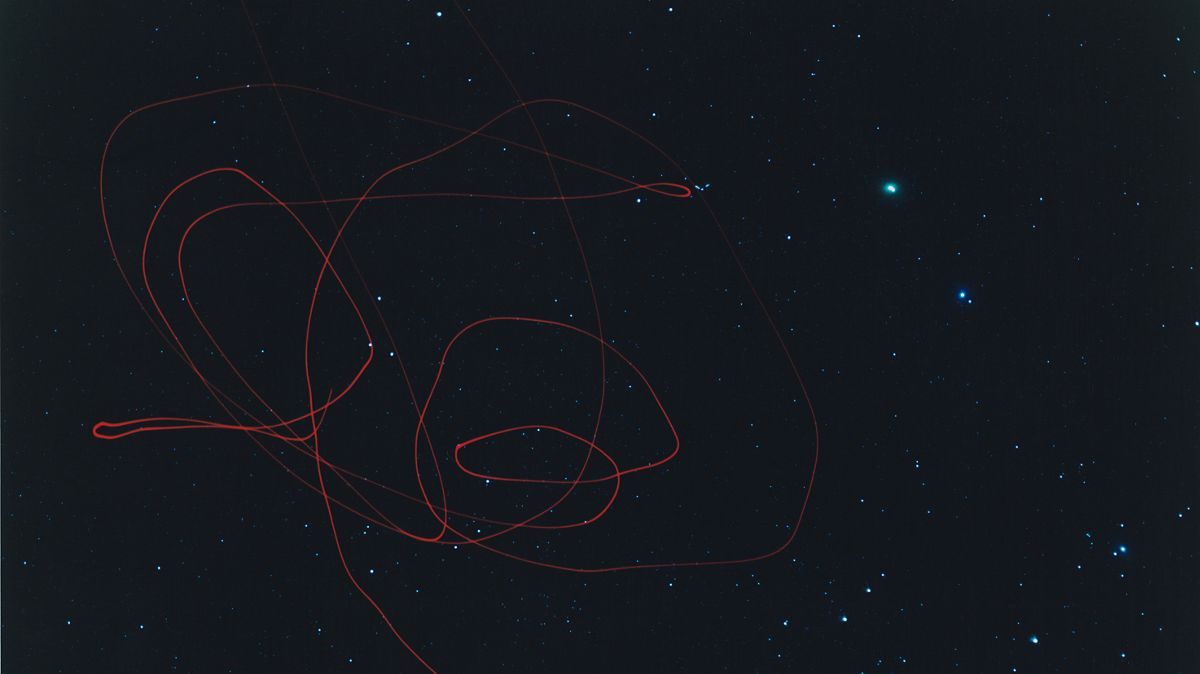
Rinko Kawauchi. Ametsuchi.
Every spring the people of Aso burn their grasslands as their ancestors did. Kawauchi stands in the smoke and looks up at the sky.
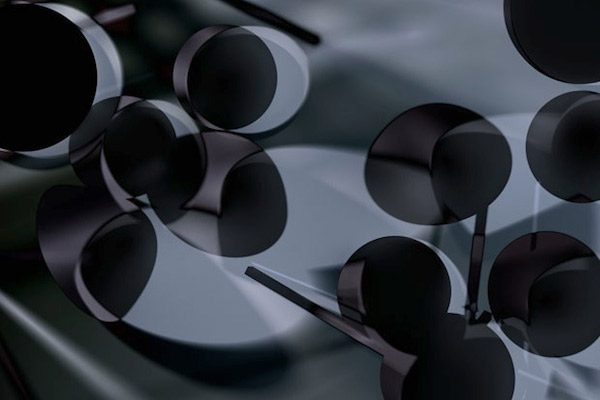
Thomas Ruff. Photograms.
A photogram is the shadow of an object laid on photographic paper. Thomas Ruff makes photograms with no object, no paper and no real darkroom.
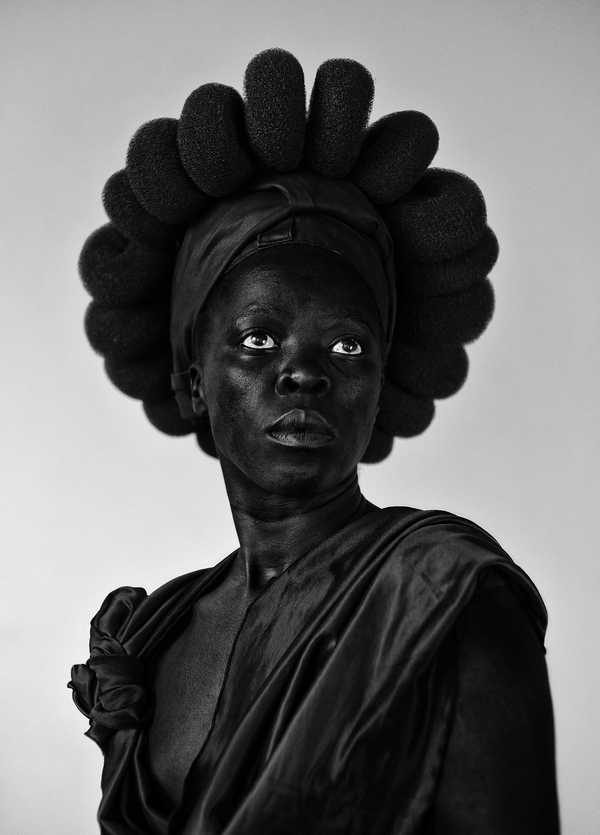
Zanele Muholi. Somnyama Ngonyama (Hail the Dark Lioness).
A scouring pad becomes a headdress, latex gloves a crown, skin printed darker. Zanele Muholi turns the camera on themself to ask who looks at whom.
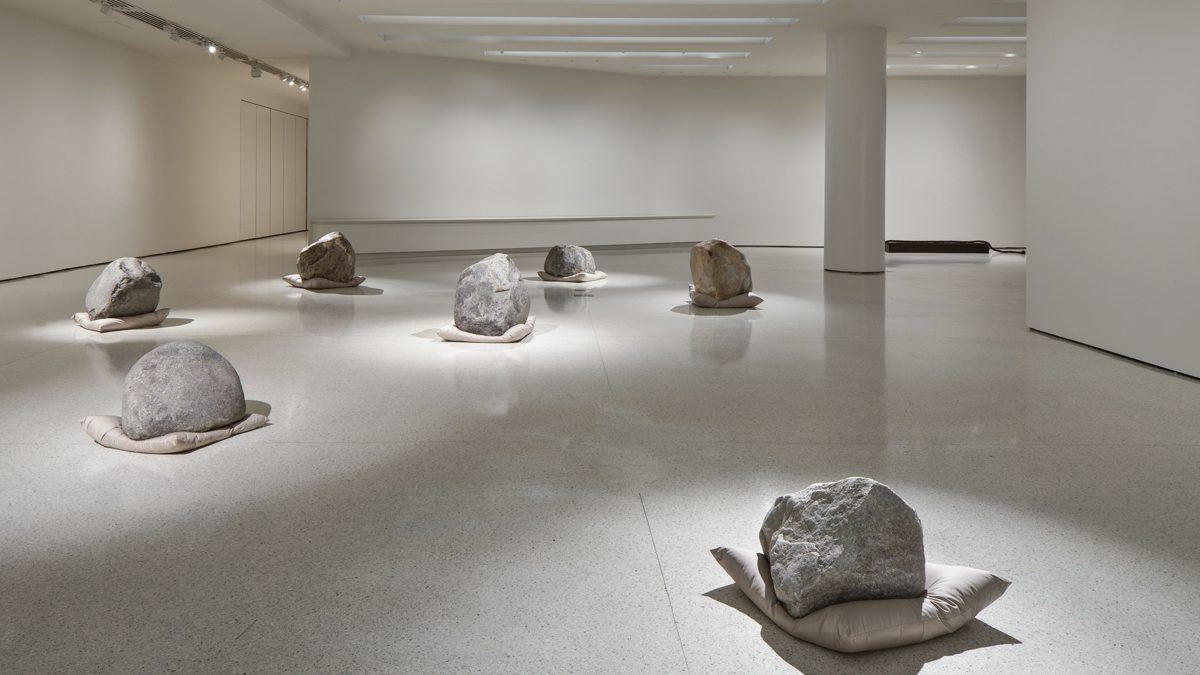
Lee Ufan. Relatum.
The stone is not carved. The steel is not bent. Lee Ufan only sets them side by side and lets the space between do the rest.
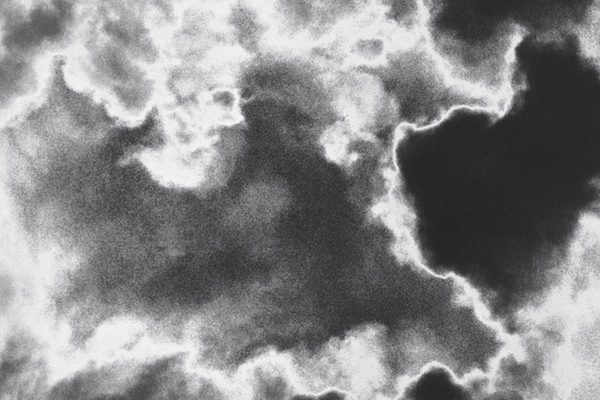
Lisa Oppenheim. Smoke.
Smoke from a 1913 oil field explosion, from wartime aerial surveillance, from the 2011 London riots. Oppenheim prints it with matches and a torch.
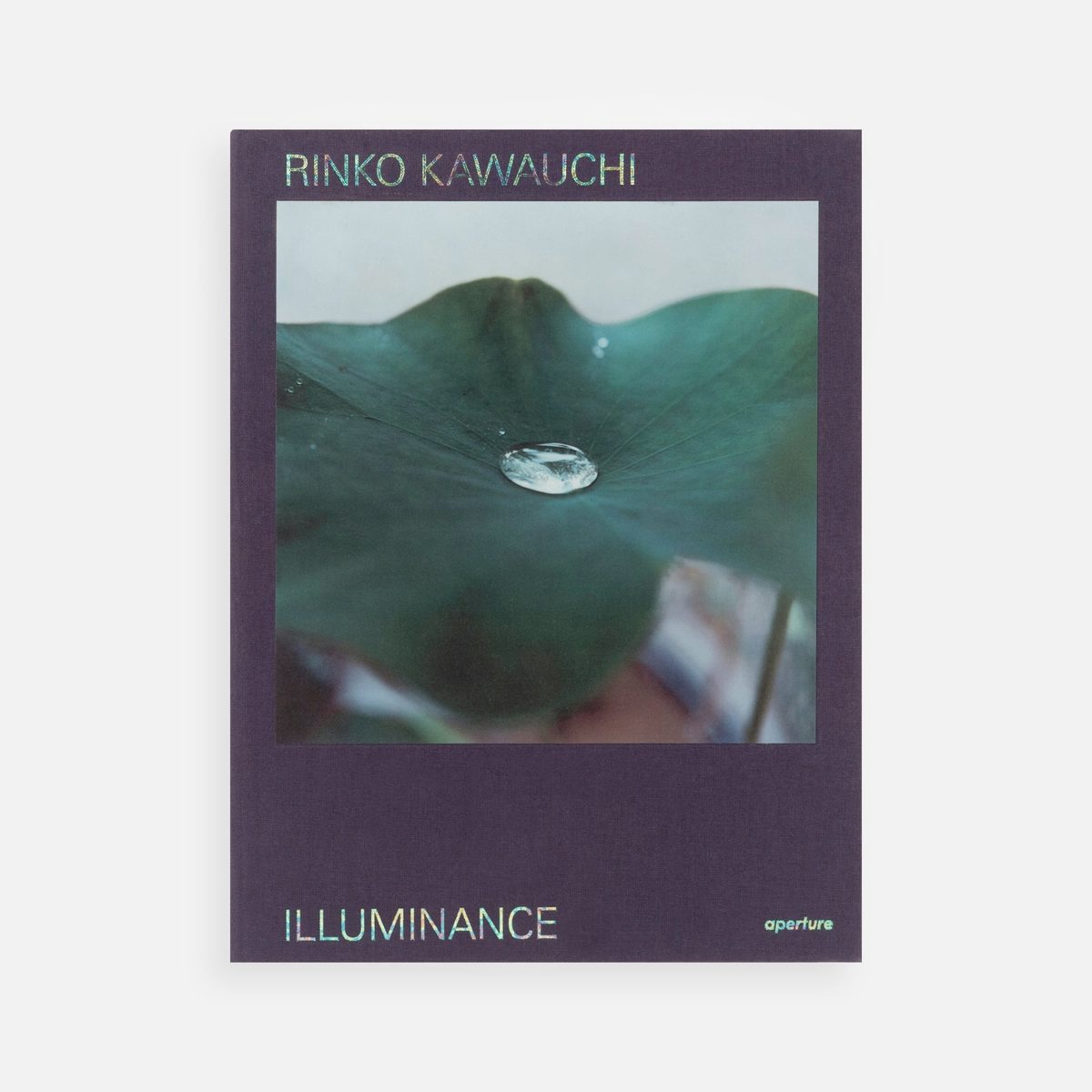
Rinko Kawauchi. Illuminance.
A puddle, a hand, a patch of sun on a wall. Illuminance has no story, only the rhythm of pictures placed side by side.
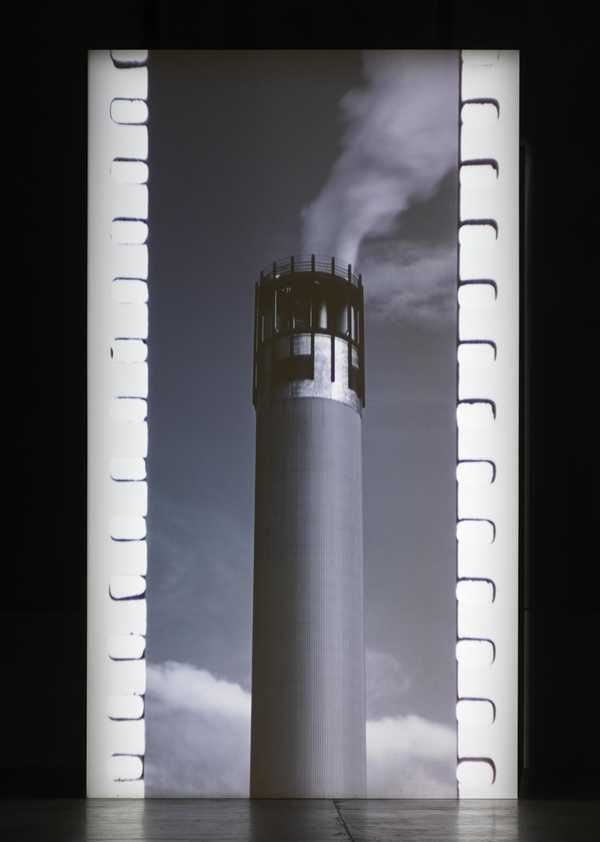
Tacita Dean. FILM.
Eleven silent minutes on a loop, standing upright like a monument. Tacita Dean did not film about film. She let film stand as its own witness.
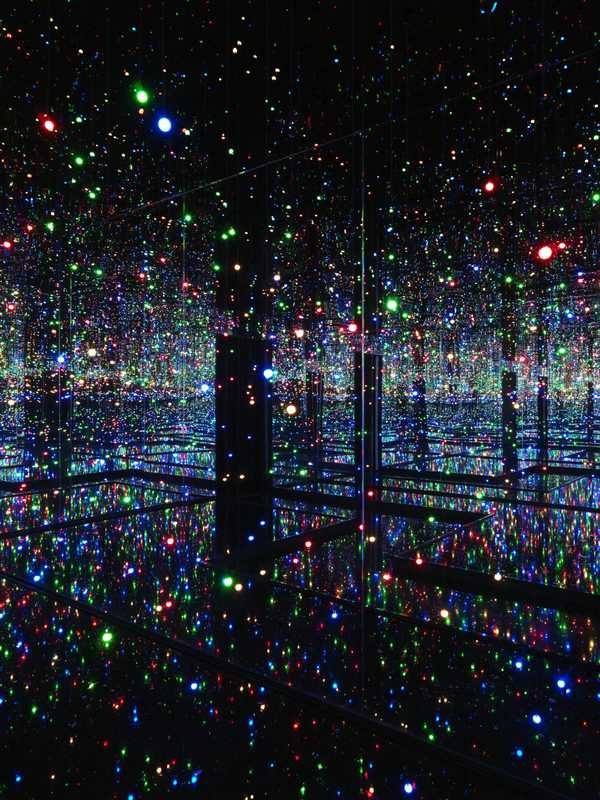
Yayoi Kusama. Infinity Mirrored Room: Filled with the Brilliance of Life.
A narrow path crosses dark water. Around the visitor, hundreds of points of light change colour and multiply in mirrors. There is only one path, and it leads back to the door.
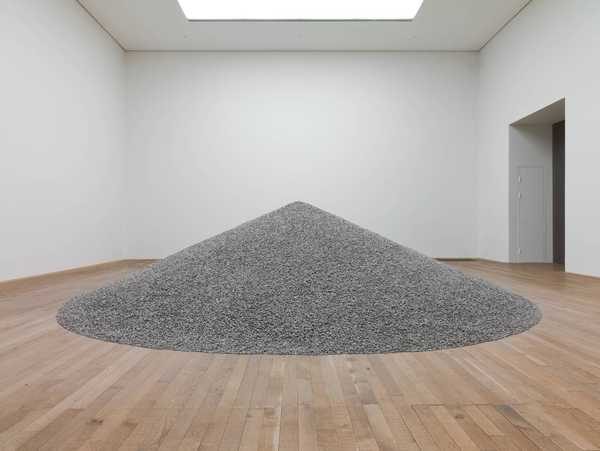
Ai Weiwei. Sunflower Seeds.
From afar, a grey field. Up close, every porcelain seed was shaped and painted on its own. Sunflower Seeds sets the one beside the many.
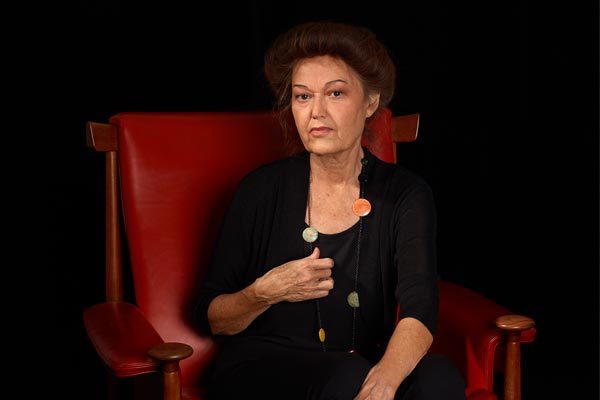
Catherine Opie. 700 Nimes Road.
Hatboxes on a lavender shag rug. Gowns in clear boxes. A bedside table. Elizabeth Taylor never appears, yet she is everywhere.
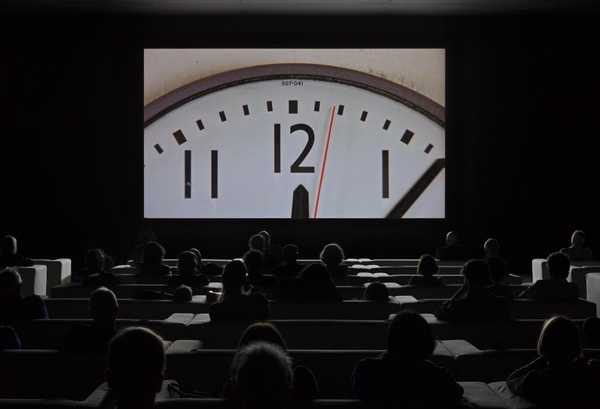
Christian Marclay. The Clock.
Twenty four hours of film, each minute on screen matching the minute outside. Watching the film is watching the time.
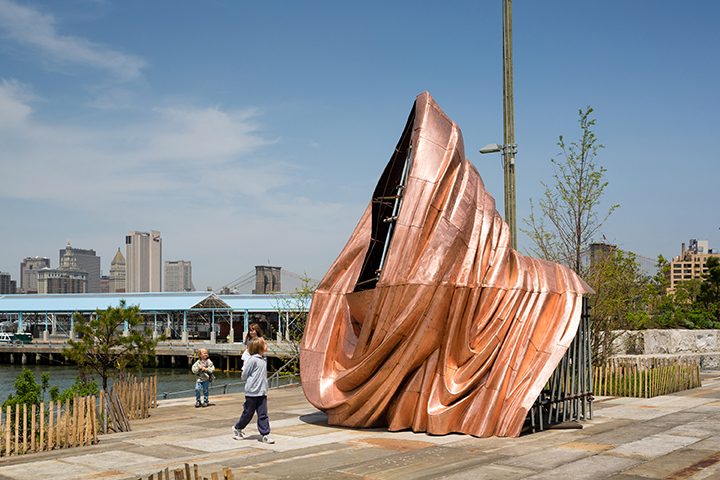
Danh Vo. We The People.
A full scale copy of the Statue of Liberty, split into about 250 pieces of copper as thin as two stacked coins. Never assembled.
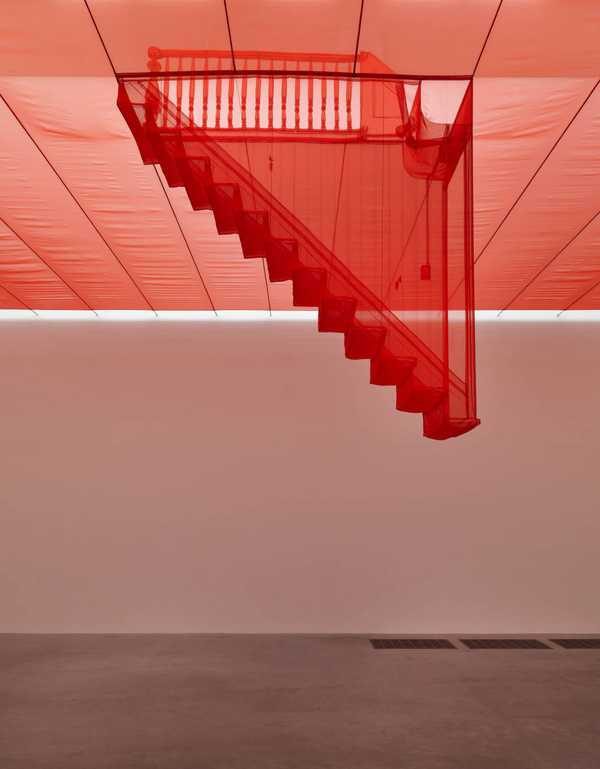
Do Ho Suh. Staircase-III.
A staircase of thin red fabric, hanging above the viewer. No one can climb it. Do Ho Suh sews part of a home again so it can be carried as a memory.
Future Beauty: 30 Years of Japanese Fashion.
Issey Miyake, Rei Kawakubo, Yohji Yamamoto and those who followed. At the Barbican, thirty years of Japanese fashion read as a conversation across generations.
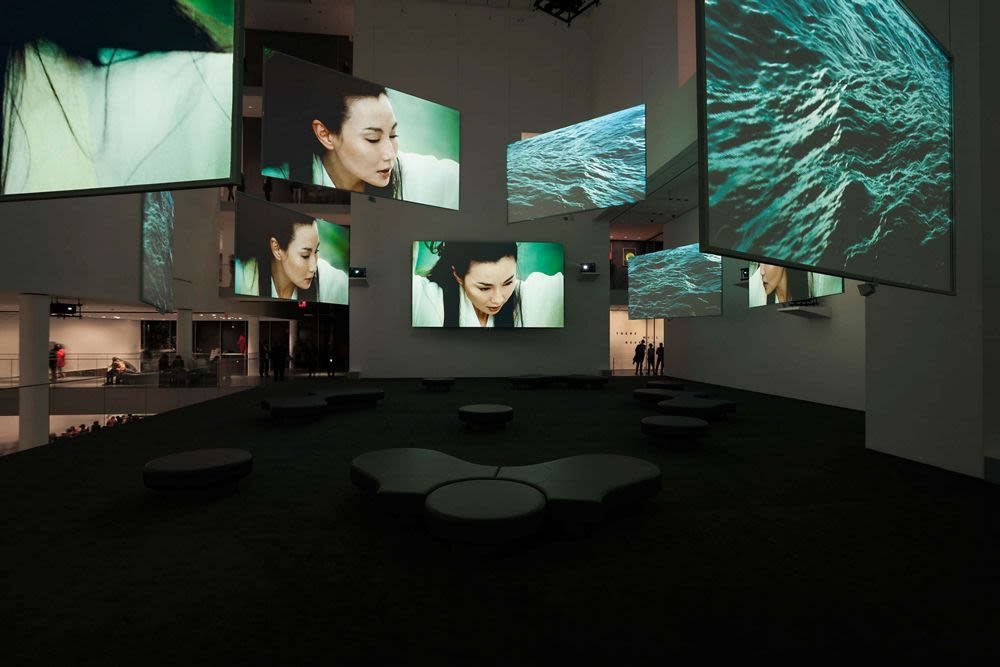
Isaac Julien. Ten Thousand Waves.
Twenty three cockle pickers drowned in one night tide. Isaac Julien brings them back through nine screens, a goddess and a city.
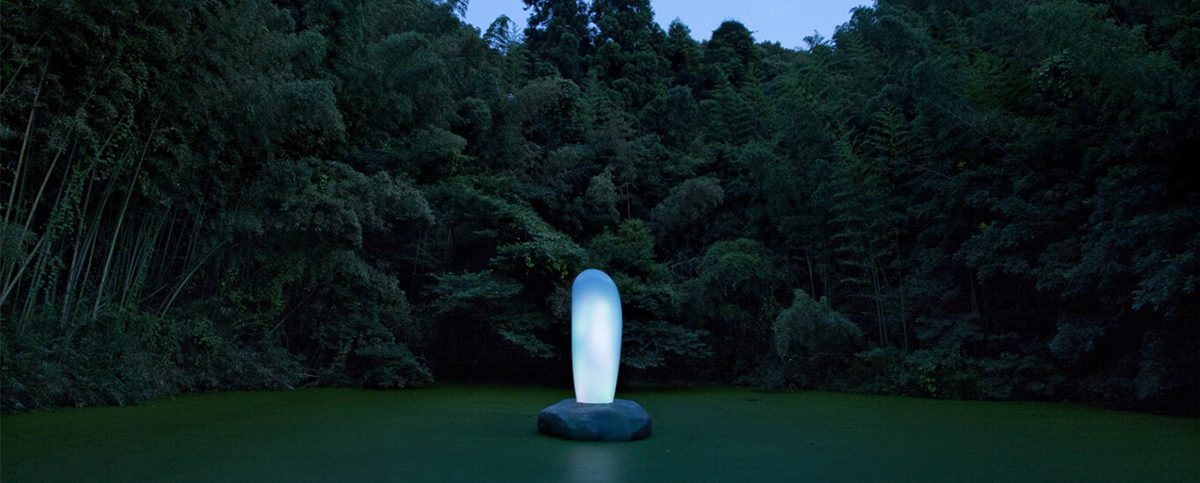
Mariko Mori. Tom Na H-iu.
In a pond inside a bamboo grove, a tall glass form stands still. It glows only when, far away, a star dies and sends here a particle almost invisible.
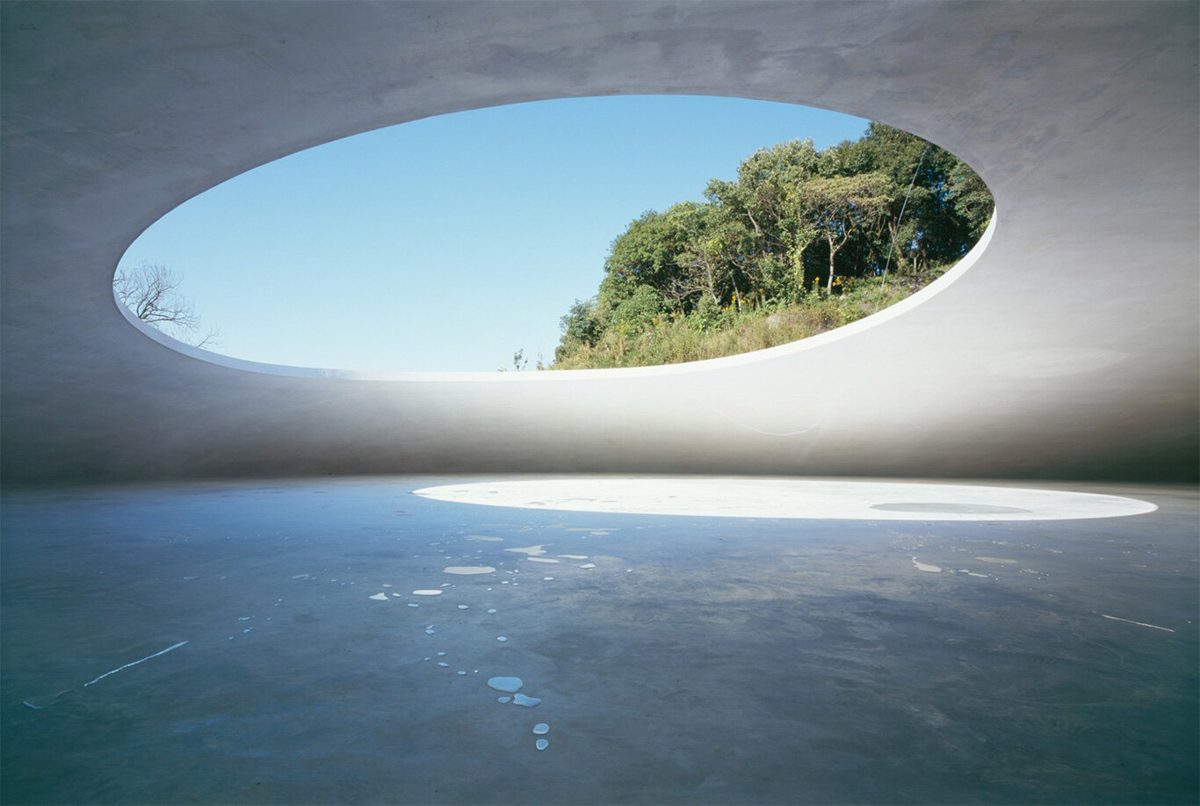
Rei Naito, Ryue Nishizawa. Matrix.
No paintings, no statues. Only water seeping from the floor, wind through two openings, and people sitting to watch.
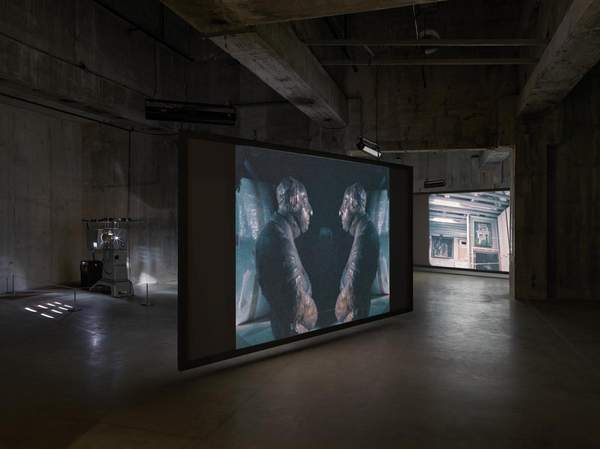
Rosa Barba. The Hidden Conference.
Rosa Barba took a 35mm camera into museum stores in Berlin, Rome and London. Paintings and sculptures waiting to be hung became the cast of a film.
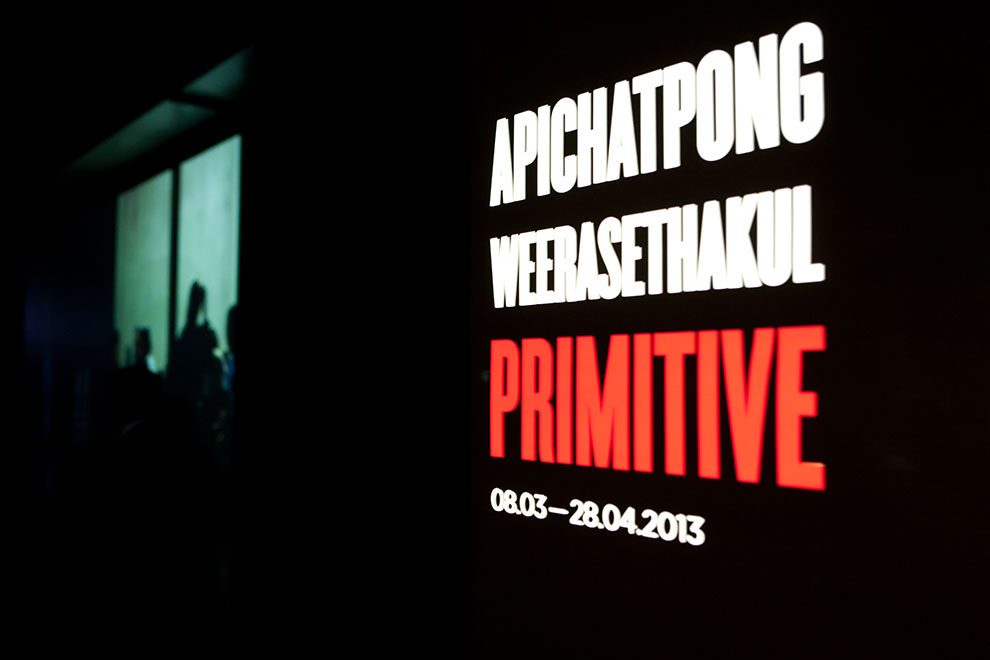
Apichatpong Weerasethakul. Primitive.
In Nabua, the elders say little about the years the army held the village. Apichatpong came to live with the young, and together they built a spaceship.
Bharti Kher. confess.
Outside, dark wood and small windows. Inside, hundreds of bindis whirl into patterns, and a single bulb hangs from the ceiling.
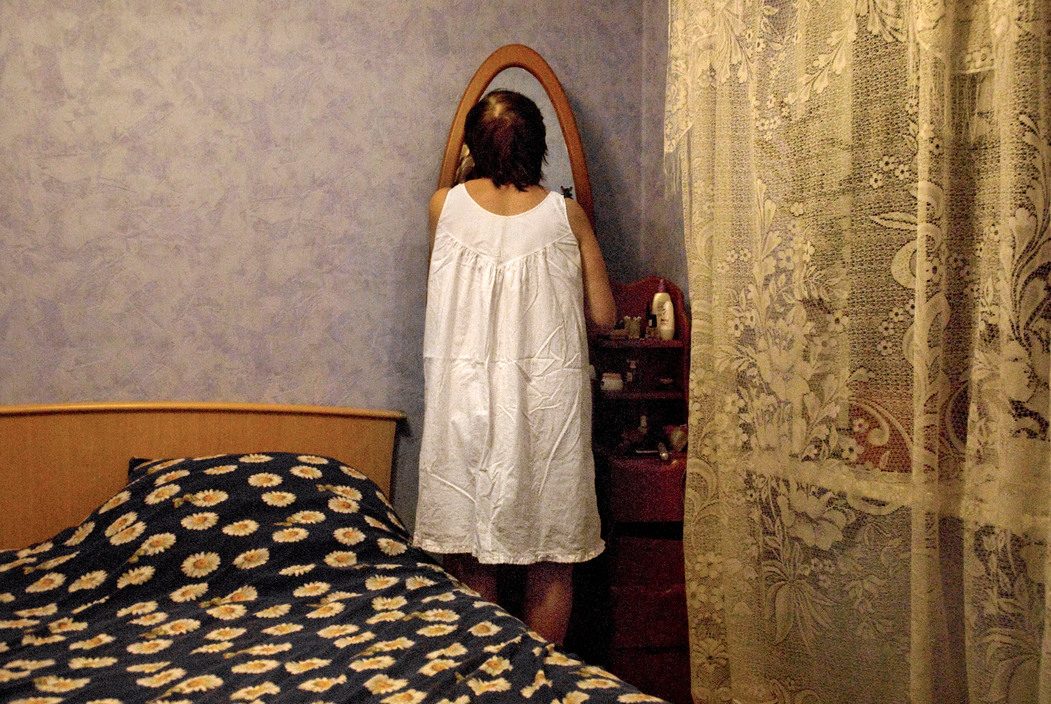
Bieke Depoorter. Ou Menya.
A note with a few Russian words. A door opens. A couch becomes a bed for one night. Next morning, onward.
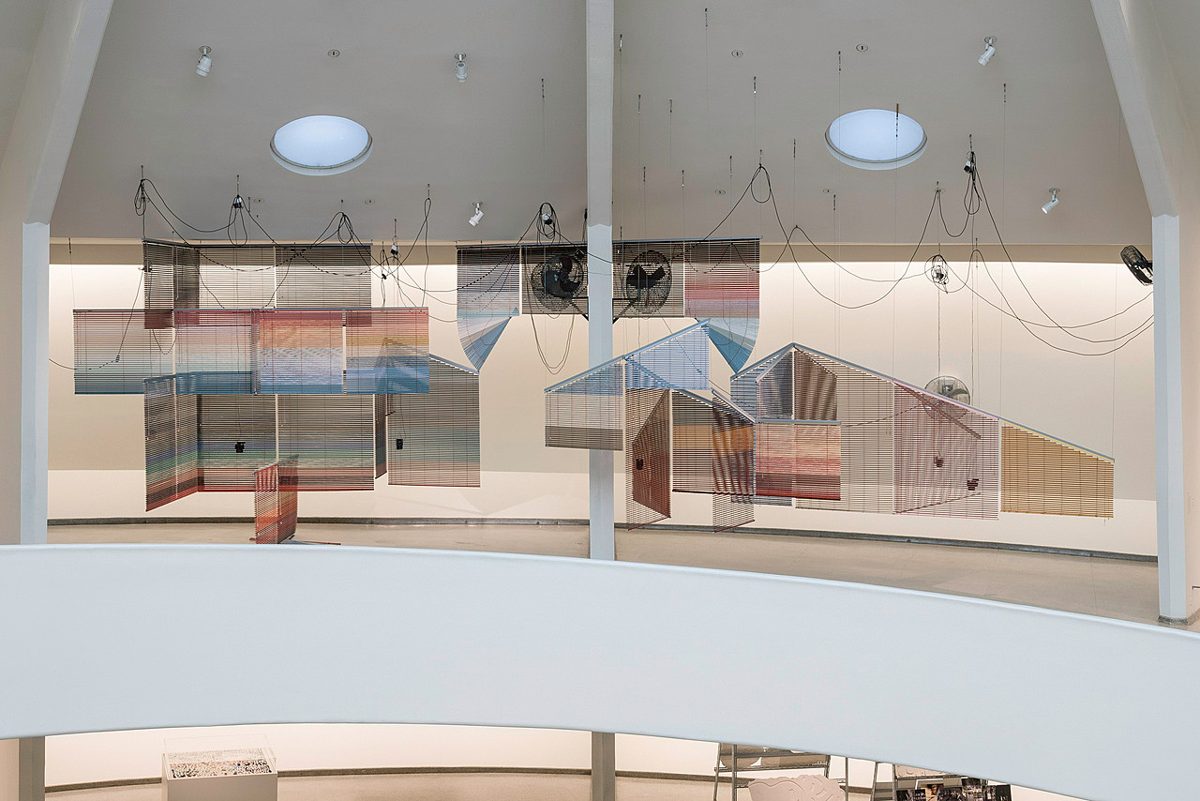
Haegue Yang. Series of Vulnerable Arrangements, Voice and Wind.
Aluminium blinds, electric fans and six industrial scents named after places. Haegue Yang asks why anyone would bottle a temple or a sea mist.
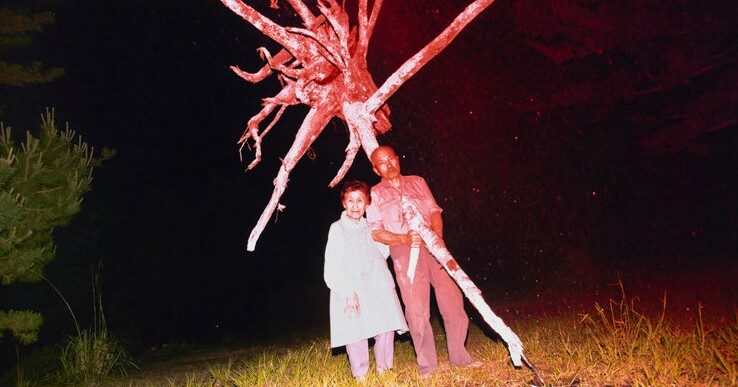
Lieko Shiga. Rasen Kaigan (Spiral Shore).
A photographer settles in a seaside village and shoots its people with harsh flash and colour. Then the tsunami comes, and she gathers the pictures the sea returns.
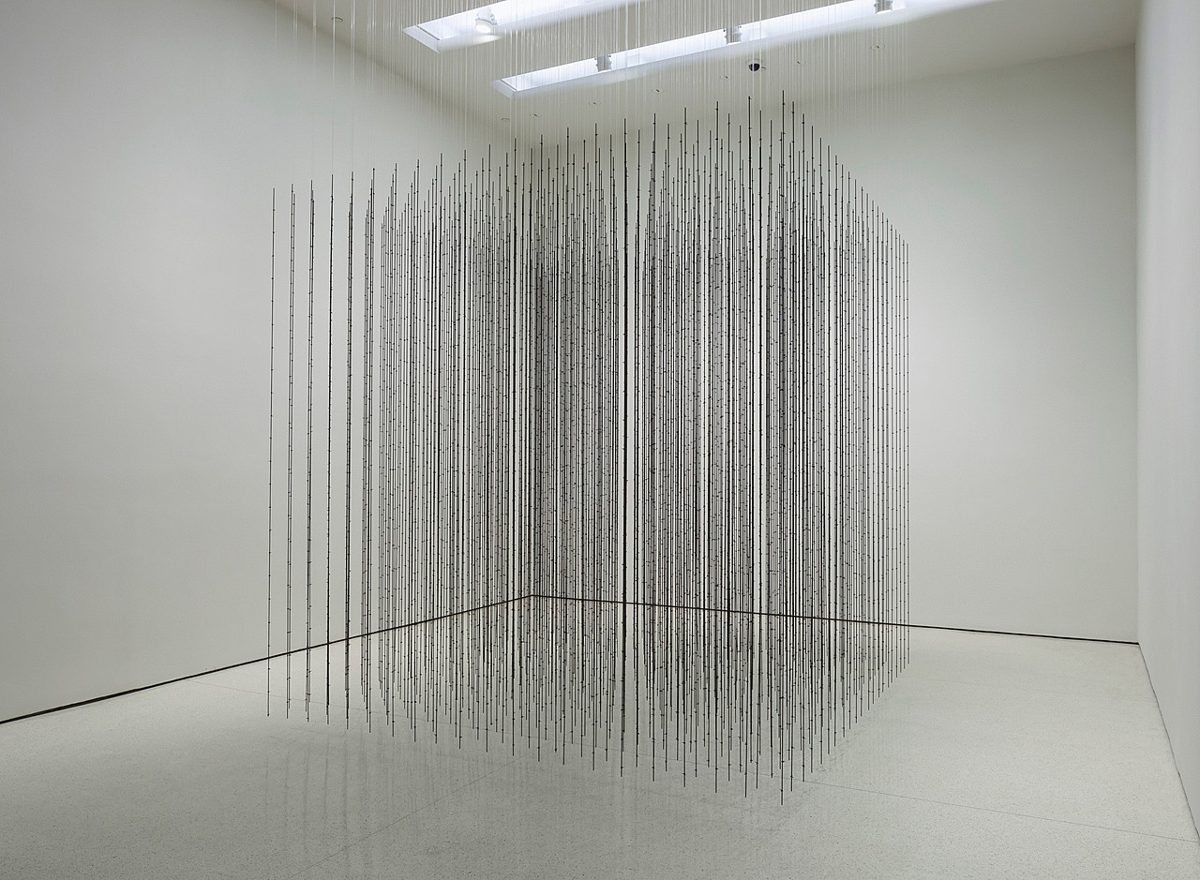
Mona Hatoum. Impenetrable.
From afar, a hazy floating cube. Up close, hundreds of barbed wire rods. No one can step inside.
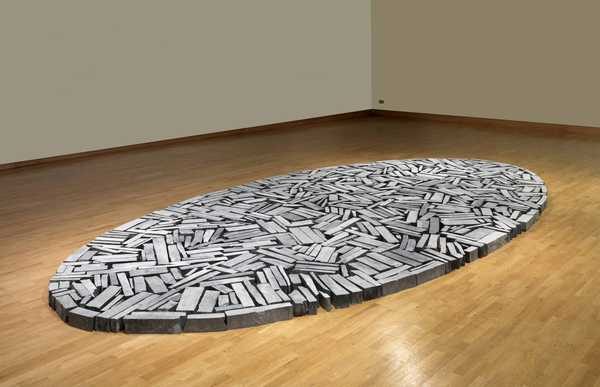
Richard Long. Cornish Slate Ellipse.
Quarried slate from Cornwall, set on edge inside an ellipse marked with string. Every time it is shown, the work is laid out from the start.
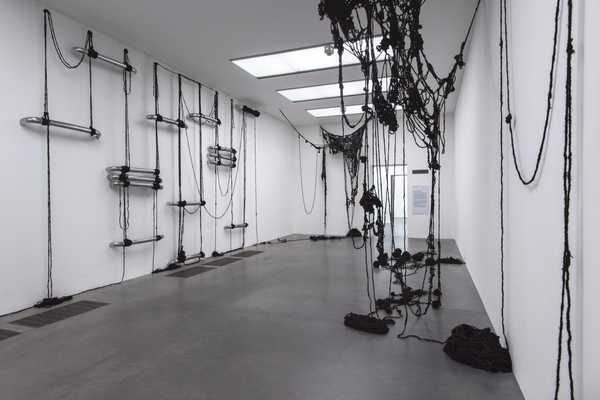
Sheela Gowda. Behold.
In Karnataka, a few strands of hair are tied to car bumpers against accidents. Sheela Gowda unpicked that hair, braided four kilometres of rope, and hung the bumpers from it.
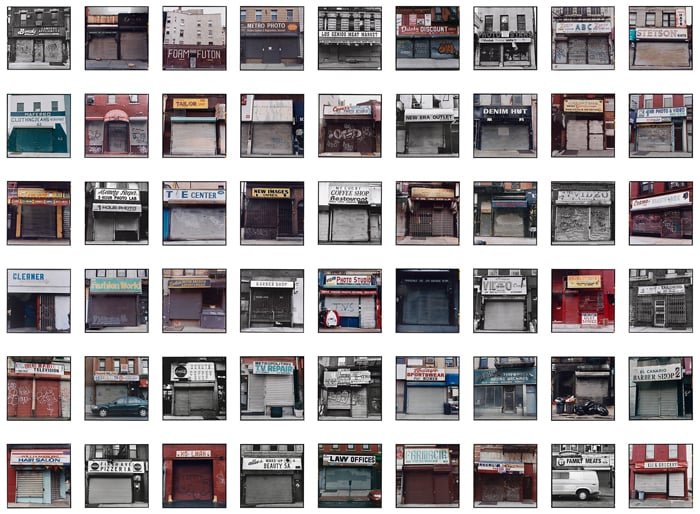
Zoe Leonard. Analogue.
Eleven years, an old Rolleiflex, small shops about to close. Zoe Leonard photographed them before they turned into memory.
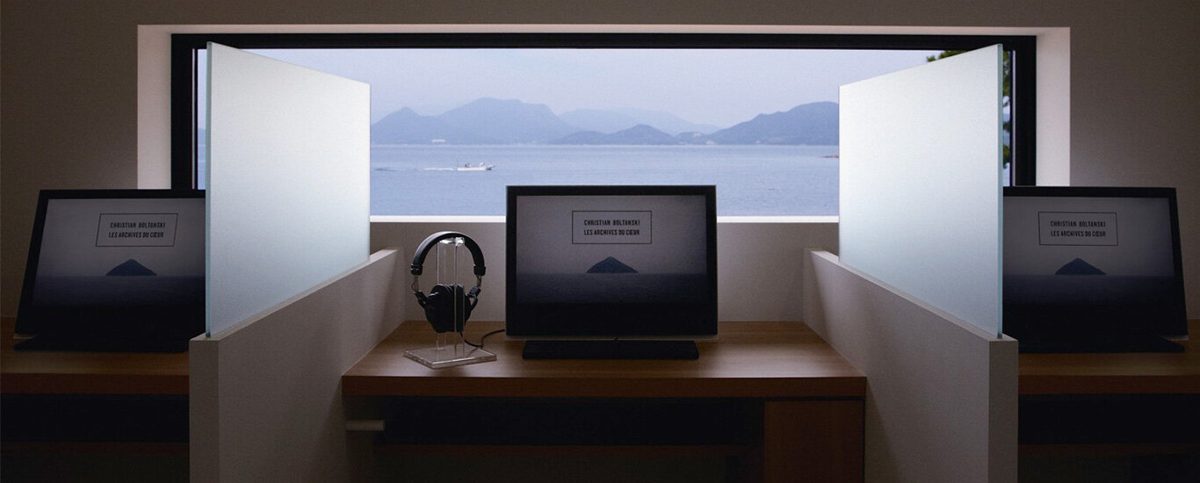
Christian Boltanski. Les Archives du Cœur.
An archive with no words and no pictures. Only the heartbeats of those who once passed through.
Olafur Eliasson. The New York City Waterfalls.
Four artificial waterfalls, nearly ten storeys high, returning river water to the river. Olafur Eliasson added nothing to the East River except attention.
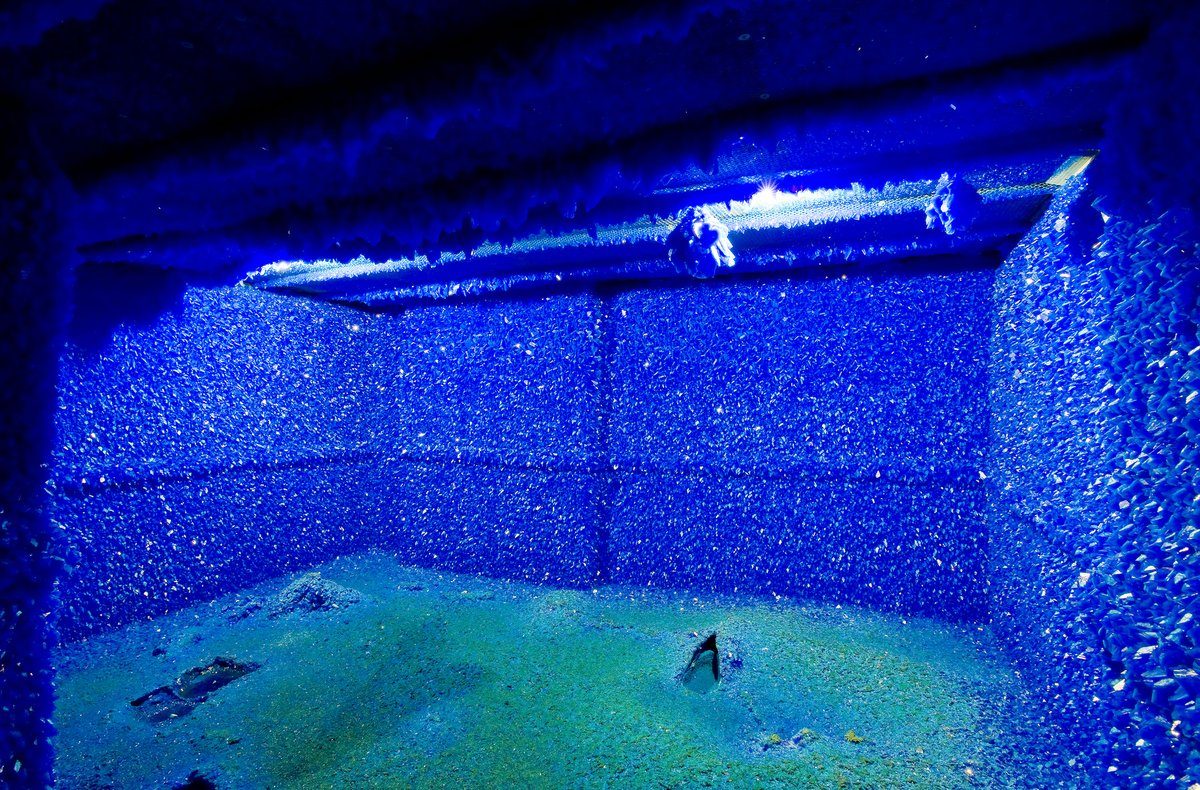
Roger Hiorns. Seizure.
A small flat in Elephant & Castle, flooded and then drained. What remained was a cave of blue crystal, and a bath.
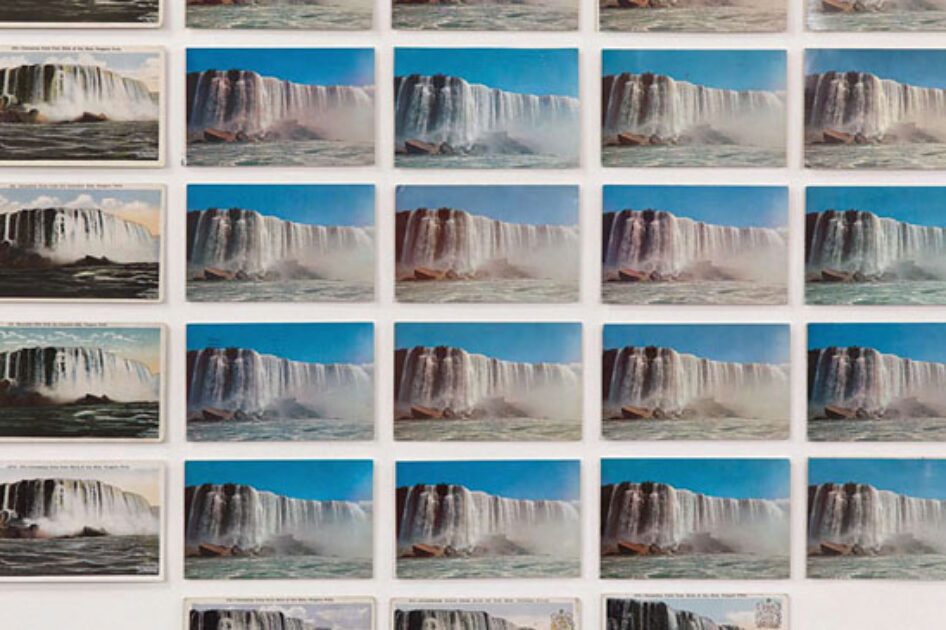
Zoe Leonard. You see I am here after all.
One waterfall, nearly four thousand postcards, one horizon along the wall. Zoe Leonard shows how often a place has been looked at.
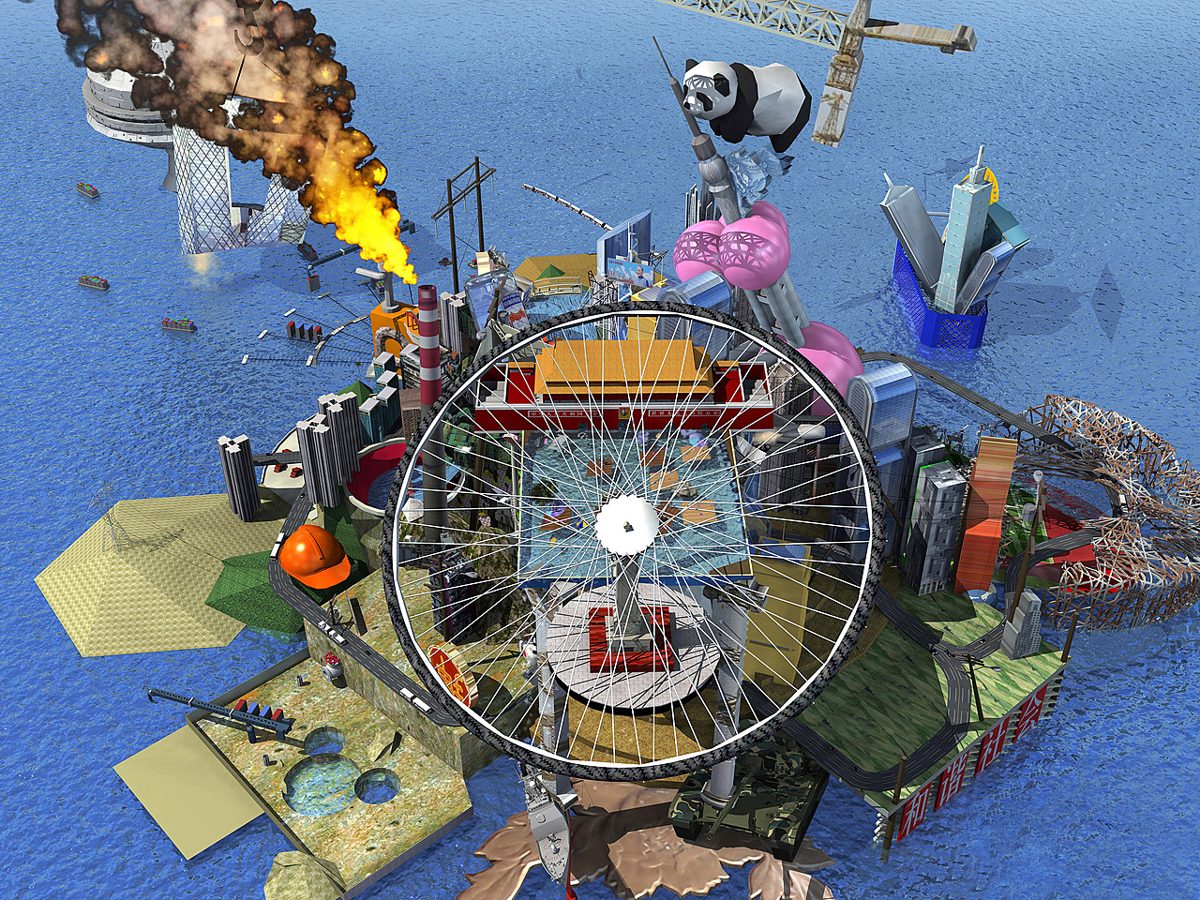
Cao Fei. RMB City: A Second Life City Planning by China Tracy.
Through her avatar China Tracy, Cao Fei planned a city that exists only in a virtual world. The six minute video is its first sketch.
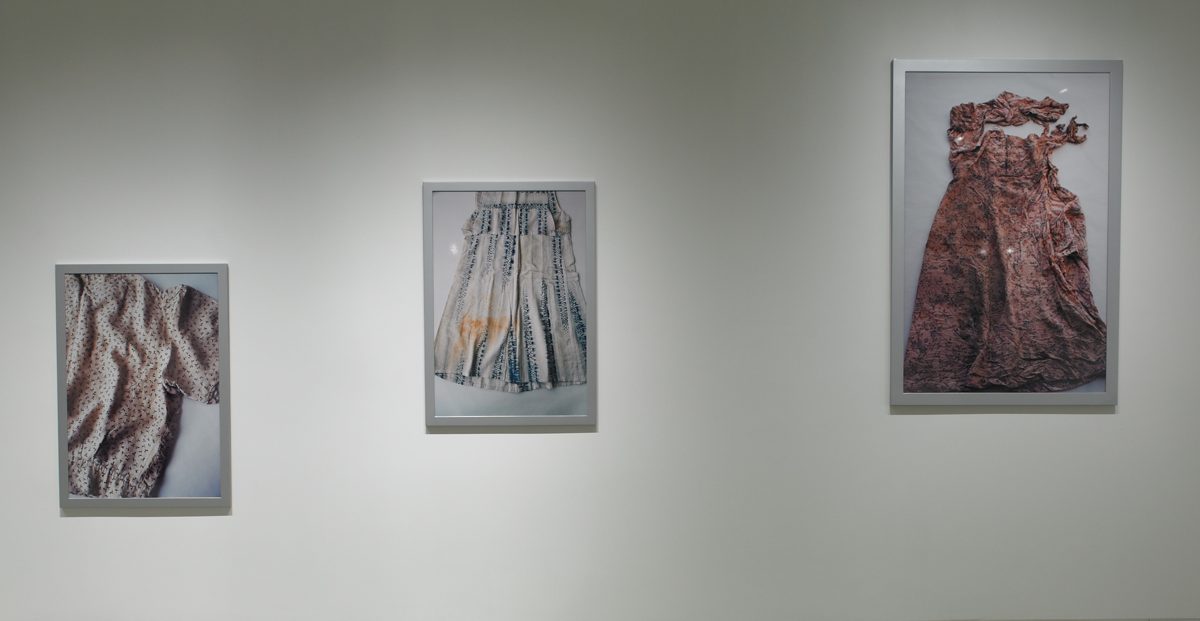
Ishiuchi Miyako. ひろしま hiroshima.
A dress, a pair of gloves, a blouse. Ishiuchi Miyako does not photograph Hiroshima as catastrophe. She photographs each person through what they wore.
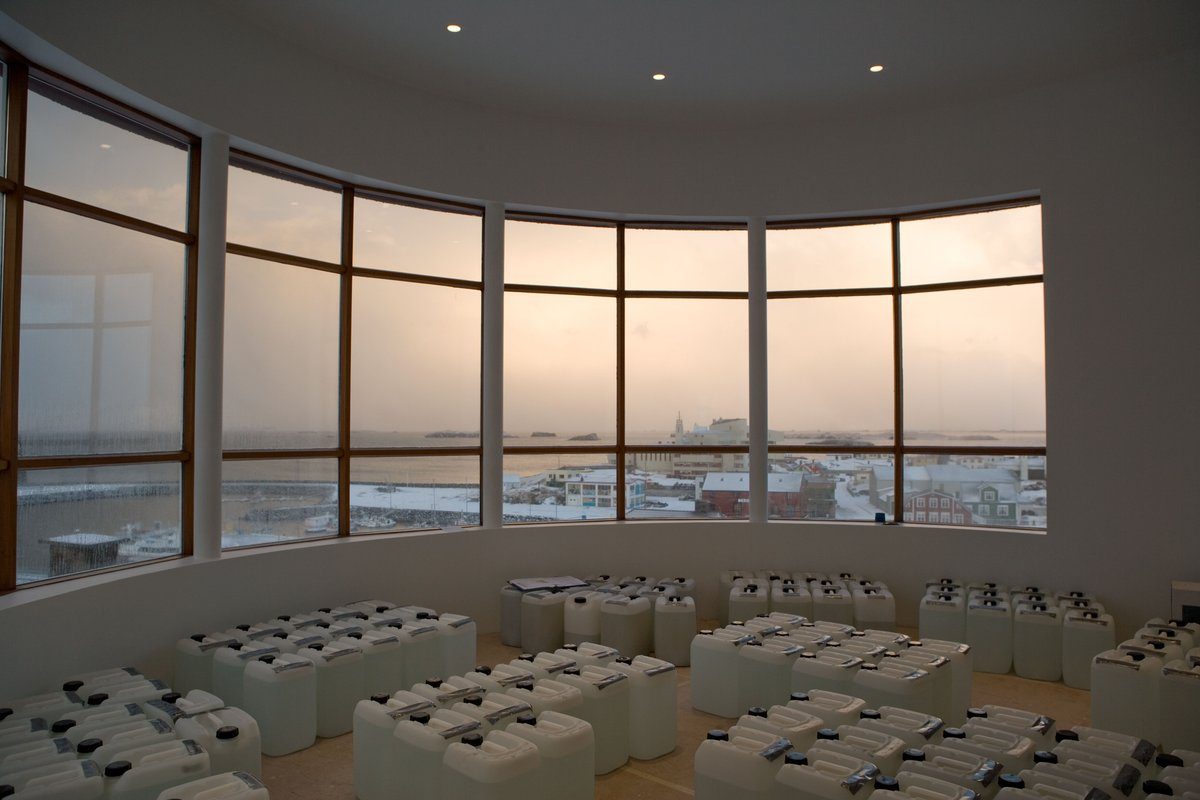
Roni Horn. Vatnasafn / Library of Water.
A library with no books. Instead, water from Iceland's glaciers, standing in 24 glass columns over a floor of weather words.
Trevor Paglen. The Other Night Sky.
Among familiar constellations is a thin streak of light: a spy satellite no government lists. Paglen worked out when it would pass.
Anish Kapoor. Sky Mirror.
A concave steel mirror in the middle of New York. It does not ask to be seen. It shows the sky, upside down.
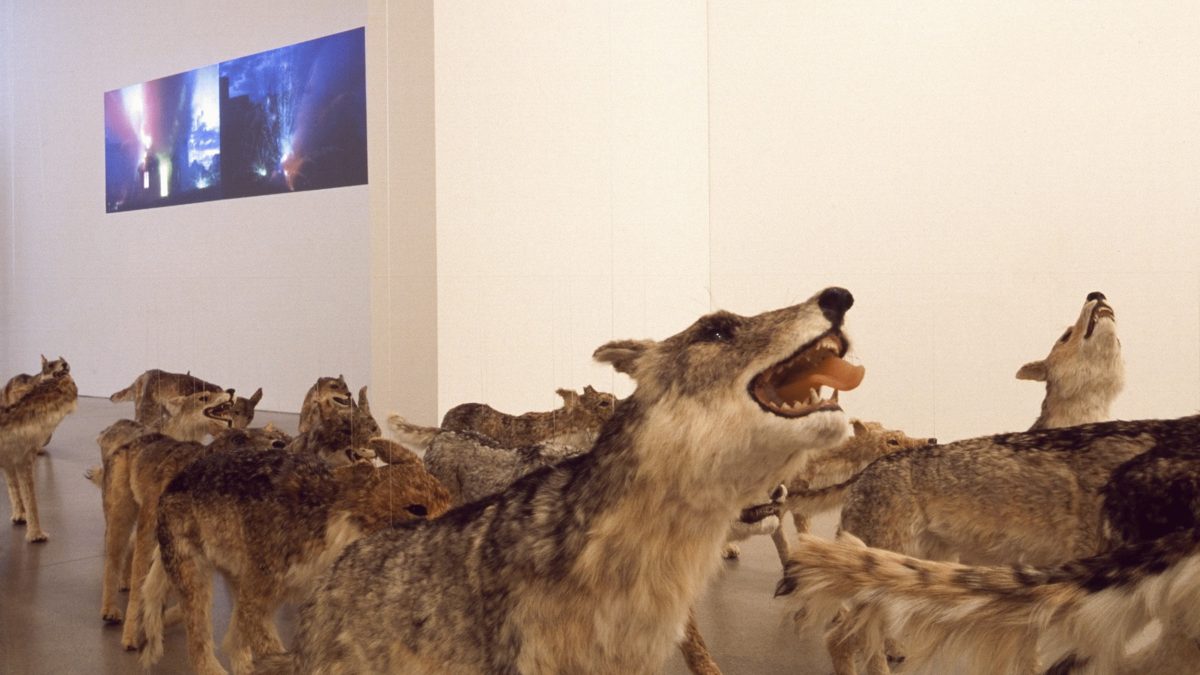
Cai Guo-Qiang. Head On.
The leader hits the wall. The pack keeps coming. In Berlin in 2006, Cai Guo-Qiang staged a collision that never ends.
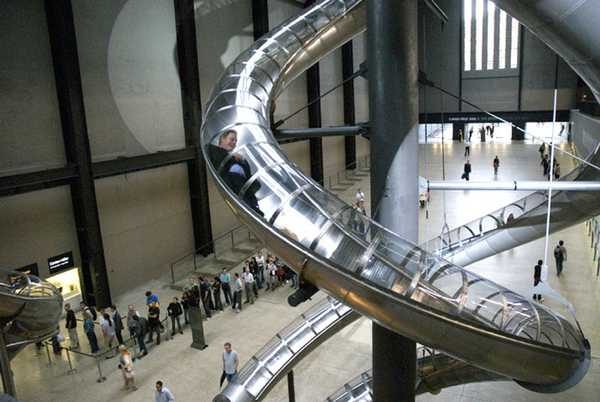
Carsten Höller. Test Site.
Five spiral tubes, one letting go, a few seconds of vertigo. Test Site asks what happens when the body is allowed to go before thought.
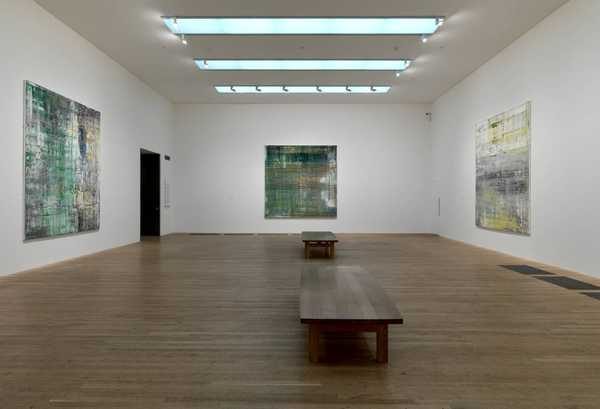
Gerhard Richter. Cage.
Six square canvases almost three metres wide, painted while Richter listened to John Cage. Barely a brushstroke. The squeegee pulls paint away, and older colours show through.
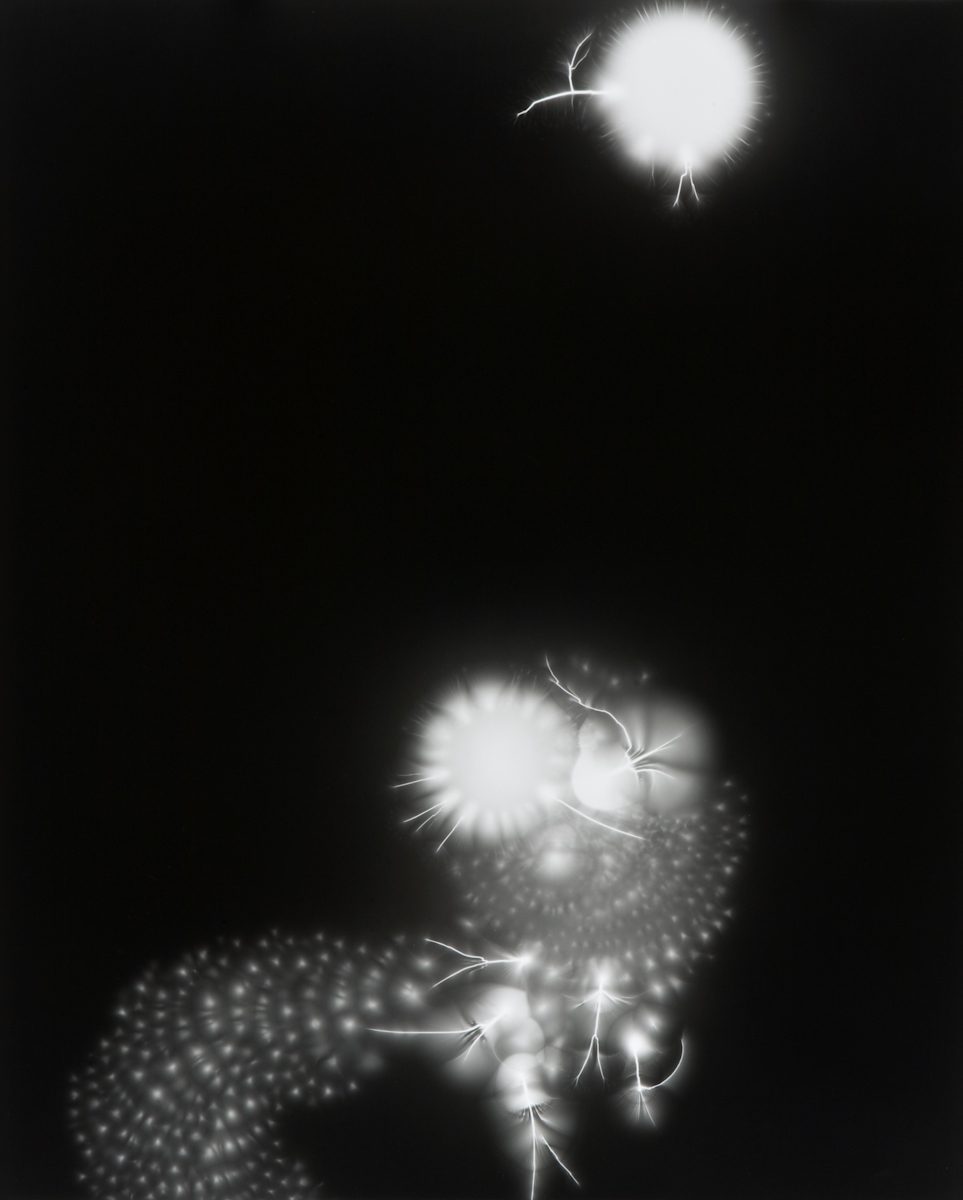
Hiroshi Sugimoto. Lightning Fields.
A spark touches a sheet of film and leaves the shape of a tree. No camera saw it. There is only the mark.
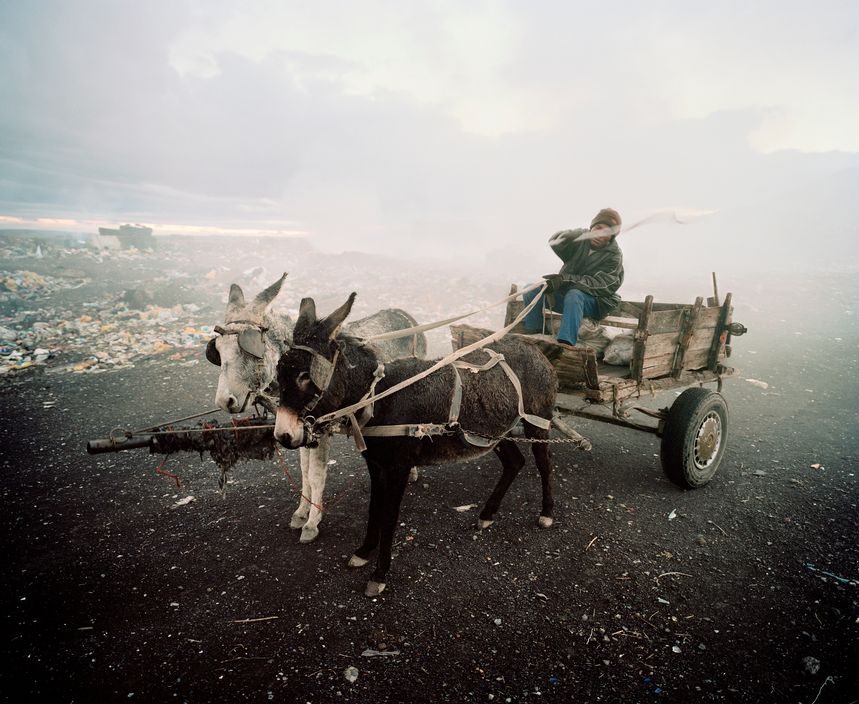
Mikhael Subotzky. Beaufort West.
A town halfway between Cape Town and Johannesburg. Traffic passes. The prison stands in the traffic circle. Those who stay live around it.
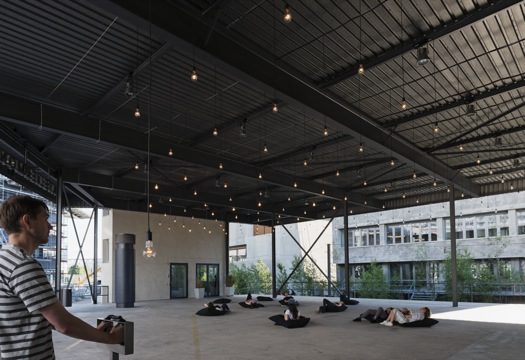
Rafael Lozano-Hemmer. Pulse Room.
Hold the sensor and a bulb flashes to your heartbeat. Let go, and your pulse joins the grid, pushing earlier ones further away.
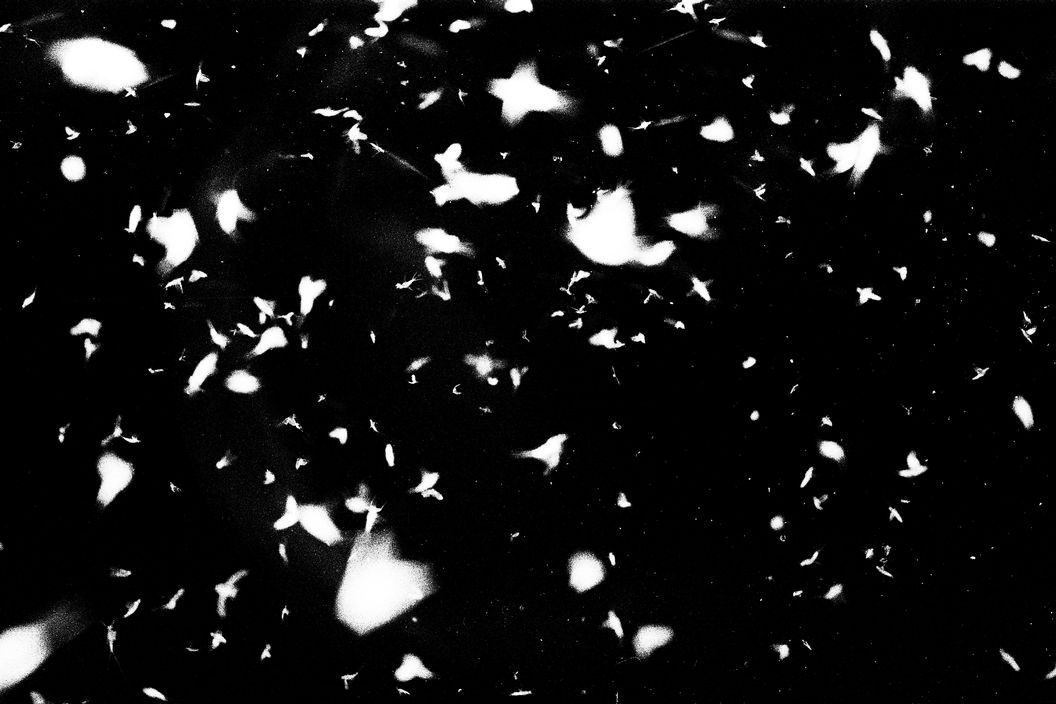
Sohrab Hura. Life is Elsewhere.
A mother, a dog, a house with many locks. The son holds the camera, both inside and longing to leave.
Bruce Nauman. Raw Materials.
A vast hall with nothing to look at. Only voices, near and far, overlapping as people walk through.
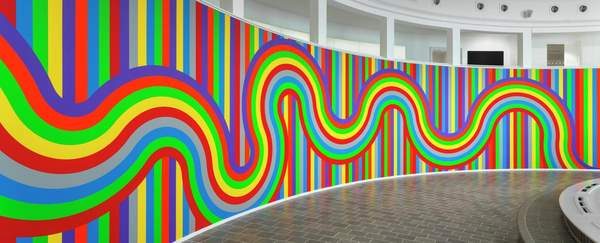
Sol LeWitt. Wall Drawing #1136.
A wall drawing can be painted over, then drawn again elsewhere by other hands. What is kept is a diagram, a letter and a certificate.
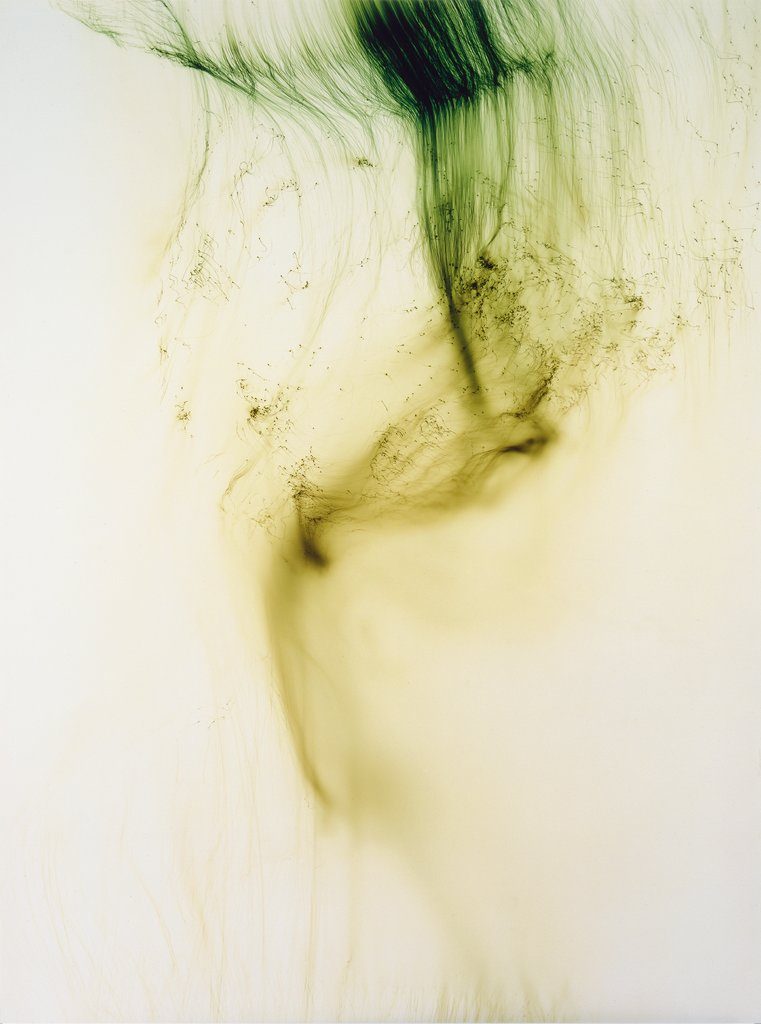
Wolfgang Tillmans. Freischwimmer 54.
No camera, no negative, nothing to photograph. Only light passing over paper in a darkroom, and a trail of colour left behind.
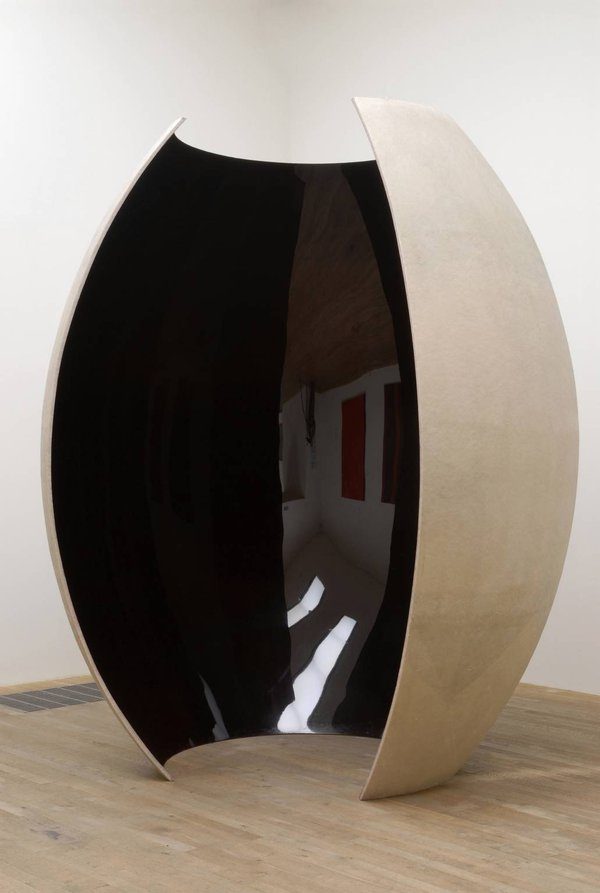
Anish Kapoor. Ishi's Light.
Outside, a stone coloured shell. Inside, a red close to black that returns the person standing there as someone else.
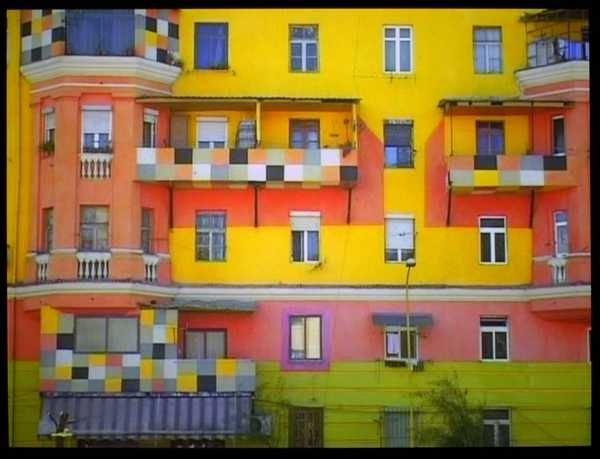
Anri Sala. Dammi i colori.
A post communist city, grey walls painted in new colours. Anri Sala films Tirana at night and asks what colour can do.
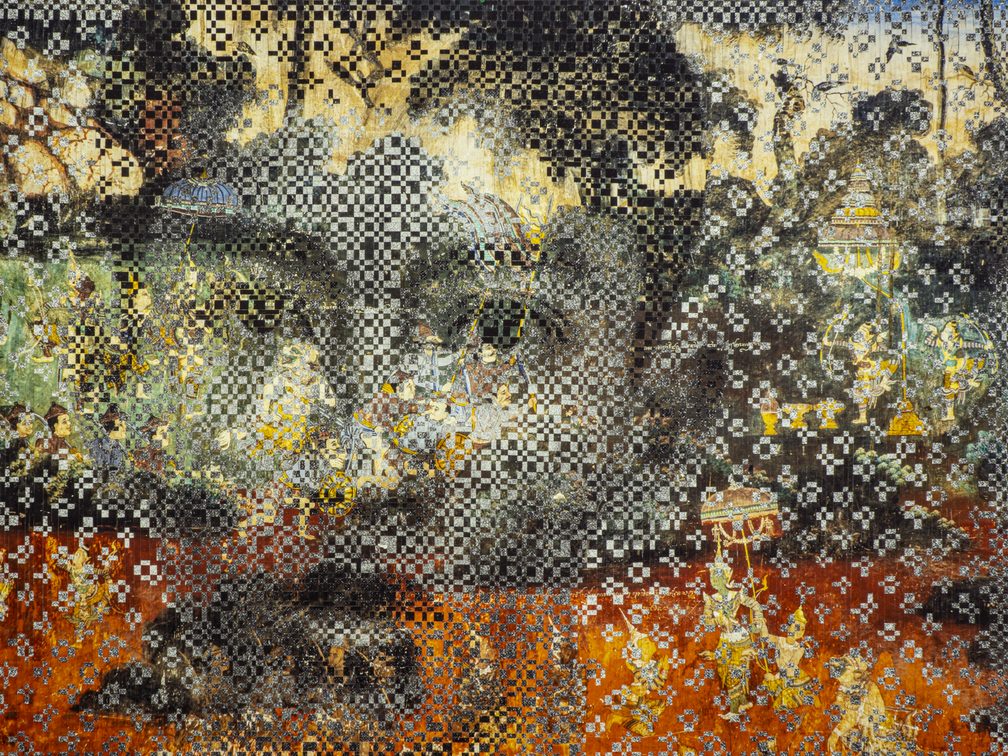
Dinh Q. Lê. From Vietnam to Hollywood.
Dinh Q. Lê cut photographs into strips and wove them like a mat. Hollywood film frames and anonymous Vietnamese faces share one sheet.
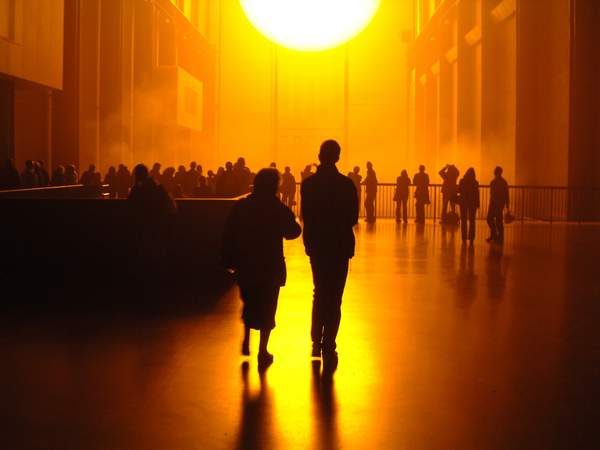
Olafur Eliasson. The weather project.
A half circle of yellow lamps, a vast mirrored ceiling, a drifting mist. People lay on the floor and watched themselves overhead.
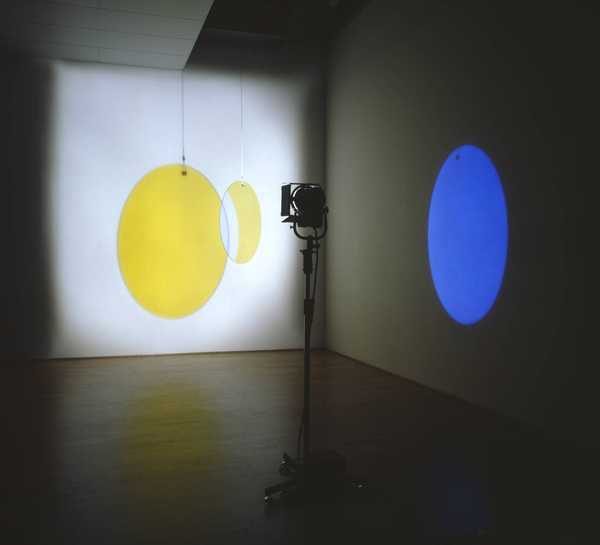
Olafur Eliasson. Yellow versus Purple.
A glass disc, a lamp, a small motor. A yellow shadow shifts on the wall, a purple trace circles the room, and the viewer steps between them.
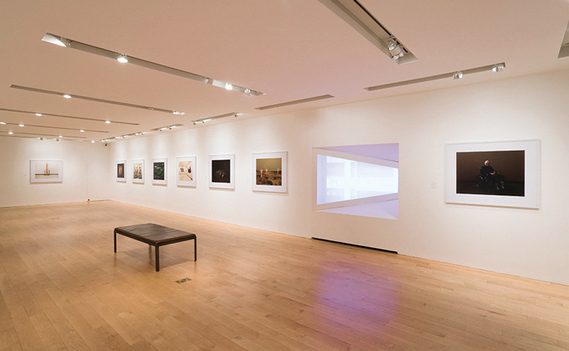
Taryn Simon. An American Index of the Hidden and Unfamiliar.
Radioactive capsules, a hibernating bear, CIA headquarters. Each photograph has a caption, like an entry in an inventory of things out of view.
Anish Kapoor. Marsyas.
Three steel rings, one dark red membrane stretched across the Turbine Hall. Nowhere to stand and see it all. Viewers assemble the work from partial encounters.
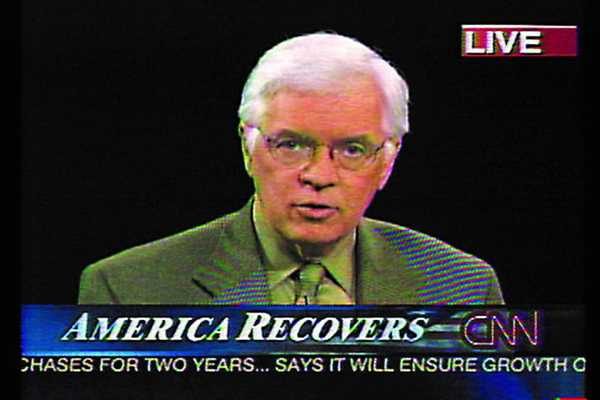
Omer Fast. CNN Concatenated.
Each word comes from a different face, a different bulletin. Joined together, they say something none of them ever said.
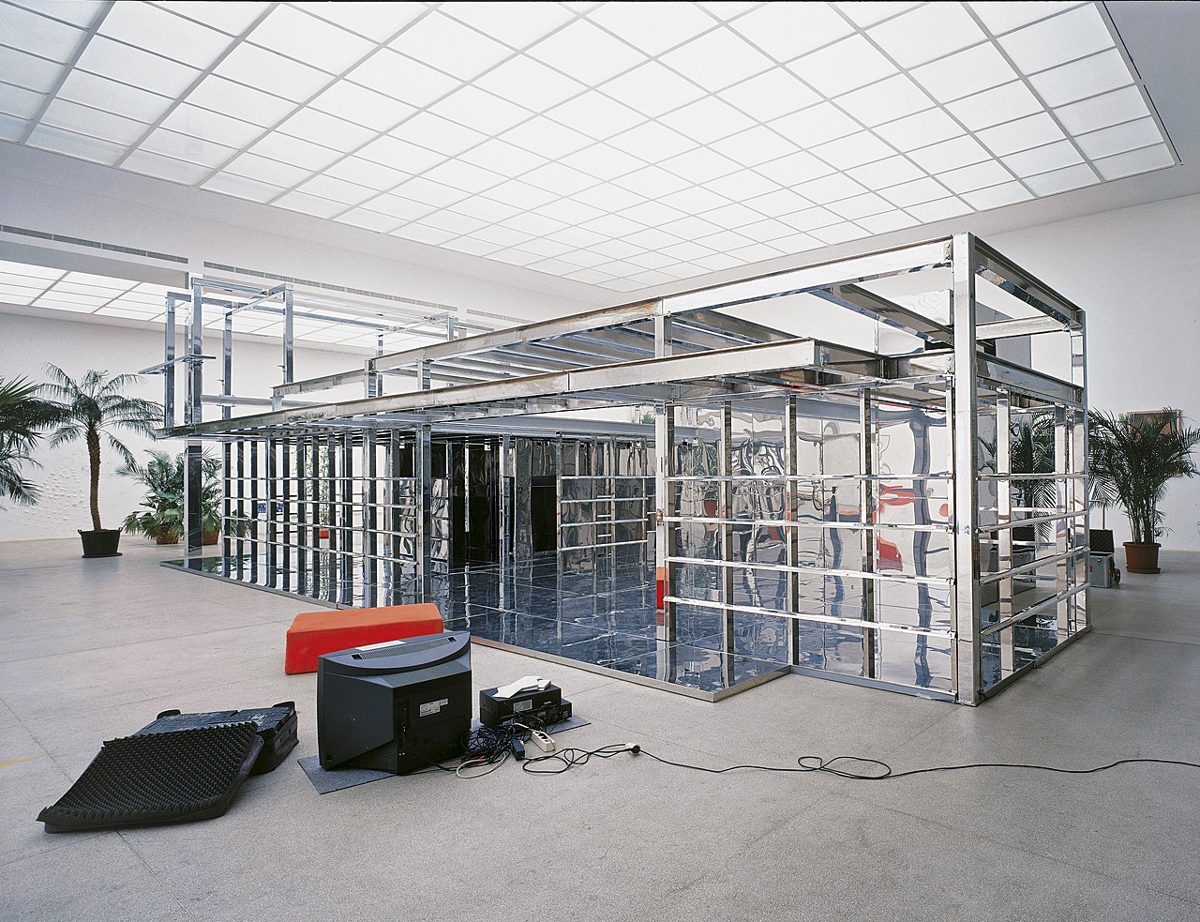
Rirkrit Tiravanija. untitled (he promised).
A gleaming house frame inside a museum. Little to look at for long. The work begins only when people step in and do something together.
Tribute in Light.
One night a year, 88 bulbs rebuild two towers in light. At dawn they go dark. The empty space returns.
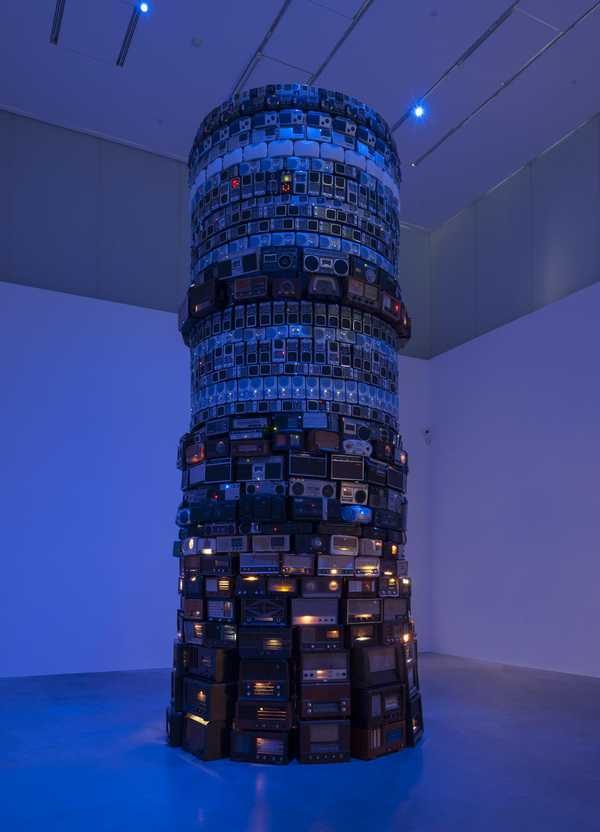
Cildo Meireles. Babel.
A tower made of radios. All speaking, softly, at once. No one can understand it, and that is what the work asks us to hear.
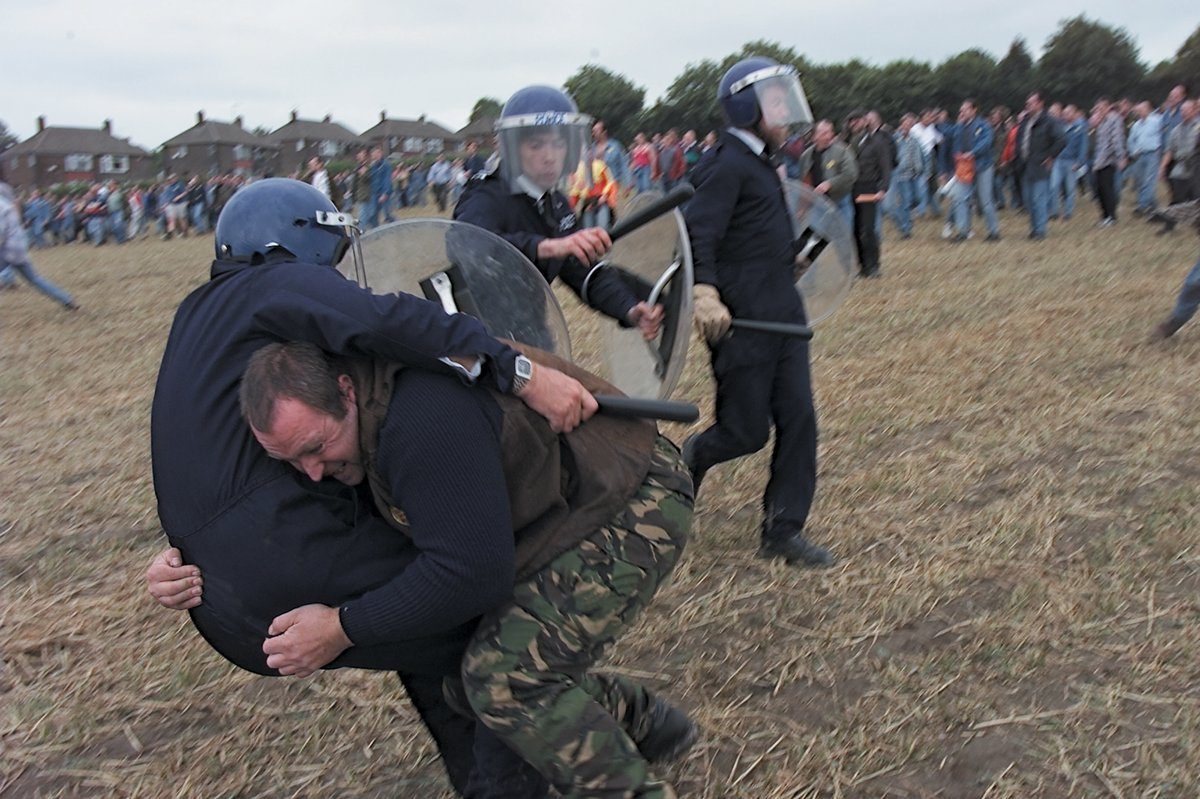
Jeremy Deller. The Battle of Orgreave.
Seventeen years after pickets and police clashed at Orgreave, Jeremy Deller brought it back to the field, with many of the people who had been there.
Jun Nguyen-Hatsushiba. Memorial Project Nha Trang, Vietnam.
On the seabed off Nha Trang, fishermen drag cyclos through the sand, surface for air, then dive to pull again. Thirteen minutes of a memorial that moves.
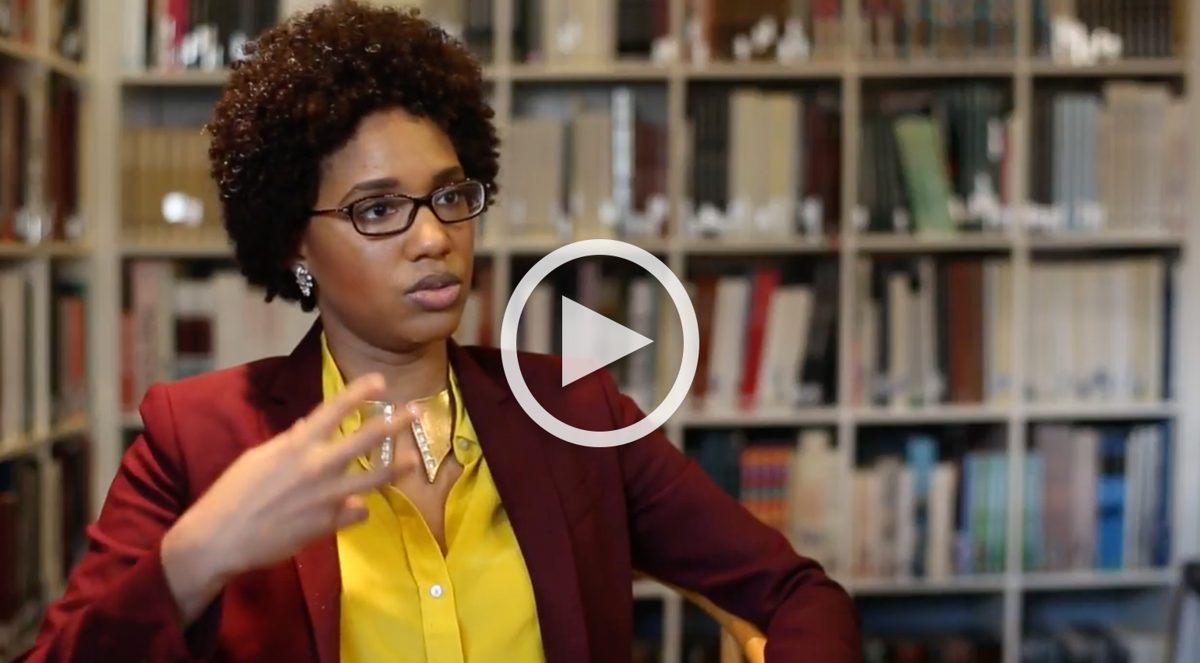
LaToya Ruby Frazier. The Notion of Family.
Three generations of women, one fading steel town. Frazier shows how the history of a place is written on the bodies of those who live there.
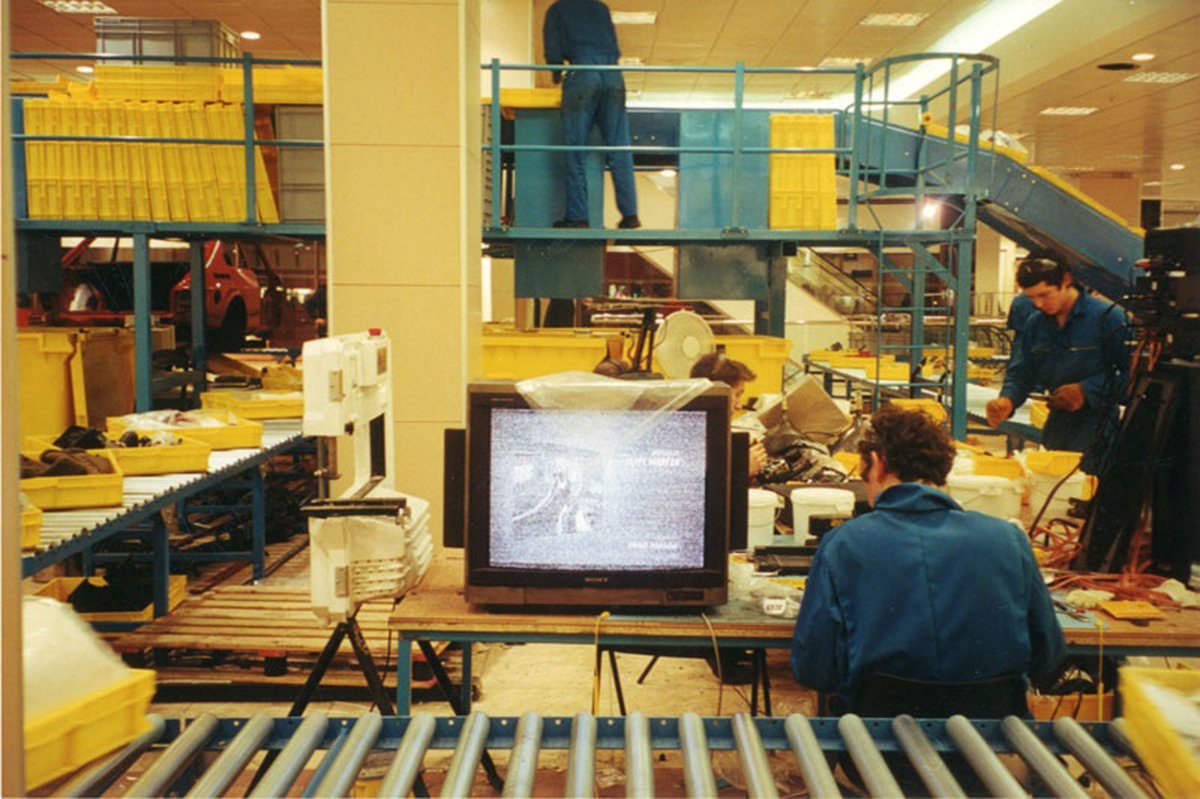
Michael Landy. Break Down.
Fourteen days, a 100 metre conveyor belt, 7,227 items. When it was over, Michael Landy owned nothing.
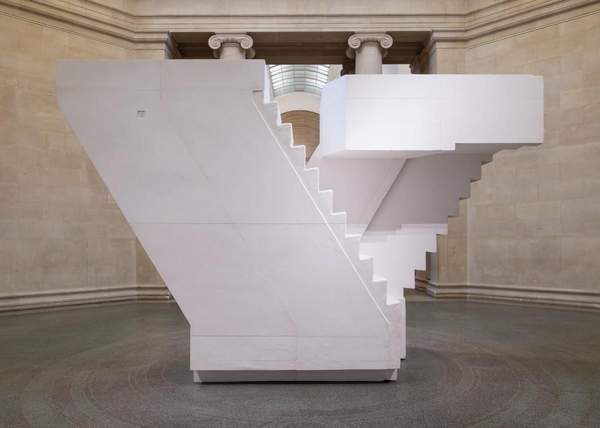
Rachel Whiteread. Untitled (Stairs).
A staircase with three landings, cast solid and turned ninety degrees. Rachel Whiteread kept her new home exactly as she had found it.
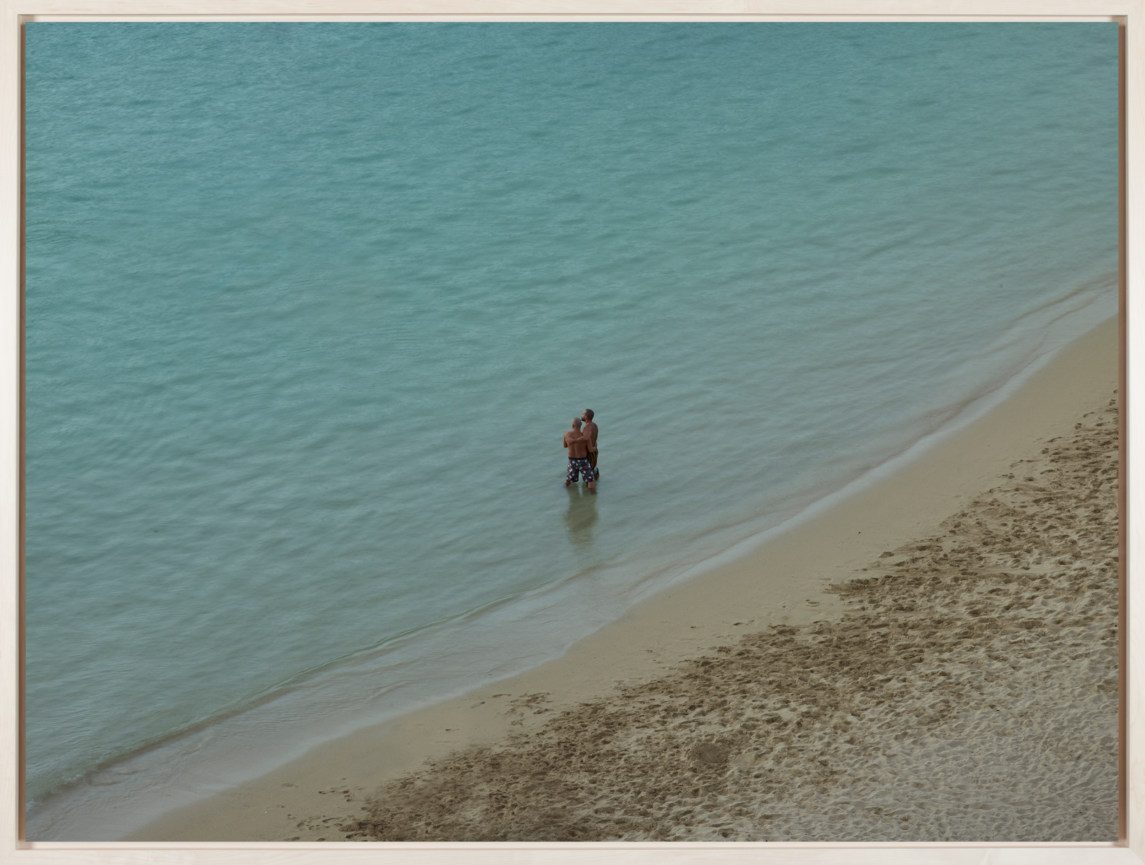
Richard Misrach. On the Beach.
No shore, no horizon. Only water and a small body floating in it. Misrach looks down from above.
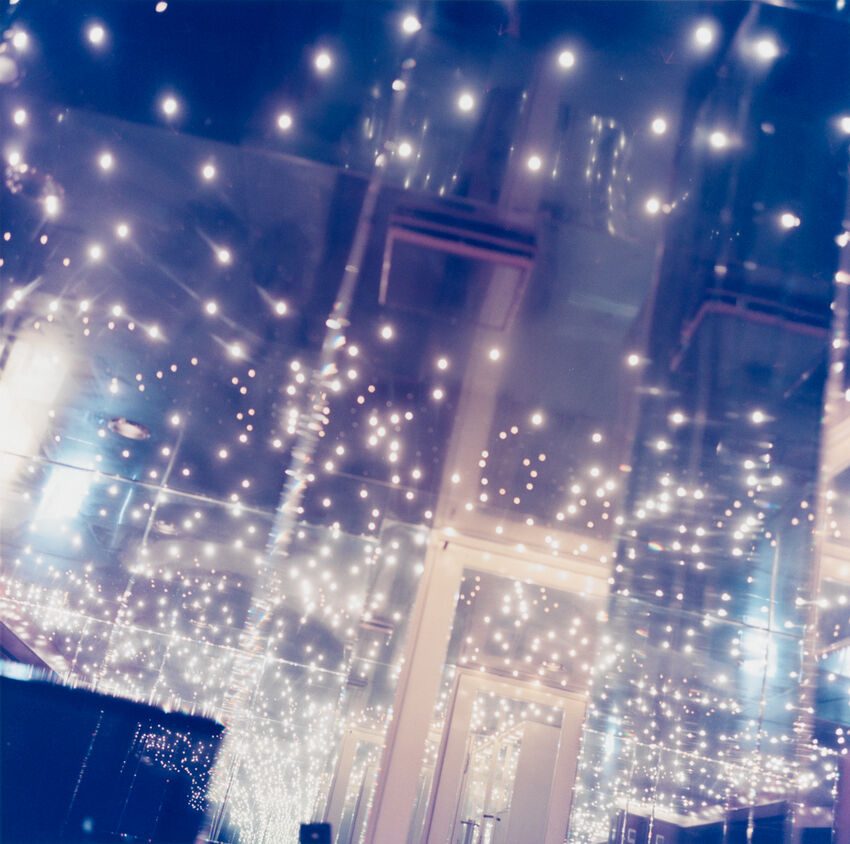
Rinko Kawauchi. Utatane.
A first photobook, a title meaning a short nap. Utatane looks at everyday life with eyes just opened, not yet fully awake.
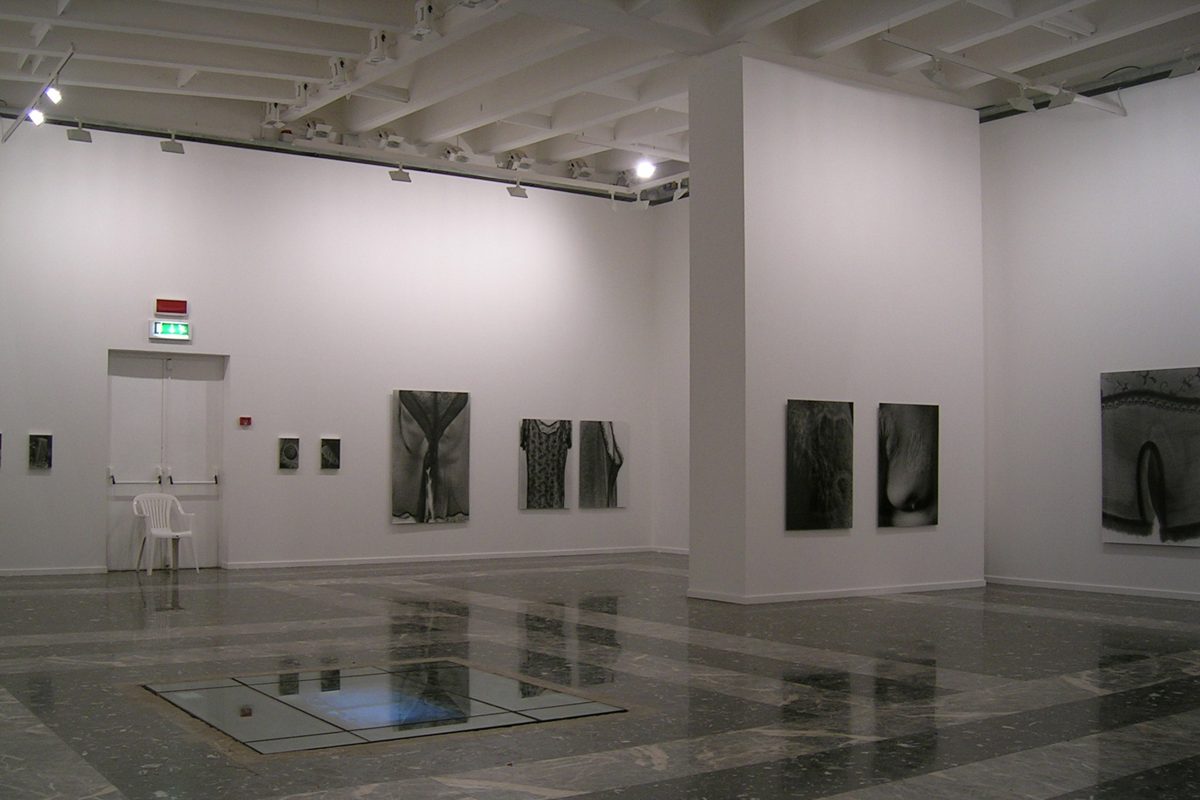
Ishiuchi Miyako. Mother's.
No face of the mother. Only lipstick, underwear, shoes, a hairbrush still holding her hair. And from these things, a person appears.
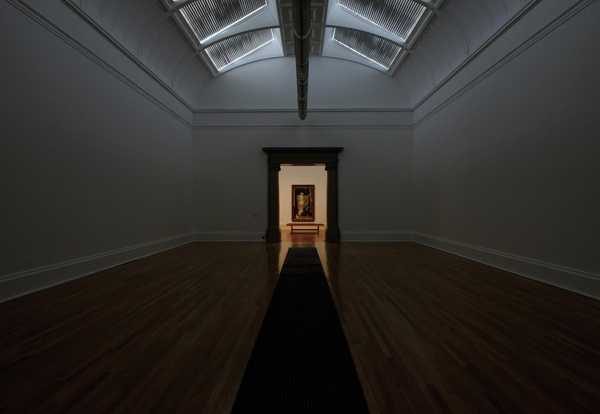
Martin Creed. Work No. 227: The lights going on and off.
Nothing in the room. Only lights, going on and off. And the viewer, noticing for the first time that they are standing in a room.
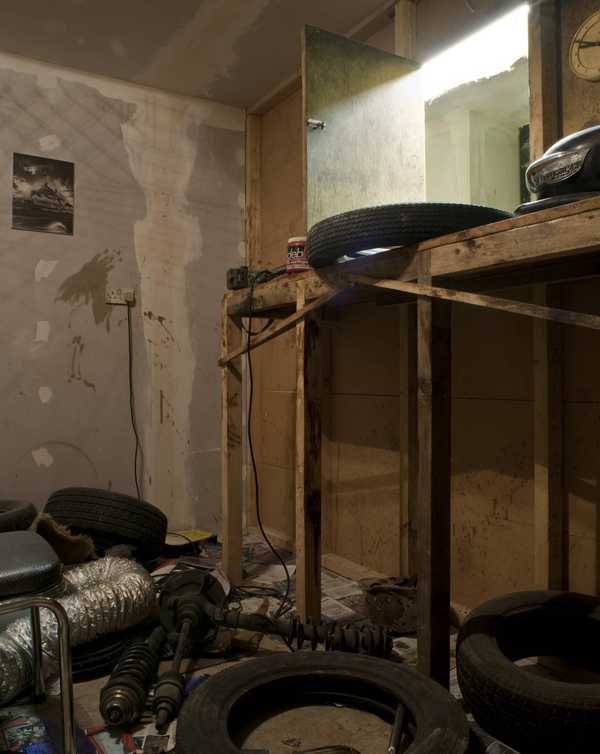
Mike Nelson. The Coral Reef.
One door leads to another room, then another. The chairs are there, the papers are there, the people are not. Visitors lose themselves among absent lives.
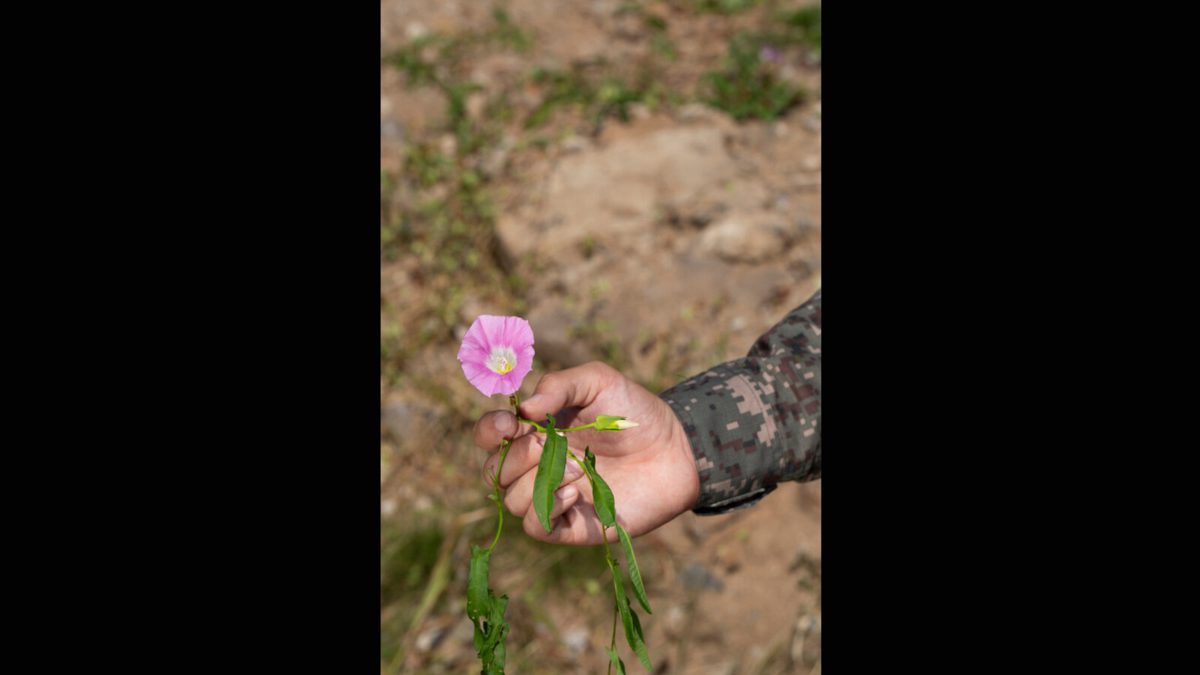
Tomoko Yoneda. Scene.
A beach. A wood. A calm grassy hill. Tomoko Yoneda photographs places where war once happened, and lets the title say the rest.
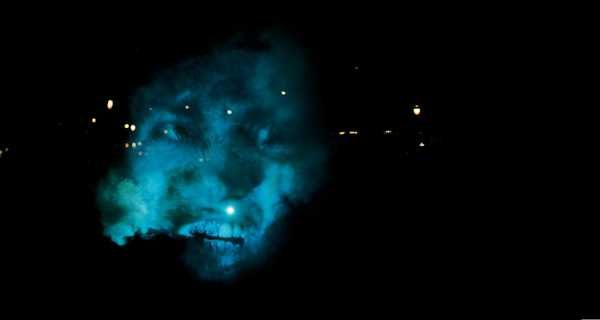
Tony Oursler. The Influence Machine.
Faces on smoke, hands knocking on walls, voices drifting through a dark park. Tony Oursler tells the history of machines that speak for us.
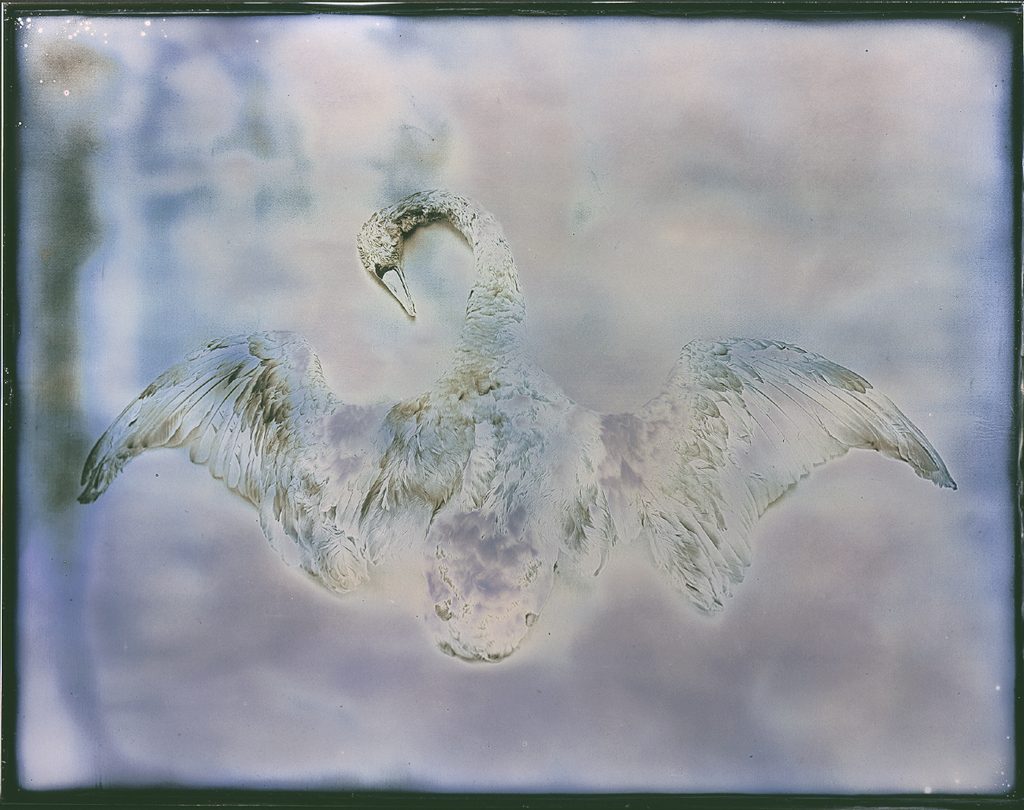
Adam Fuss. My Ghost.
Smoke holds its shape for less than a second. Adam Fuss lets it touch photographic paper, and keeps that second.
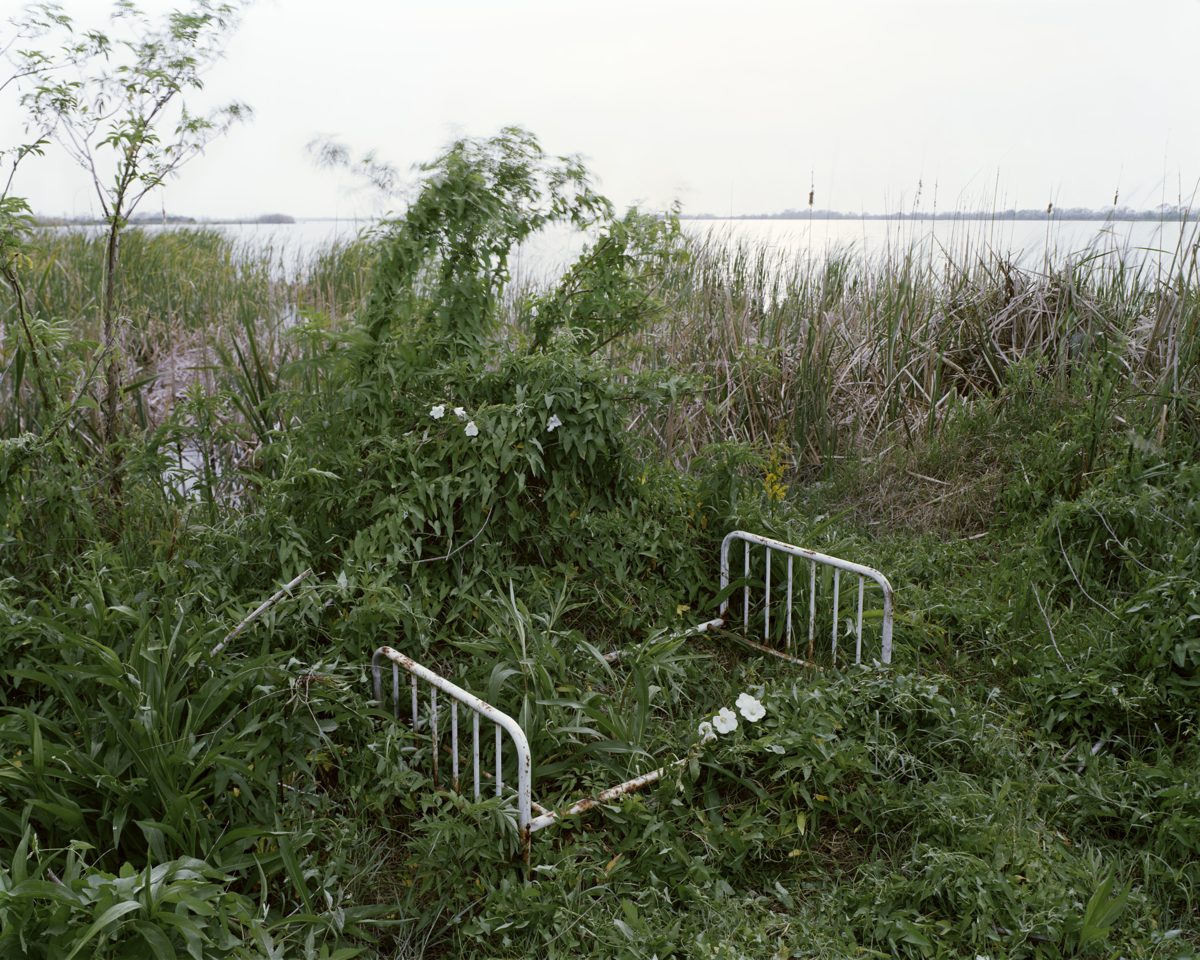
Alec Soth. Sleeping by the Mississippi.
A houseboat in Winona. A man with model aeroplanes in Vasa. A cemetery in Fountain City. The river joins them.
An-My Lê. Small Wars.
Weekends in the Virginia woods, Americans in old uniforms fight a war again. An-My Lê photographs them, cast as a Viet Cong guerrilla.
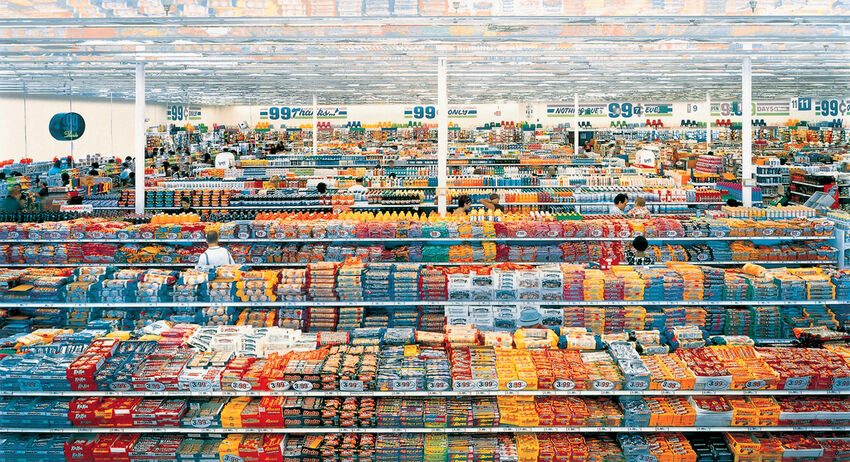
Andreas Gursky. 99 Cent.
Thousands of cheap goods stacked neatly up to the ceiling. From afar, a sheet of colour. Up close, each packet of candy.
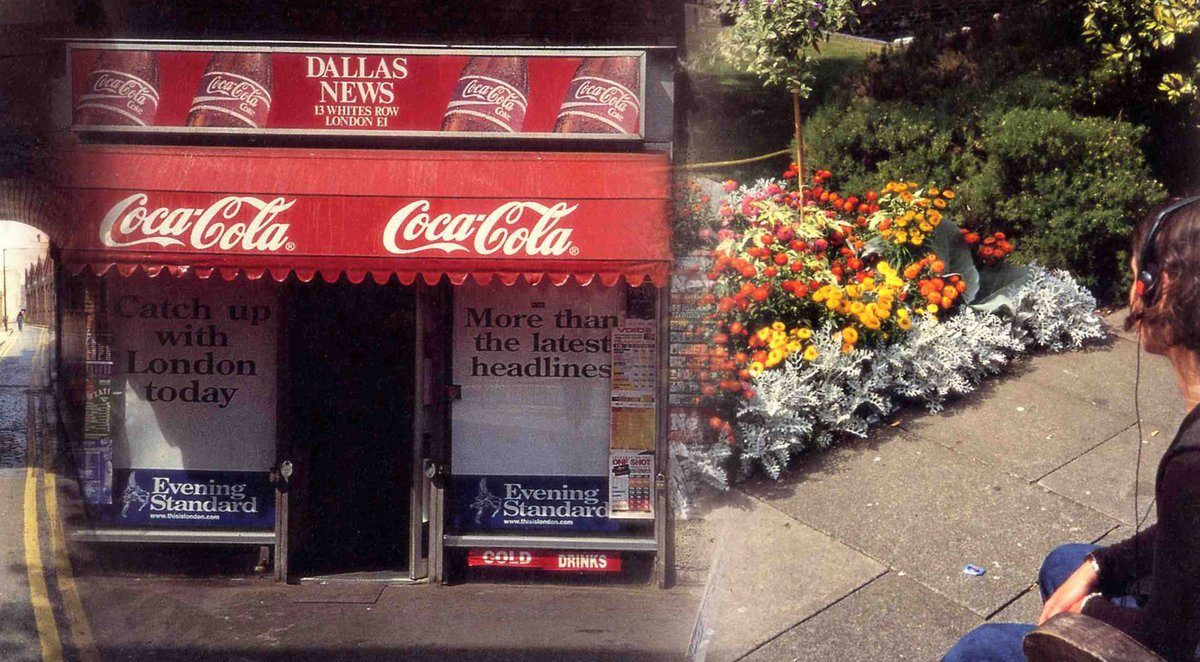
Janet Cardiff. The Missing Voice (Case Study B).
Put on headphones, press play, follow a woman's voice. Janet Cardiff turns a walk through East London into a story about a missing woman.
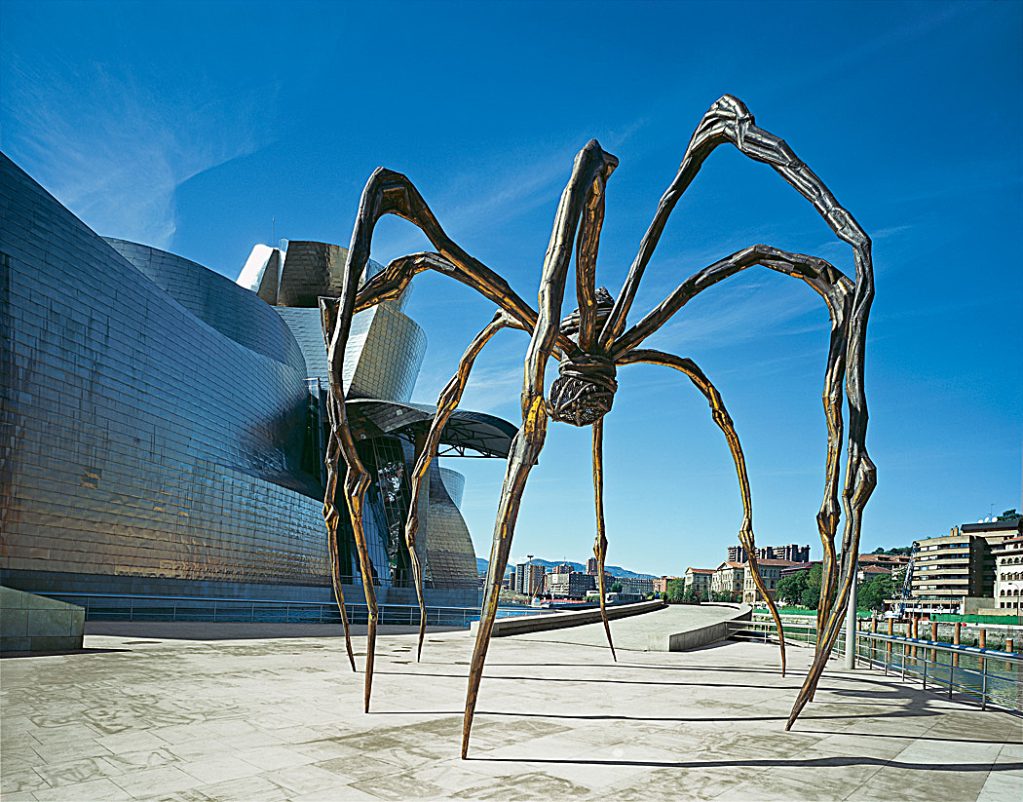
Louise Bourgeois. Maman.
Eight slender legs, a sac of marble eggs, a name that means mother. Maman shelters and unsettles at once.
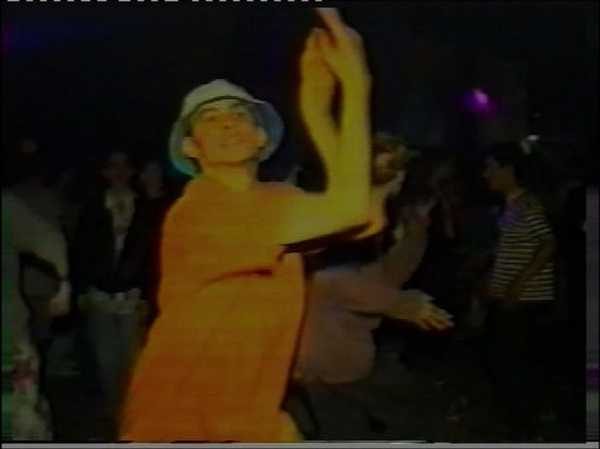
Mark Leckey. Fiorucci Made Me Hardcore.
Bodies spinning under dance floor lights from the late 1960s to the late 1980s. Mark Leckey gathered them before the internet did it for everyone.
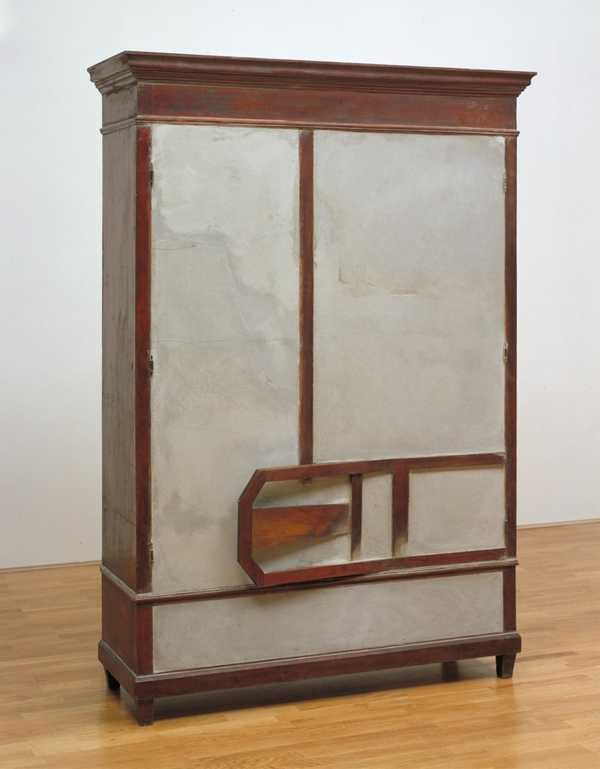
Doris Salcedo. Untitled.
A piece of household furniture, its inside filled with cement. No drawer opens. Nothing can be held any more.
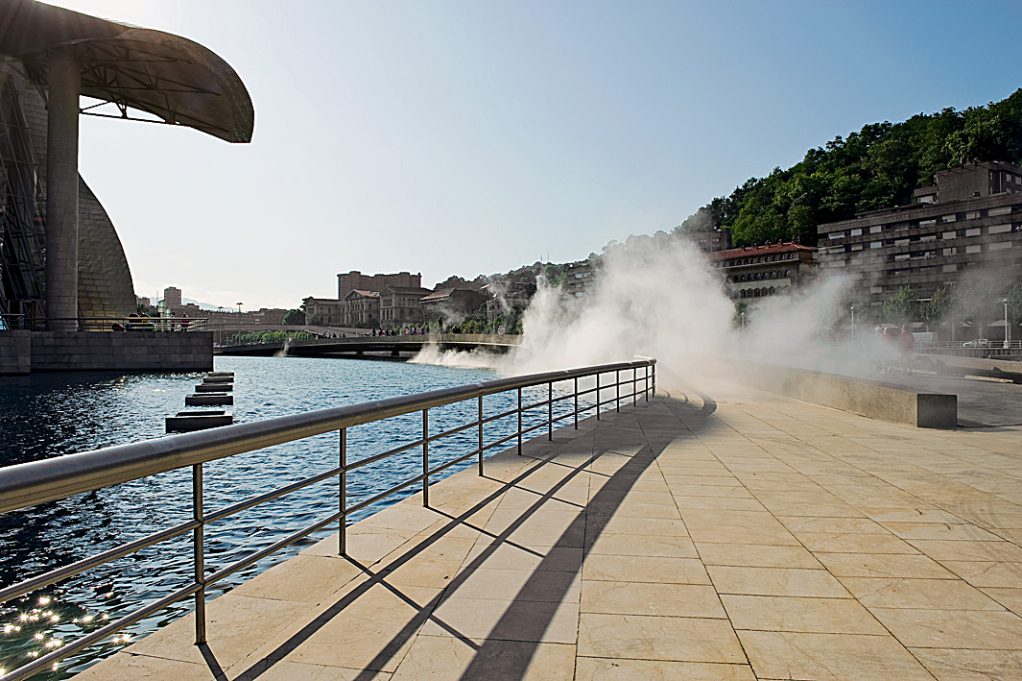
Fujiko Nakaya. Fog Sculpture #08025 (F.O.G.).
Once an hour, fog rises from the pool beside the museum, covers everything, then clears. Wind, humidity and temperature decide the shape of the work.
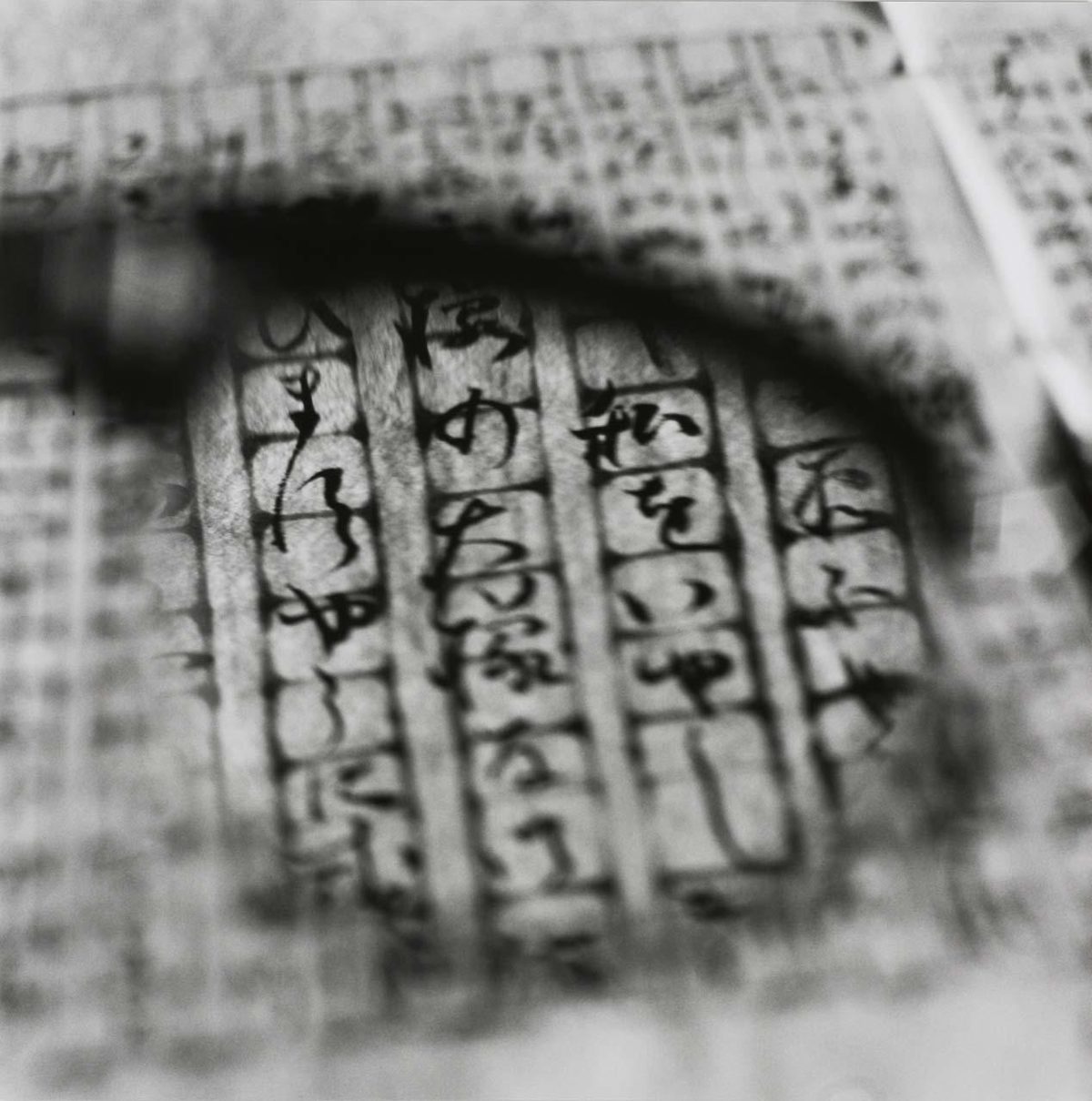
Tomoko Yoneda. Between Visible and Invisible.
Old glasses rest on a page, and through the lens a few lines come clear. Tomoko Yoneda photographs what the wearer once read.
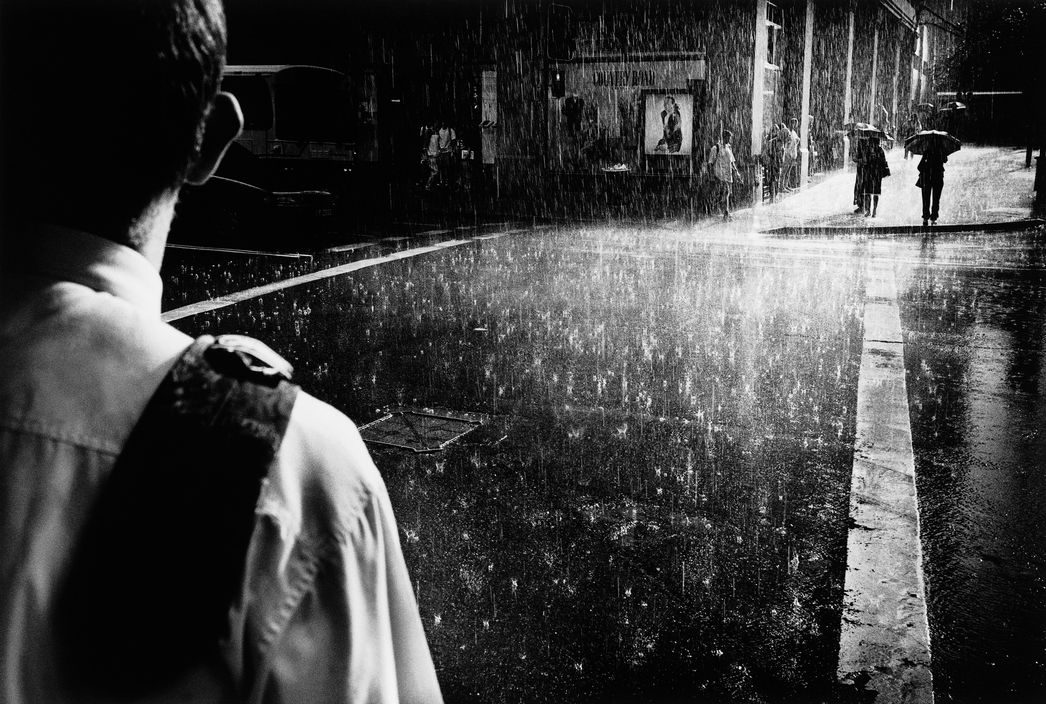
Trent Parke. Dream/Life.
A man sheltering under an awning. An office worker dissolving into a building's shadow. Trent Parke's Sydney is both real and dreamlike.
Boris Mikhailov. Case History.
More than four hundred photographs of the homeless in late 1990s Kharkiv. Boris Mikhailov paid them, posed them, and does not let the viewer look away.
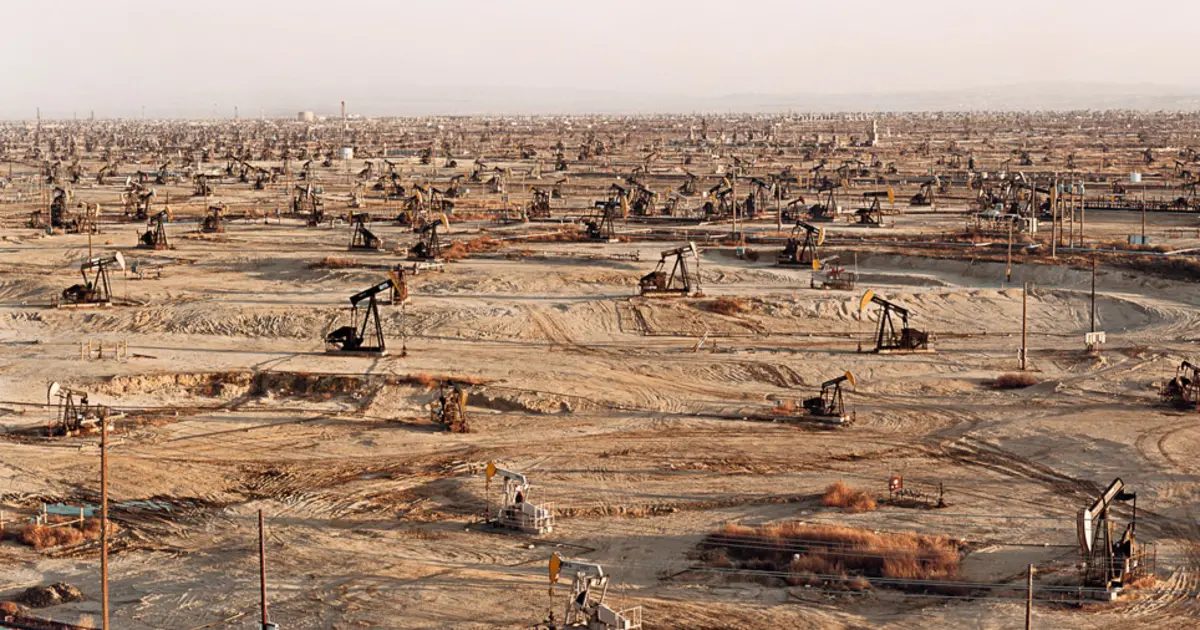
Edward Burtynsky. Oil.
Twelve years photographing oil fields, refineries, highways and shipbreaking yards. The oil itself never appears. Only what it does to the land.
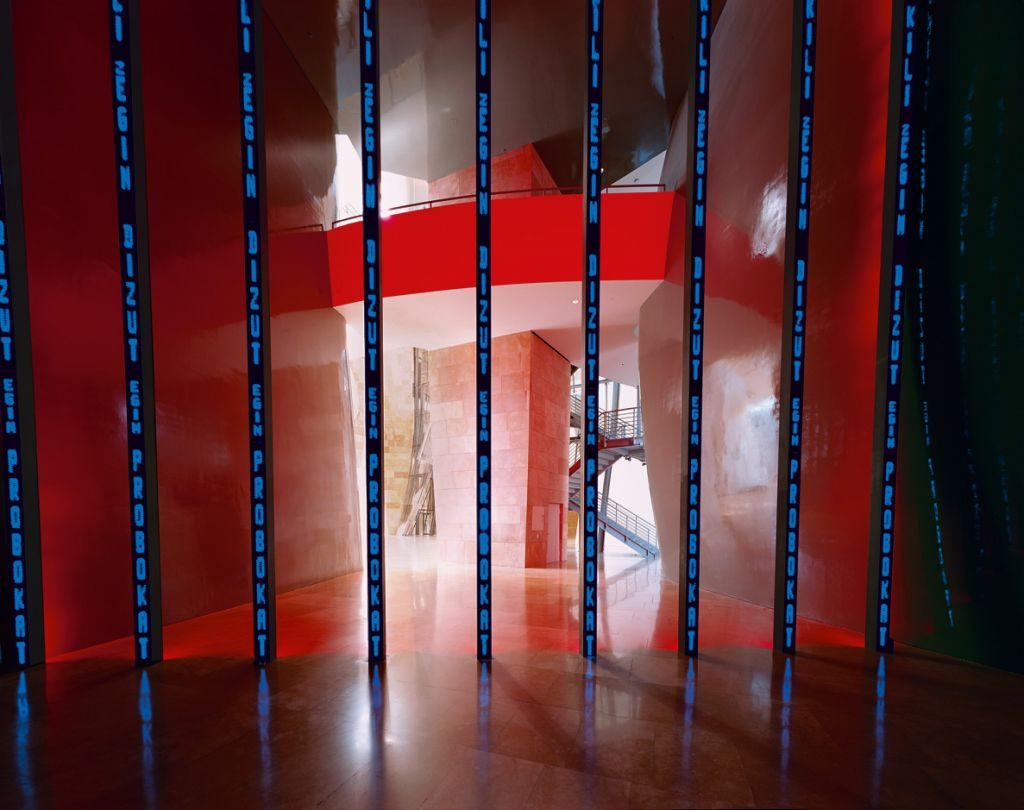
Jenny Holzer. Installation for Bilbao.
Nine columns of running light stand in a curving gallery at the Guggenheim Bilbao. The words never stop, speaking of someone lost, in three languages.
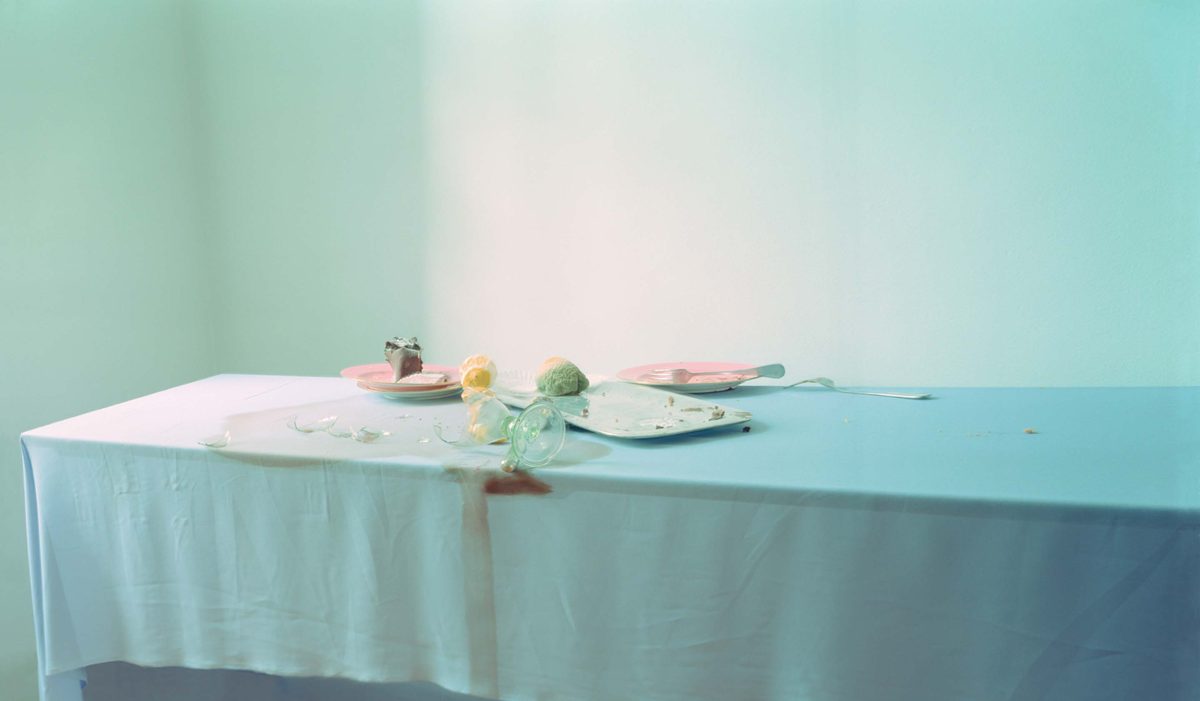
Laura Letinsky. Hardly More Than Ever.
The meal is over, the guests have risen. Letinsky photographs what is left on the table and turns it into a still life about fading.
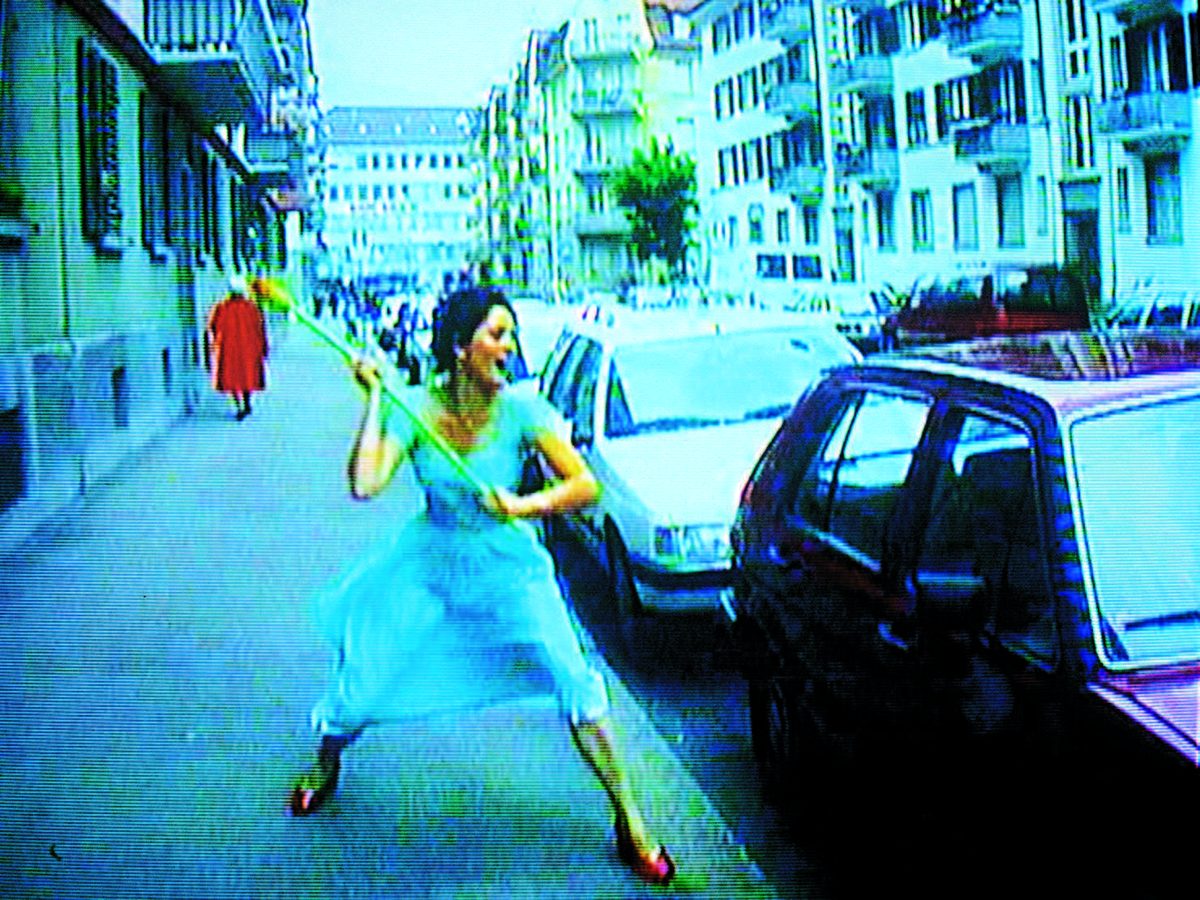
Pipilotti Rist. Ever Is Over All.
A woman in a blue dress walks down the street, smiling, and breaks car windows with a flower. Beside her, a field of flowers drifts slowly.
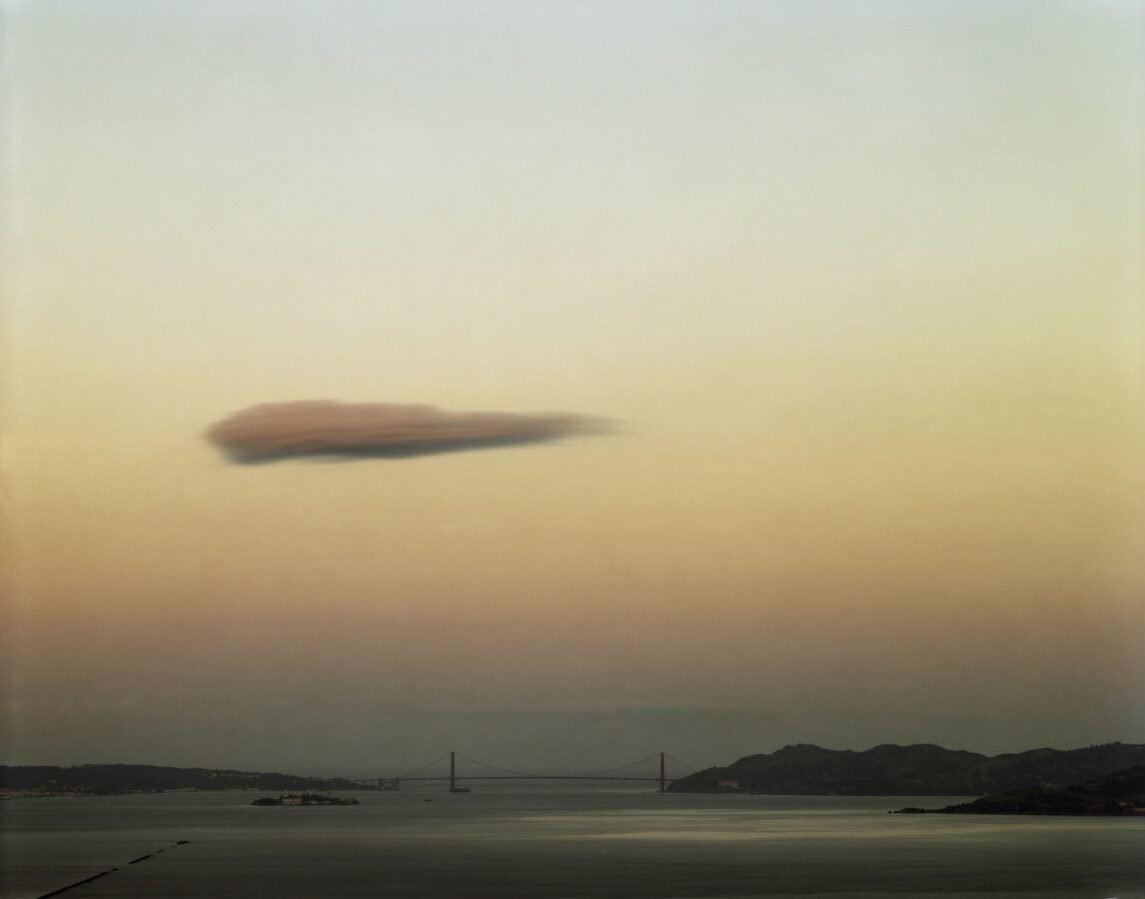
Richard Misrach. Golden Gate.
The same bridge, the same porch, many mornings and evenings. Only the light differs. Misrach recorded each one.
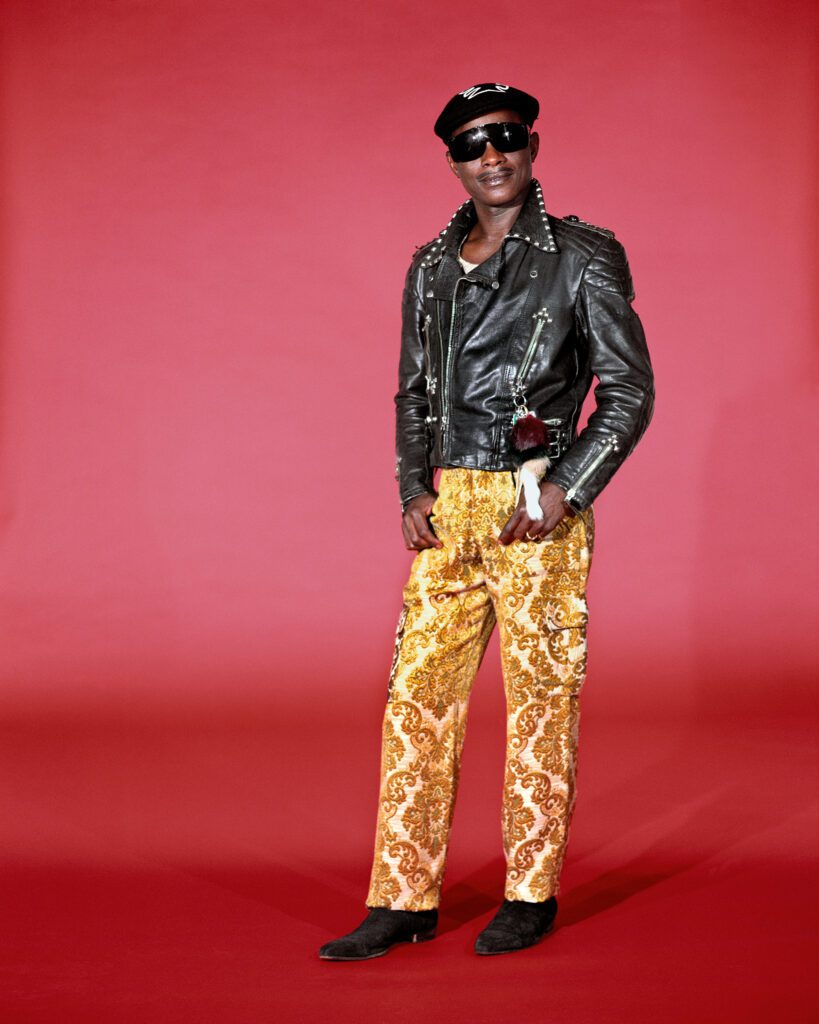
Samuel Fosso. Tati.
Invited to set up a photo studio inside Tati, Samuel Fosso turned the lens on himself and became ten characters, dressed from the store's own racks.
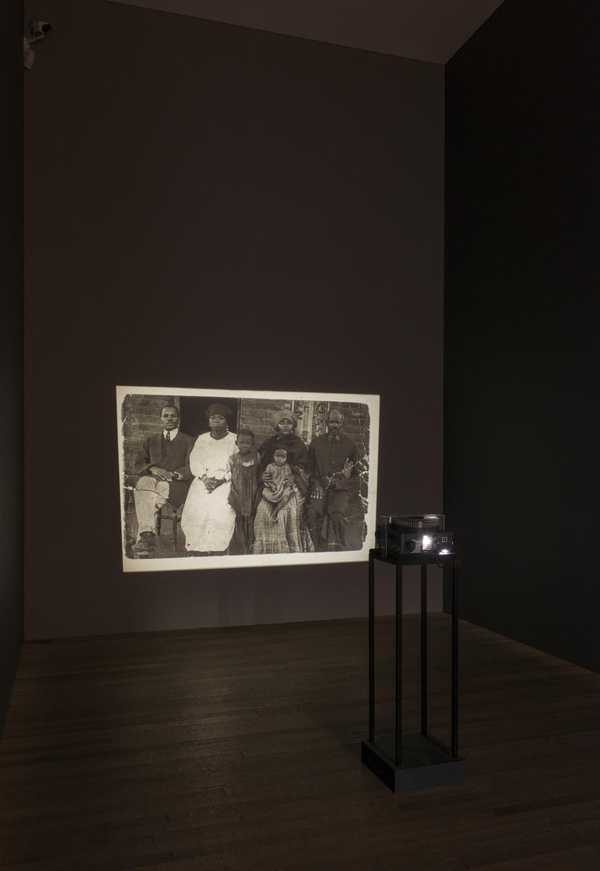
Santu Mofokeng. The Black Photo Album / Look at Me.
Eighty slides of studio portraits of black South African families: suits, long dresses, careful poses. They chose how they would be seen.
Susan Derges. River Taw.
A sheet of photographic paper nearly two metres long lies under the river at night. One flash. The water prints itself.
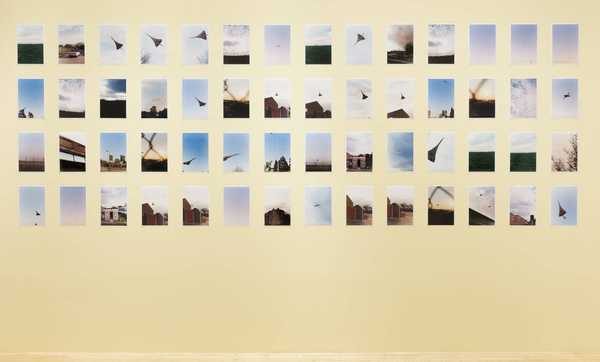
Wolfgang Tillmans. Concorde Grid.
Fifty six photographs, one aeroplane, and a photographer who never flew in it. Concorde Grid looks at speed from the ground up.
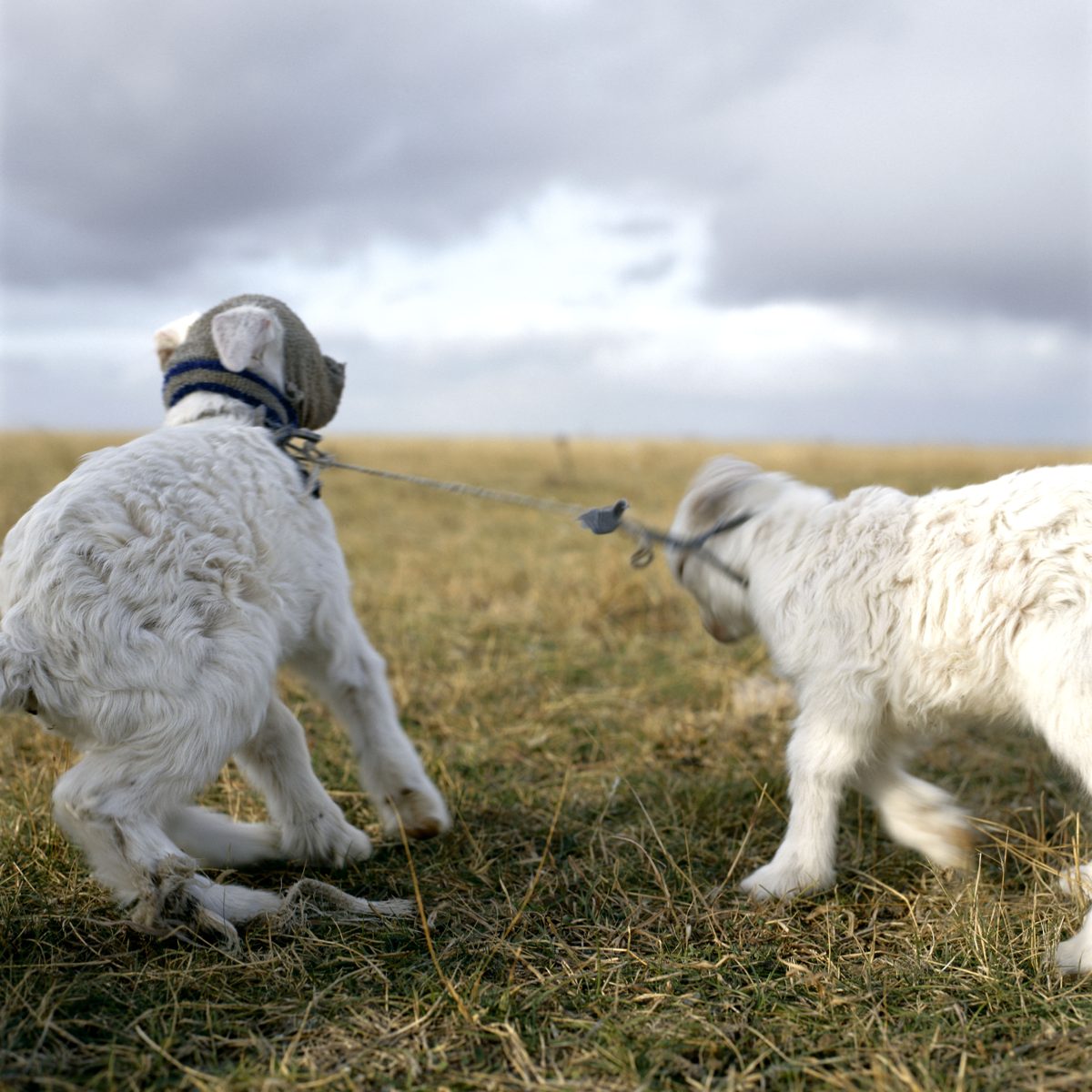
Alessandra Sanguinetti. On the Sixth Day.
Rabbits, horses, pigs, geese, lambs, cows. On a farm near Buenos Aires, the life and death of animals happen in plain sight.
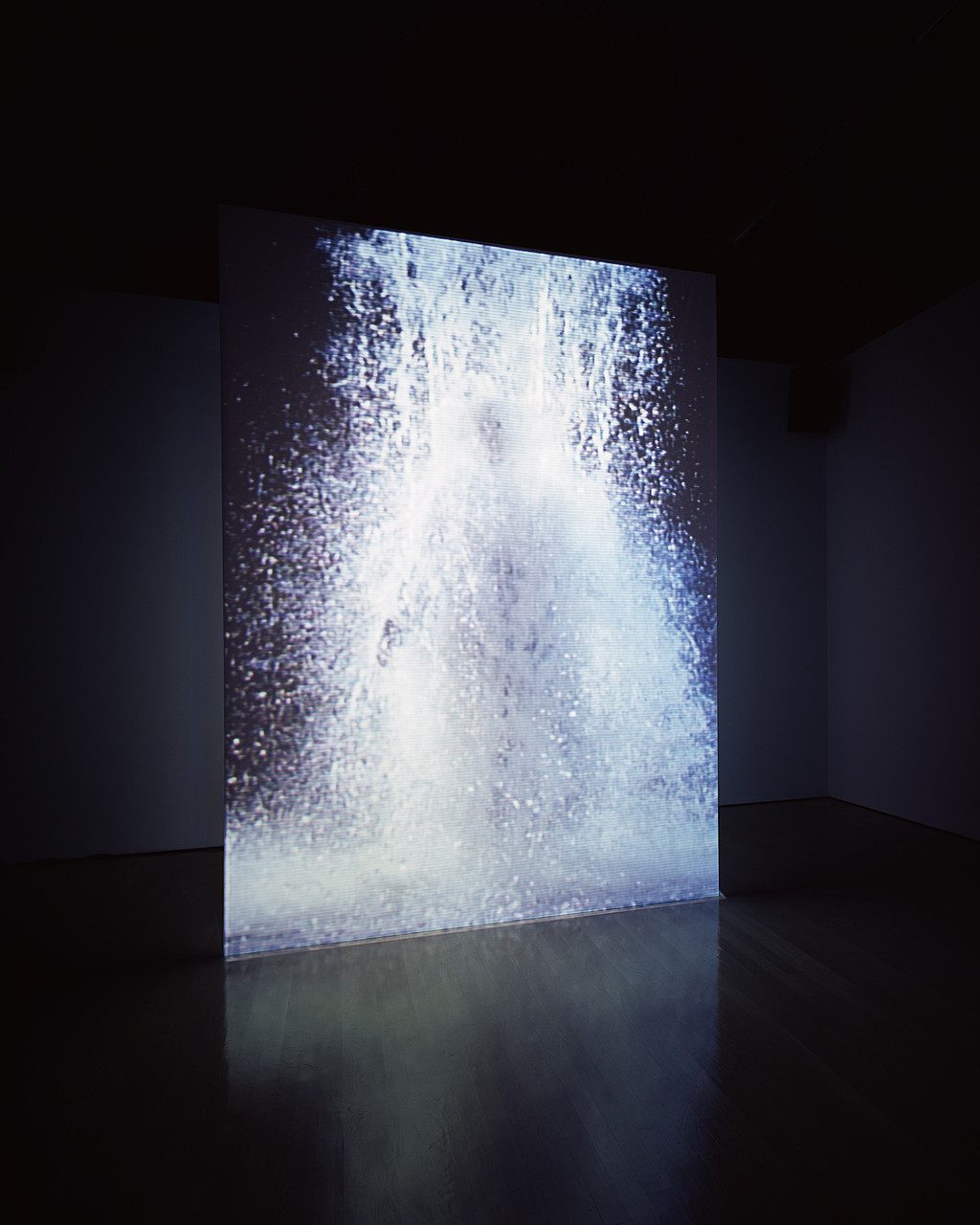
Bill Viola. The Crossing.
A man walks slowly out of darkness. On one side, water falls until it erases him. On the other, fire rises. Then it all begins again.
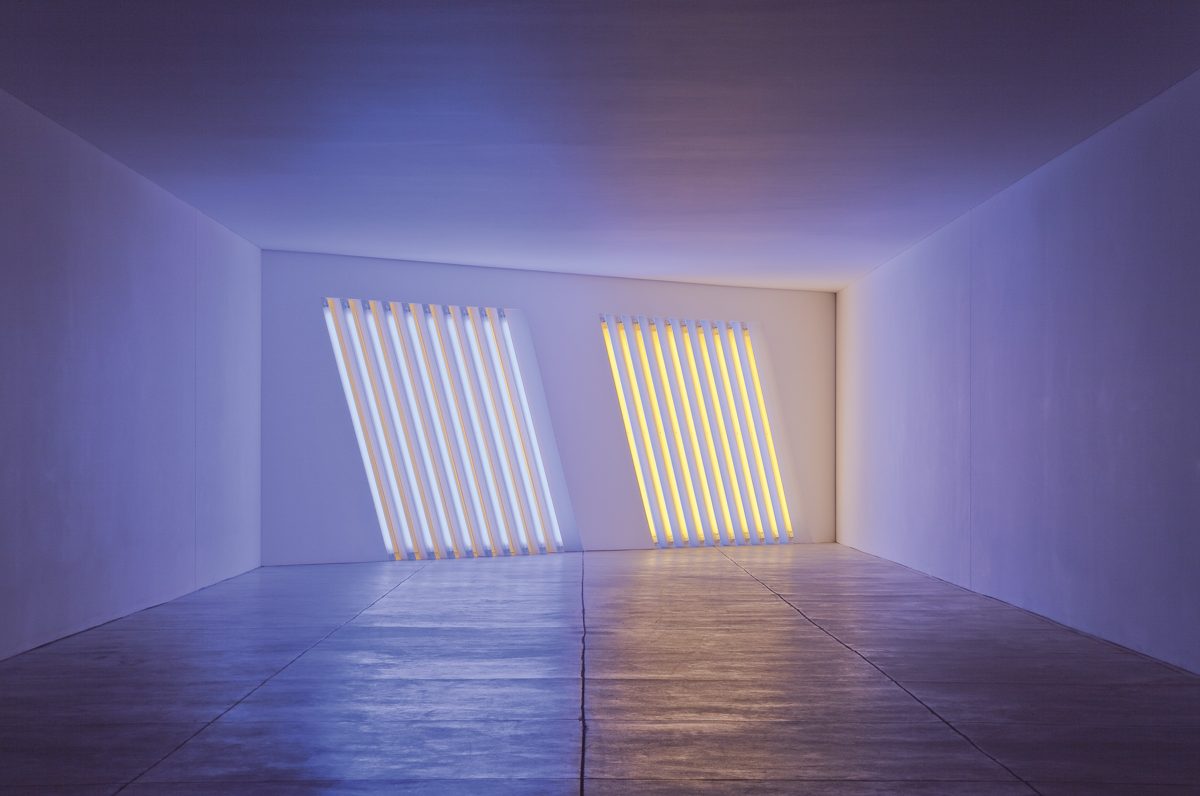
Dan Flavin. untitled (Marfa project).
Six U shaped buildings, two corridors each, a barrier of light in every corridor. The colours shift from building to building until all four meet.
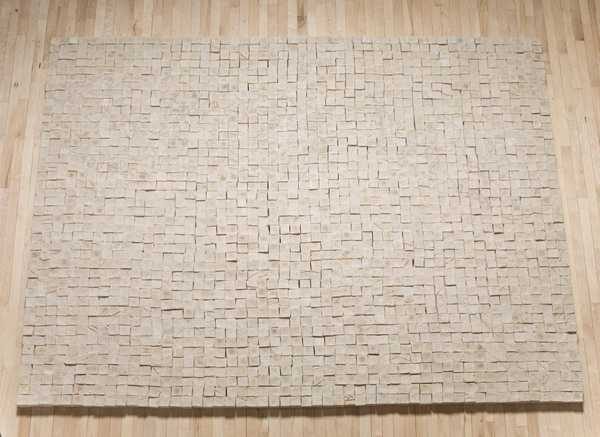
Mona Hatoum. Present Tense.
Two thousand two hundred bars of Nablus soap on the floor. Tiny red beads draw a border across them. Soap dissolves; its smell is known at once.
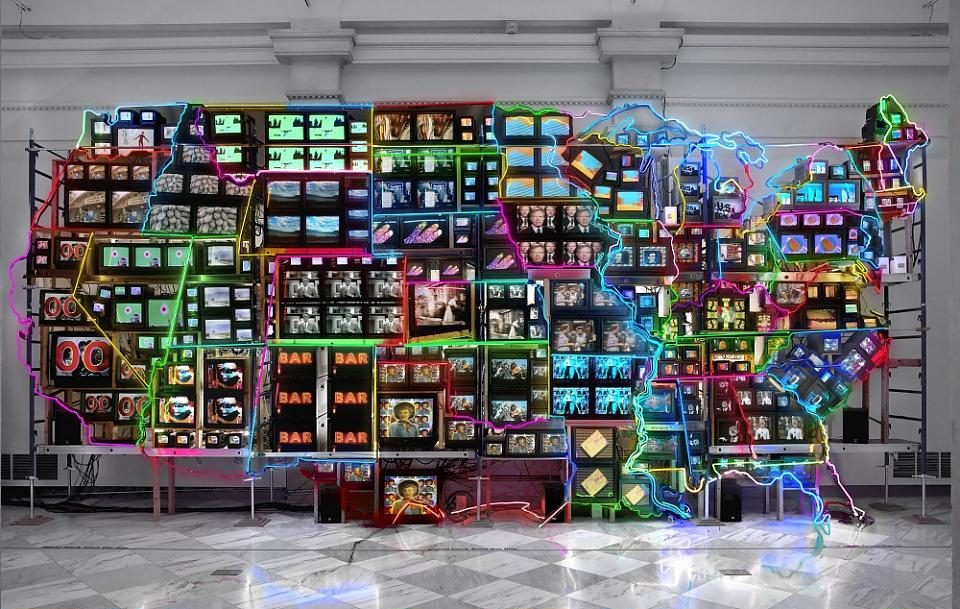
Nam June Paik. Electronic Superhighway: Continental U.S., Alaska, Hawaii.
Each state a neon outline, each outline a stream of images. Nam June Paik drew America in televisions just as the internet was coming home.
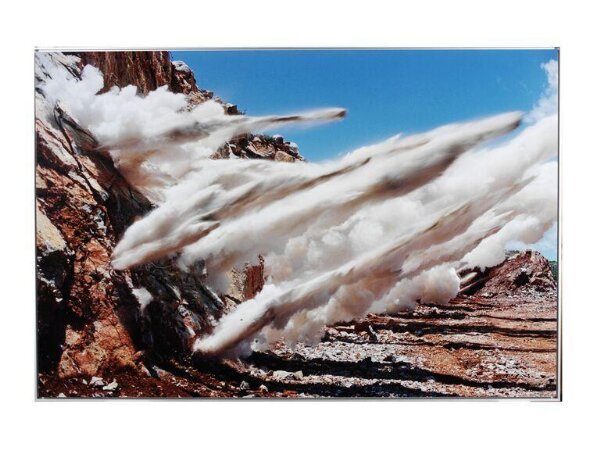
Naoya Hatakeyama. Blast.
A limestone cliff explodes and the shutter fires at a thousandth of a second. The rock has not fallen. The dust has not settled. No human eye sees this.
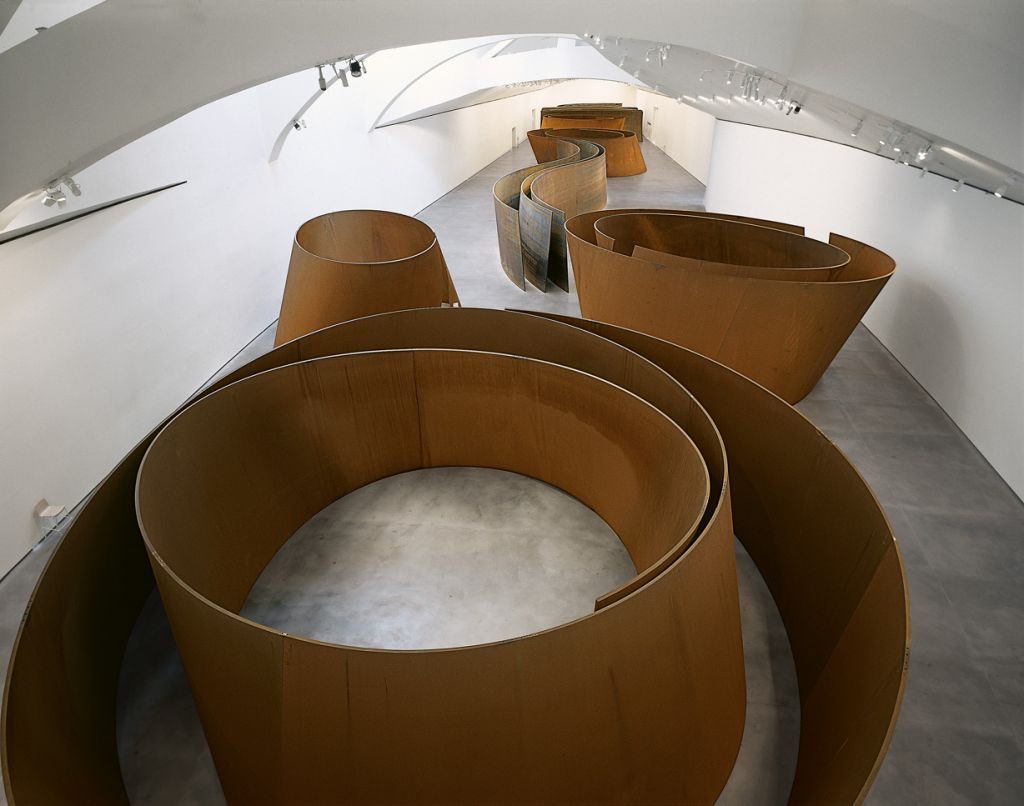
Richard Serra. The Matter of Time.
Eight steel forms, one long gallery, and corridors that narrow and widen. Richard Serra does not show time. He lets you walk through it.
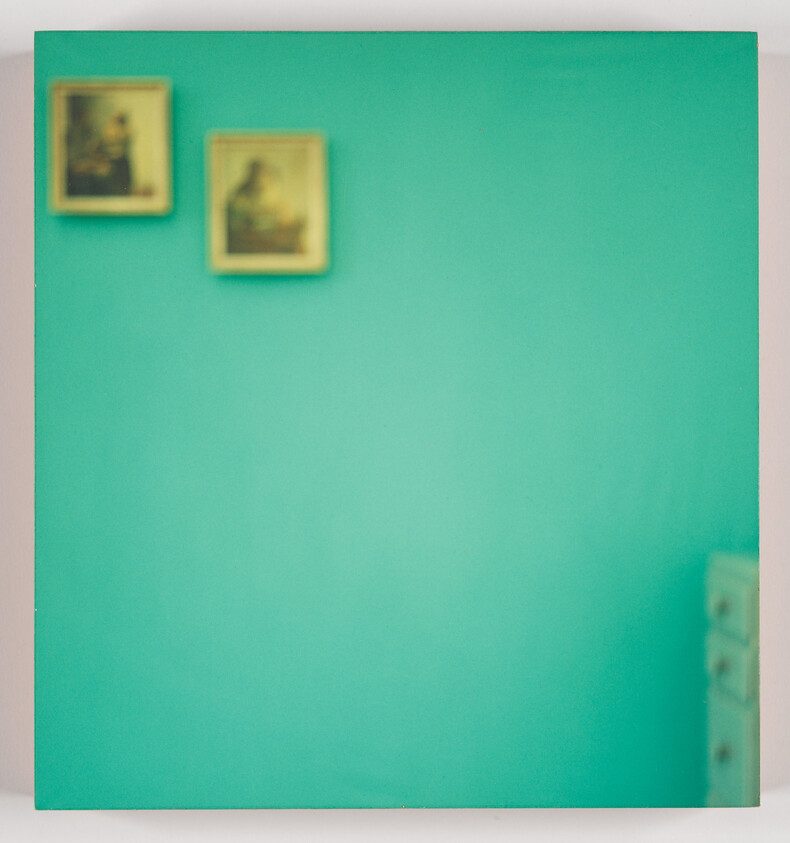
Uta Barth. Ground.
The camera focuses on nothing. Wall, frames, dresser all blur. What remains is the air of the room and the act of looking itself.
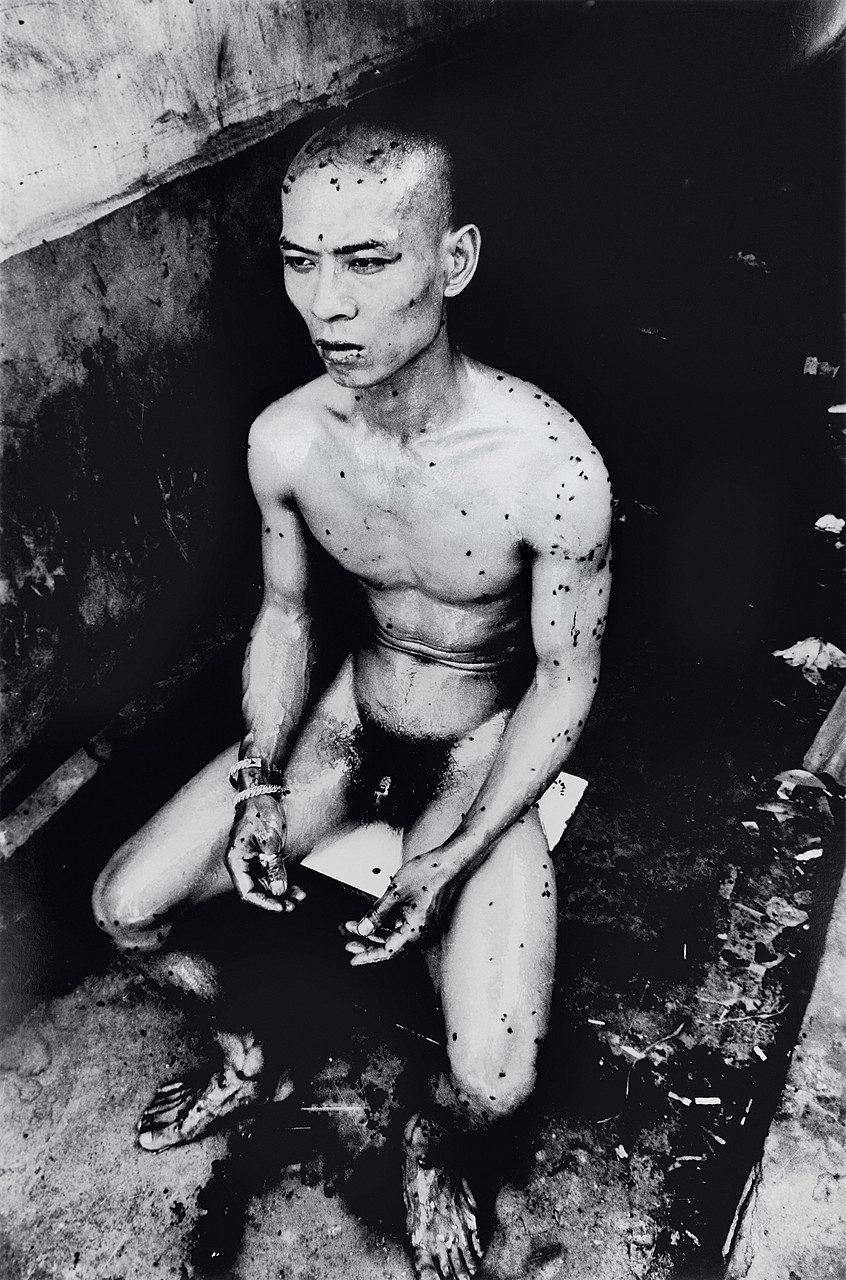
Zhang Huan. 12 Square Meters.
A man sits still in a public latrine, his body covered in honey and fish oil. Flies swarm him. An hour later he walks into a pond.
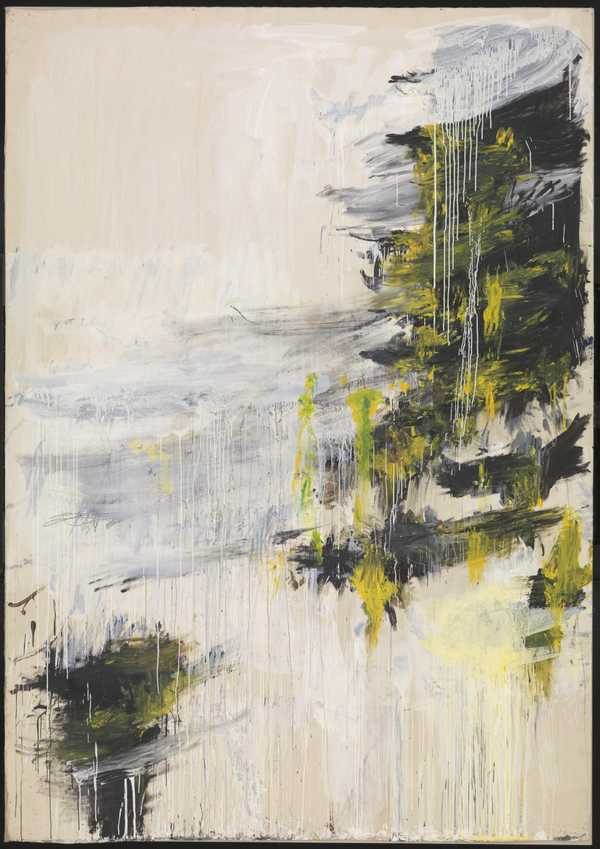
Cy Twombly. Quattro Stagioni (A Painting in Four Parts).
Spring, summer, autumn and winter on four canvases side by side. Running paint, handwriting, marks that still look wet. Twombly paints time passing through a year and a life.
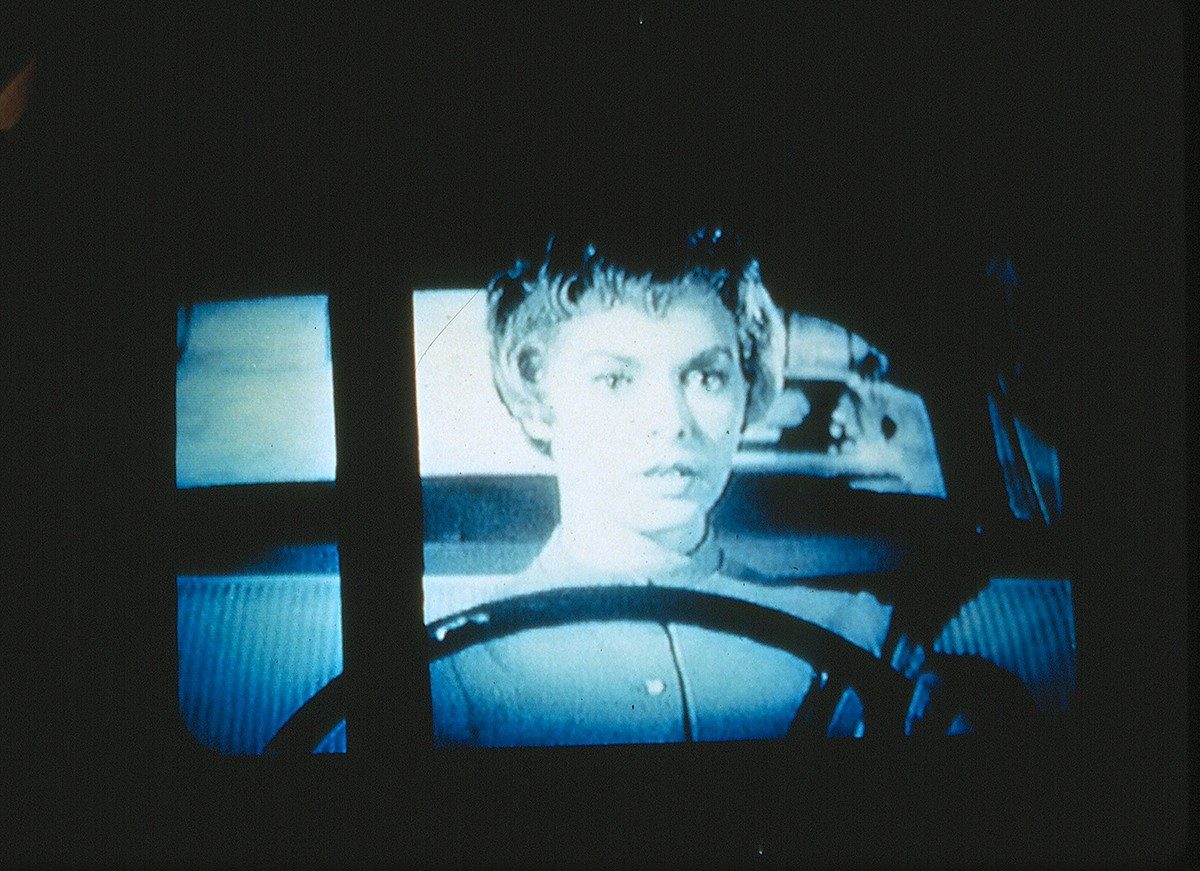
Douglas Gordon. 24 Hour Psycho.
A film of under two hours, slowed into a day and a night. No one watches it all. Perhaps that is exactly what Gordon wanted.
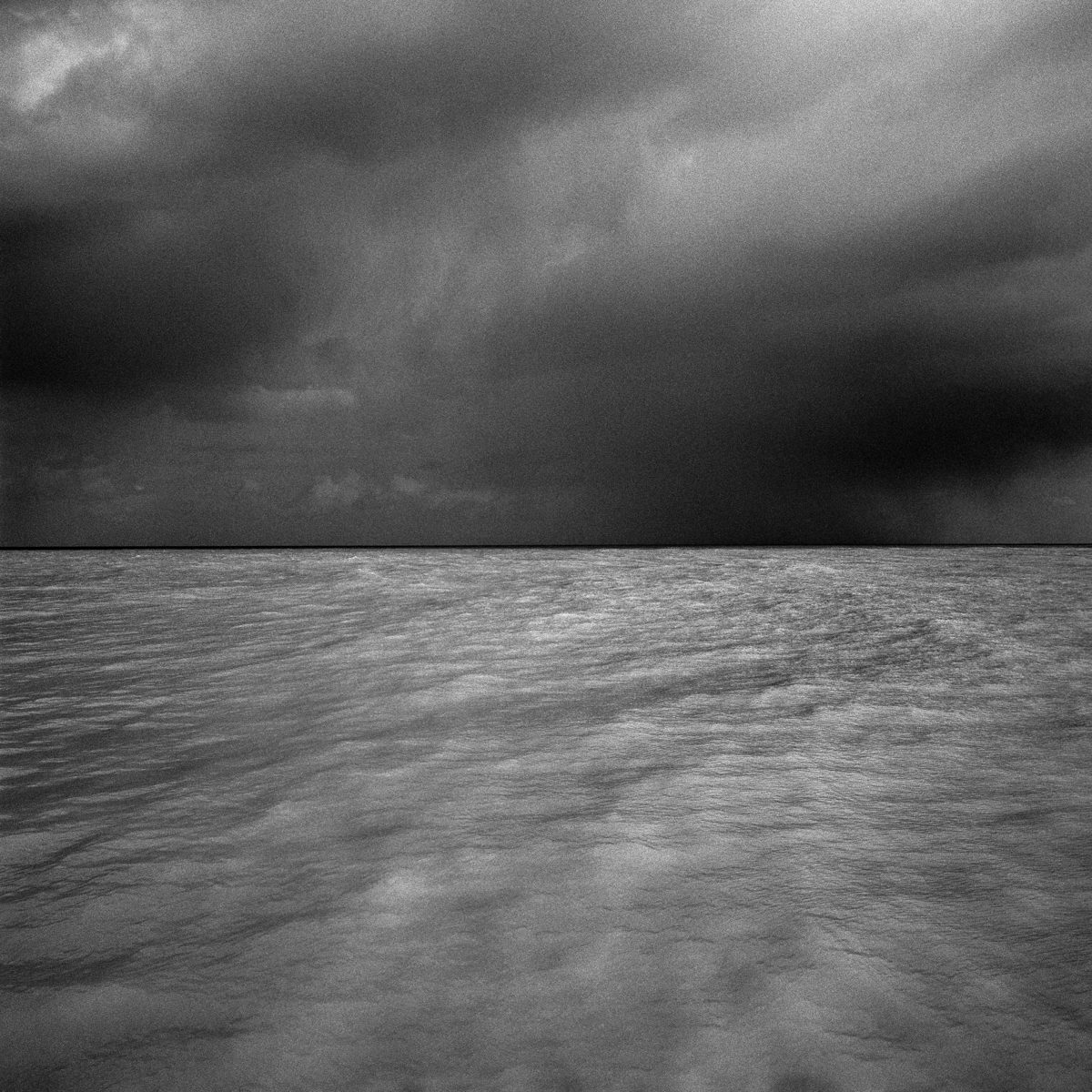
Mark Power. The Shipping Forecast.
Dover. Fastnet. German Bight. Names the British hear on the radio from childhood and few have seen. Mark Power went to each one.
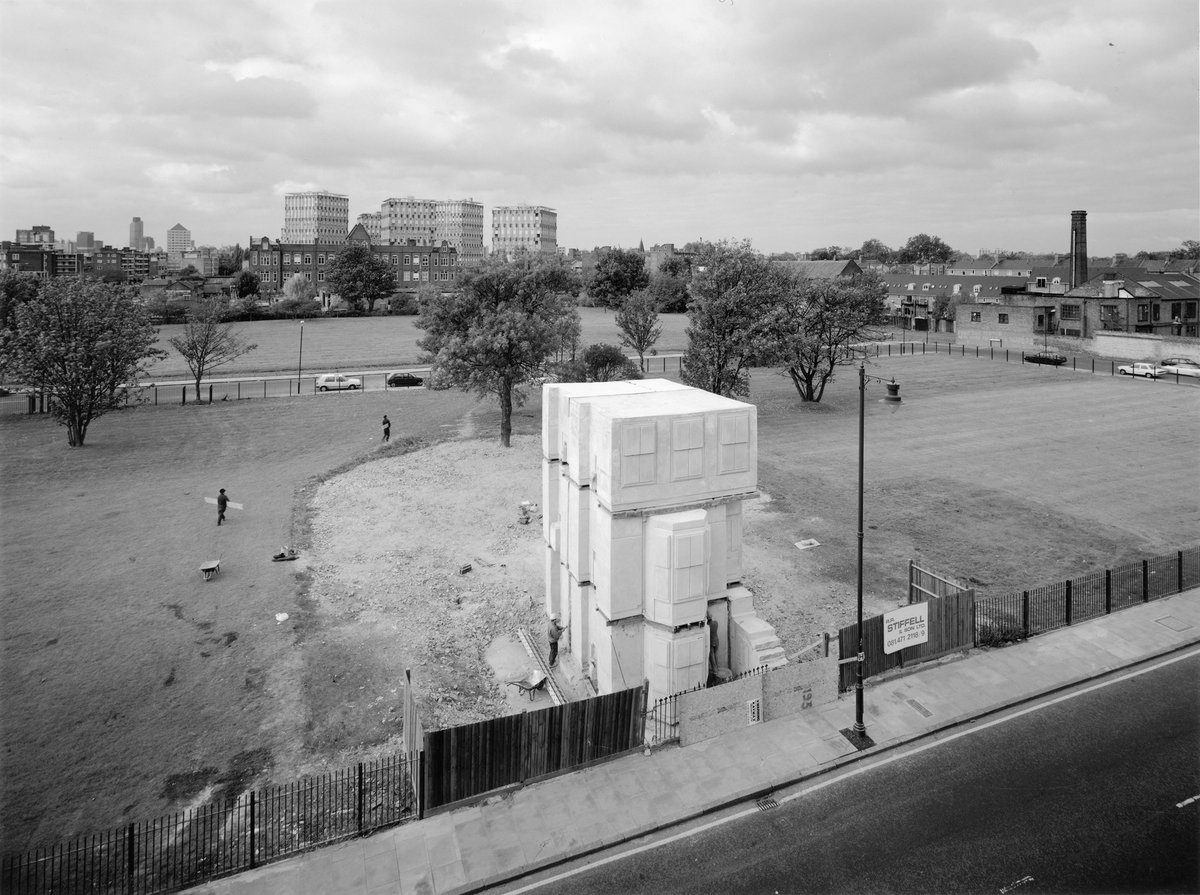
Rachel Whiteread. House.
A house stripped of its walls, leaving only the concrete cast of its inner space. House stood in East London for less than three months, then vanished.
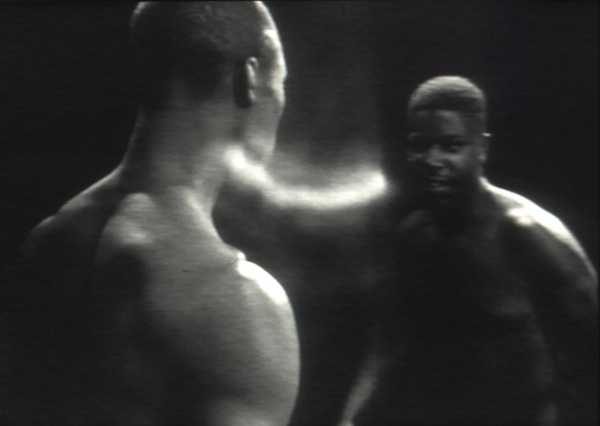
Steve McQueen. Bear.
No sound. Only two bodies, a shaft of light, the looks between them. In the silence, viewers begin to hear their own breathing.
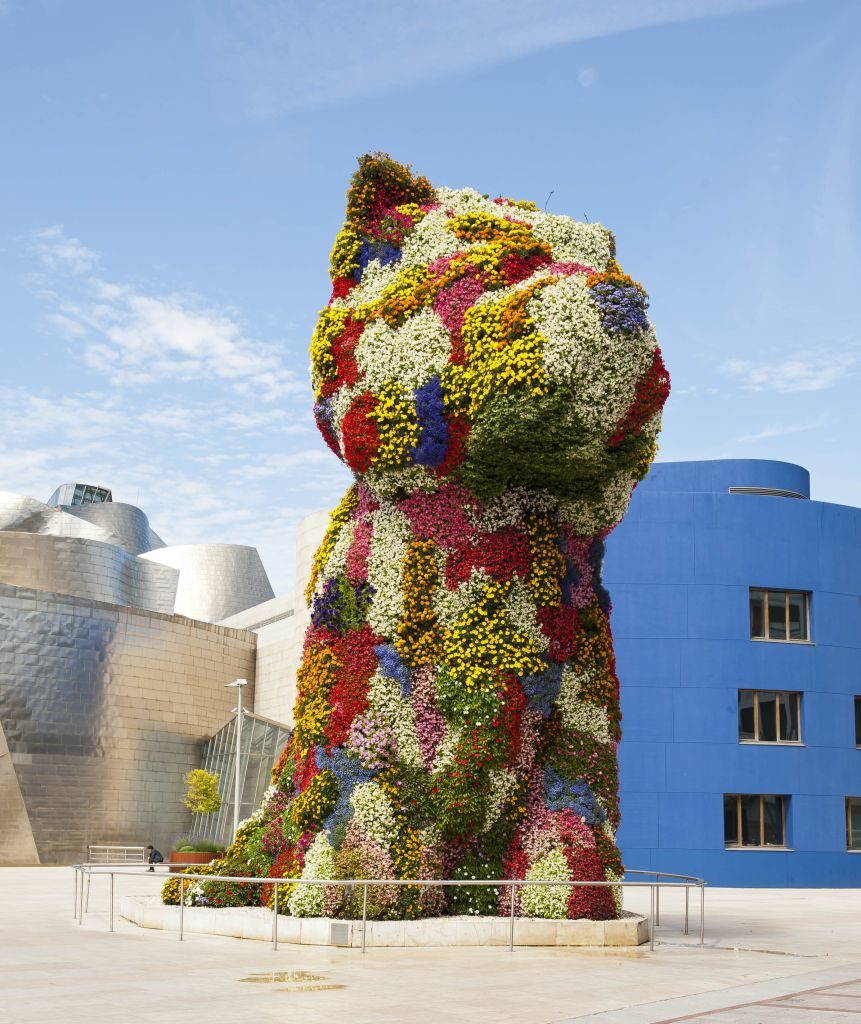
Jeff Koons. Puppy.
Steel, soil and flowering plants. A giant puppy that never stands still, because its coat is alive.
Rineke Dijkstra. Beach Portraits.
A teenager, a swimsuit, sea and sky behind. Nowhere to hide. Dijkstra photographs a body that does not yet know how to stand.
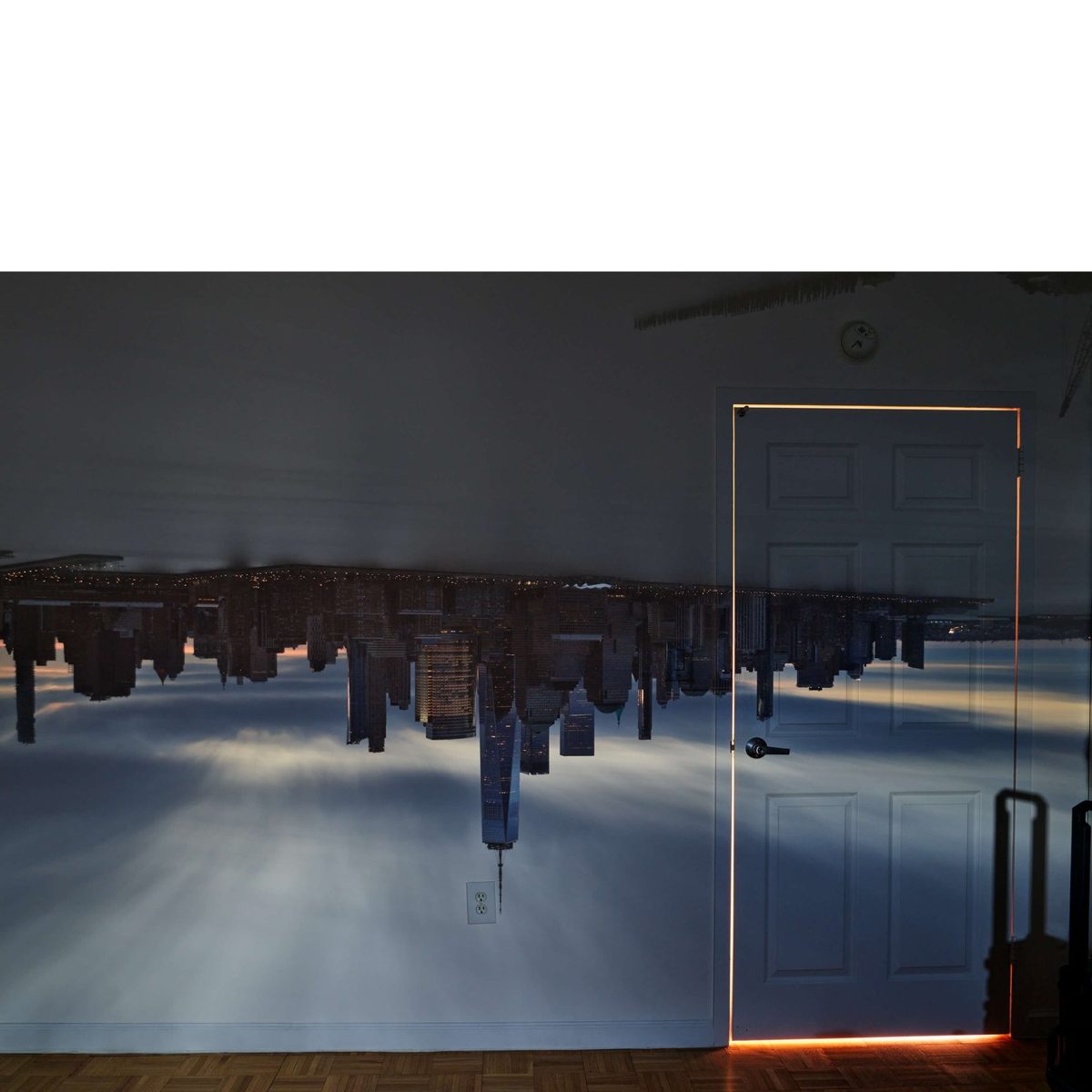
Abelardo Morell. Camera Obscura.
Manhattan lies upside down across the walls of an empty room. The outside comes in through a small hole.
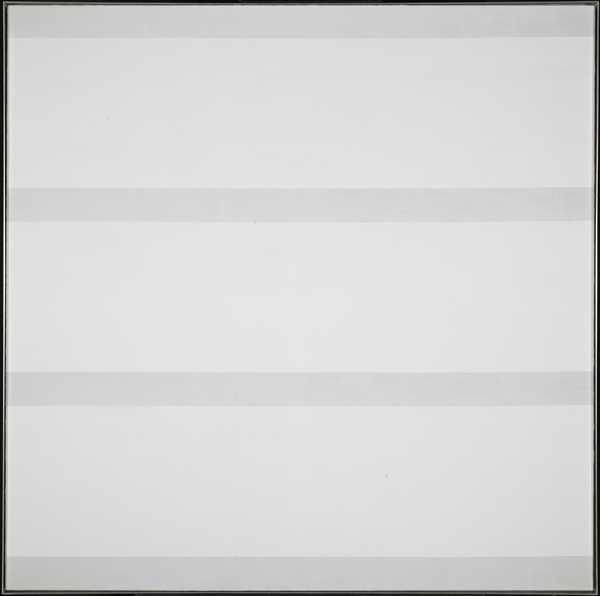
Agnes Martin. Untitled #5.
A six foot square canvas, four dark grey bands, edges that waver slightly. One of the last grey paintings Agnes Martin made in Galisteo.
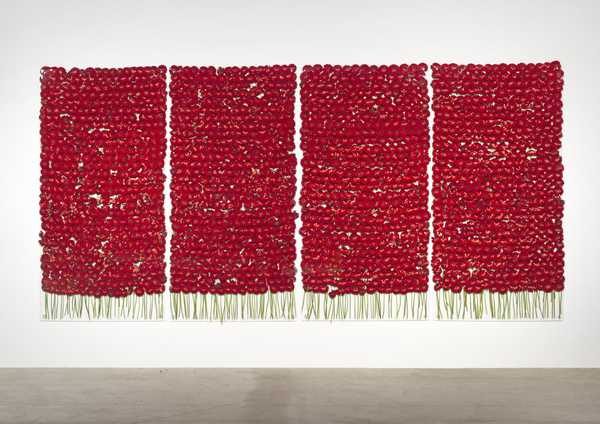
Anya Gallaccio. preserve 'beauty'.
Fresh flowers pressed behind large sheets of glass, then left alone to wither. The work is not the flower. It is the weeks in which colour and smell change.
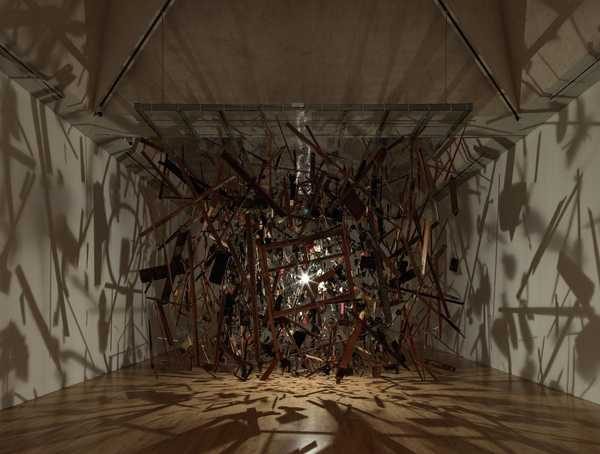
Cornelia Parker. Cold Dark Matter: An Exploded View.
A wooden shed, things no one could throw away, an explosion. Then each charred piece hung around a single bulb, its shadow covering the walls.
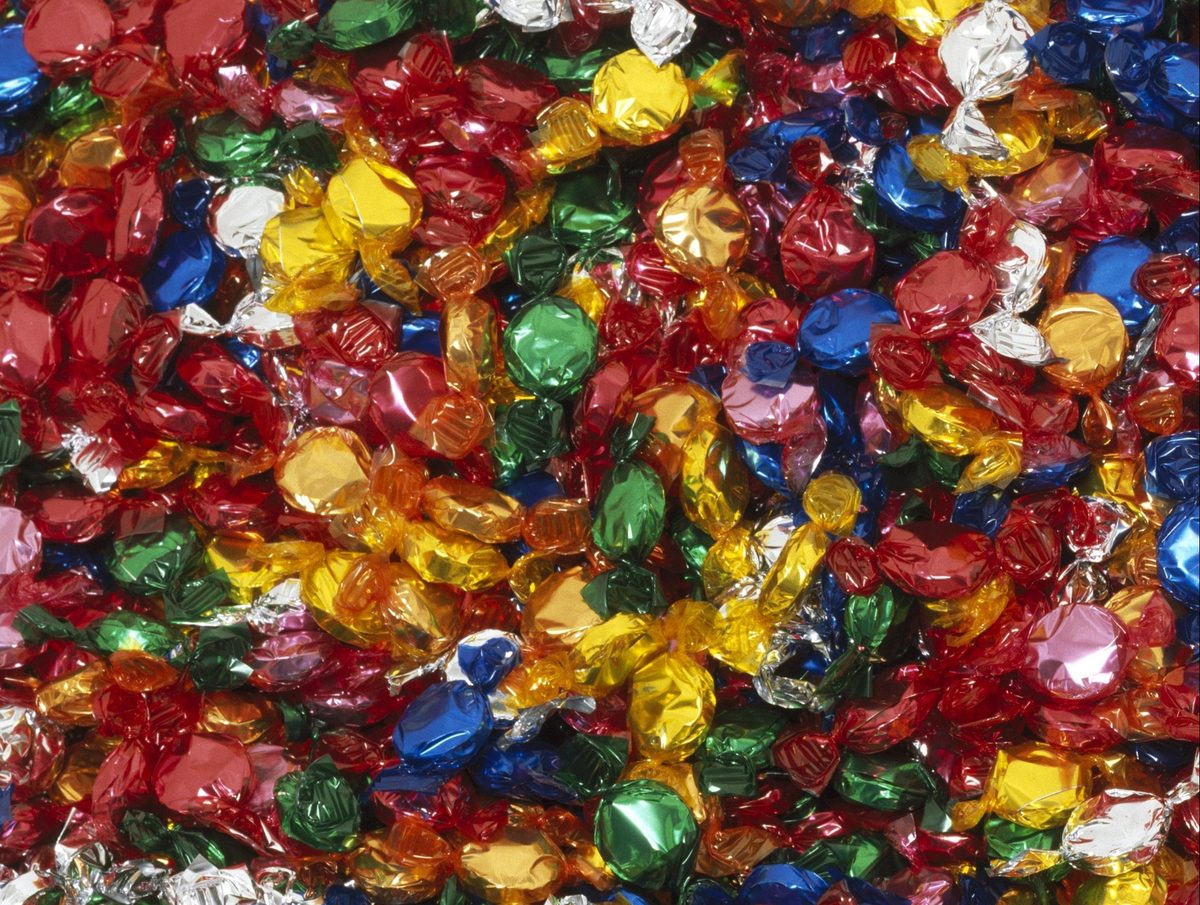
Felix Gonzalez-Torres. "Untitled" (Portrait of Ross in L.A.).
A pile of colourfully wrapped candy in a gallery corner. Each visitor takes one. The portrait grows smaller, then is replenished.
Naoya Hatakeyama. Lime Works.
Lime and cement plants across Japan, photographed before full daylight. Every surface wears fine white dust. The city begins here.
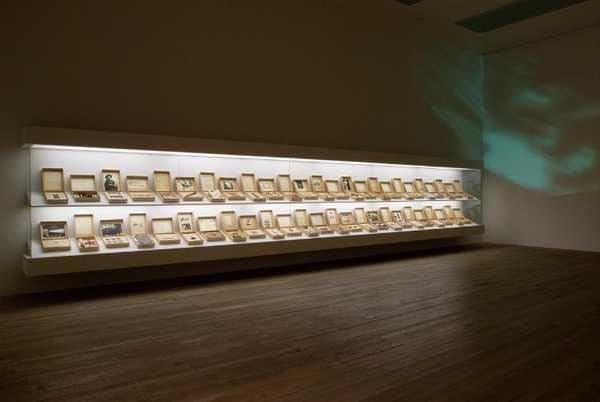
Susan Hiller. From the Freud Museum.
Fifty cardboard boxes in a glass case. In each, a few small things and a label. Ordinary alone, together they form a map of memory.
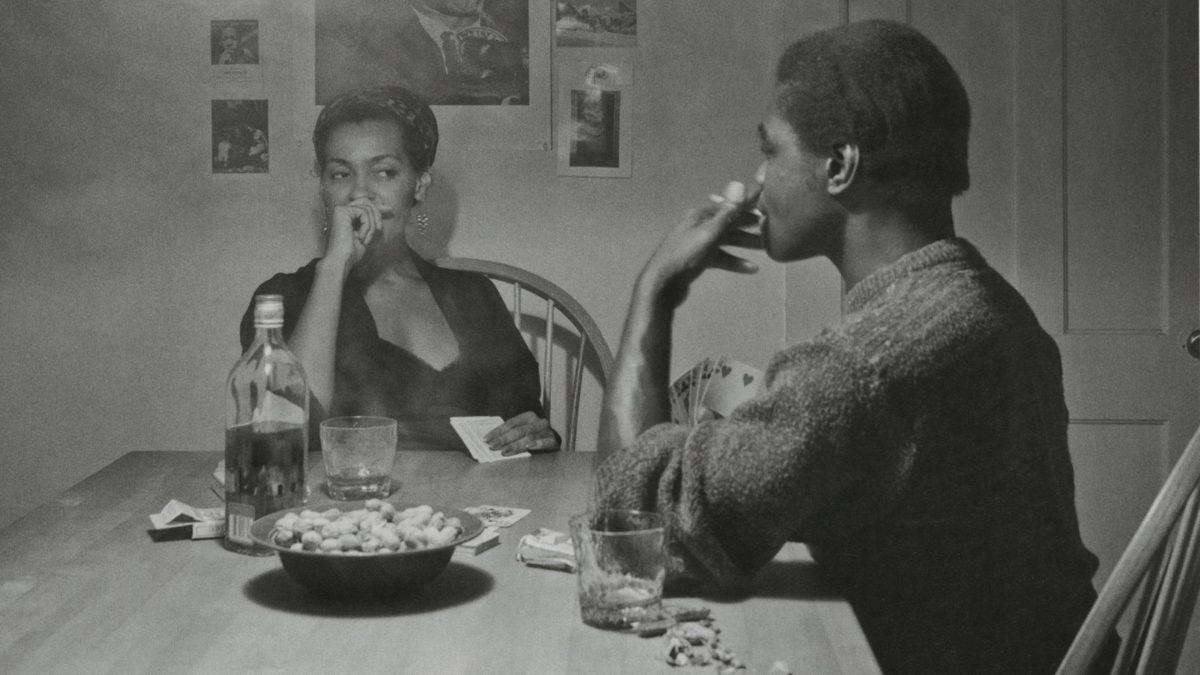
Carrie Mae Weems. Kitchen Table Series.
Same table, same lamp, same camera angle. Only people come and go. A kitchen table becomes the stage of a whole life.
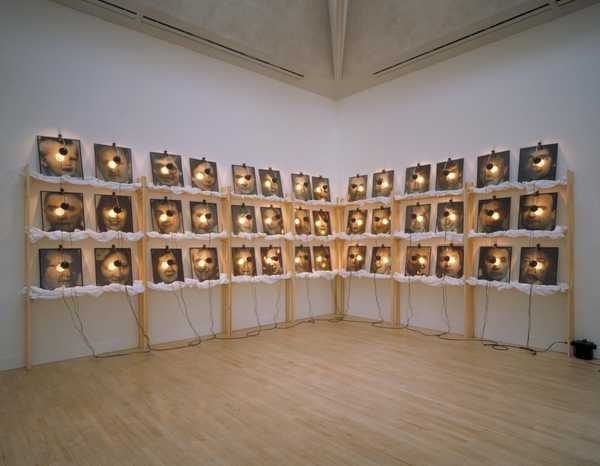
Christian Boltanski. The Reserve of Dead Swiss.
Forty two photographs of the dead, with no names and no stories. Each has a lamp bending over it. Boltanski called it a reserve.
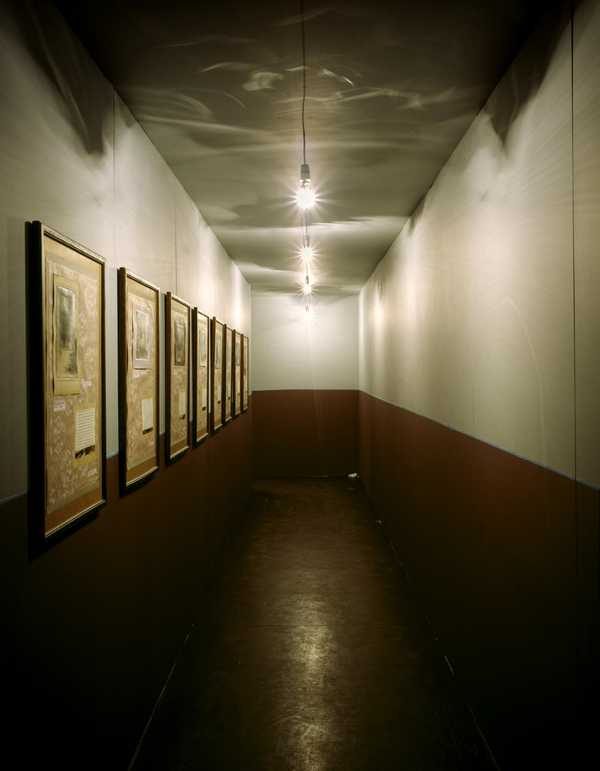
Ilya Kabakov. Labyrinth (My Mother's Album).
A narrow corridor, seventy six frames along the walls: pictures of a cheerful town, and a mother's words telling otherwise.
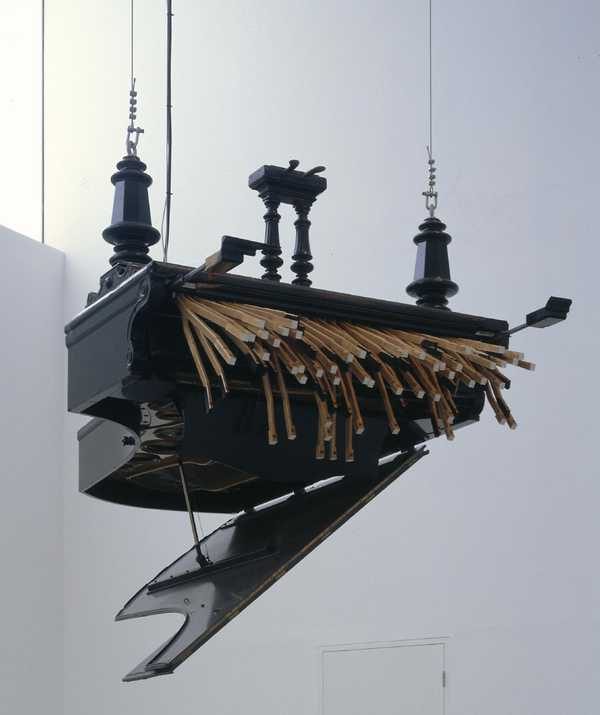
Rebecca Horn. Concert for Anarchy.
An upside down piano, silent for a long time. Then the lid bursts open, the keys spill out, a broken chord sounds. Then it all pulls back as if nothing happened.
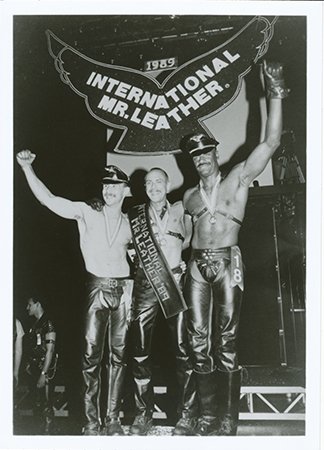
Guy Baldwin. On Leather Pants.
A pair of tight black leather pants. For Guy Baldwin, they are more than clothing. They are a language, an armour, a sign of belonging.
Louise Bourgeois. Cell (Eyes and Mirrors).
A cage of iron mesh and glass panes. Inside, black stone eyes look out and mirrors reflect mirrors. The viewer stays outside, let in only by sight.
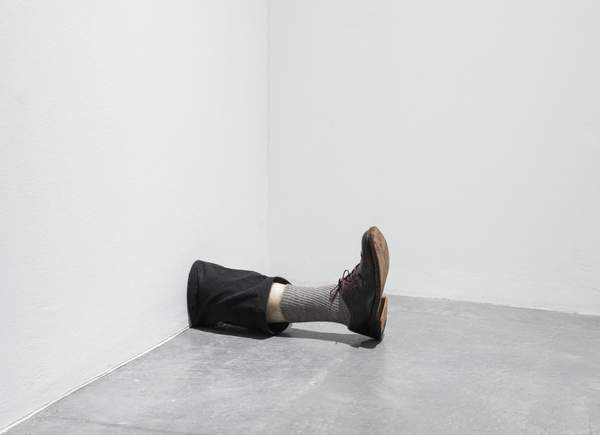
Robert Gober. Untitled.
In a corner, a human leg comes out of the wall: trousers, wool sock, leather shoe, a patch of hairy skin. It is wax. It looks so real that viewers step back.
Thomas Struth. Museum Photographs.
People before paintings, and people before photographs of people before paintings. Thomas Struth made museum going his subject.
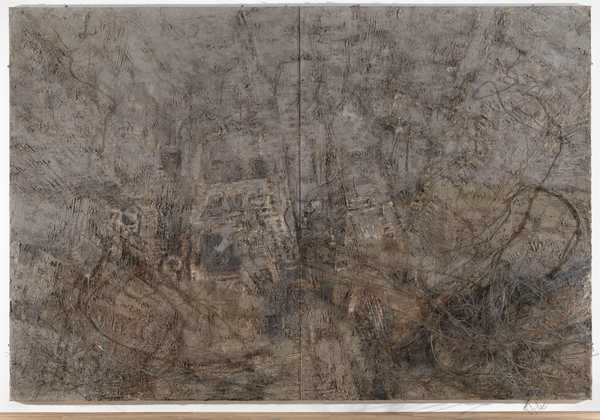
Anselm Kiefer. Lilith.
A city seen from above, covered in grey ash, with strands of copper wire on the canvas. Kiefer names it after a demon of ruin from Jewish legend.
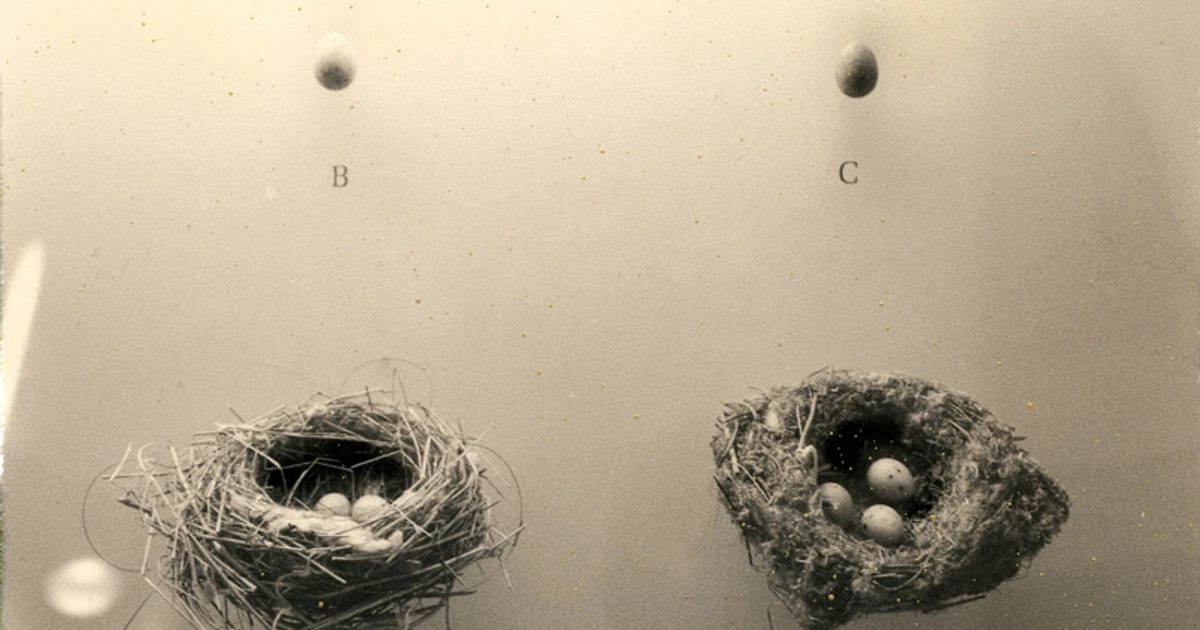
Masao Yamamoto. A Box of Ku.
Masao Yamamoto makes small prints, ages them, and places them in a box. Each one is an object. The whole box holds emptiness.
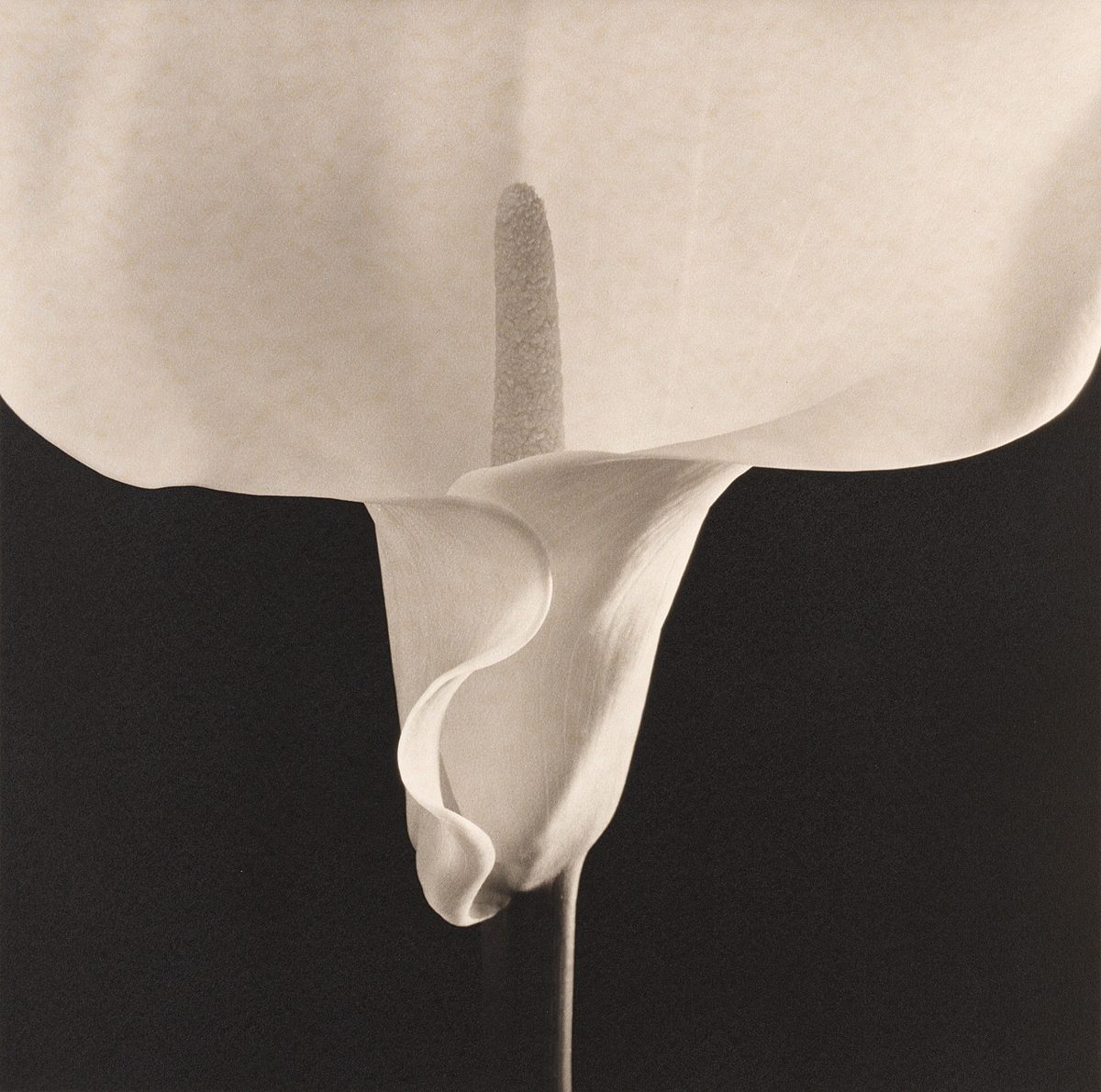
Robert Mapplethorpe. Calla Lily.
One stem, one rolled petal, one plain ground. Mapplethorpe photographed a calla lily the way one photographs a statue.
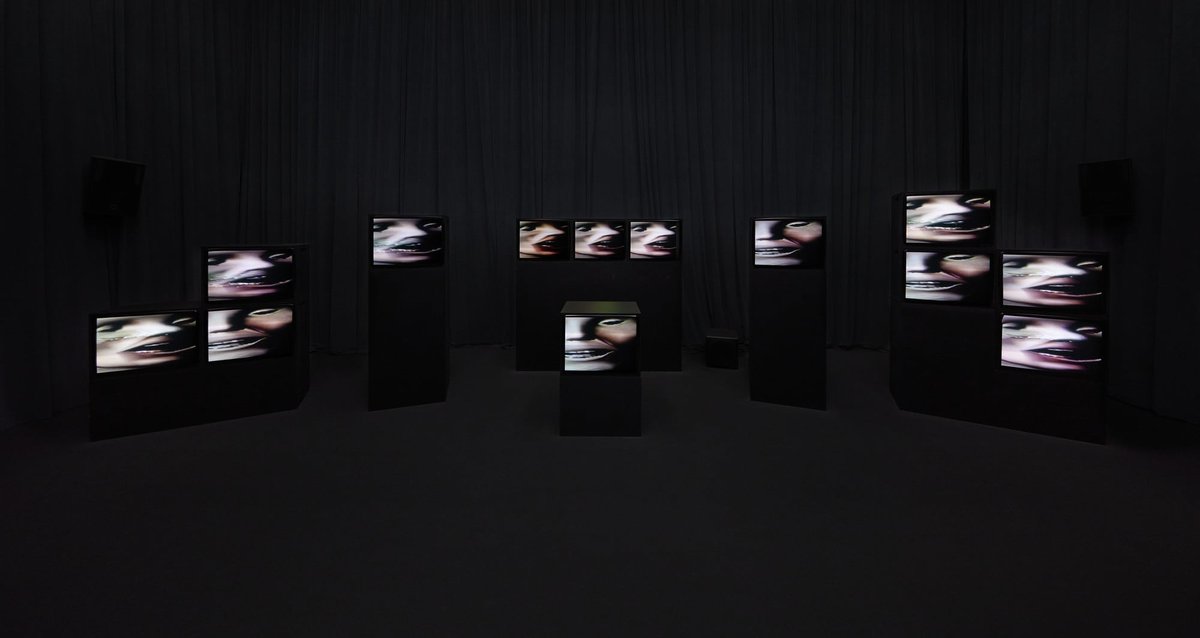
Gretchen Bender. Dumping Core.
Thirteen screens flash logos, advertisements and war news at once. Gretchen Bender runs television too fast so we can see it more clearly.
Mierle Laderman Ukeles. Touch Sanitation Show.
An exhibition inside a garbage transfer station, after years of shaking the hands of those who keep the city clean.
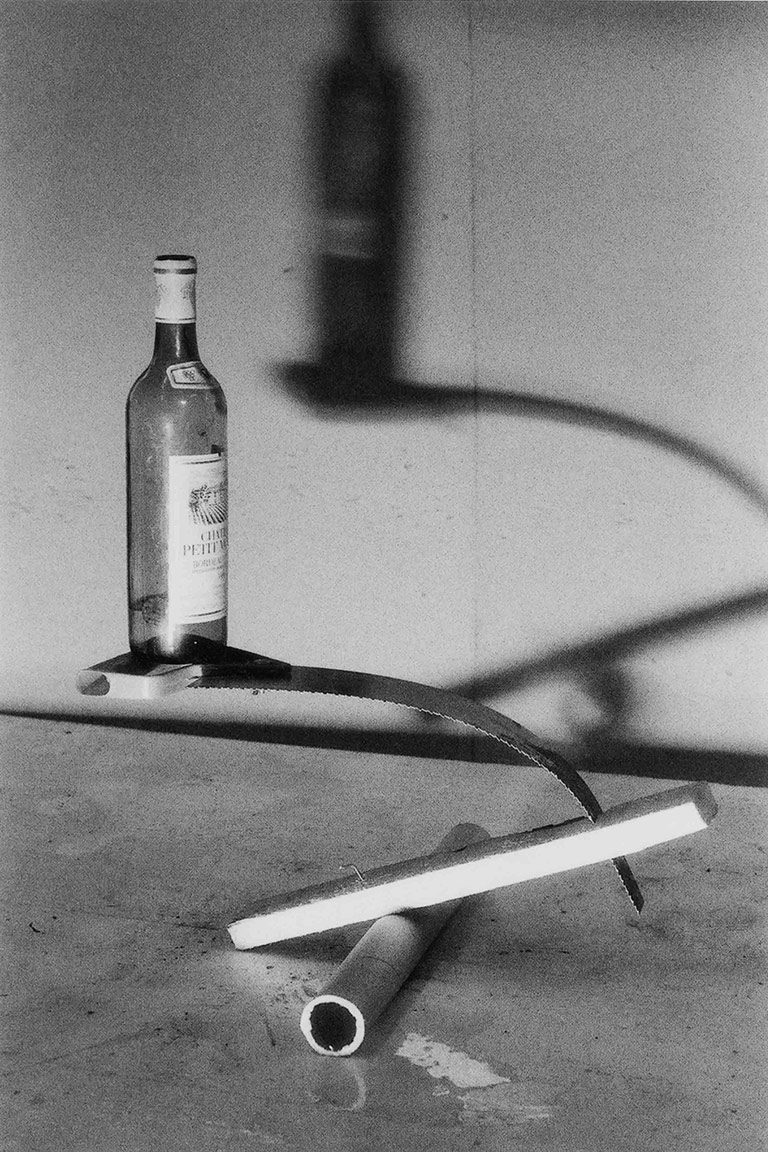
Peter Fischli and David Weiss. Equilibres (Quiet Afternoon).
A ladle, a chair, a bottle standing on each other for a few seconds. Then they fall. Only the photograph remains.
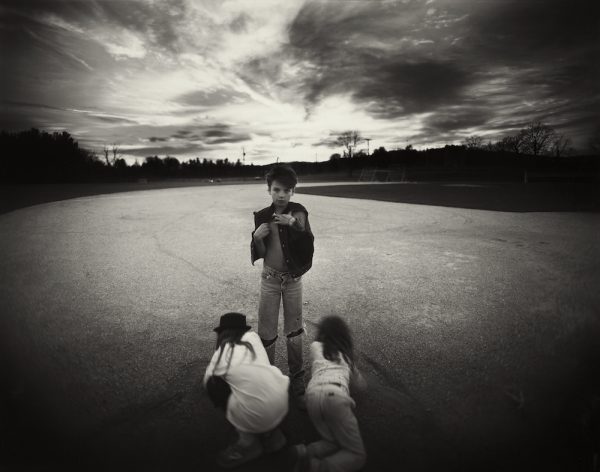
Sally Mann. Immediate Family.
Sally Mann photographed her three children for eight years at the family farm. The pictures are tender and unsettling, and they have never stopped being argued over.
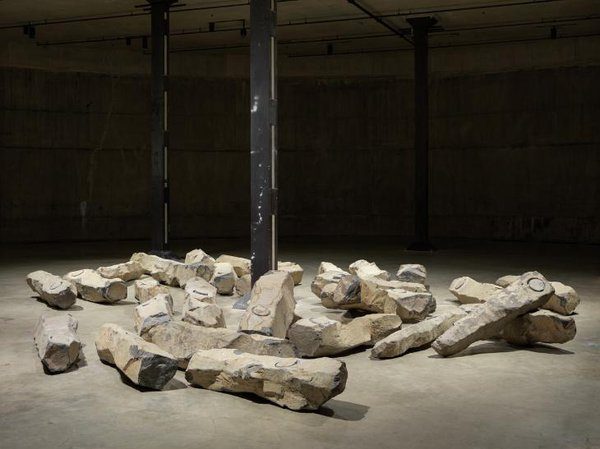
Joseph Beuys. The End of the Twentieth Century.
Thirty one basalt blocks lie scattered on the floor. Each has a conical hollow lined with felt and clay, its stone plug set back in place.
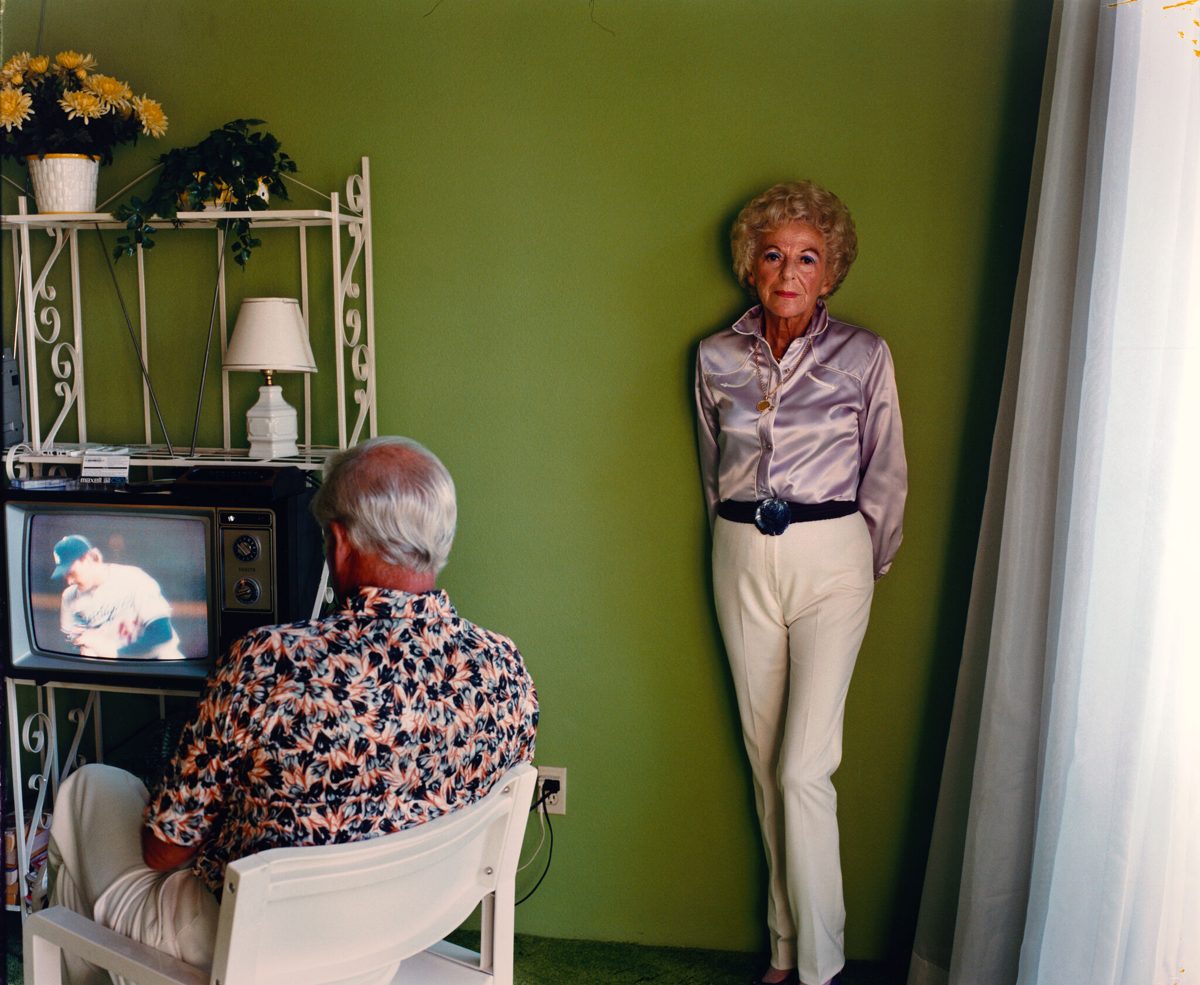
Larry Sultan. Pictures from Home.
A son comes home with a camera. His parents are both models and critics. How is family memory built?
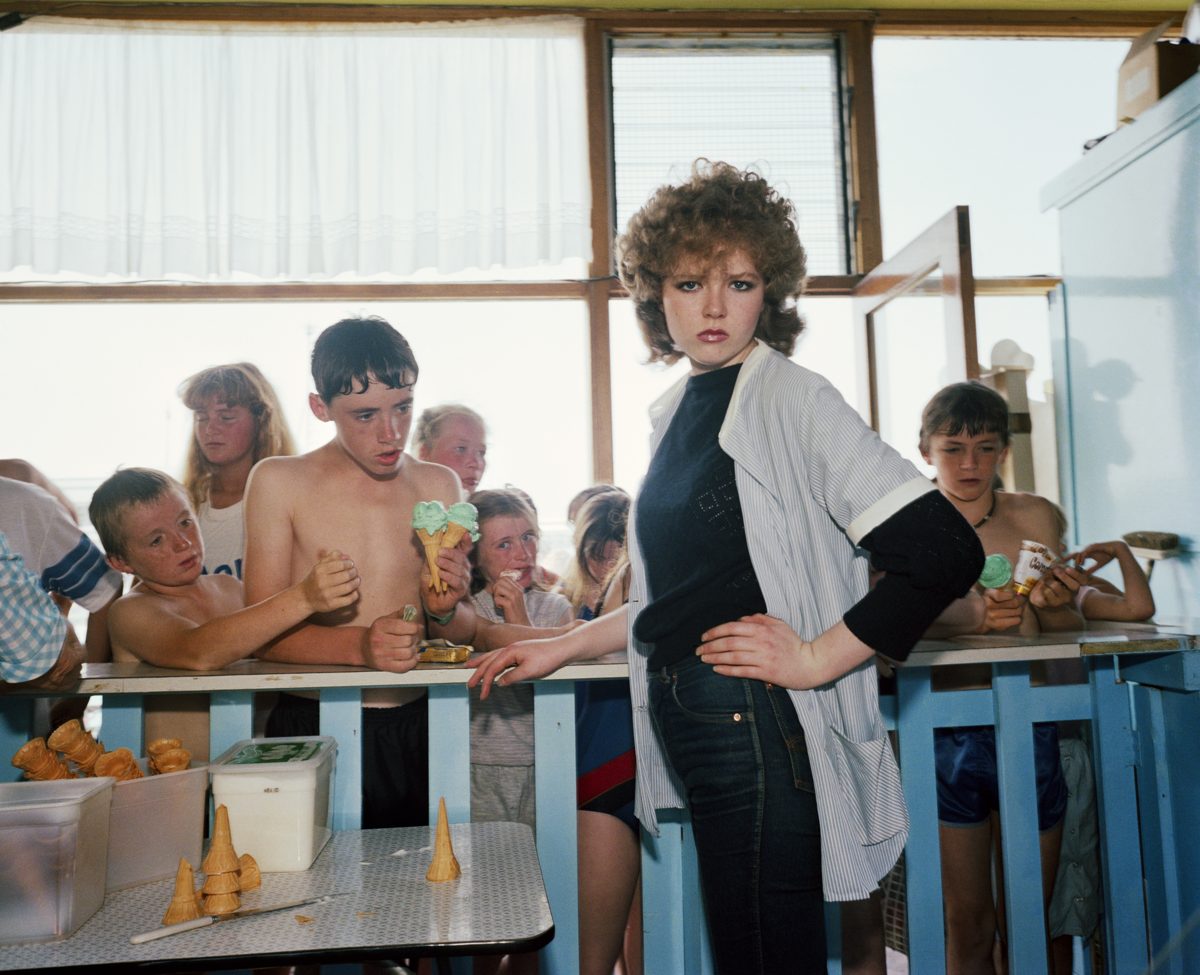
Martin Parr. The Last Resort.
Crying children, litter on the sand, sunbathers stretched out on concrete. Martin Parr photographed a seaside resort in loud colour and direct flash.
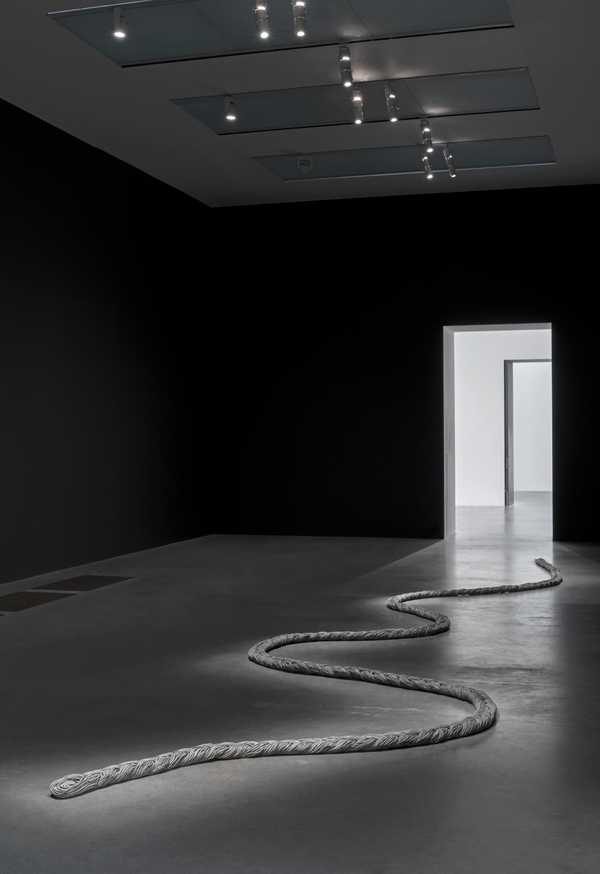
Tunga. Trança.
Hair is light, lead is heavy. Tunga braided lead into a long plait and left the viewer between two sensations that refuse to yield.
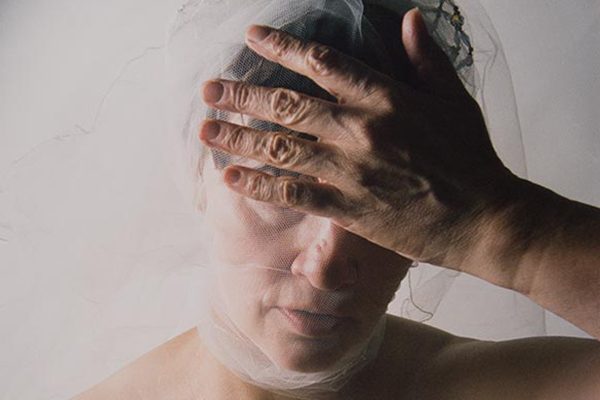
Jo Spence. The Picture of Health?
A woman walks into hospital carrying a camera. Jo Spence photographed her own body to ask again: who gets to look, and who gets to tell.
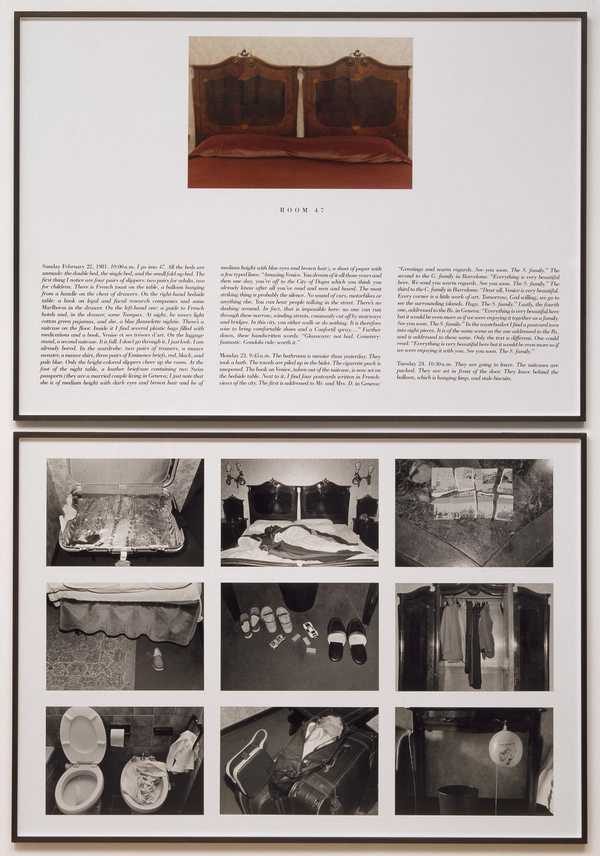
Sophie Calle. The Hotel.
An unmade bed, perfume by the basin, a letter in a suitcase. The guest has gone out. The belongings stay.
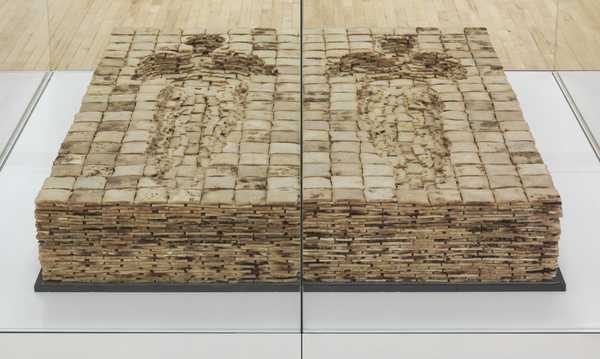
Antony Gormley. Bed.
A layered block of bread soaked in wax. In the middle, two hollows shaped like lying bodies, made by eating. Bed is a portrait drawn in absence.
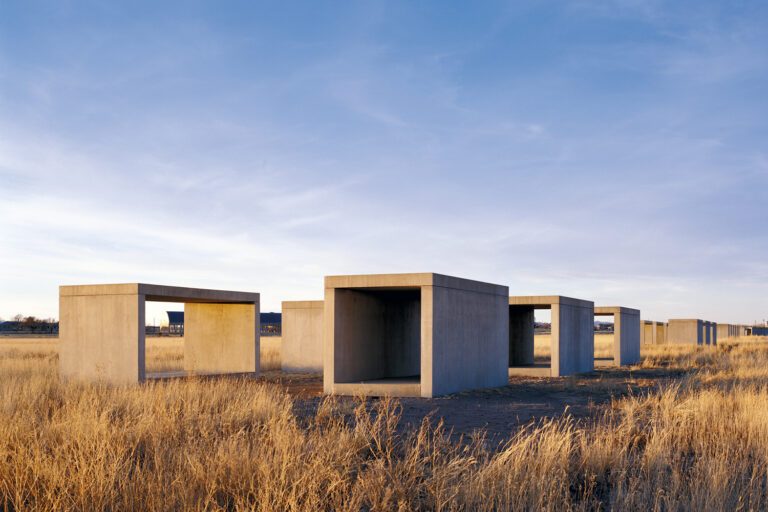
Donald Judd. 15 untitled works in concrete.
Hollow concrete boxes of one size, set in a line across the grass. Each hour of the day, the shadows draw them again.
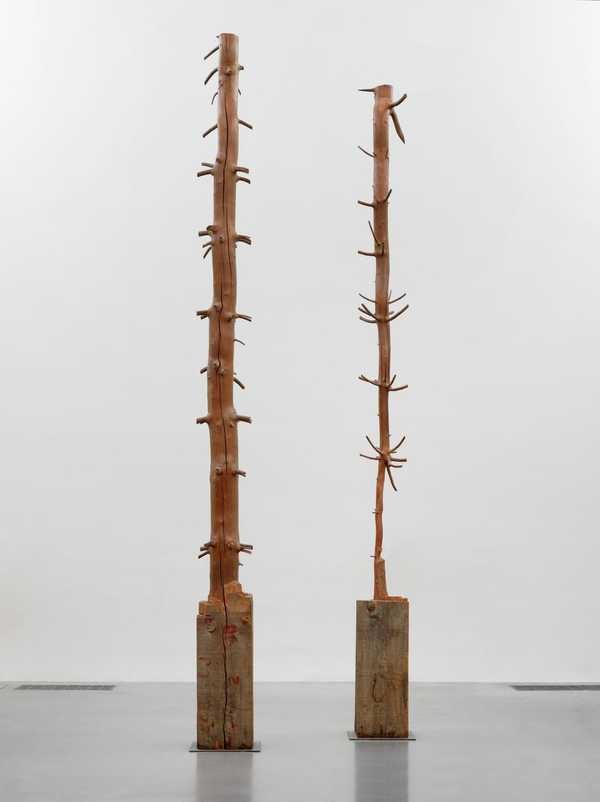
Giuseppe Penone. Tree of 12 Metres.
A squared, sawn beam. Penone peels away its rings, following the knots, until the young tree appears inside the timber.
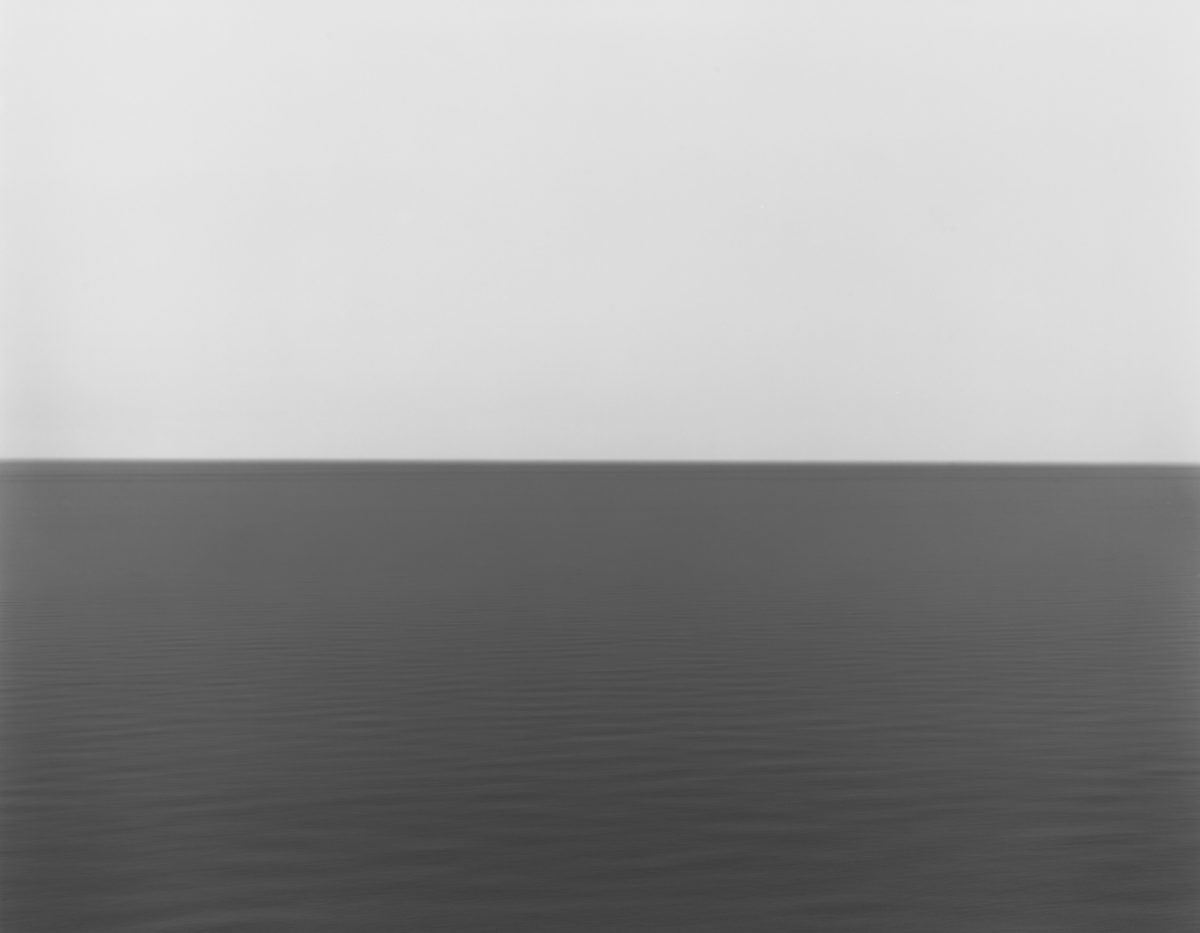
Hiroshi Sugimoto. Seascapes.
One horizon, sky above, sea below. Sugimoto has repeated that frame around the world for four decades.
Roni Horn. Gold Field.
A sheet of pure gold, almost without thickness, set directly on the floor. No plinth, no frame, no story.
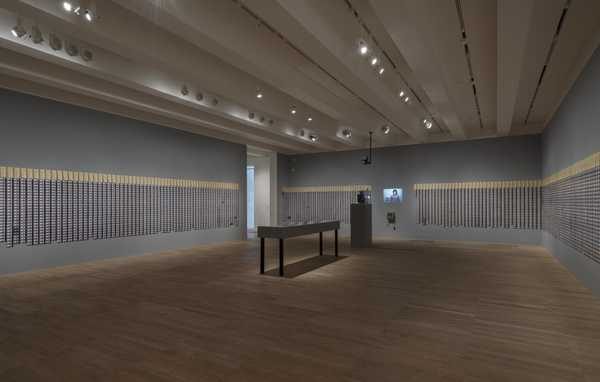
Tehching Hsieh. One Year Performance.
A punch every hour, a photograph with each punch, for a year. Growing hair is the second clock.
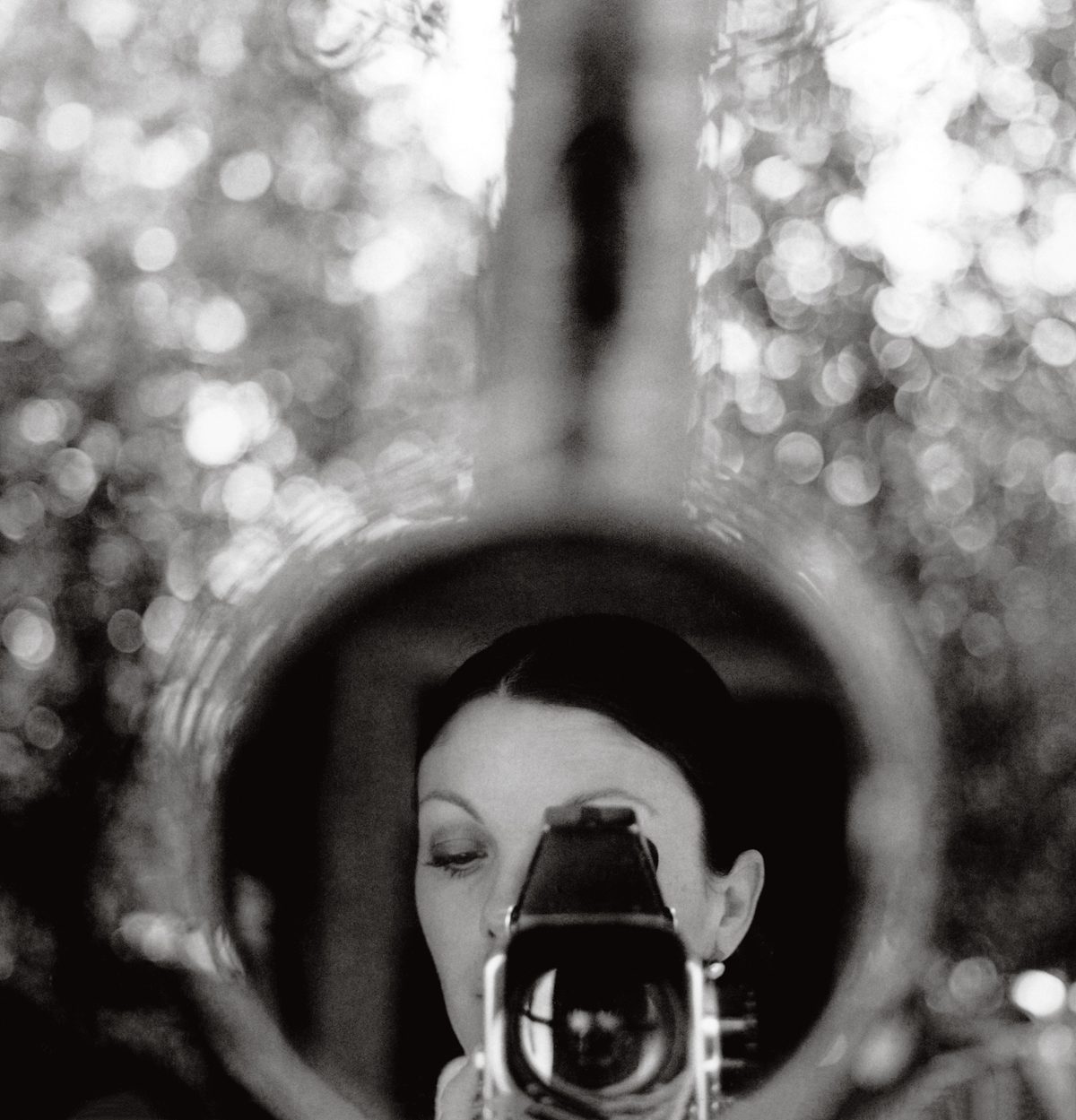
Graciela Iturbide. Juchitán de las Mujeres.
A woman crowned with live iguanas. Graciela Iturbide photographed Juchitán through the women who keep its rhythm.
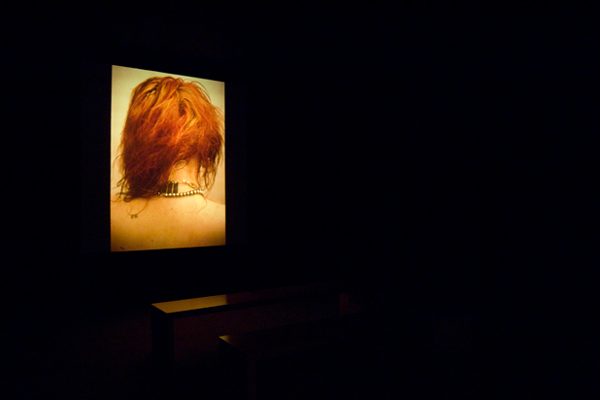
Nan Goldin. The Ballad of Sexual Dependency.
Rooms, bars, beds, familiar faces. Each picture holds for a few seconds, then gives way, following the music.
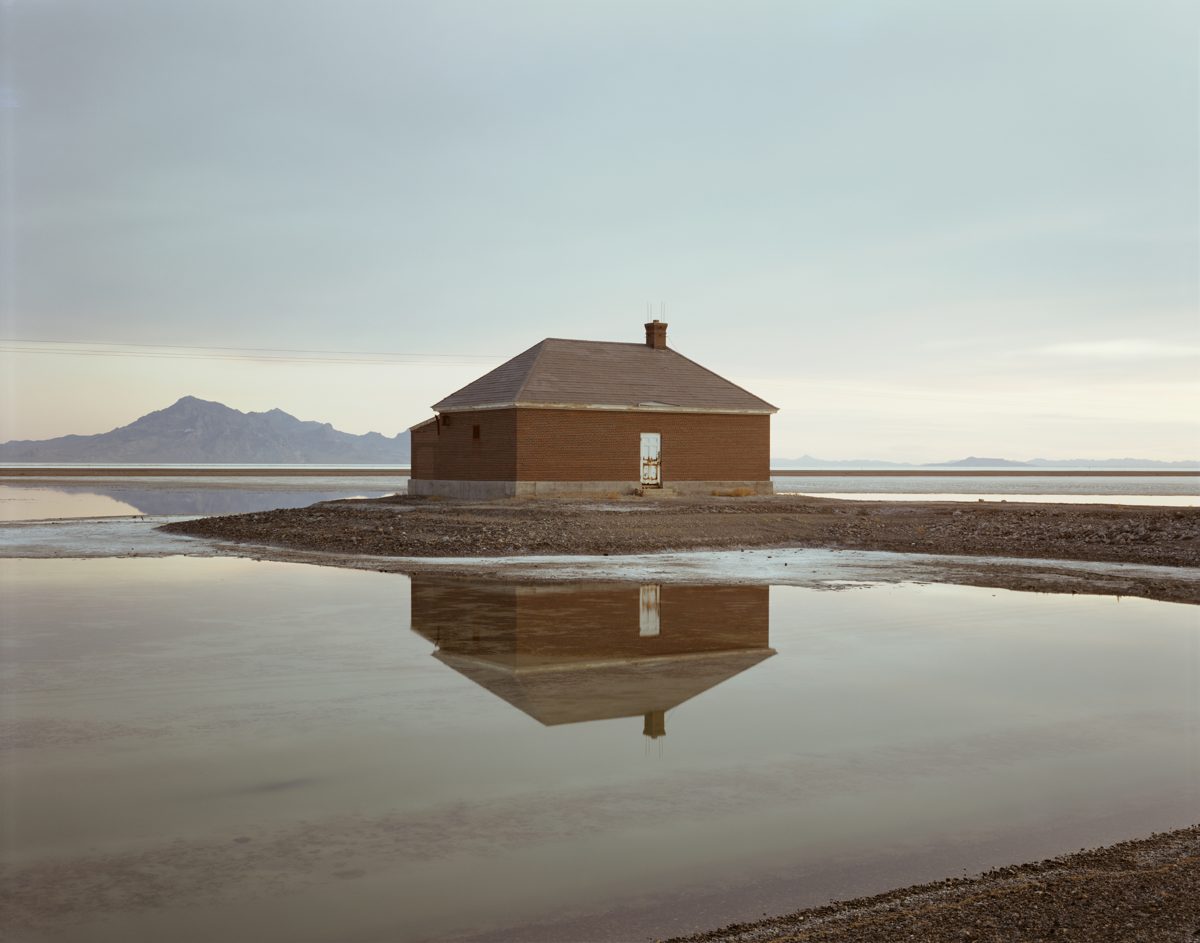
Richard Misrach. Desert Cantos.
The desert looks empty. Look closer and it is not. Misrach has spent over forty years photographing what people leave on dry land.
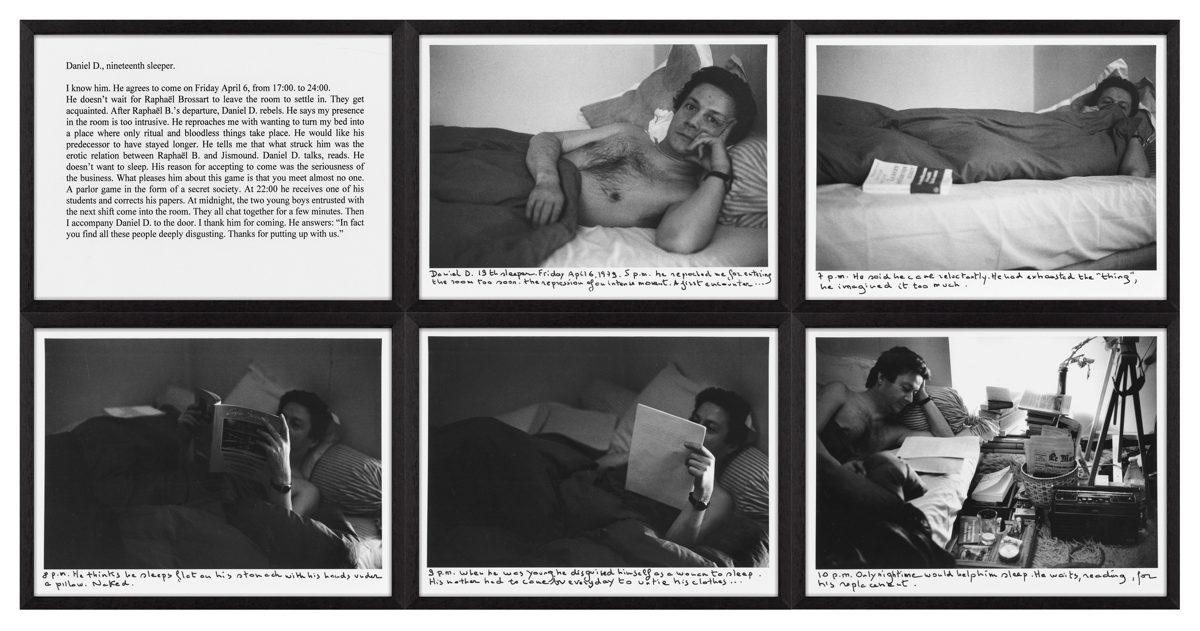
Sophie Calle. The Sleepers.
Eight days, twenty seven people, a bed never empty. Sophie Calle sat nearby, took a photograph every hour, and watched strangers sleep.
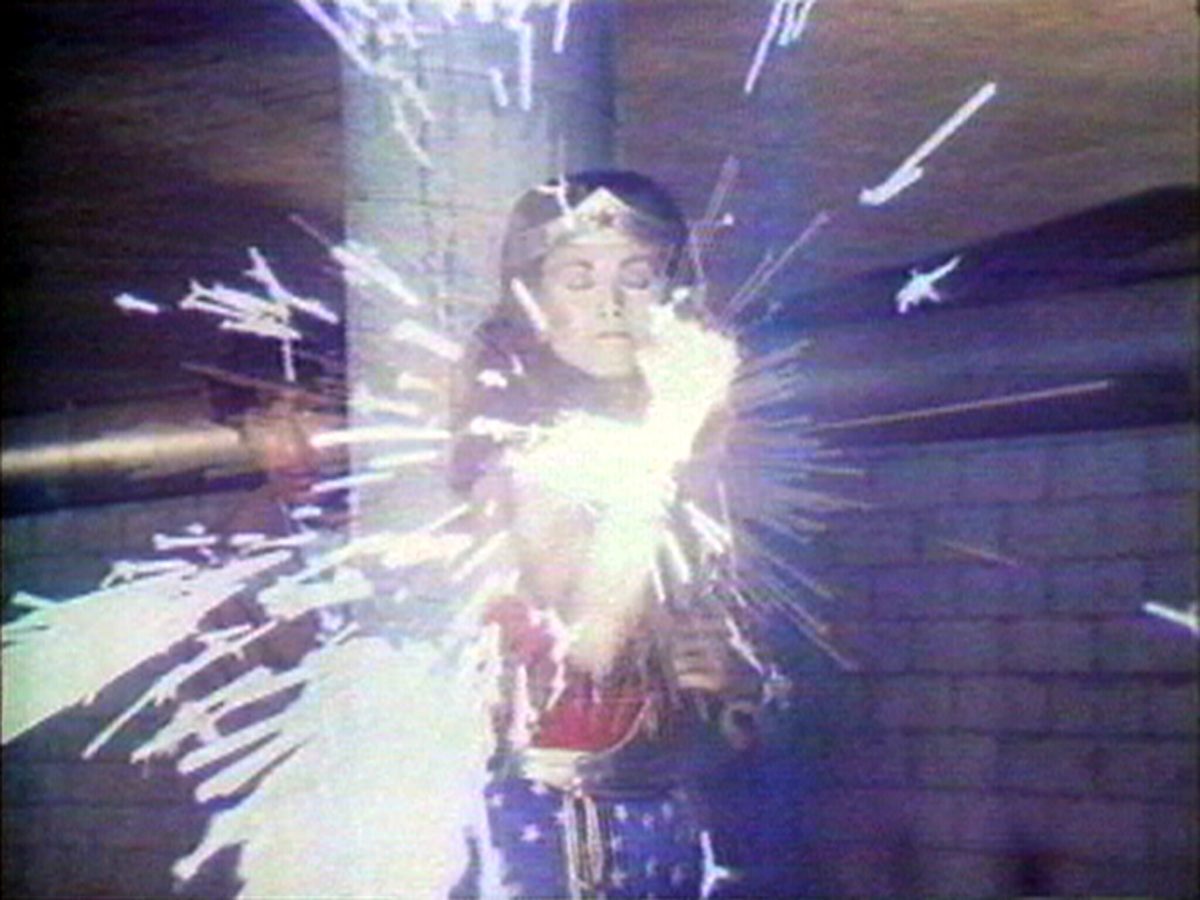
Dara Birnbaum. Technology/Transformation: Wonder Woman.
An explosion, a spin, a superhero. Birnbaum takes a few seconds of television and repeats them until the magic shows its frame.
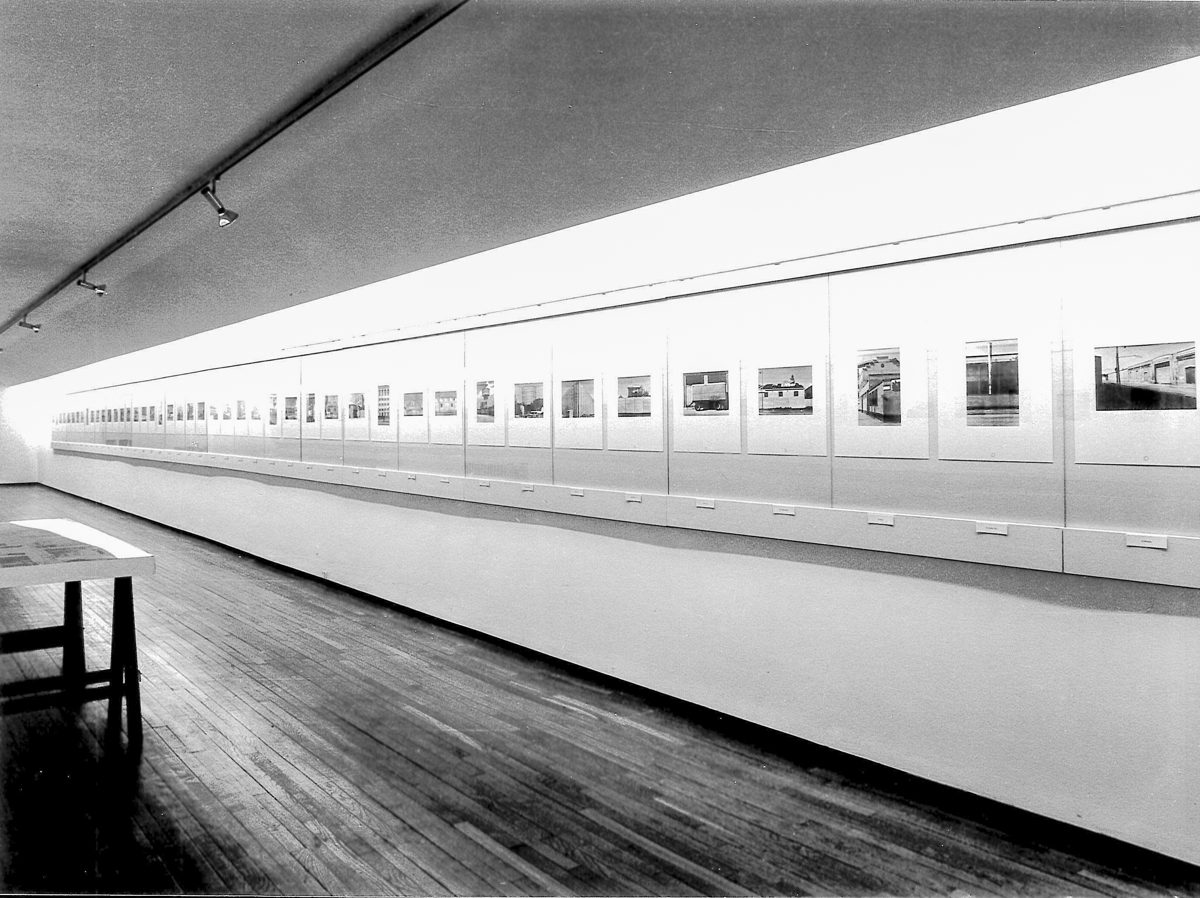
Gabriele Basilico. Milano. Ritratti di fabbriche.
Empty holidays, hard sun, sharp shadows. Gabriele Basilico crossed the industrial districts of Milan and photographed each factory like a face.
Joel Sternfeld. American Prospects.
A house on fire, a firefighter choosing a pumpkin at a roadside stand. Sternfeld staged nothing. He stood far enough back to see both.
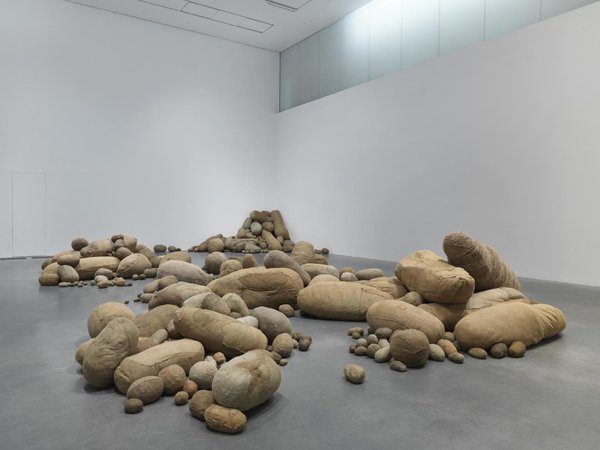
Magdalena Abakanowicz. Embryology.
Burlap bundled, bound and stitched into soft rounded forms, lying on the floor like cocoons, eggs, organs of an unnamed body.
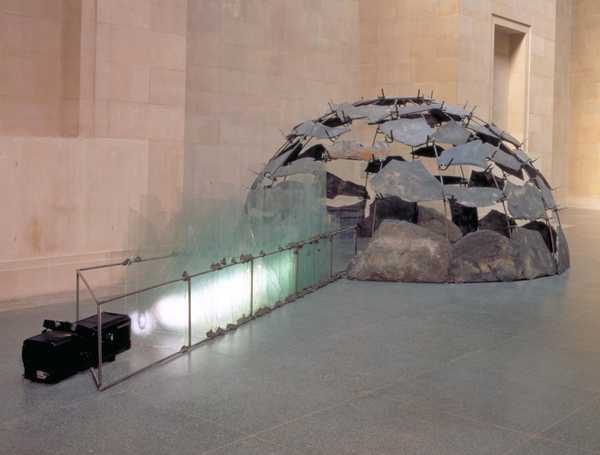
Mario Merz. Igloo, Do We Go Around Houses, or Do Houses Go Around Us?
Sixty five slate slabs spiral around a steel frame. Seventy four panes of dirty broken glass that must not be cleaned. And a question: do we go around houses, or do houses go around us?
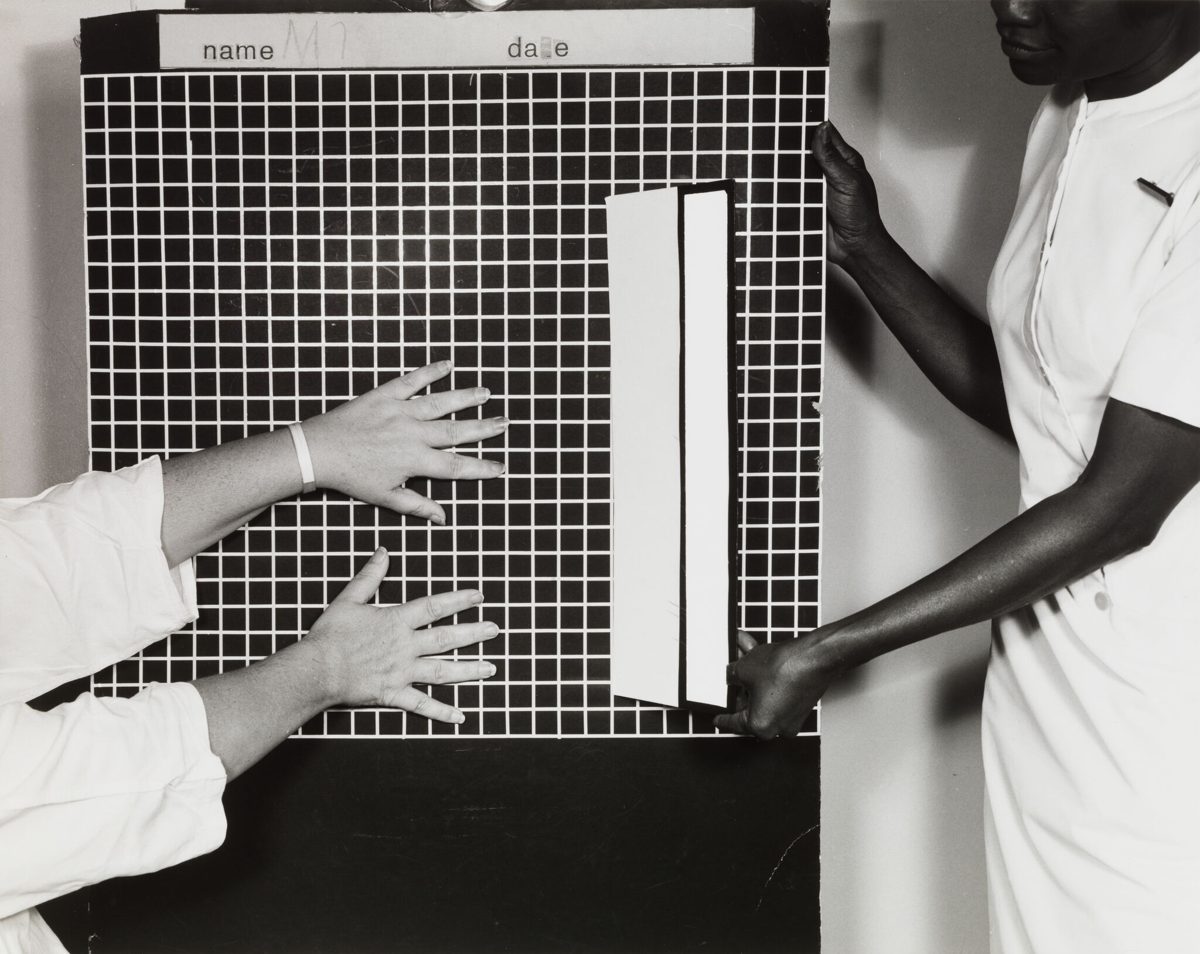
Mike Mandel and Larry Sultan. Evidence.
Fifty nine archive photographs, not one caption. Objective evidence turns into a riddle.
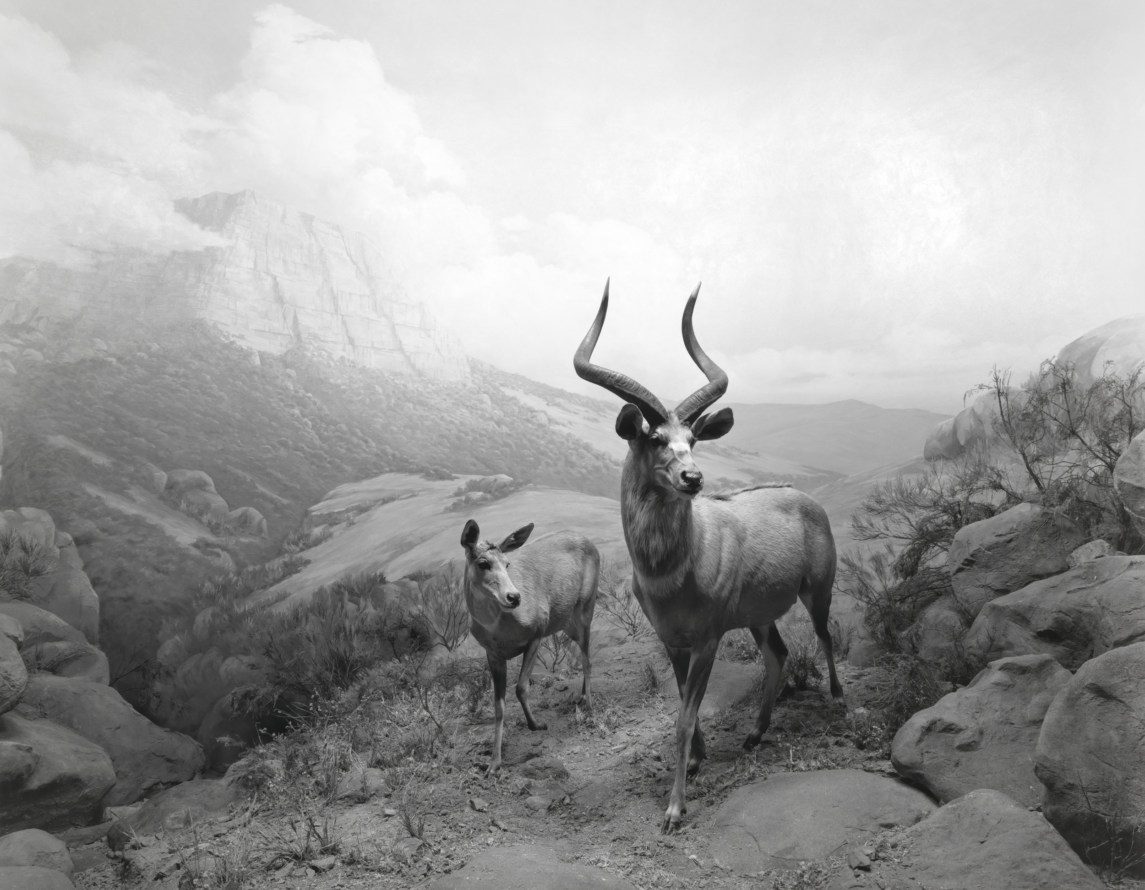
Hiroshi Sugimoto. Dioramas.
A stuffed animal, a painted sky, artificial grass. Through Sugimoto's lens they become a living moment in the wild.
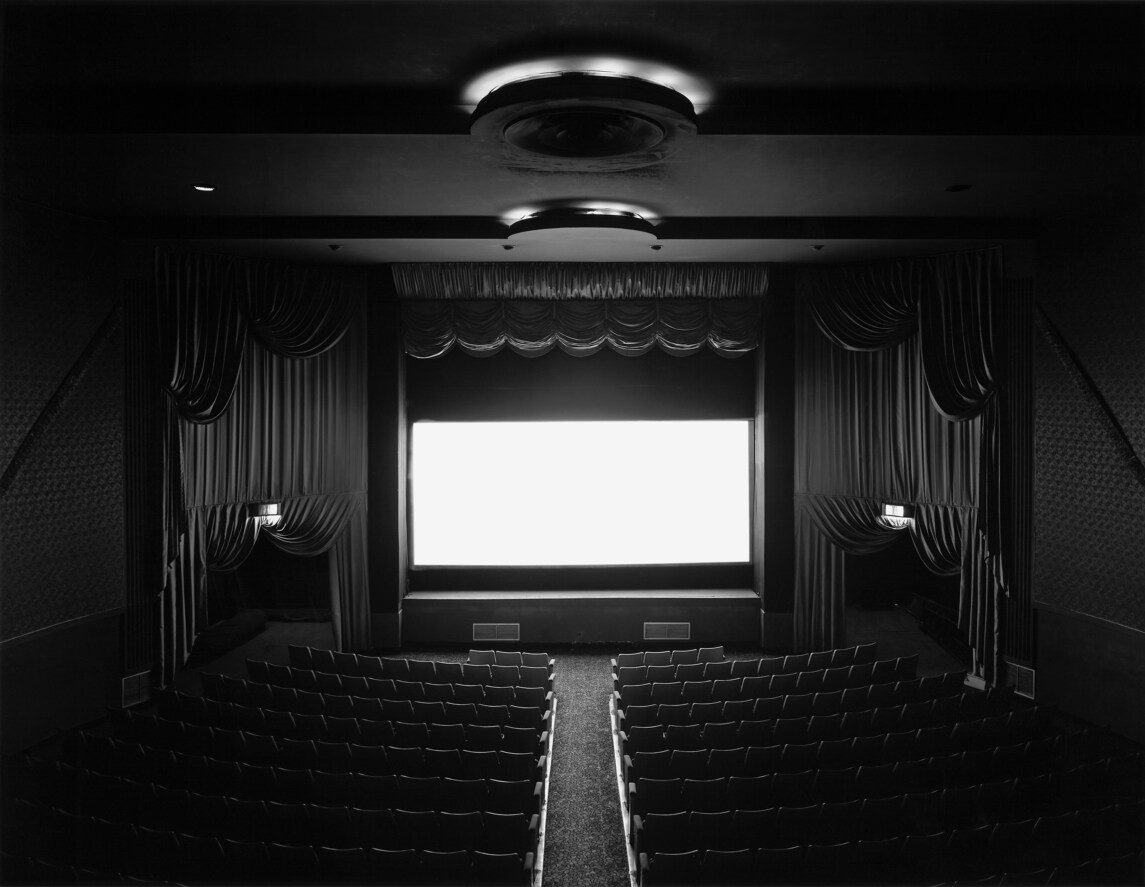
Hiroshi Sugimoto. Theaters.
Two hours of film, one exposure. Every image adds up to a white block of light, and the room around it emerges from that same light.
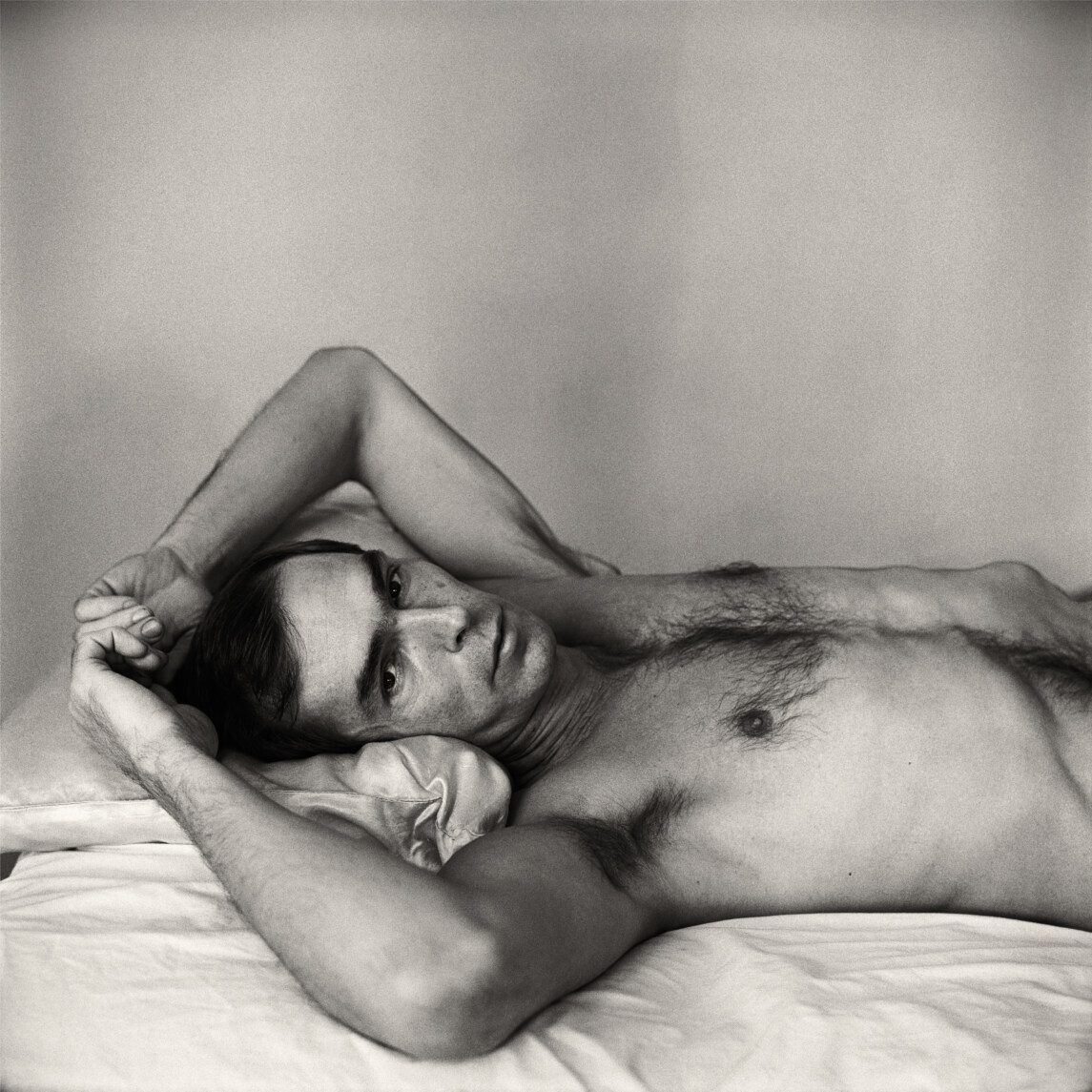
Peter Hujar. Portraits in Life and Death.
Twenty nine friends lying at rest before the camera. After them, the mummies of Palermo. The only book Peter Hujar made in his lifetime.
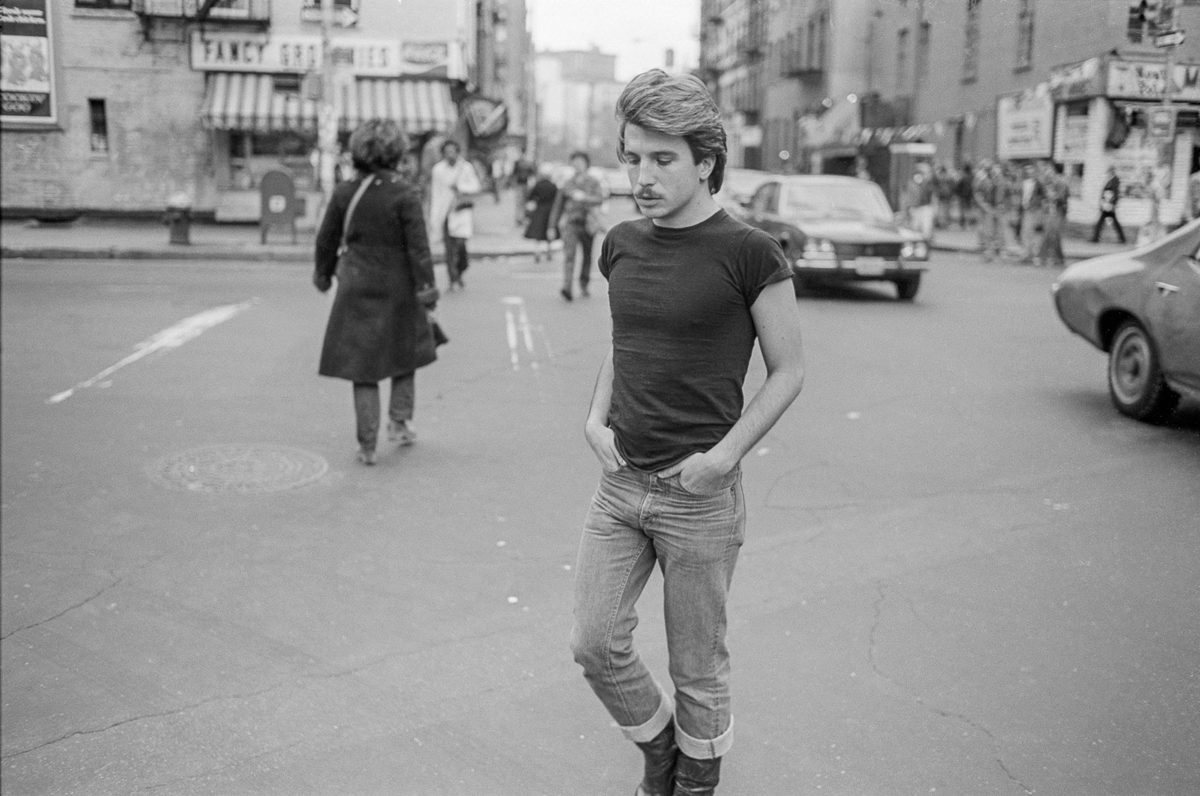
Sunil Gupta. Christopher Street.
Sixty pictures made on one New York street in 1976. Men standing, walking, looking at each other in daylight. A street recorded before it changed.
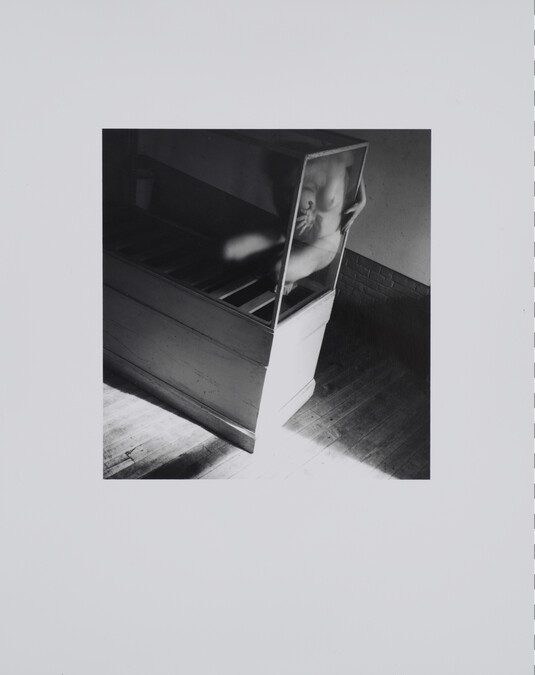
Francesca Woodman. Space².
A photography student climbs into a museum vitrine and opens the shutter. The body blurs. The room stays sharp.
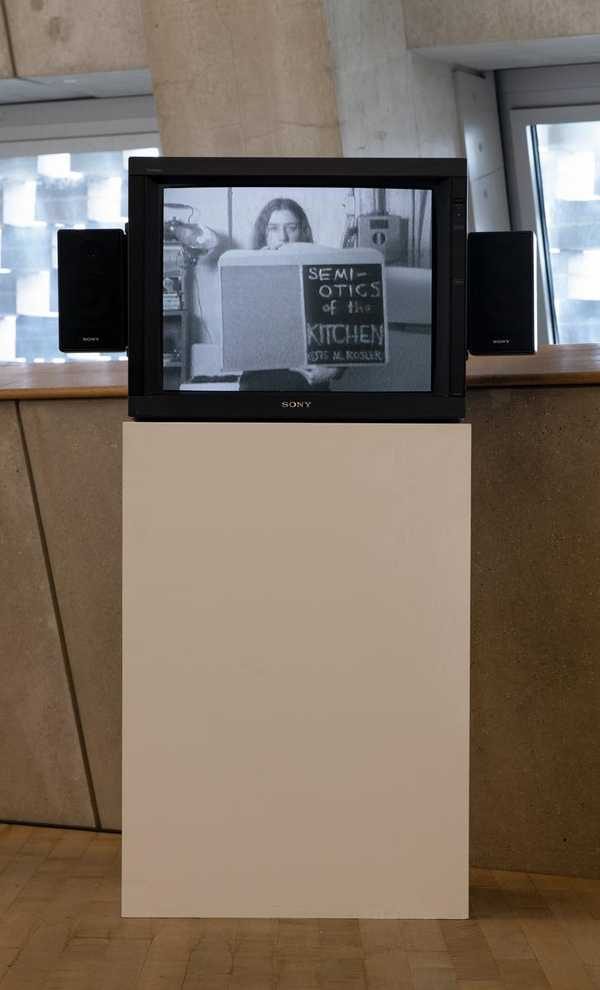
Martha Rosler. Semiotics of the Kitchen.
Rosler picks up each kitchen tool, names it, then uses it wrong. Six minutes of black and white video, and the kitchen is no longer a safe place.
Masahisa Fukase. Karasu.
Seven years of ravens. Dark prints, coarse grain, snow and black wings. Masahisa Fukase called it a series about himself.
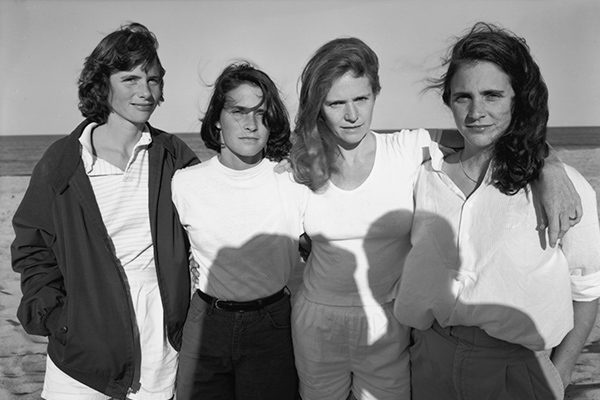
Nicholas Nixon. The Brown Sisters.
Four sisters, one unchanging order, one picture a year. Over more than forty years, the only thing that changes is time on their faces.
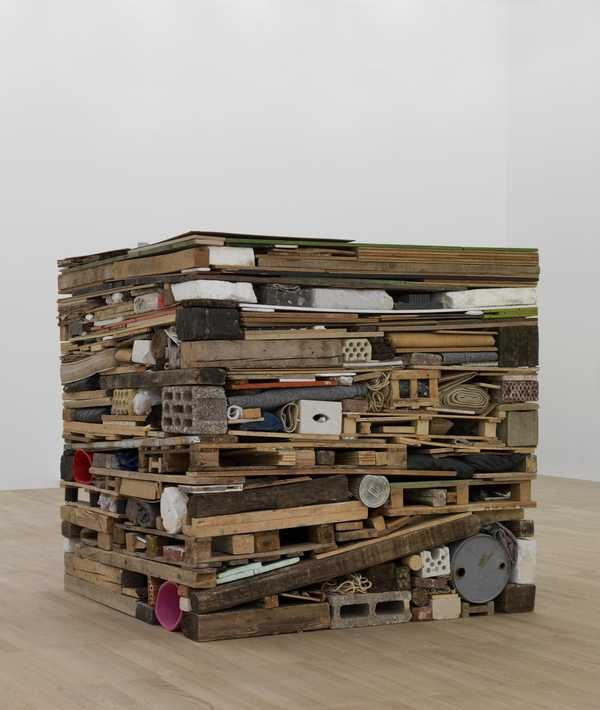
Tony Cragg. Stack.
A cube stacked from broken brick, spare wood and old magazines. Look at its edge and you see strata, like the wall of an excavation.
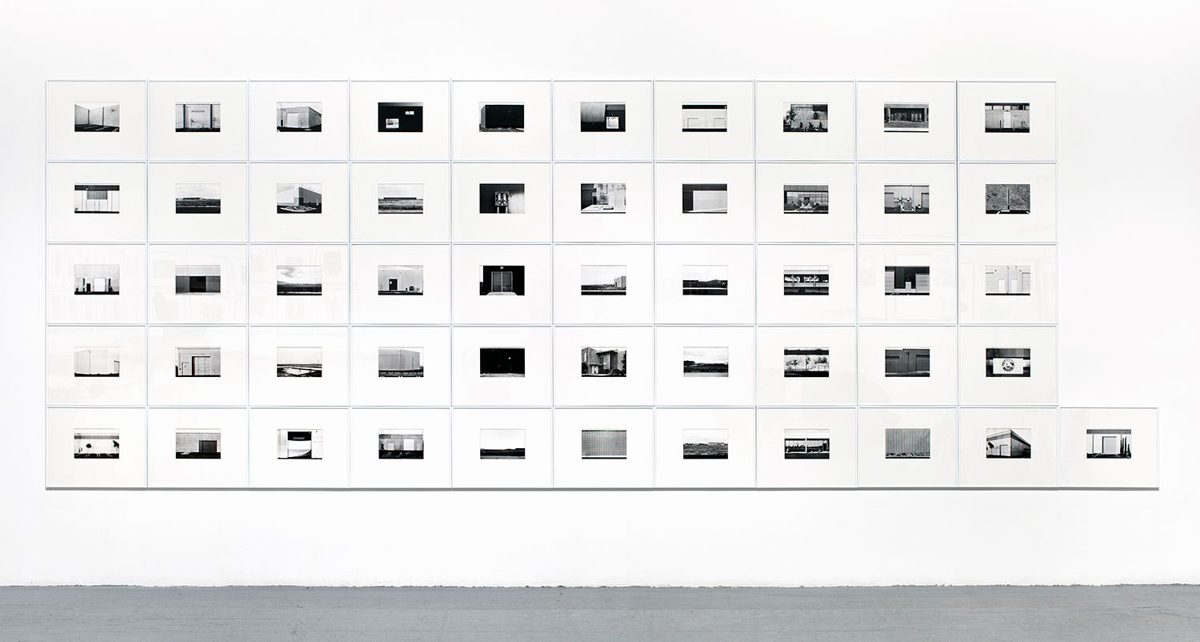
Lewis Baltz. The New Industrial Parks near Irvine, California.
Factory facades shot head on, no people, no dramatic shadow. Nothing to look at, which is exactly why one must look closely.
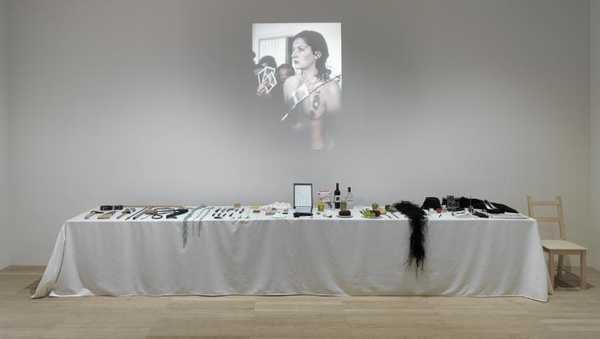
Marina Abramović. Rhythm 0.
A table, seventy two objects, a woman standing still for six hours. Rhythm 0 does not measure the artist's endurance. It measures the people watching.
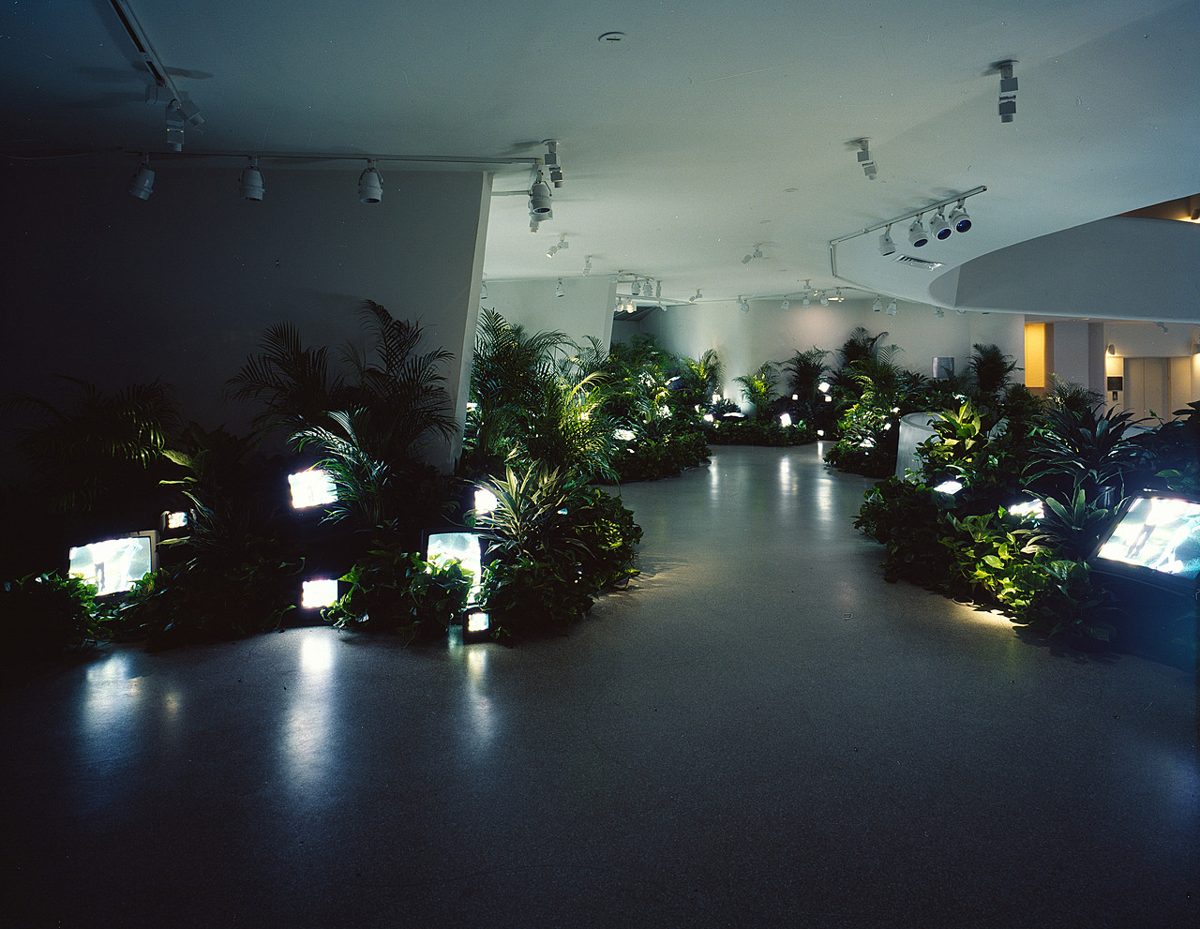
Nam June Paik. TV Garden.
Real plants, real leaves, real soil. Among them, screens of every size flicker with the same tape. A garden where what blooms is light.
Robert Adams. The New West.
No grand canyons, no red sunsets. Only roofs, power poles, graded roads, and the mountains still standing behind. The West as it is.
Chris Killip. In Flagrante.
Coal gatherers on the beach, a fishing village beneath cliffs, streets after the works closed. Chris Killip photographed North East England for over a decade.
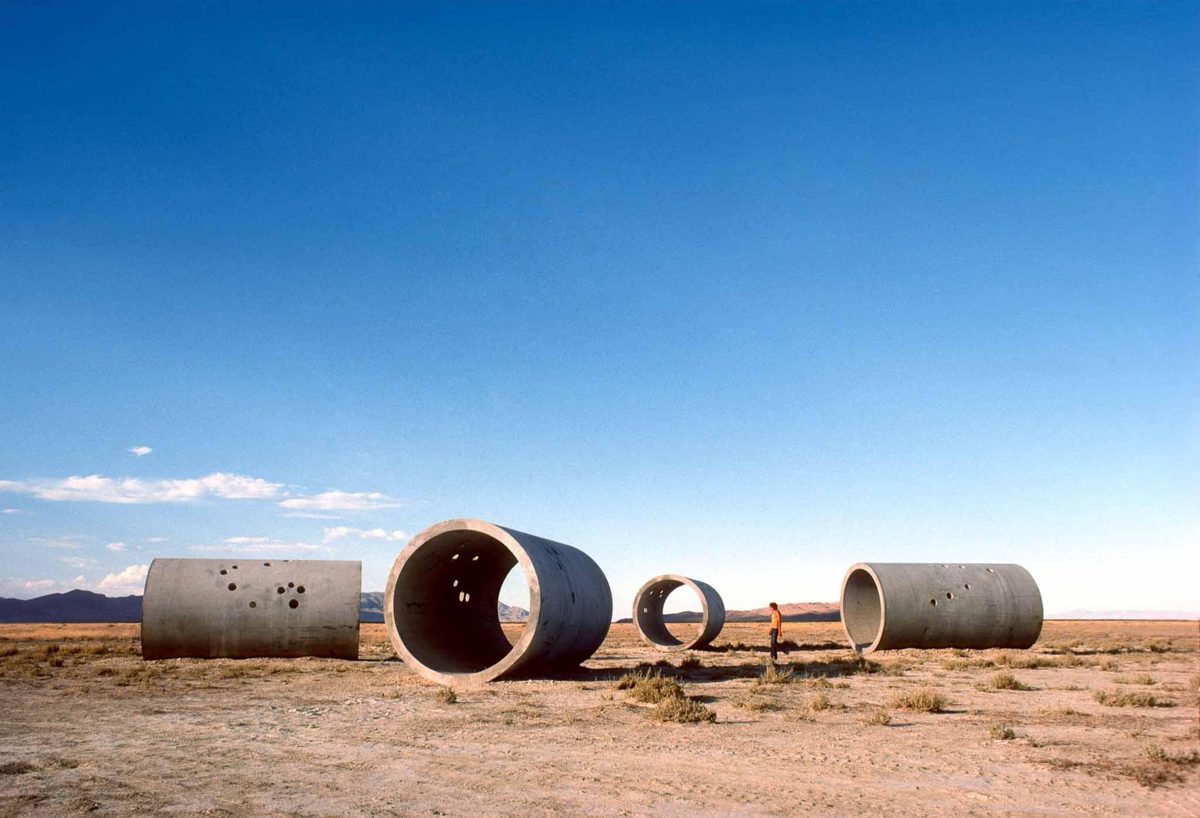
Nancy Holt. Sun Tunnels.
Four concrete tubes set in an X in the desert. On the solstices, the sun rises and sets inside them. On other days, light falls through small holes.
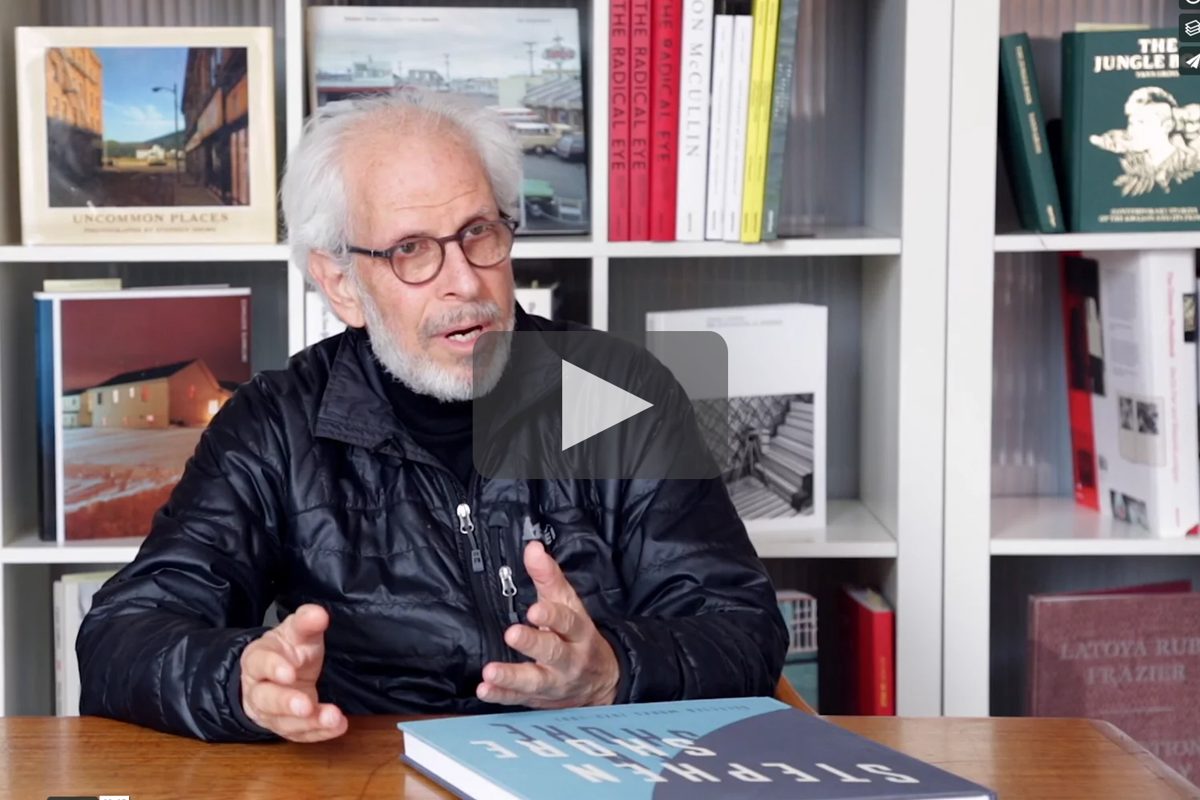
Stephen Shore. Uncommon Places.
An intersection in Los Angeles. Breakfast on a diner table. A motel room. Nothing special, photographed with the greatest precision.
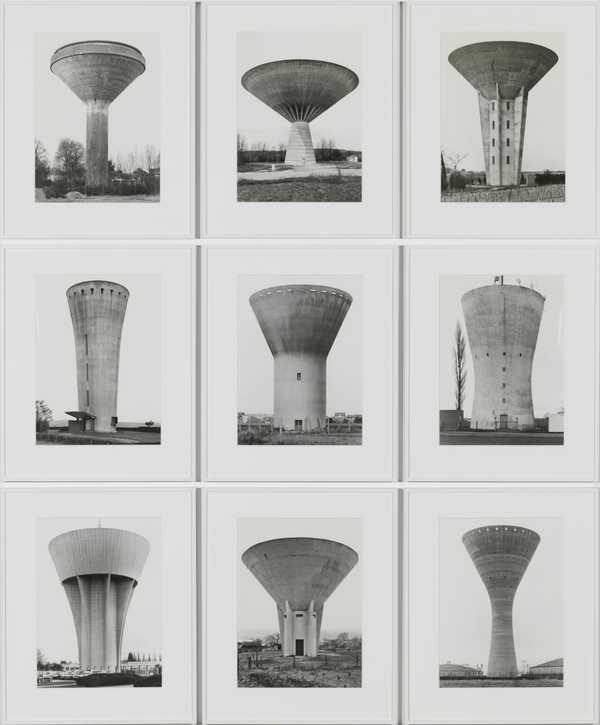
Bernd Becher and Hilla Becher. Water Towers.
Nine water towers, the same angle, the same grey light, side by side. Look long enough and you begin to see how each one differs.
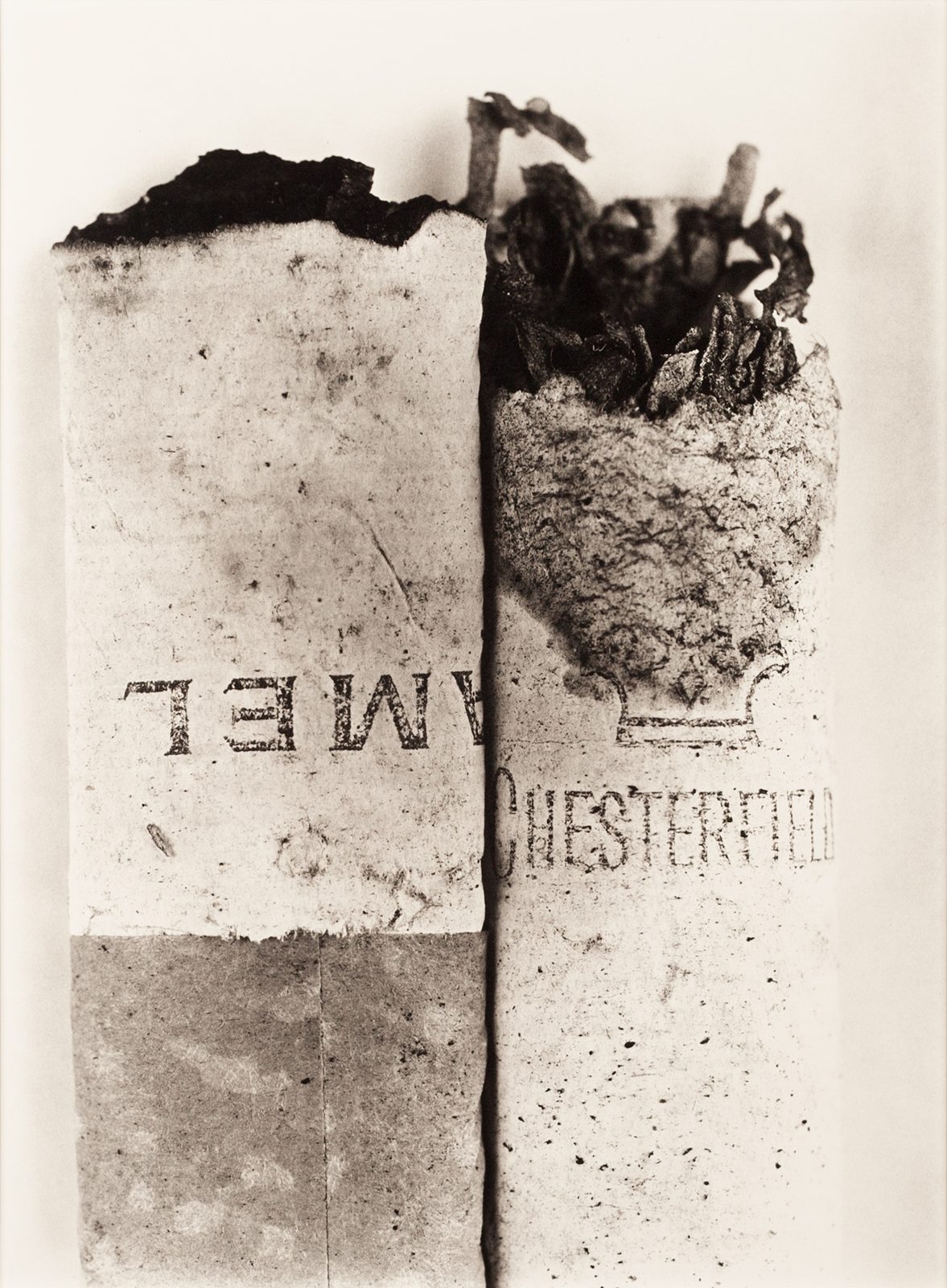
Irving Penn. Cigarettes.
Flattened, half burnt cigarette ends from New York pavements. Penn photographed them as large as sculpture and printed them in precious metal.
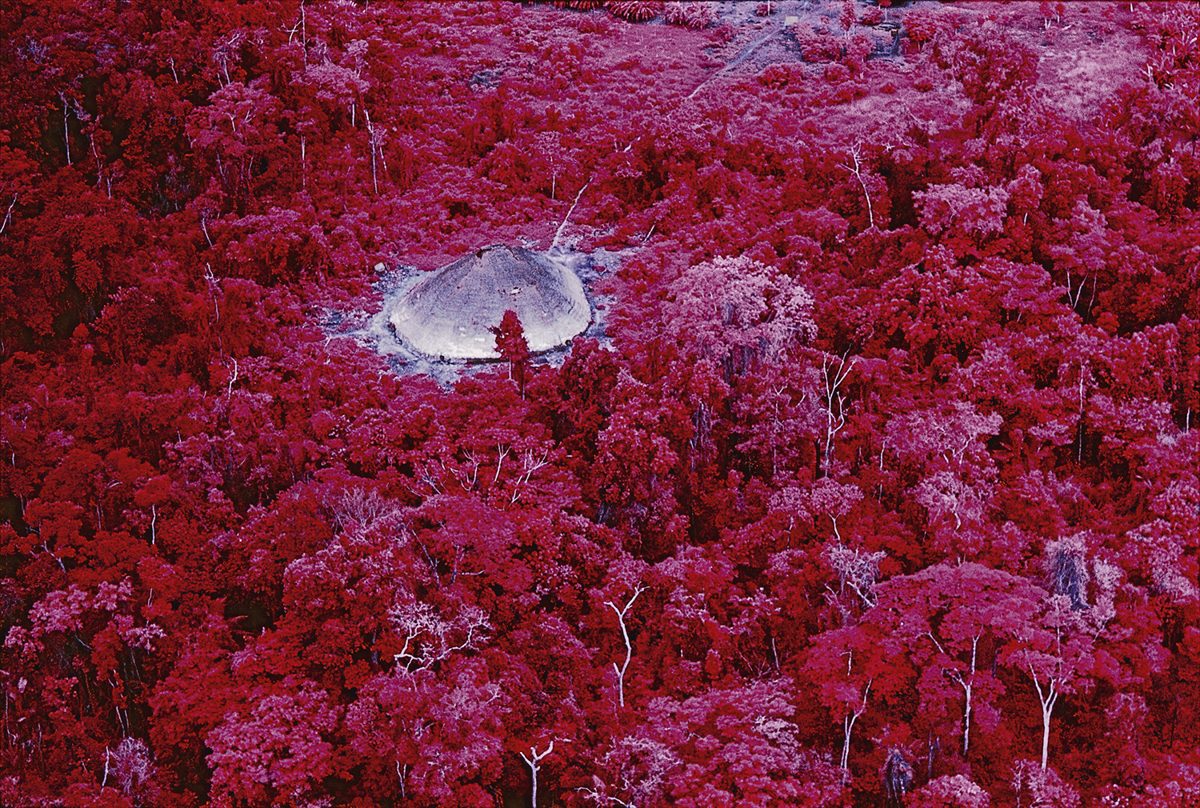
Claudia Andujar. The Yanomami.
Vaseline on the lens, an oil lamp, infrared film. Claudia Andujar sought to photograph the unseen: the dreams and spirit world of the Yanomami.
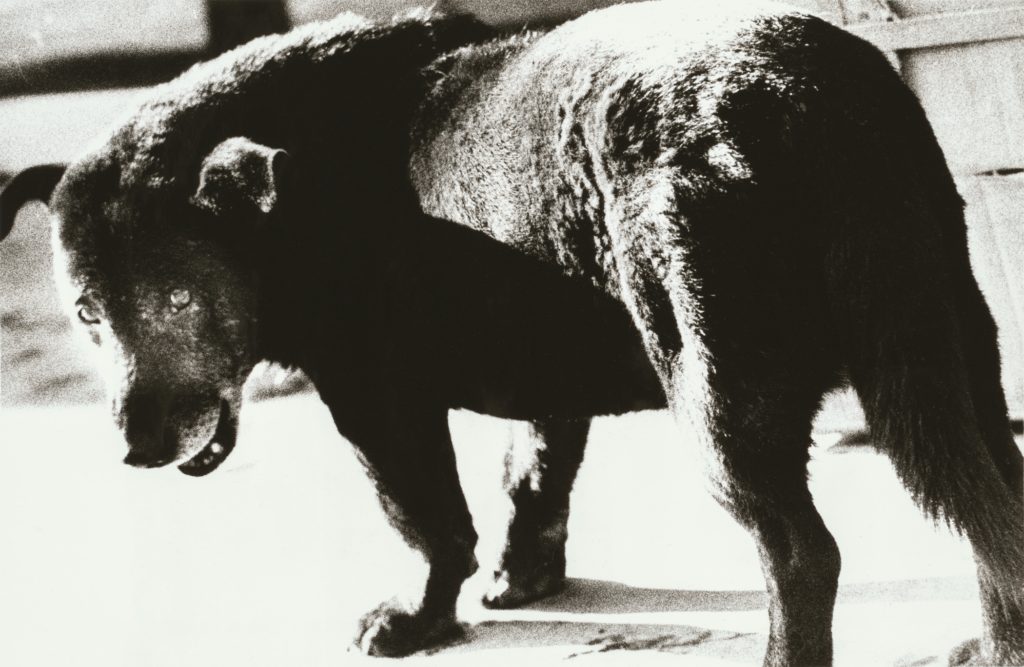
Daido Moriyama. Stray Dog, Misawa.
Matted fur, wary eyes, standing in the road and looking back. One morning in 1971 Moriyama met that dog and saw himself.
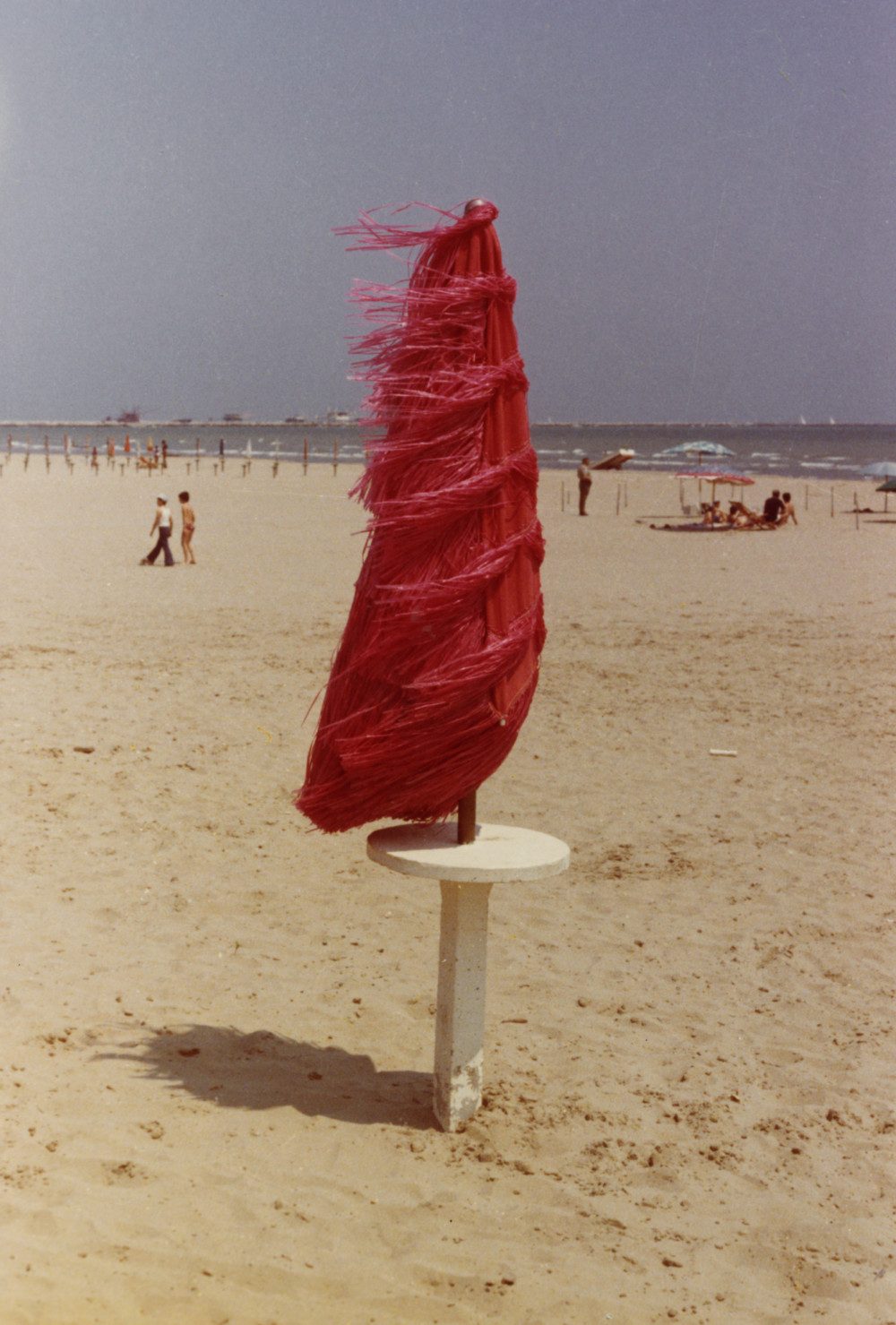
Luigi Ghirri. Kodachrome.
A poster covers half the sky. A map stands in for a landscape. Ghirri photographs the layers of images we live among without noticing.
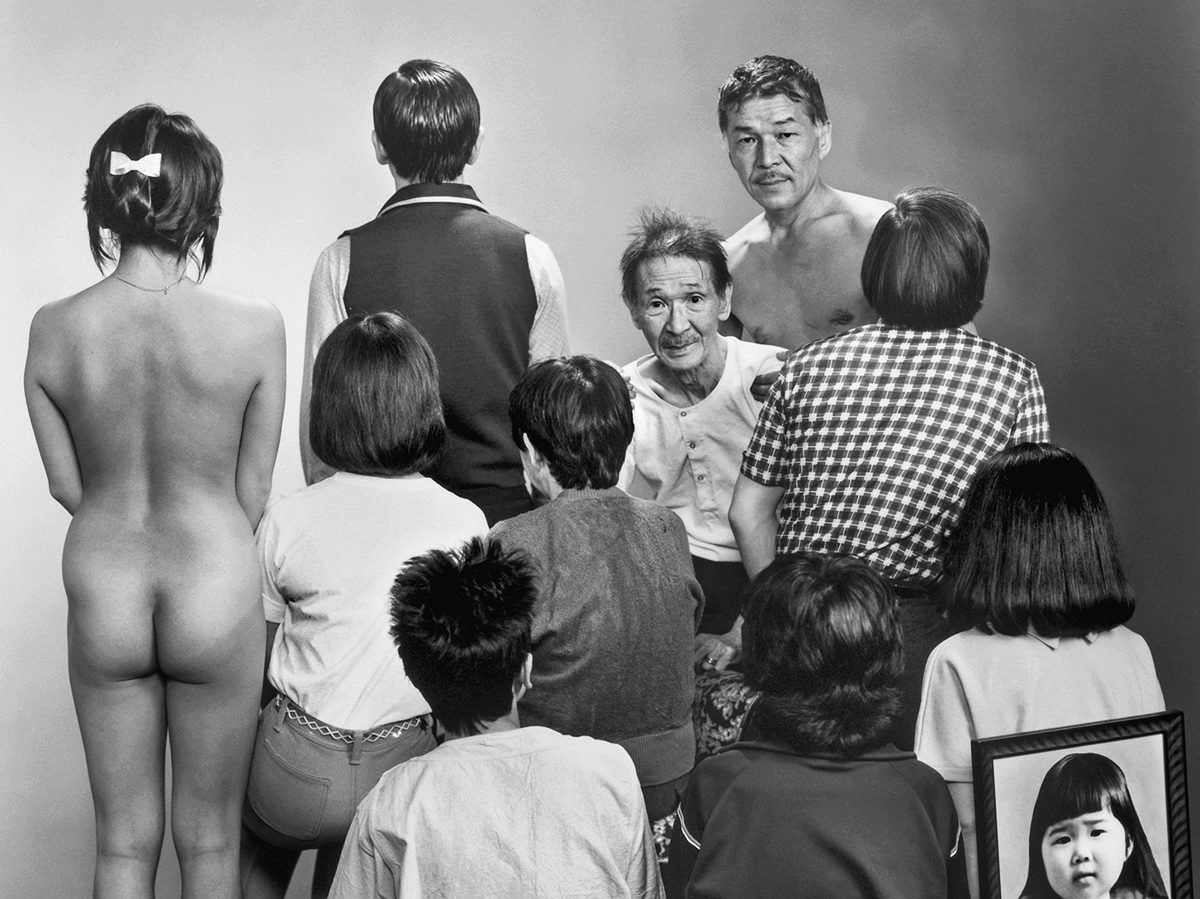
Masahisa Fukase. Family.
Masahisa Fukase photographed his family in his father's studio, year after year, until no one was left to stand before the backdrop.
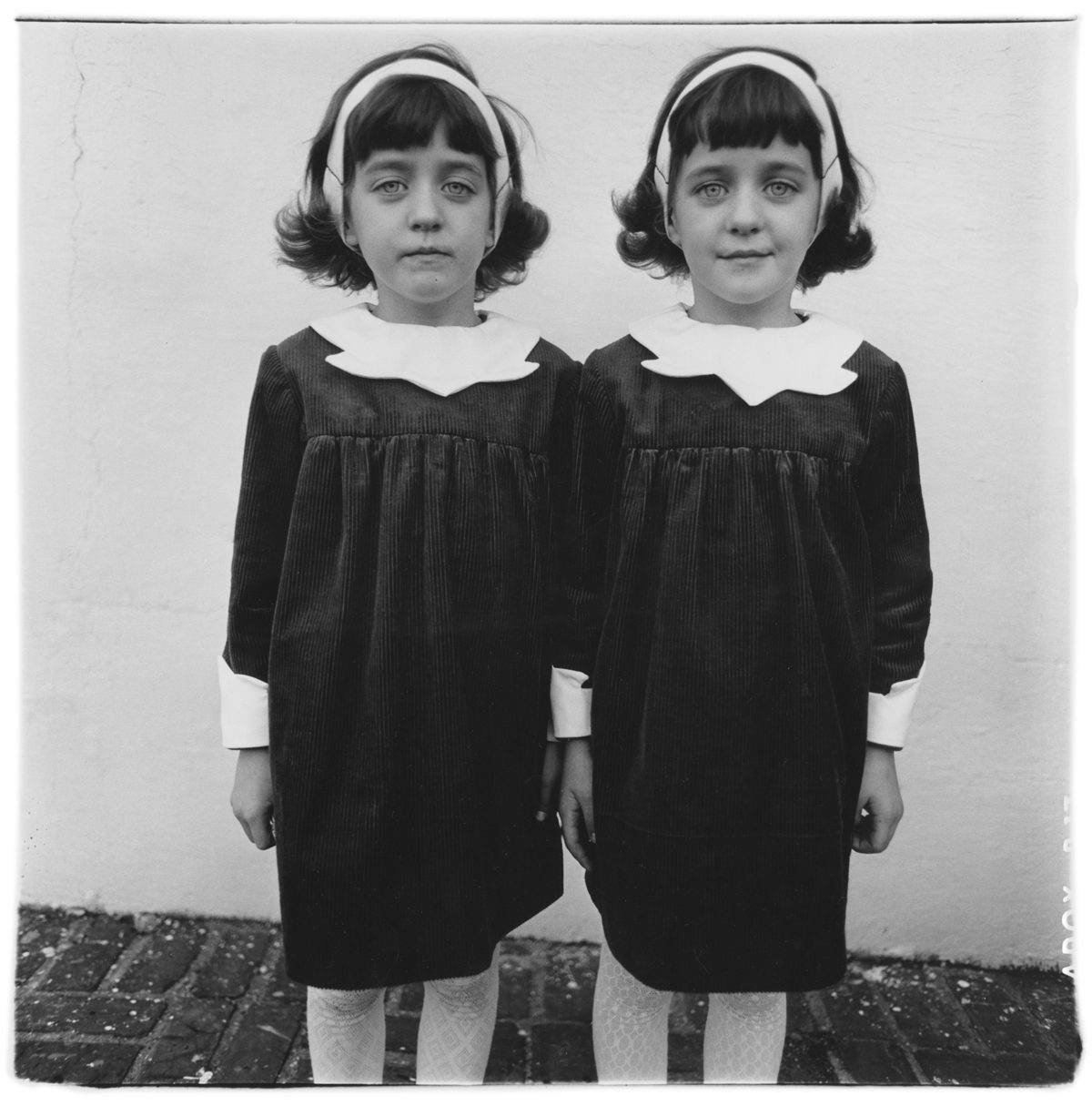
Diane Arbus. A box of ten photographs.
Ten photographs, a clear box, fifty sets planned and only four sold in her lifetime. Arbus chose what deserved to be kept.
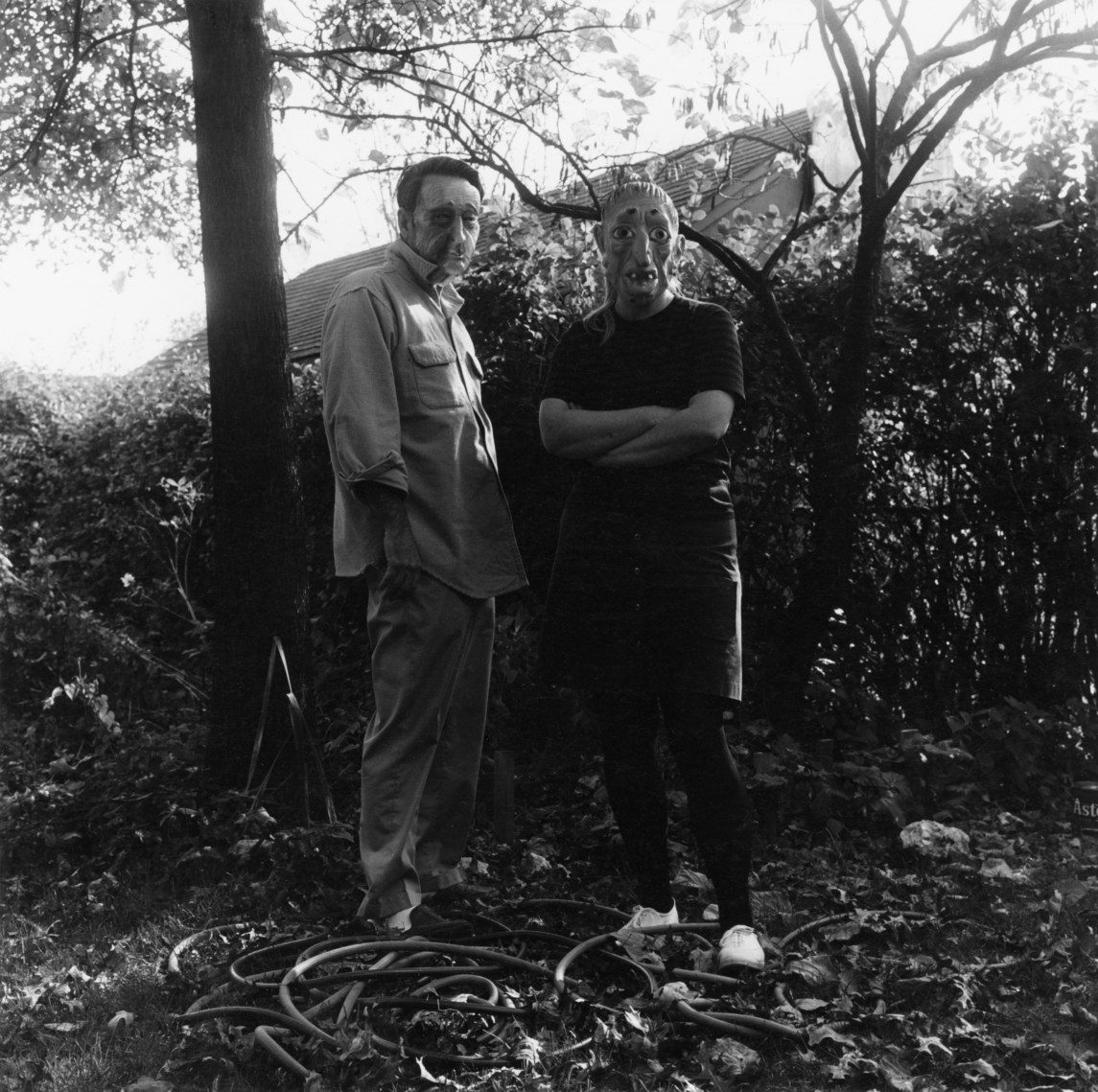
Ralph Eugene Meatyard. The Family Album of Lucybelle Crater.
A family album where everyone wears a mask and shares one name. Meatyard asks how we recognise the people closest to us.
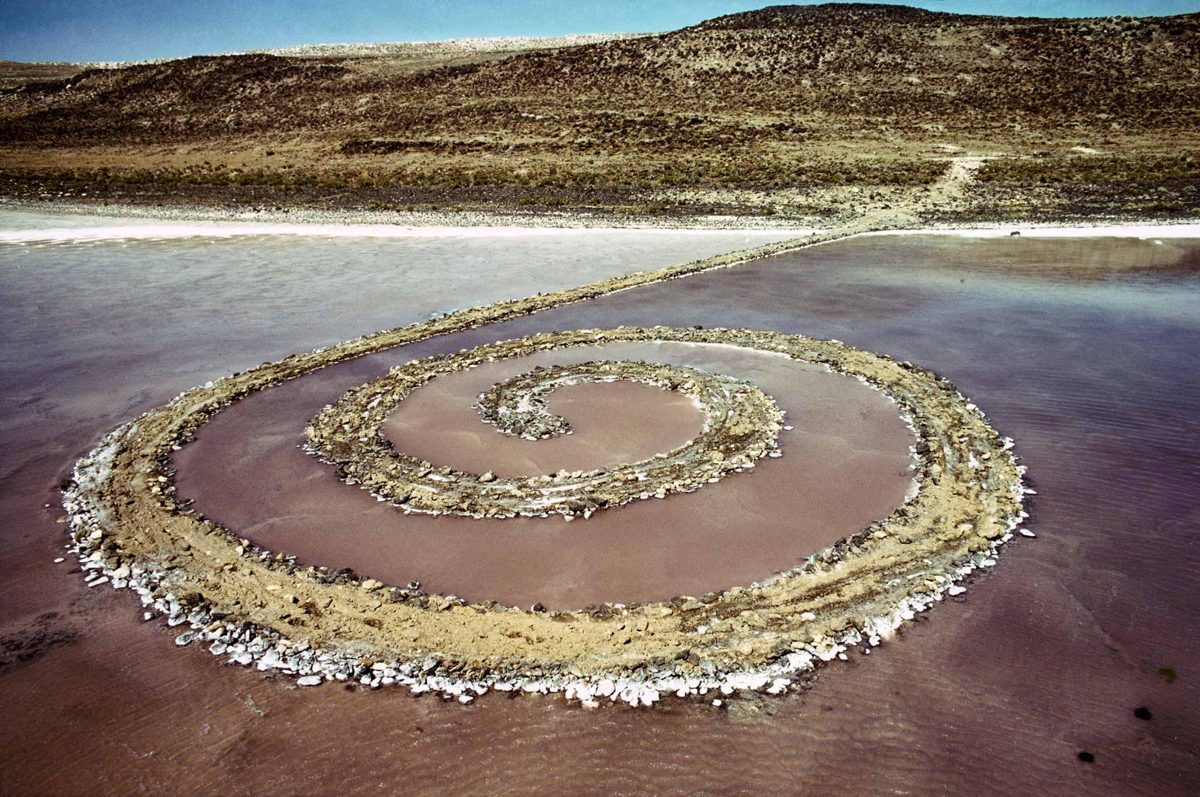
Robert Smithson. Spiral Jetty.
In April 1970 Robert Smithson had over six thousand tons of black basalt pushed into a Utah salt lake, forming a counterclockwise spiral. Since then water, salt and time have done the rest.
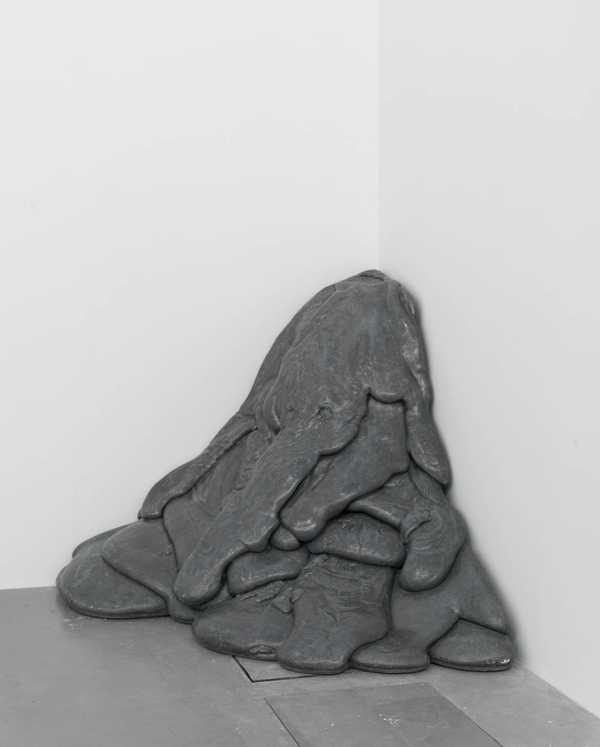
Lynda Benglis. Quartered Meteor.
A flow of material from 1969, cast in lead six years later. What was moving is held, heavy and still.
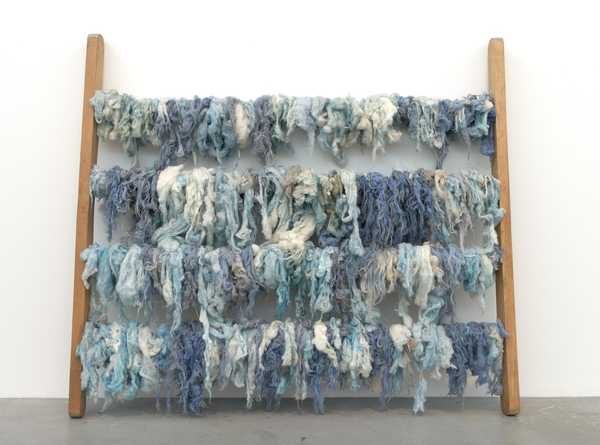
Jannis Kounellis. Untitled.
Two posts lean on the wall, raw wool draped over four bars. Kounellis had given up painting, yet he made a painting anyway, in sheep's wool.
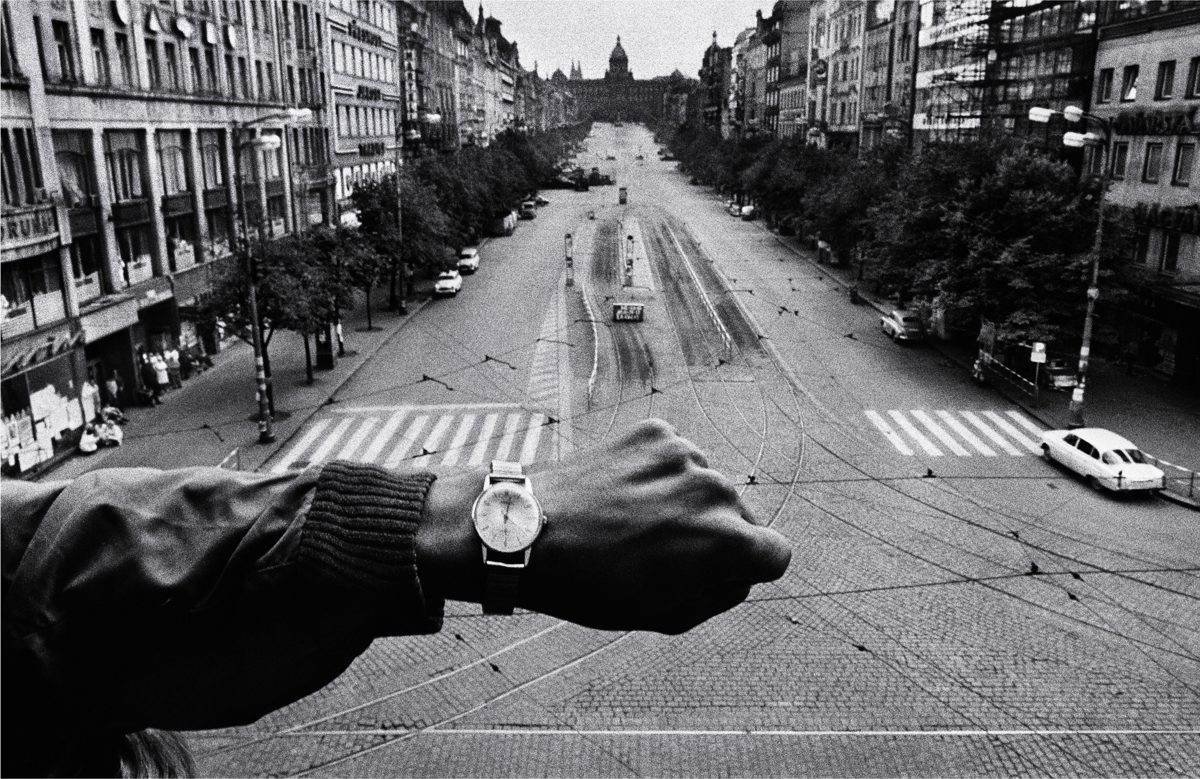
Josef Koudelka. Exiles.
A sleeping bag, a pair of shoes, a camera. Fifteen years without a home. Exiles is what remains.
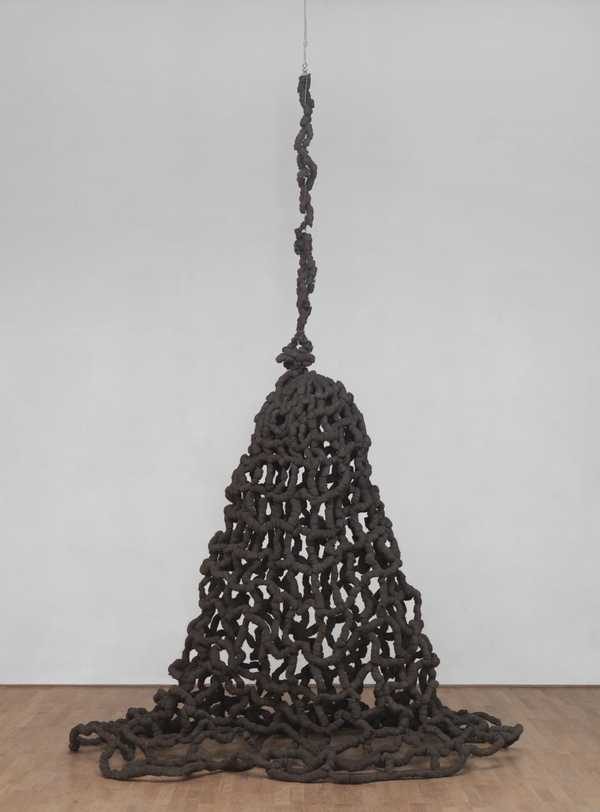
Pino Pascali. Trappola.
In 1968 Pino Pascali took the steel wool used to scrub pots and made a trap four metres high. It hangs in the air and spreads across the floor, part fishing net, part dress.
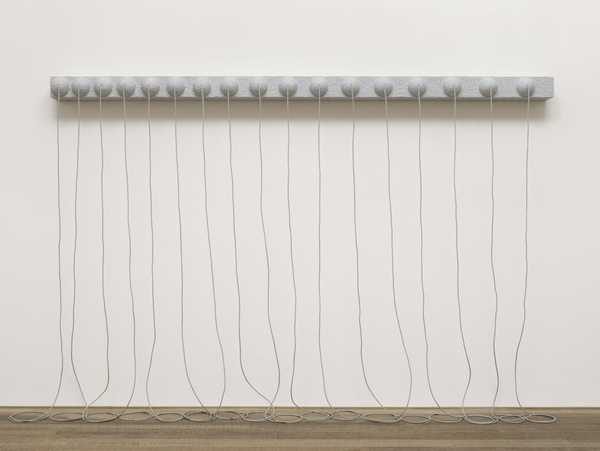
Eva Hesse. Addendum.
Above, a carefully counted series. Below, cords falling freely and coiling together on the floor. Hesse put both into one work.
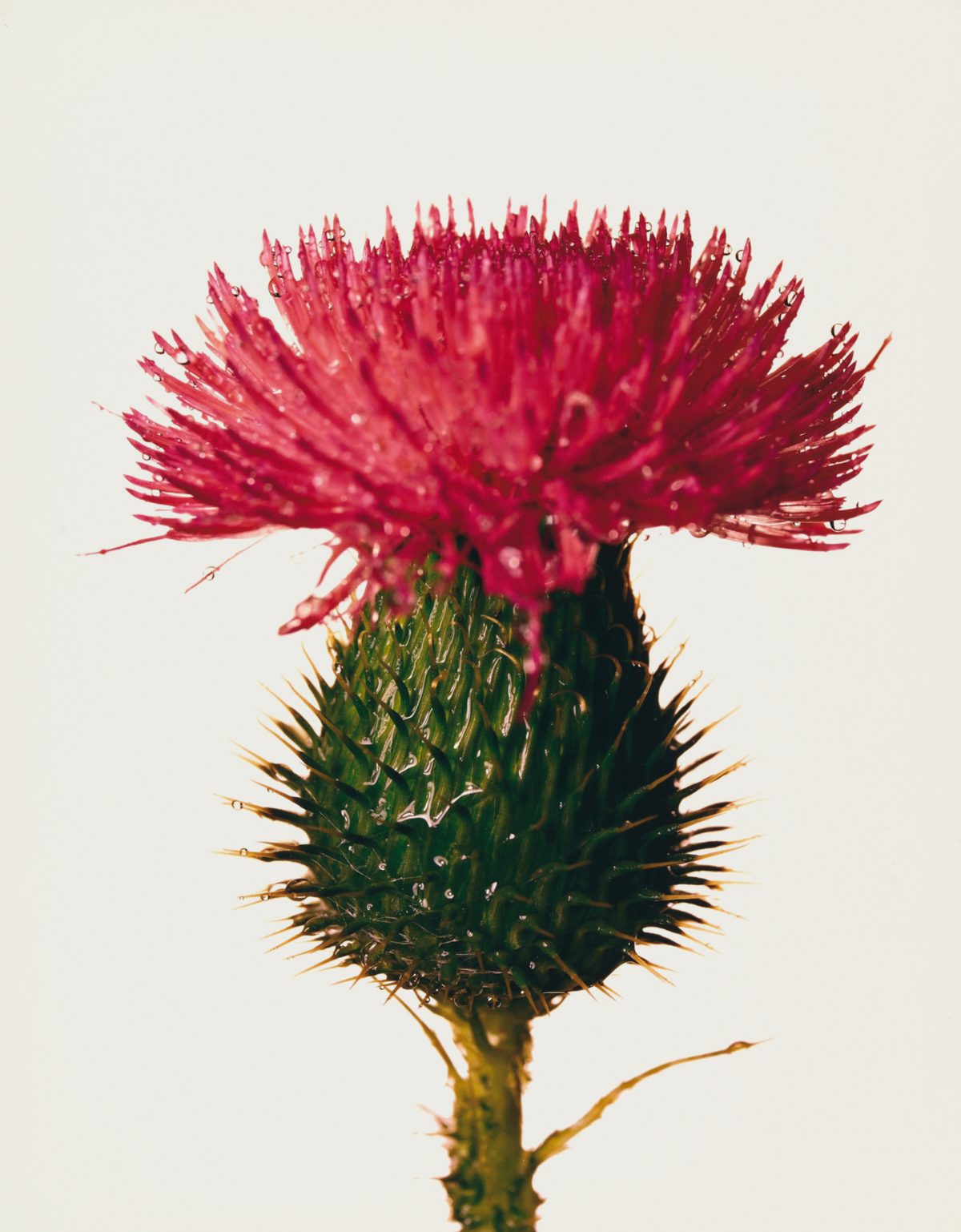
Irving Penn. Flowers.
A tulip splayed open, a poppy about to drop. Penn photographed flowers not at their best, but at their truest.
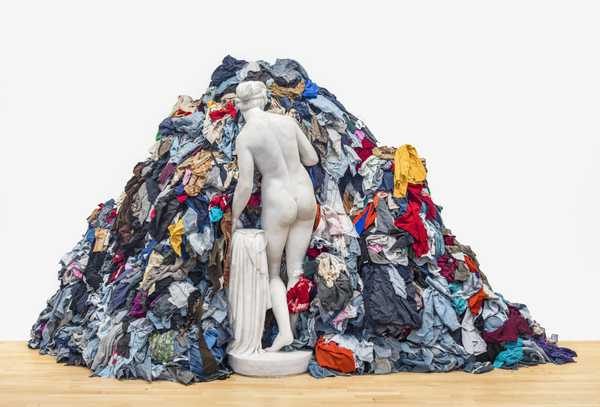
Michelangelo Pistoletto. Venus of the Rags.
Venus turns her back to us and presses her face into a heap of old, colourful clothes. The lasting stands against the discarded.
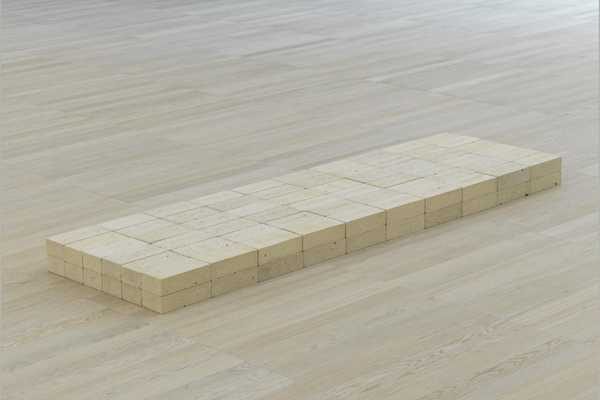
Carl Andre. Equivalent VIII.
A hundred and twenty firebricks, two layers, flat on the floor. No plinth, no carving. The question is: what do we see there?
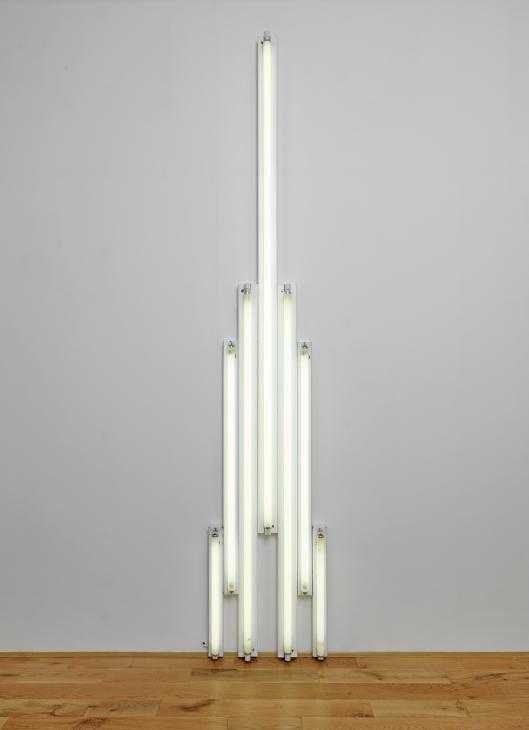
Dan Flavin. 'monument' for V. Tatlin.
White tubes of the kind used in offices, stepping up to a peak like a tower. Dan Flavin called it a monument, in quotation marks.
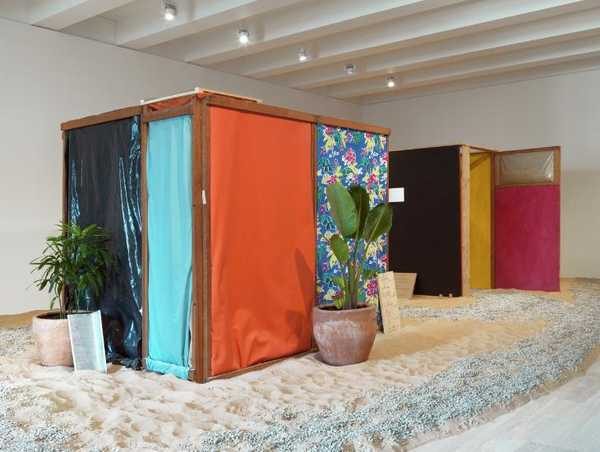
Hélio Oiticica. Tropicália, Penetrables PN 2 'Purity is a myth' and PN 3 'Imagetical'.
A path of sand, gravel, plants and fabric huts, entered barefoot. Oiticica's Tropicália asks for feet, hands and nose, and gave its name to a movement in Brazil.
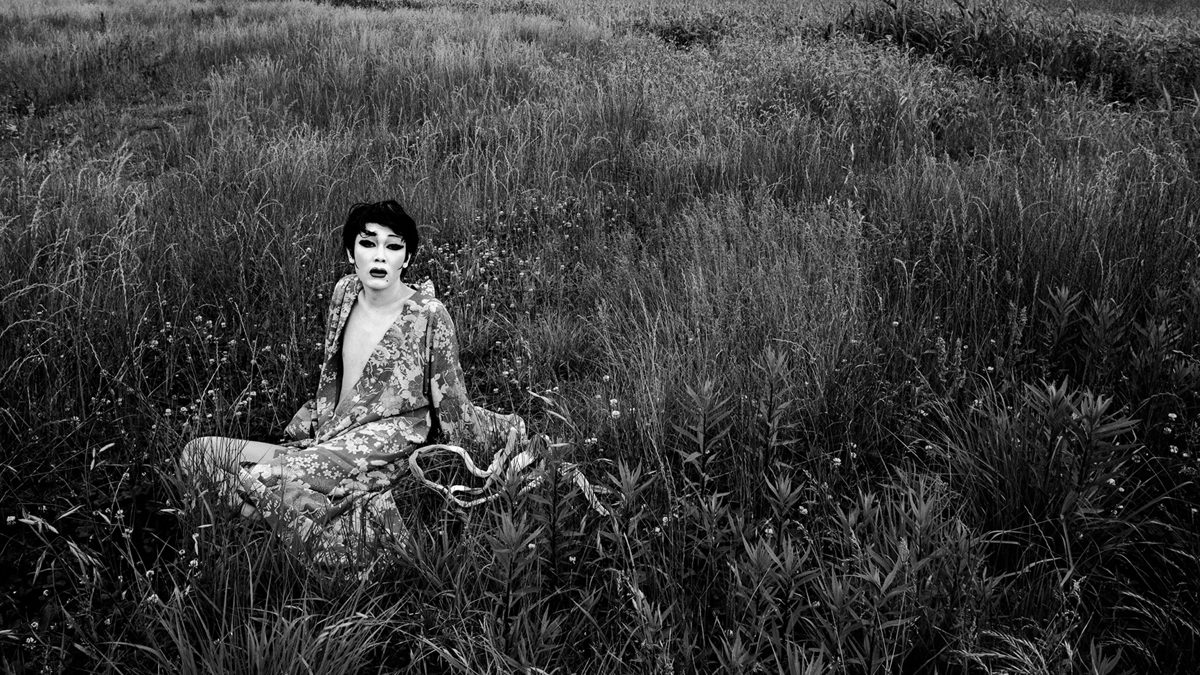
Eikoh Hosoe. Kamaitachi.
A dancer runs through rice fields, leaps, hides behind a farmhouse wall. Hosoe photographs a legend from his own childhood in rural Tohoku.
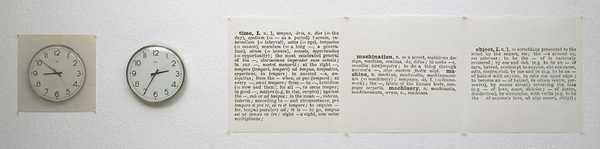
Joseph Kosuth. Clock (One and Five), English/Latin Version.
A wall clock, a photograph of it, and definitions in English and Latin. Kosuth hangs them in a line and lets the viewer ask where the real object is.
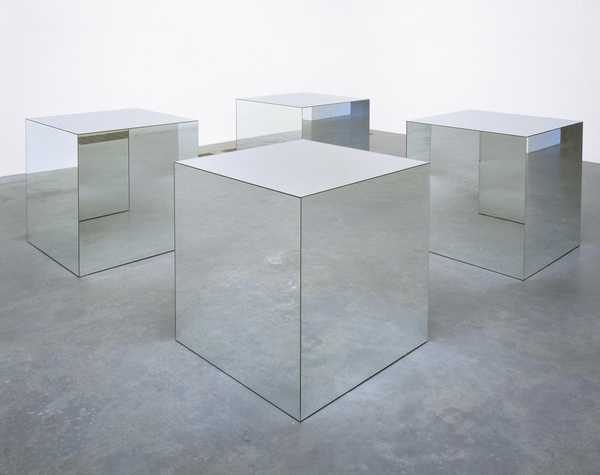
Robert Morris. Untitled.
Four mirrored cubes, each almost a metre high. They have no colour of their own. They take the colour of the floor, the walls, the person walking around them.
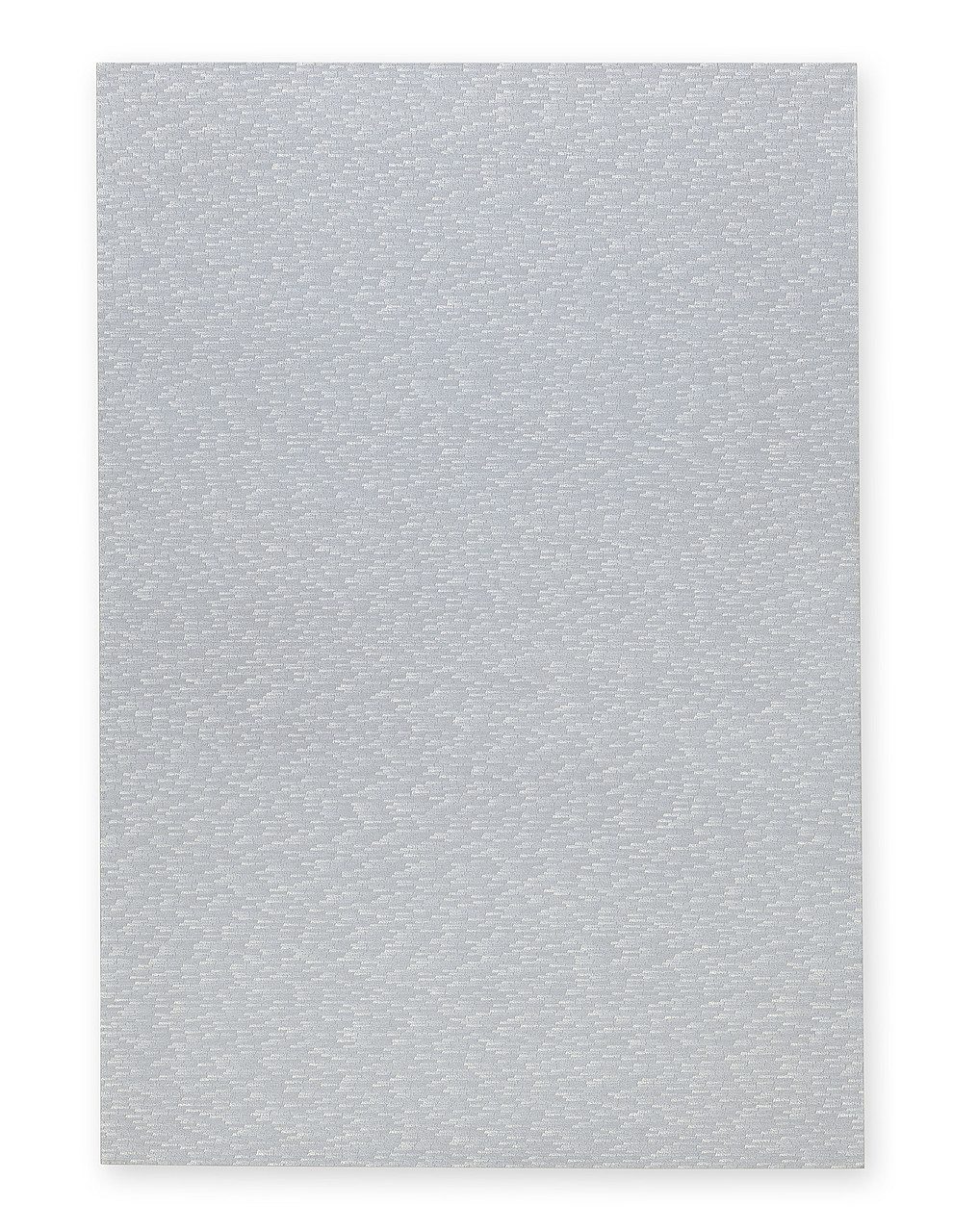
Roman Opałka. Détail 1520432 to 1537871.
A canvas covered in small white numbers, from 1520432 to 1537871. No image, no other colour. Only one stretch of a count as long as a life.
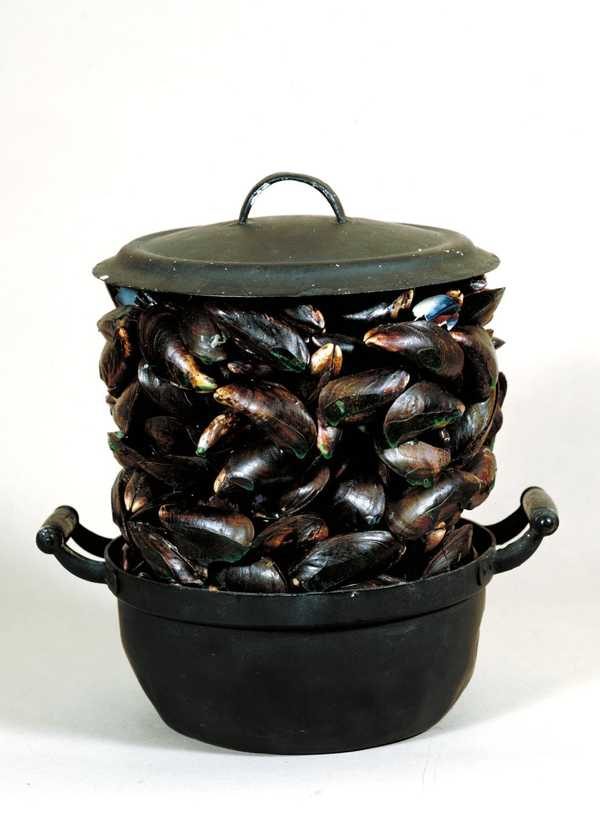
Marcel Broodthaers. Casserole and Closed Mussels.
An iron pot with wooden handles. Shells piled so high the lid is lifted. Nothing to eat, only shells, and a question about what we call a work of art.
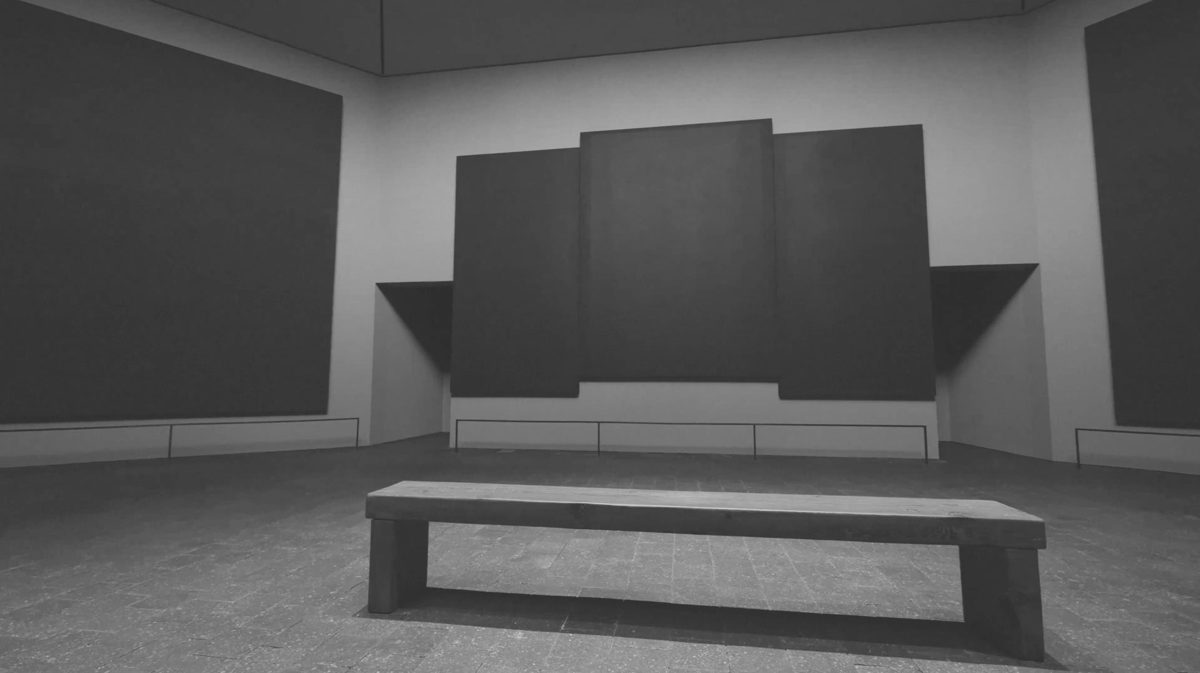
Mark Rothko. Rothko Chapel.
A room in Houston with fourteen near black paintings lit by the sky. Rothko finished them in 1967 but did not live to see them hung.
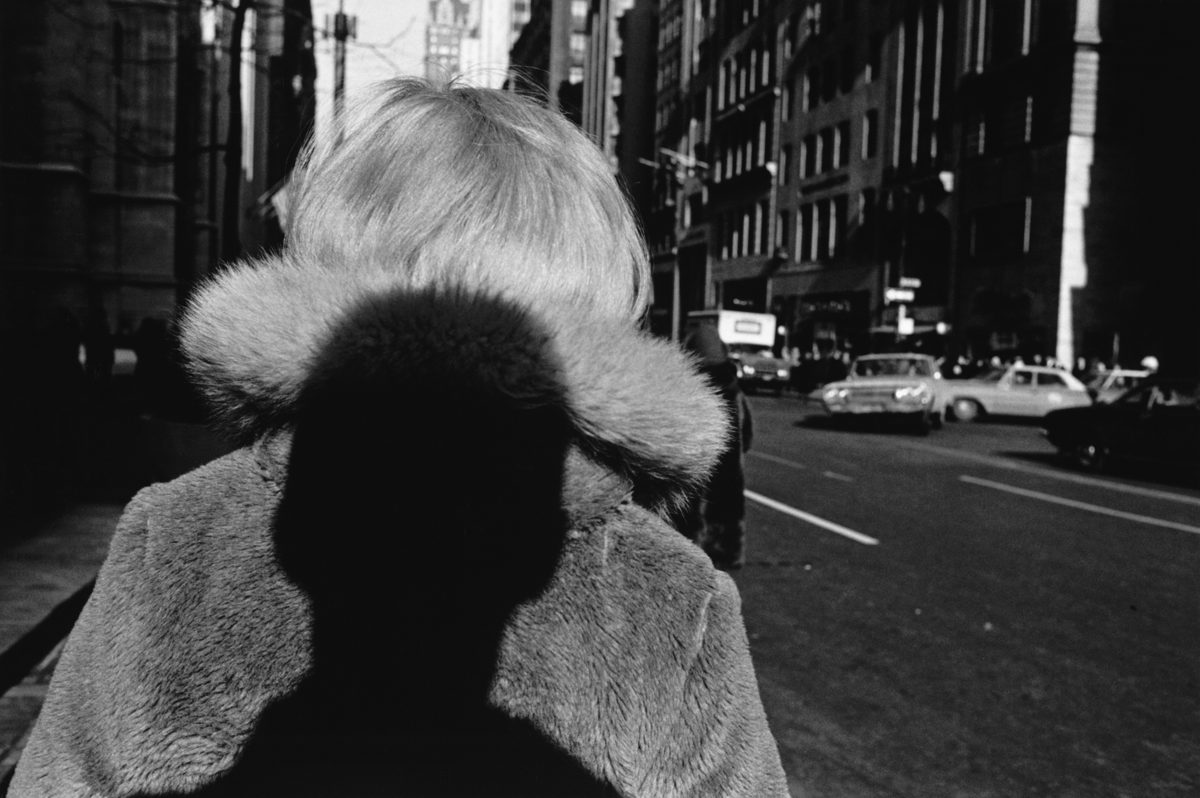
Lee Friedlander. Self-Portraits.
A shadow on the pavement, a reflection in a window, half a face at the edge of the frame. Lee Friedlander photographed himself for over sixty years, rarely whole.
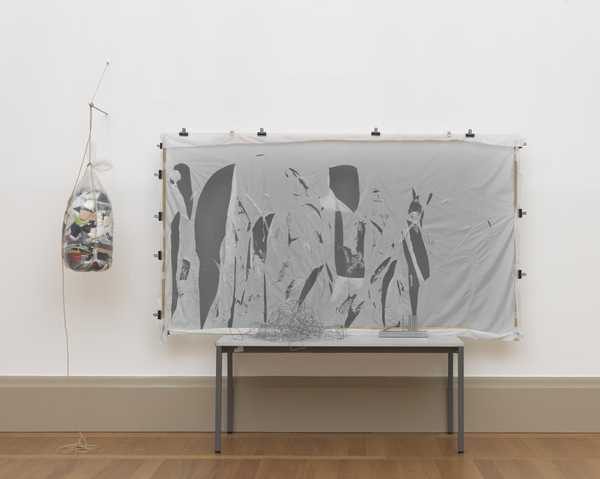
Gustav Metzger. Recreation of First Public Demonstration of Auto-Destructive Art.
A nylon sheet stretched on a frame. Acid touches it and the fabric begins to open. The form is made by the material disappearing.
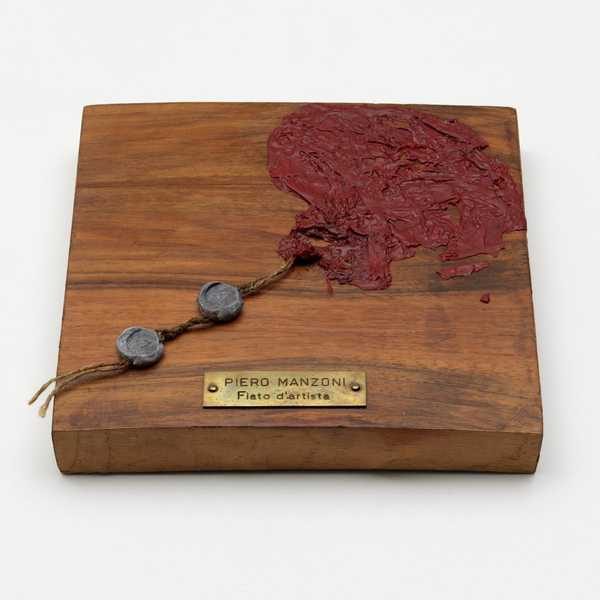
Piero Manzoni. Artist's Breath.
Manzoni blew into a balloon and mounted it on wood. The breath has gone. What remains is a wrinkled scrap of rubber, stuck fast.
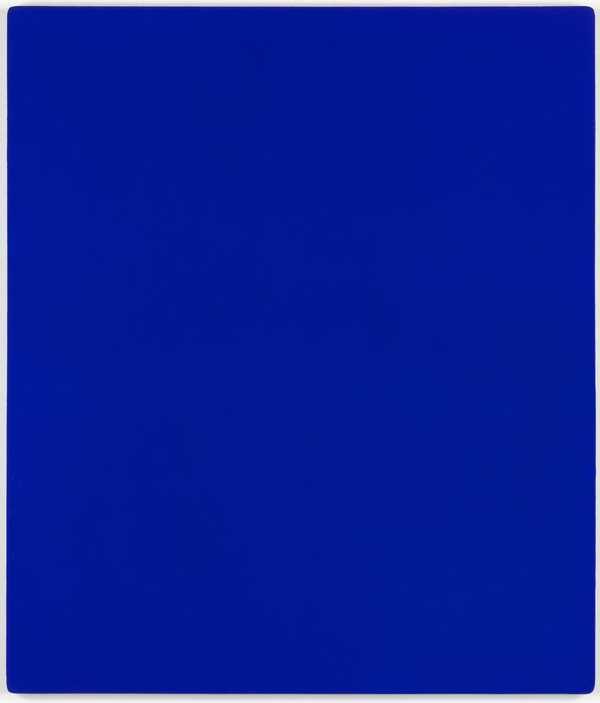
Yves Klein. IKB 79.
No image, no line, no title. Only a blue covering the whole surface. Klein wanted viewers to stand before it as before an open space.
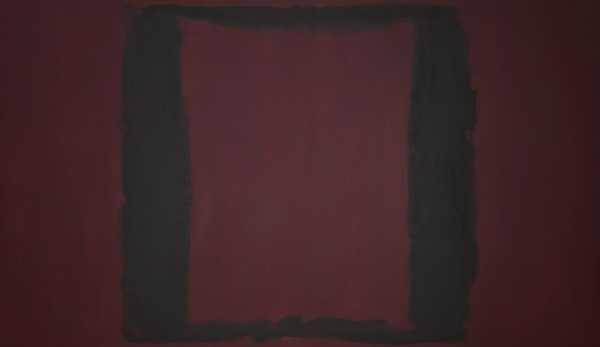
Mark Rothko. Black on Maroon.
A horizontal canvas over four and a half metres long, black on deep maroon. Rothko painted it for the Four Seasons, then decided it did not belong there.
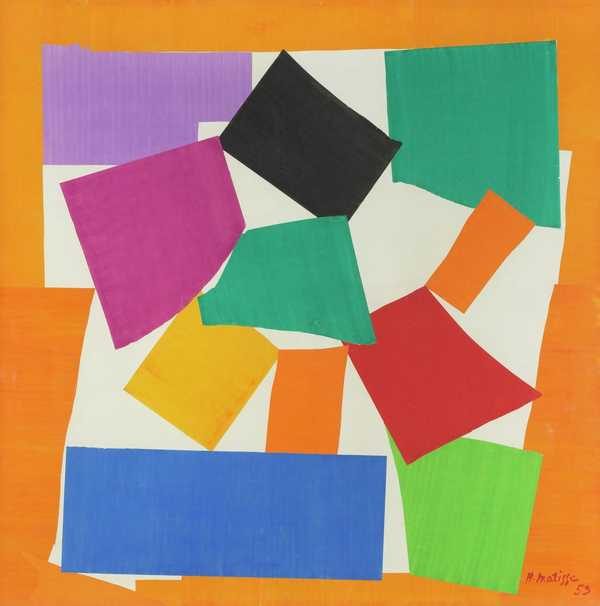
Henri Matisse. The Snail.
Matisse held the snail between two fingers and drew it again and again. Then he dropped the shell, kept the spiral, and took up the scissors.
Vivian Maier. Self-portraits.
A shadow on the pavement, a face in a shop window. Vivian Maier photographed herself many times, but rarely head on.
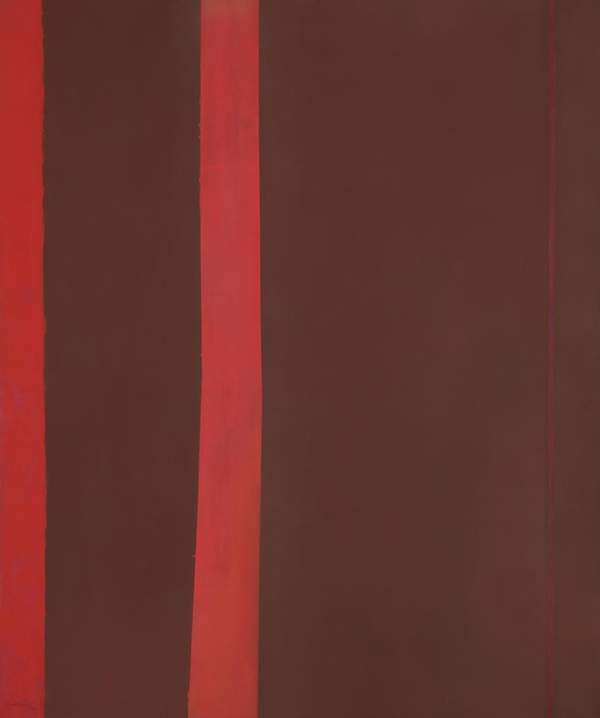
Barnett Newman. Adam.
An earth brown field over two metres high, three red bands running down. Newman called it Adam, a Hebrew name close to earth and to red.

Jackson Pollock. Summertime: Number 9A.
A canvas over five metres long, laid on the floor. Paint dripped, poured, flicked. Summertime does not depict summer; it keeps the rhythm of a body.
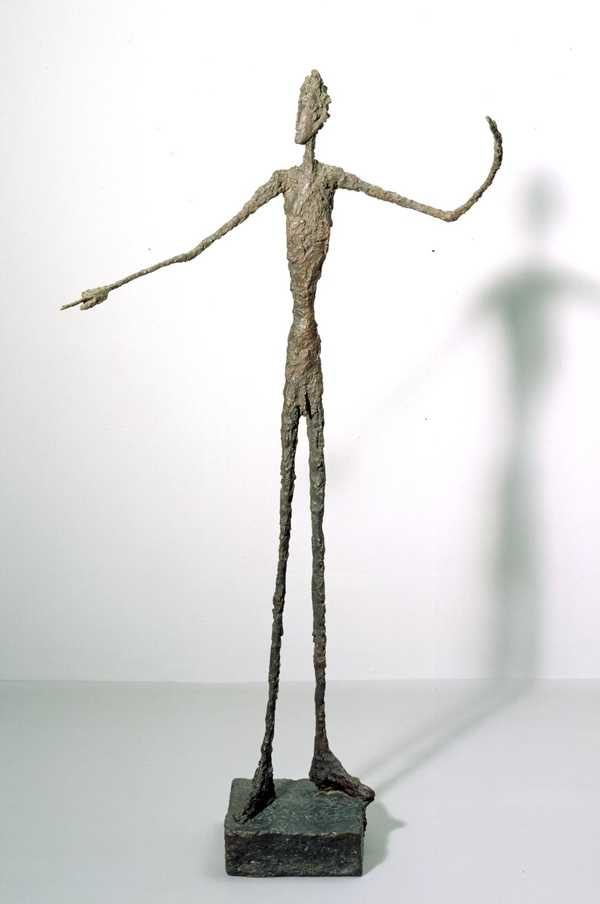
Alberto Giacometti. Man Pointing.
Giacometti remade Man Pointing in one night, from midnight to nine in the morning. When the foundry men came, the plaster was still wet. Where the man points, no one knows.
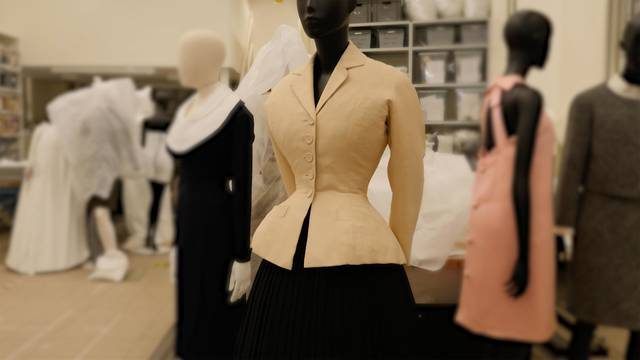
Christian Dior. Bar Suit.
A tussore silk jacket fitted to the waist, a pleated wool skirt over a stiffened petticoat. The figure is sewn into the suit before anyone wears it.
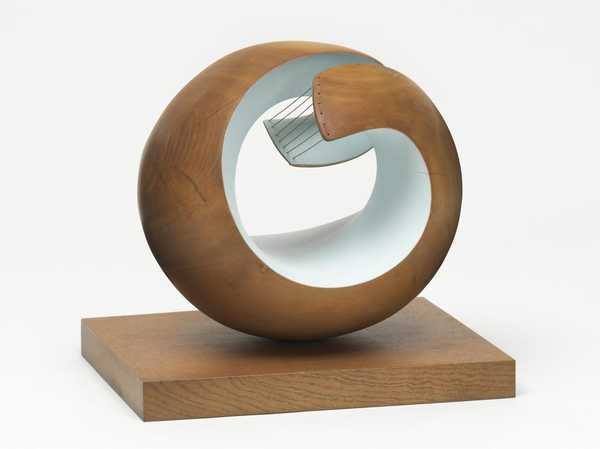
Barbara Hepworth. Pelagos.
A block of elm hollowed into two arms curling into each other, pale blue inside, strung with taut cords. Hepworth called it the sea.
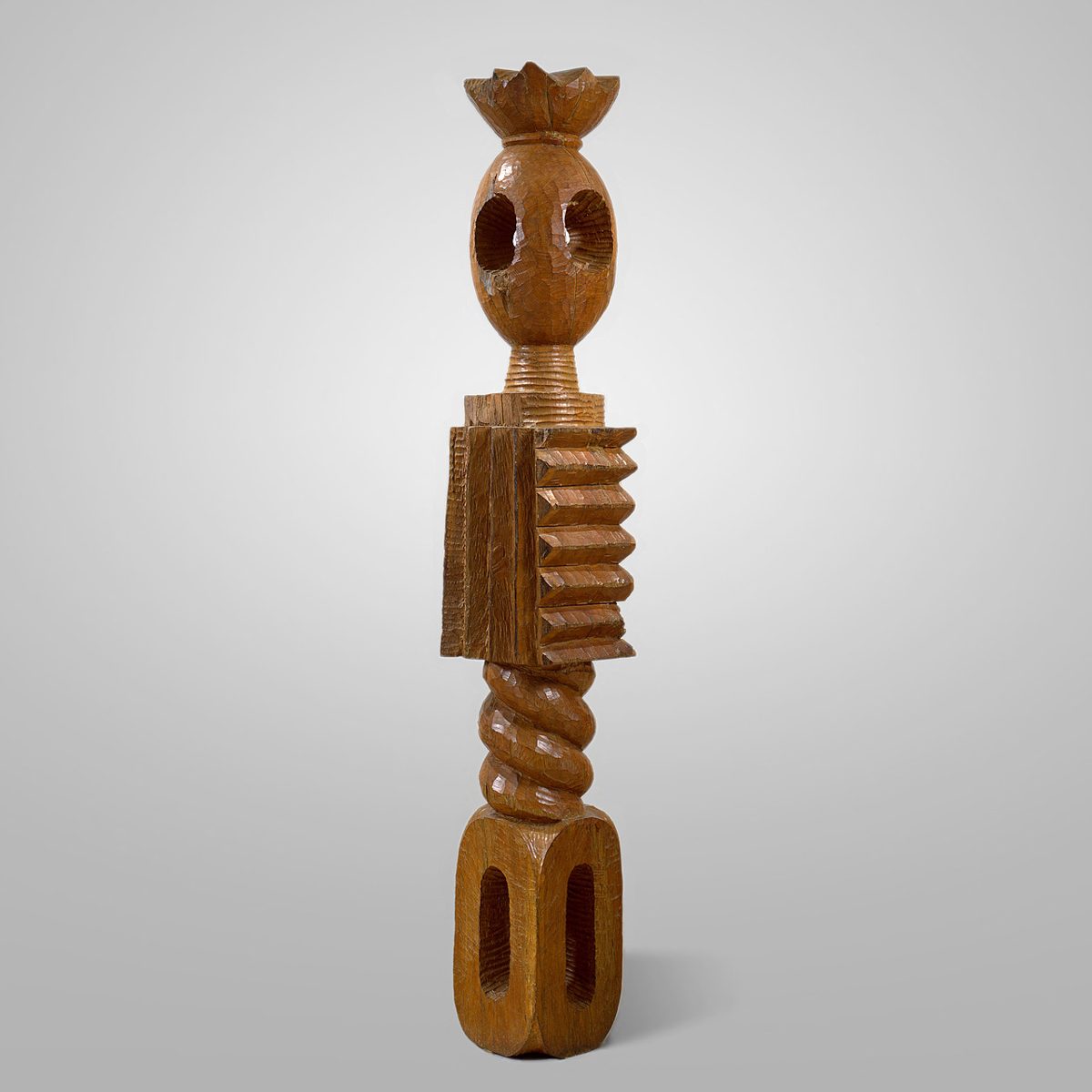
Constantin Brâncuși. Le roi des rois.
An oak sculpture over three metres tall, made for a temple that was never built. The temple is gone; the sculpture remains and carries the room with it.
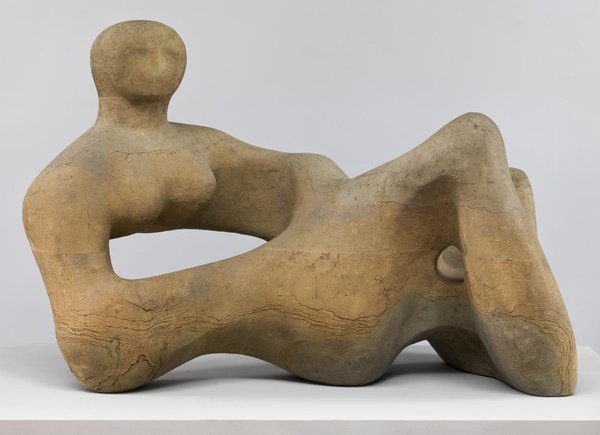
Henry Moore. Recumbent Figure.
Moore was asked to place a sculpture before a long, low house. He did not raise a standing figure. He carved one lying down, to look toward the horizon.
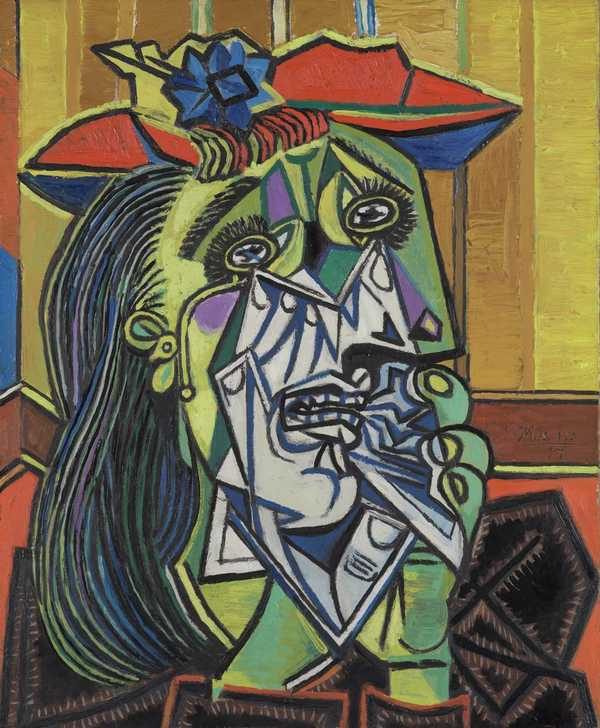
Pablo Picasso. Femme en pleurs.
A woman weeping, painted in the brightest colours on the palette. Picasso did not darken grief. He made it glare.
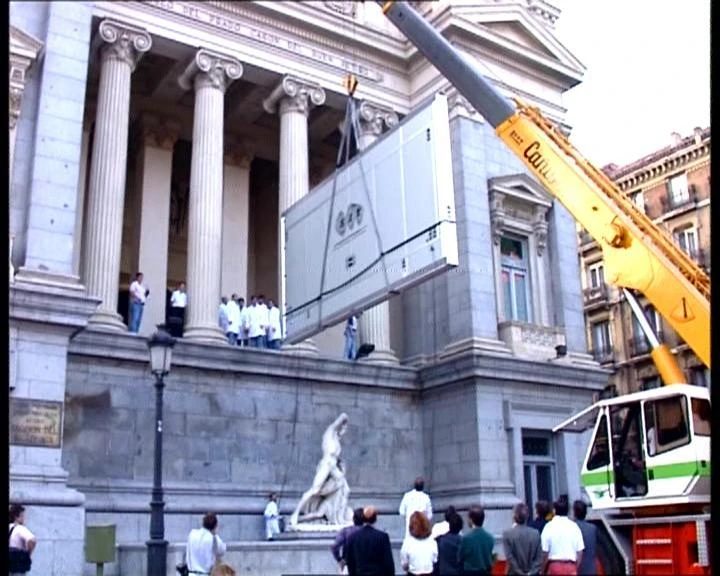
Pablo Picasso. Guernica.
Nearly eight metres of canvas, not a patch of colour. Guernica was painted in just over a month, then waited more than forty years to reach where it belonged.
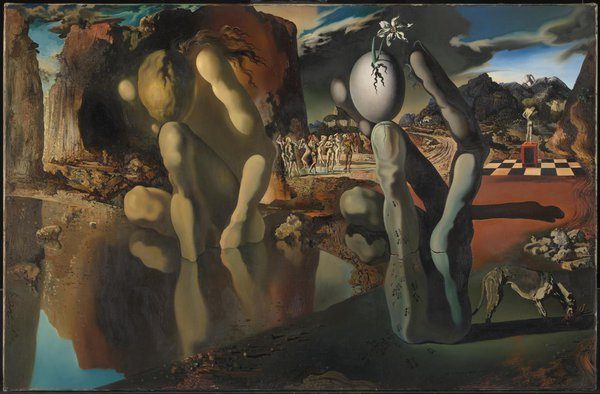
Salvador Dalí. Métamorphose de Narcisse.
Two matching shapes side by side: a man bent over his reflection, a stone hand holding an egg. Look long enough and the man turns into the hand, and a flower grows from the egg.
Piet Mondrian. Composition C (No.III) with Red, Yellow and Blue.
A nearly square canvas, a few black lines, some white, a little red, yellow and blue. Mondrian used so little that every element had to carry its share.
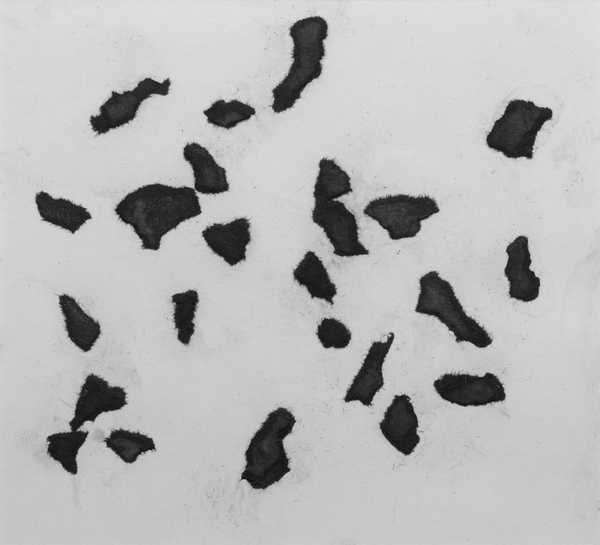
Jean Arp. According to the Laws of Chance.
Arp once cut paper with scissors and sanded every edge smooth. Then he found his old collages mouldy in the attic, and began to tear.
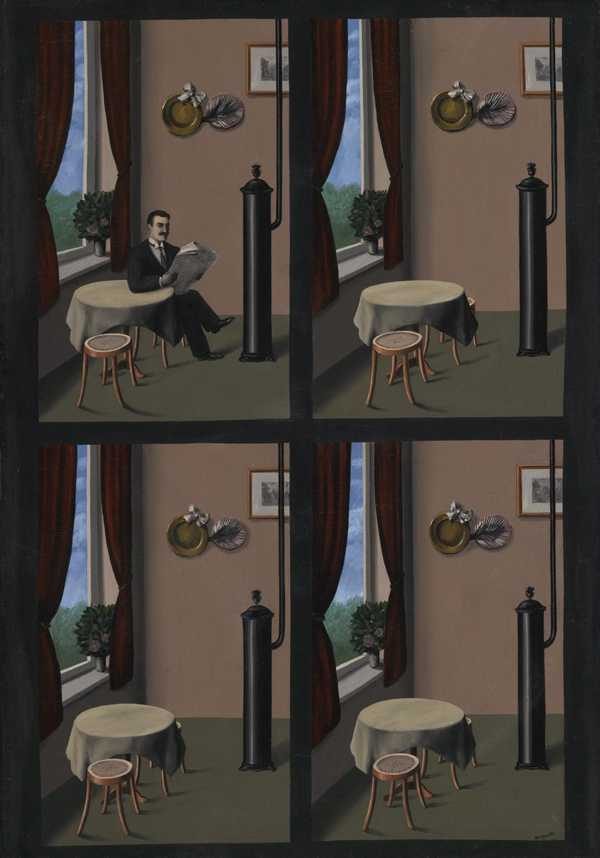
René Magritte. L'Homme au journal.
The same room, four times over. In the first a man reads a newspaper. In the next three he is gone. Nothing else changes.
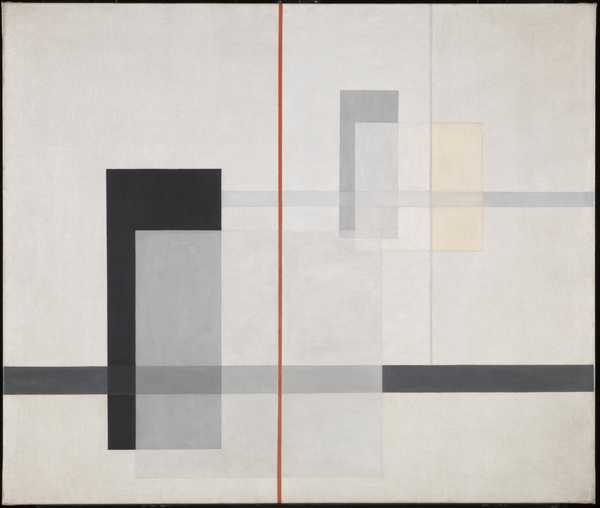
László Moholy-Nagy. K VII.
Black bars, transparent grey planes, a pale ground. K VII depicts no object. It builds light the way one builds a structure.
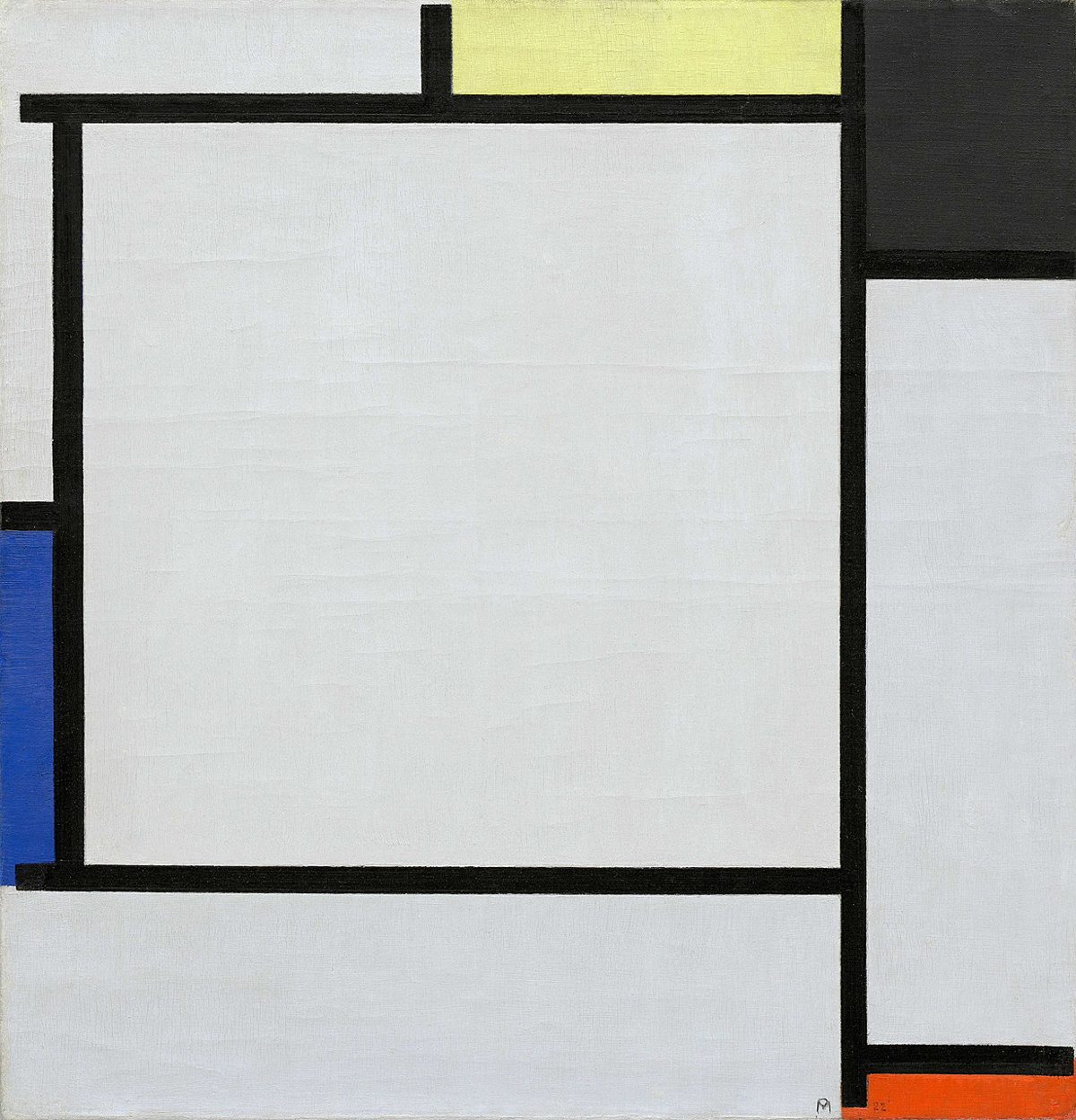
Piet Mondrian. Tableau 2.
An almost square canvas, a black grid, a few primary colours. By 1922 Mondrian had pared the world down to straight lines, right angles and balance.
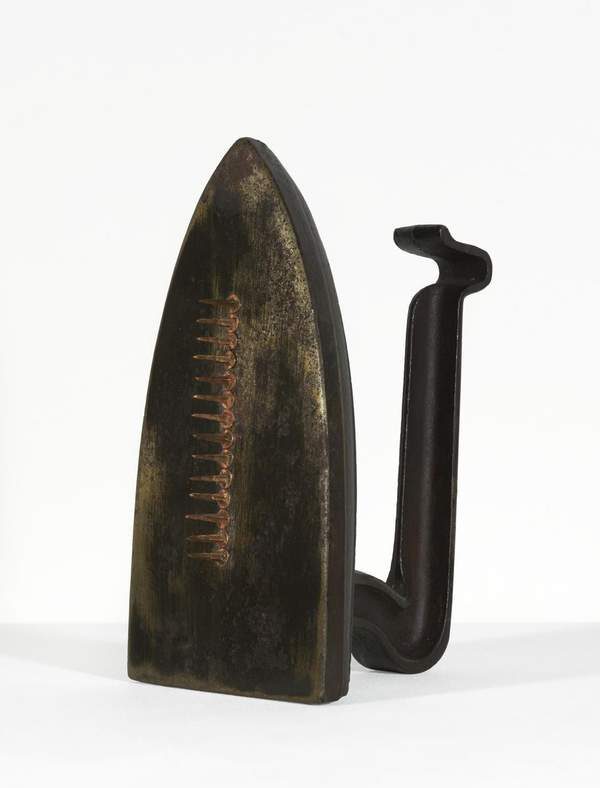
Man Ray. Cadeau.
The iron is still heavy, still cold, still has its handle. Add one row of nails and it is no longer a household tool.
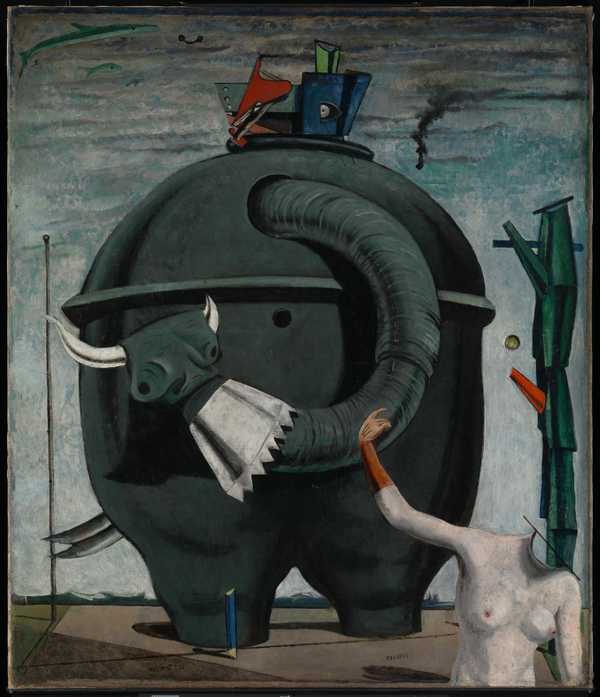
Max Ernst. Celebes.
A clay corn bin, photographed in an anthropology journal. Max Ernst added a trunk, horns and an eye, and it became a monster.
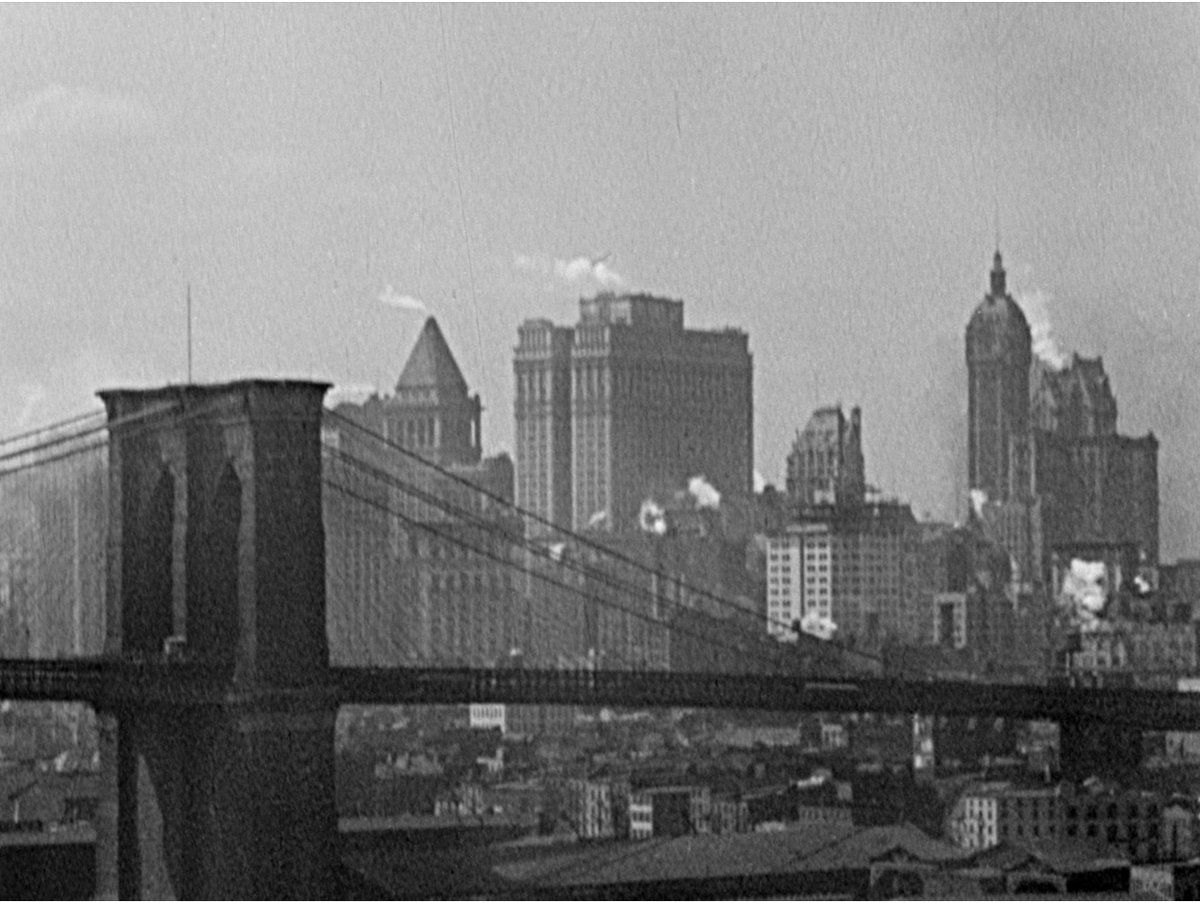
Paul Strand, Charles Sheeler. Manhatta.
A morning ferry, smoke and steam between buildings, a sunset seen from a rooftop. Manhatta records one day of a city without a single spoken word.
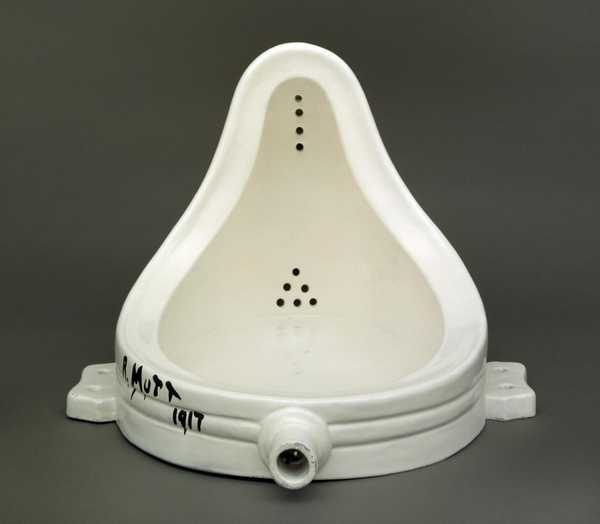
Marcel Duchamp. Fountain.
Duchamp did not make the urinal. He chose it, turned it, signed a false name. The original is lost. What remains is a photograph and replicas.
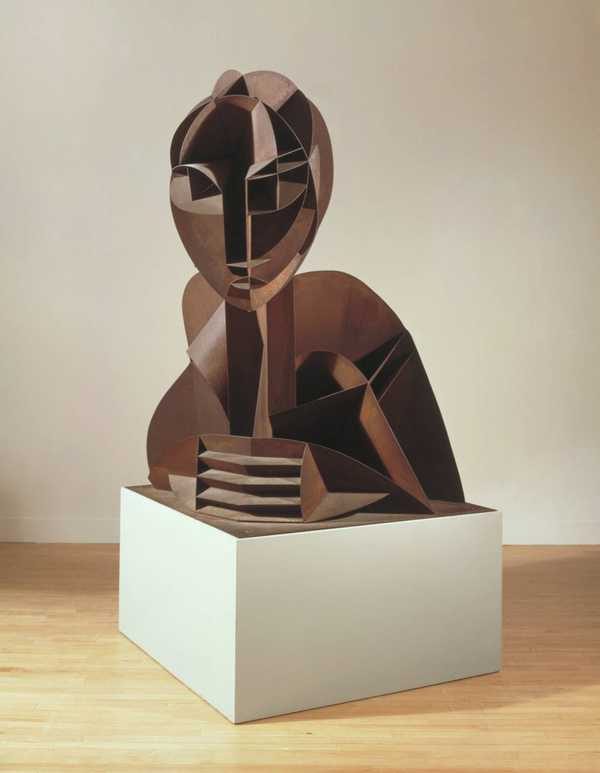
Naum Gabo. Head No. 2.
No carving into a block, no modelling clay. Gabo built a head from thin planes and let the space inside become the material.
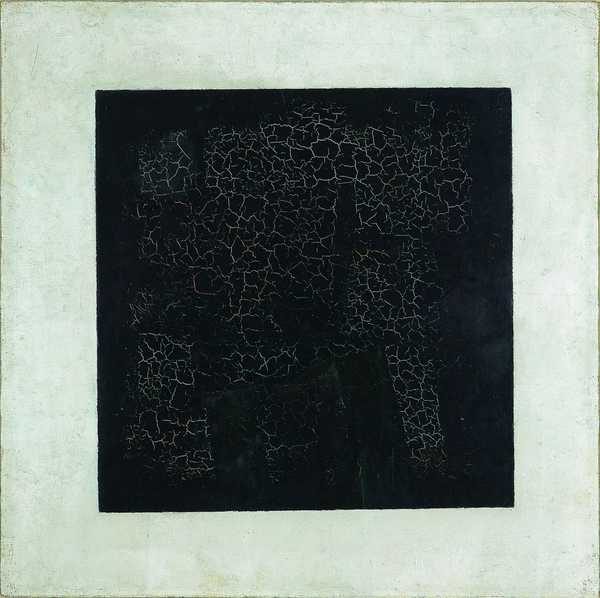
Kazimir Malevich. Black Square.
A black square hung across a corner. Malevich called it a beginning. X rays show another painting beneath the black.
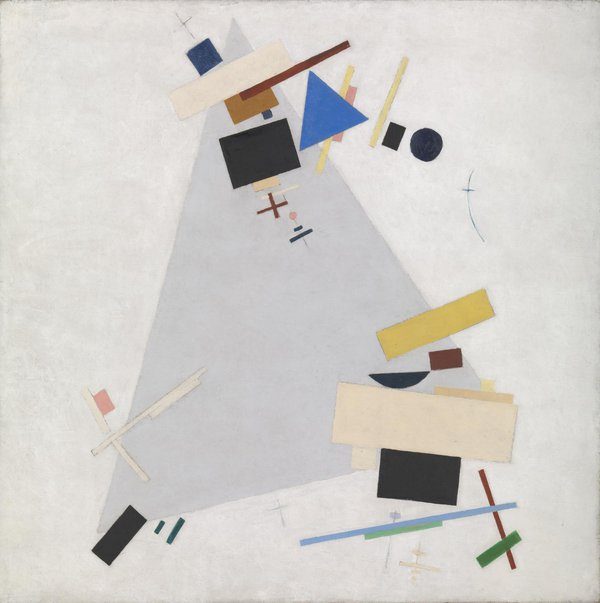
Kazimir Malevich. Dynamic Suprematism.
There is no object in the picture. Only colour, form, and white space to move in. Malevich painted straight onto canvas, with no sketch beneath.
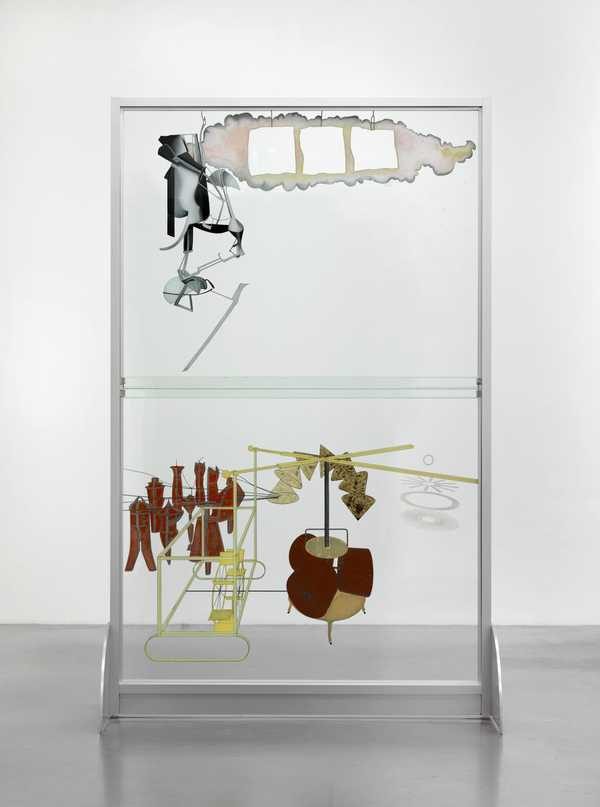
Marcel Duchamp, Richard Hamilton. The Bride Stripped Bare by Her Bachelors, Even (The Large Glass).
The cracked original is in Philadelphia. The Tate version was rebuilt from scraps of notes, in oil, lead, dust and varnish on glass.
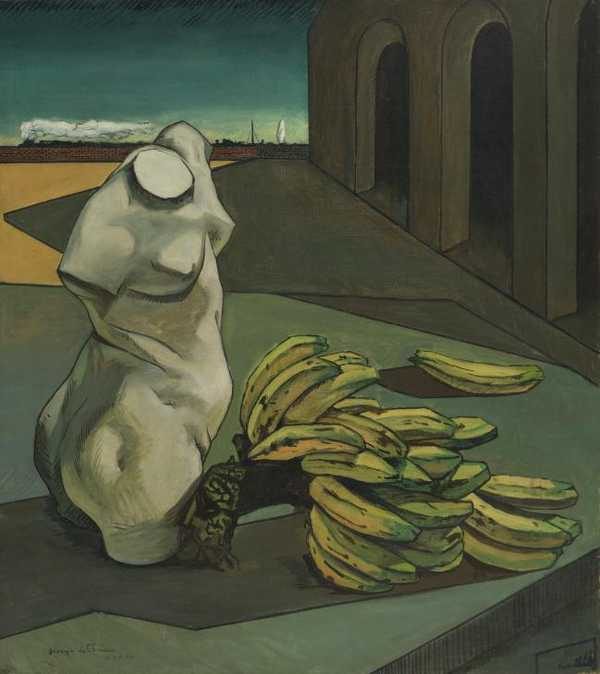
Giorgio de Chirico. The Uncertainty of the Poet.
A headless plaster torso, a bunch of yellow bananas, an arcade throwing shadow and a distant train. De Chirico set them side by side in 1913 and left us to ask why.
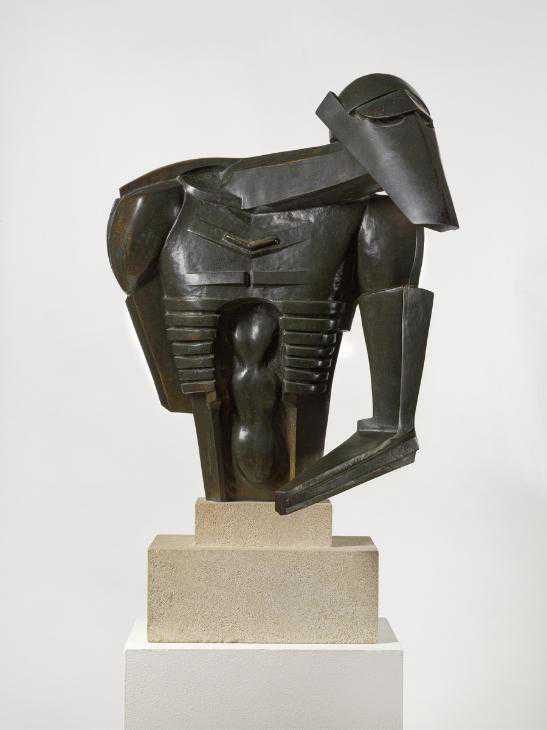
Jacob Epstein. Torso in Metal from 'The Rock Drill'.
In 1915 a plaster robot rode a real rock drill. After the war Epstein discarded the drill, cut the figure at the waist and cast what remained in bronze.
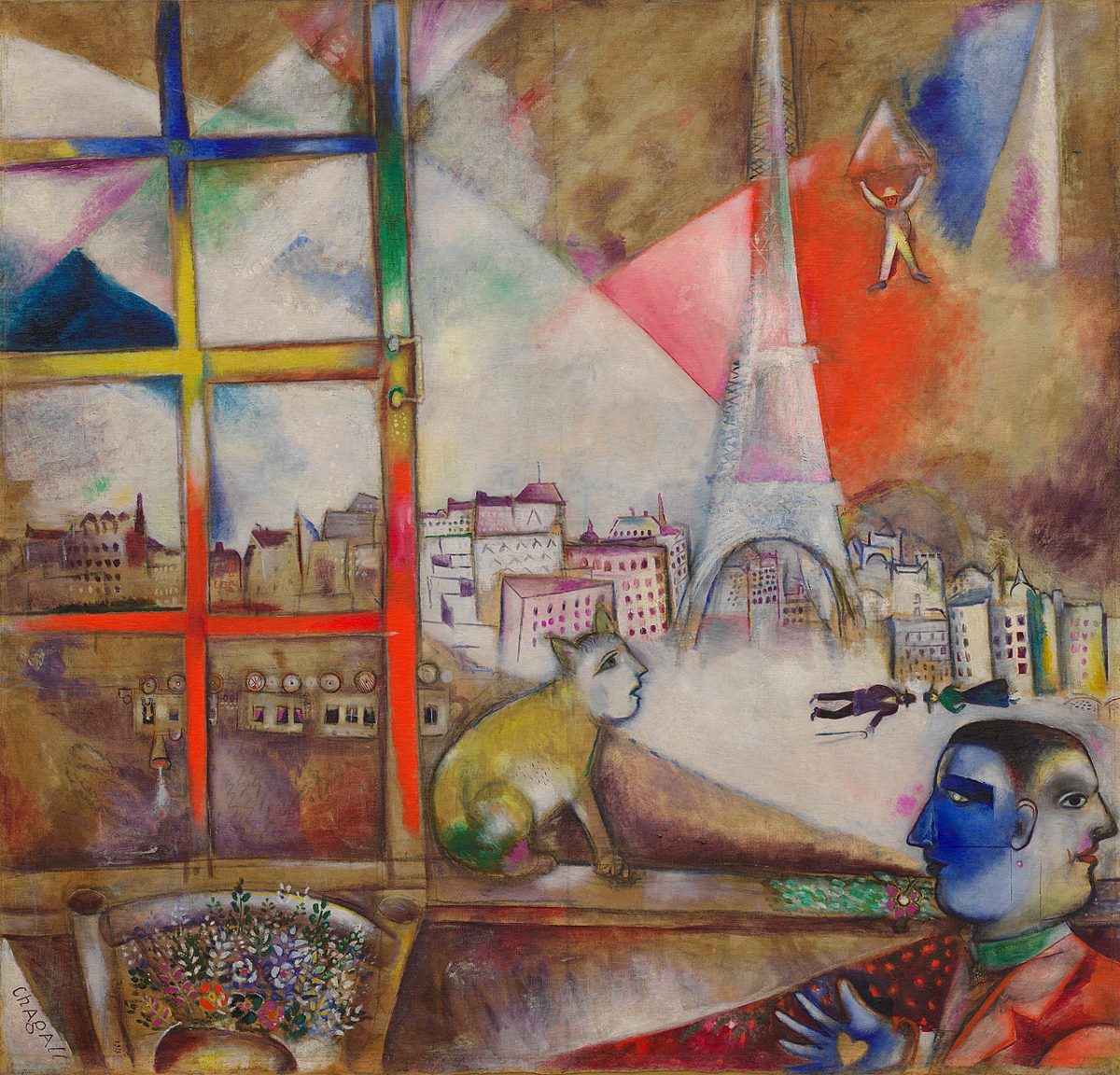
Marc Chagall. Paris through the Window.
An eight-pane window, a human-faced cat, a man with two faces. Chagall painted Paris in 1913 and brought his hometown Vitebsk into the picture with him.
Sonia Delaunay, Blaise Cendrars. La Prose du Transsibérien et de la petite Jehanne de France.
Twenty two folds, a poem about a train across Siberia, and colour that does not illustrate but travels with the words. The book can only be read fully open.
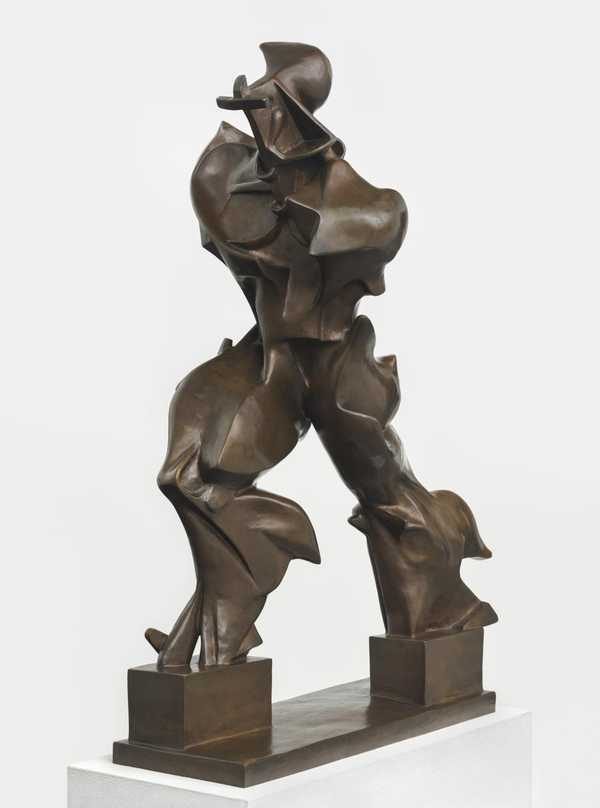
Umberto Boccioni. Unique Forms of Continuity in Space.
Boccioni modelled it in plaster in 1913. He did not live to see it in bronze. It exists because someone gathered the broken pieces and glued them.
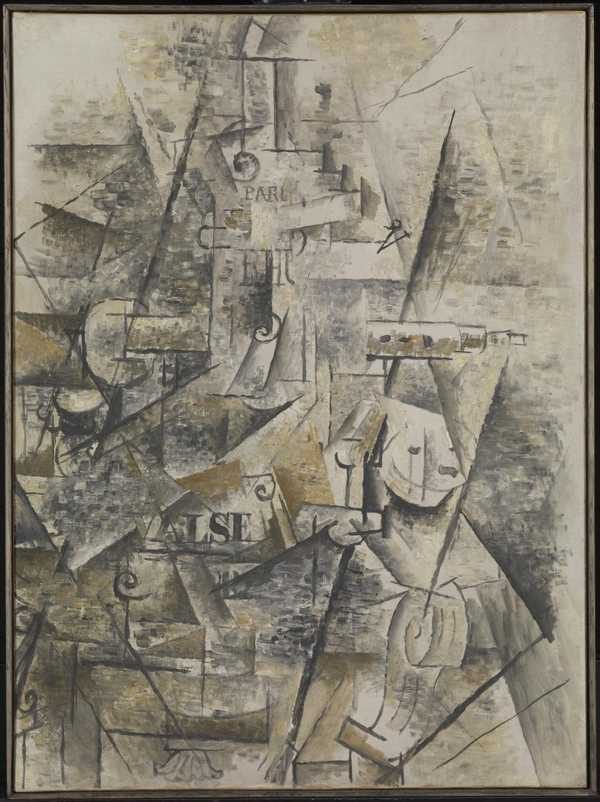
Georges Braque. Clarinet and Bottle of Rum on a Mantelpiece.
A clarinet lying flat, the letters RHU on a bottle, the word VALSE below. Braque painted the objects, and the space between them.
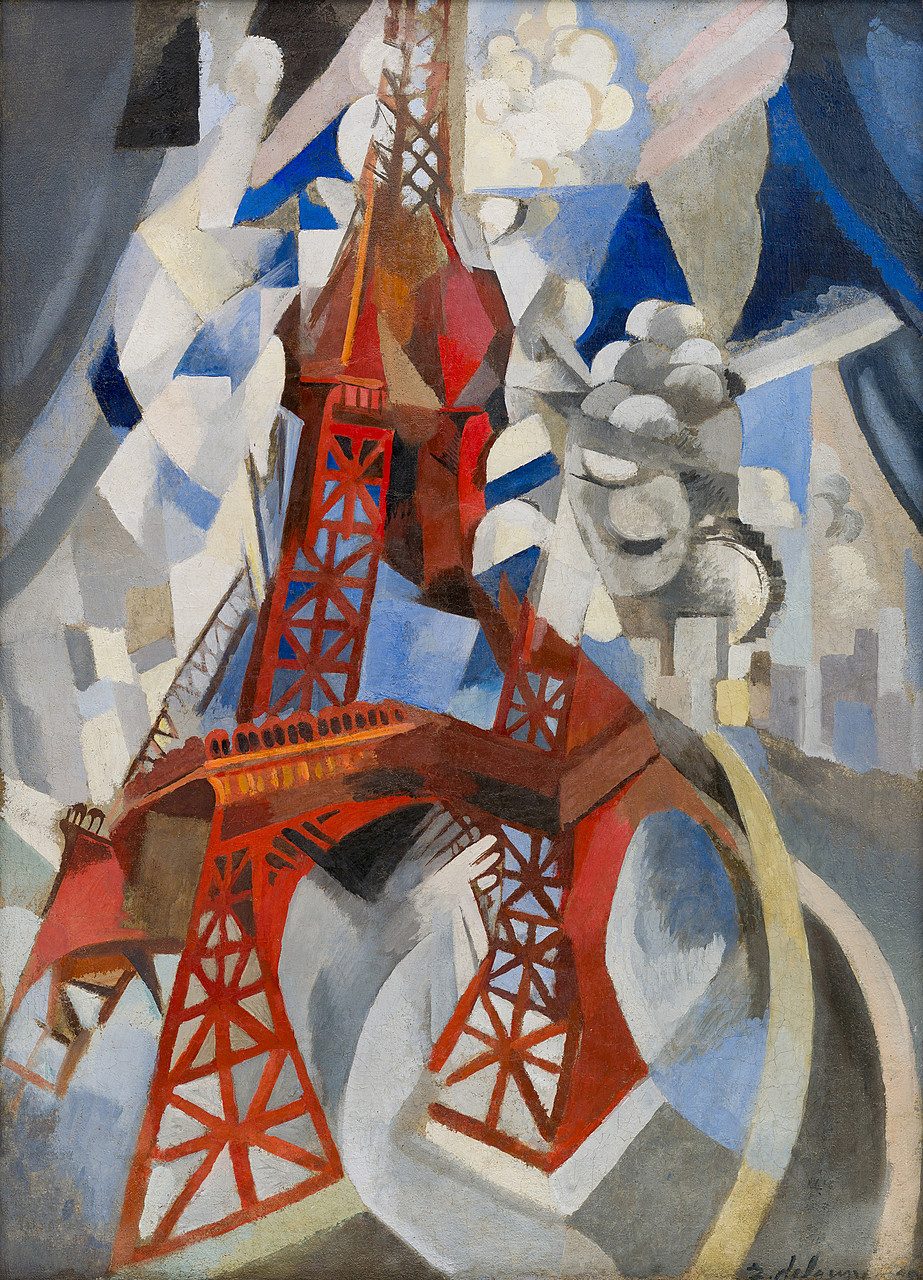
Robert Delaunay. Red Eiffel Tower.
A red tower rising past the edge of the canvas, its legs seeming to walk. Delaunay took the Eiffel Tower apart to see it from every side at once.
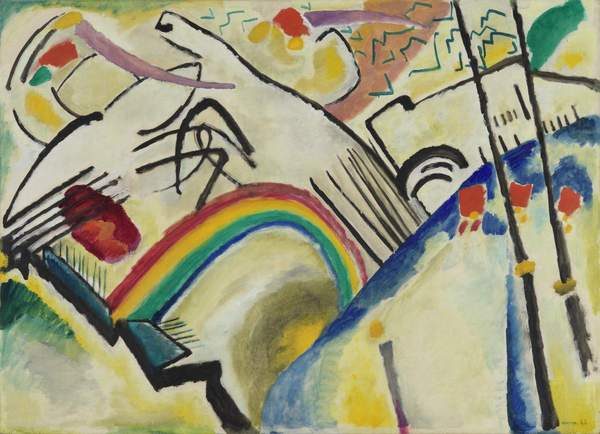
Wassily Kandinsky. Cosaques.
Red hats, lances, a rainbow are still there. But they are dissolving. Cossacks is a painting standing at the edge of abstraction.
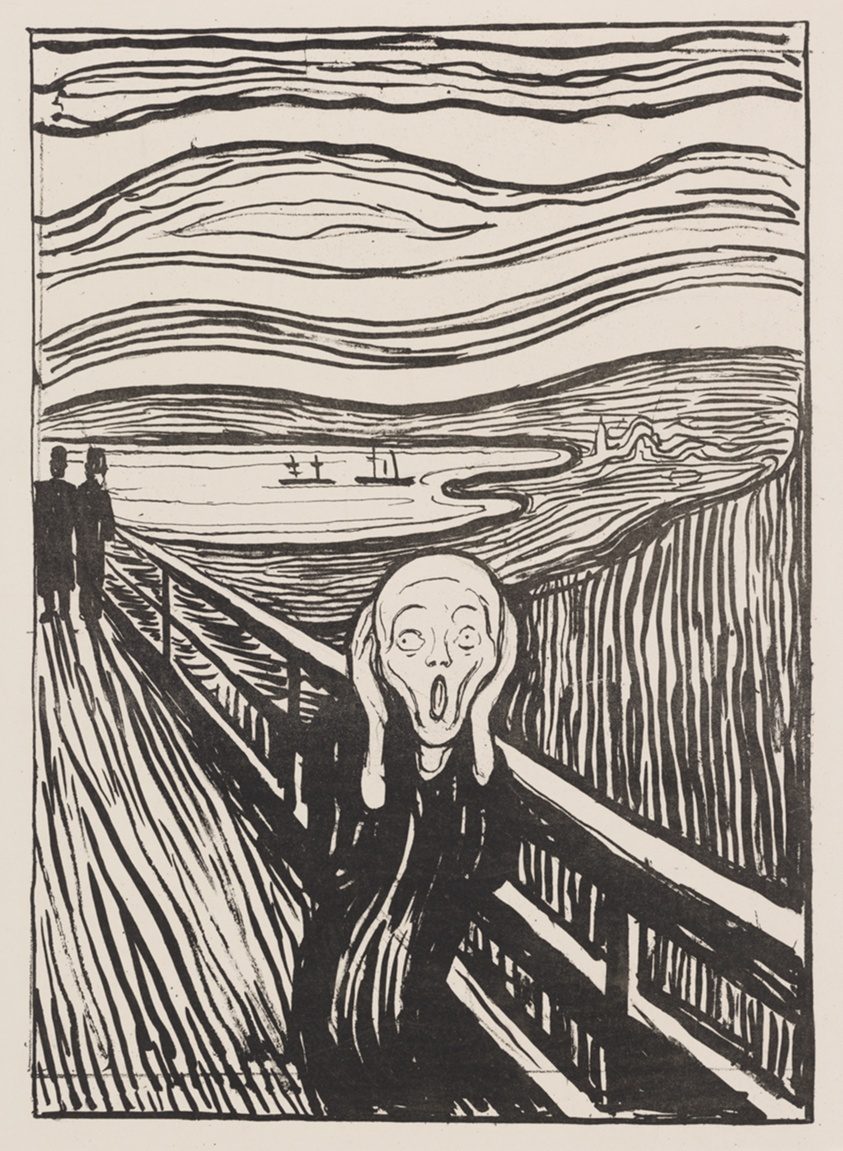
Edvard Munch. The Scream.
Tempera, crayon, a sheet of board. A figure holding its face on a road by the fjord. No one can hear the scream, yet everyone who looks knows it is real.
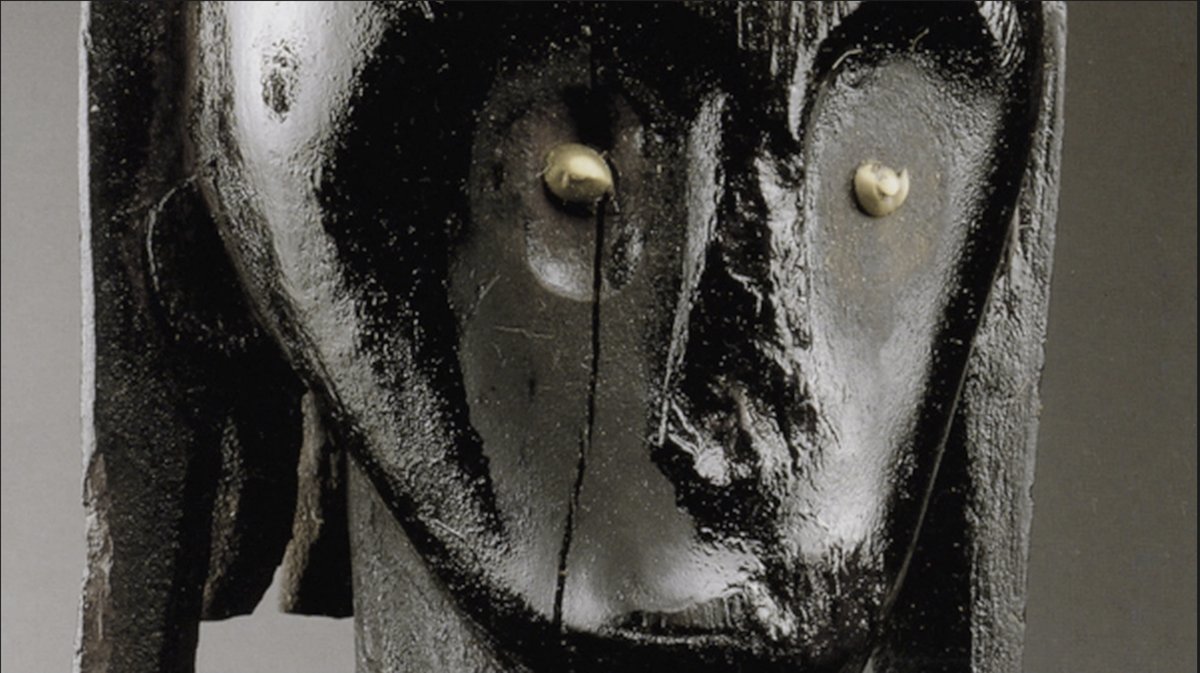
Arthur Jafa. APEX.
Decades of clipping pictures from magazines and newspapers, pressed into eight minutes of video. APEX is where Arthur Jafa lets images overlap.
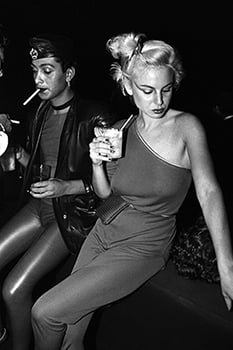
The Jumpsuit.
One piece of cloth from neck to ankle. The jumpsuit passed through workshops, wars and revolutions to the dance floor, and meant something different each time.
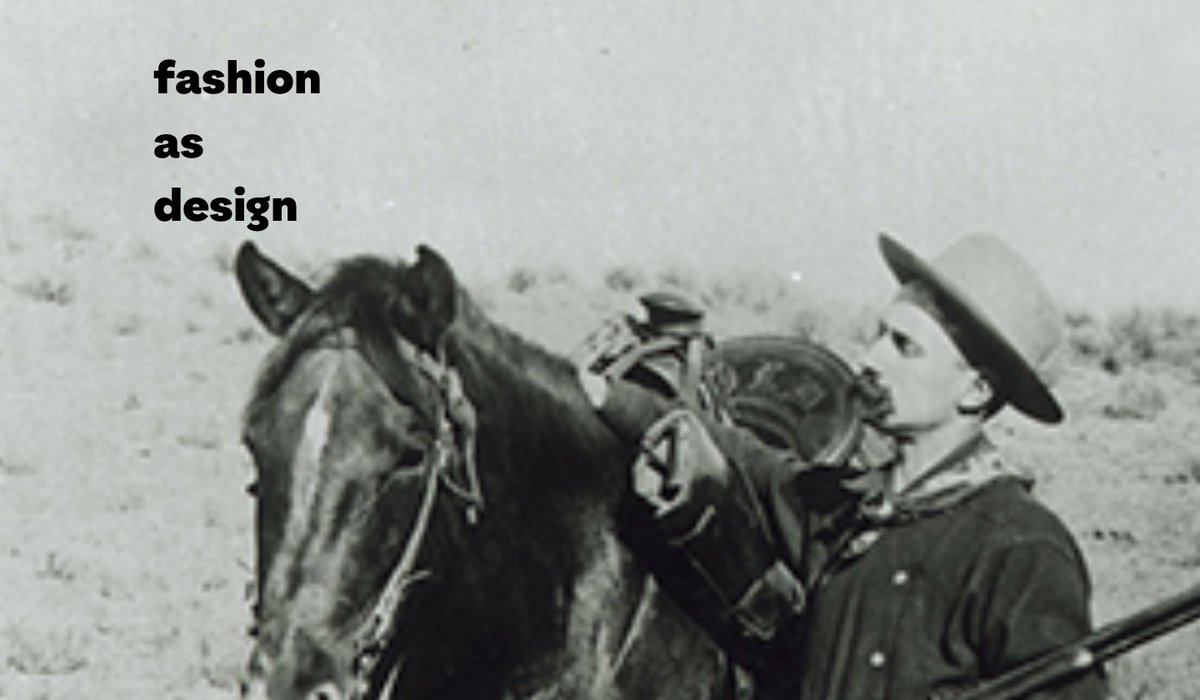
Fashion as Design.
Everyone wears something. Fashion as Design asks how the things we wear are made, and what they say about the people who wear them.
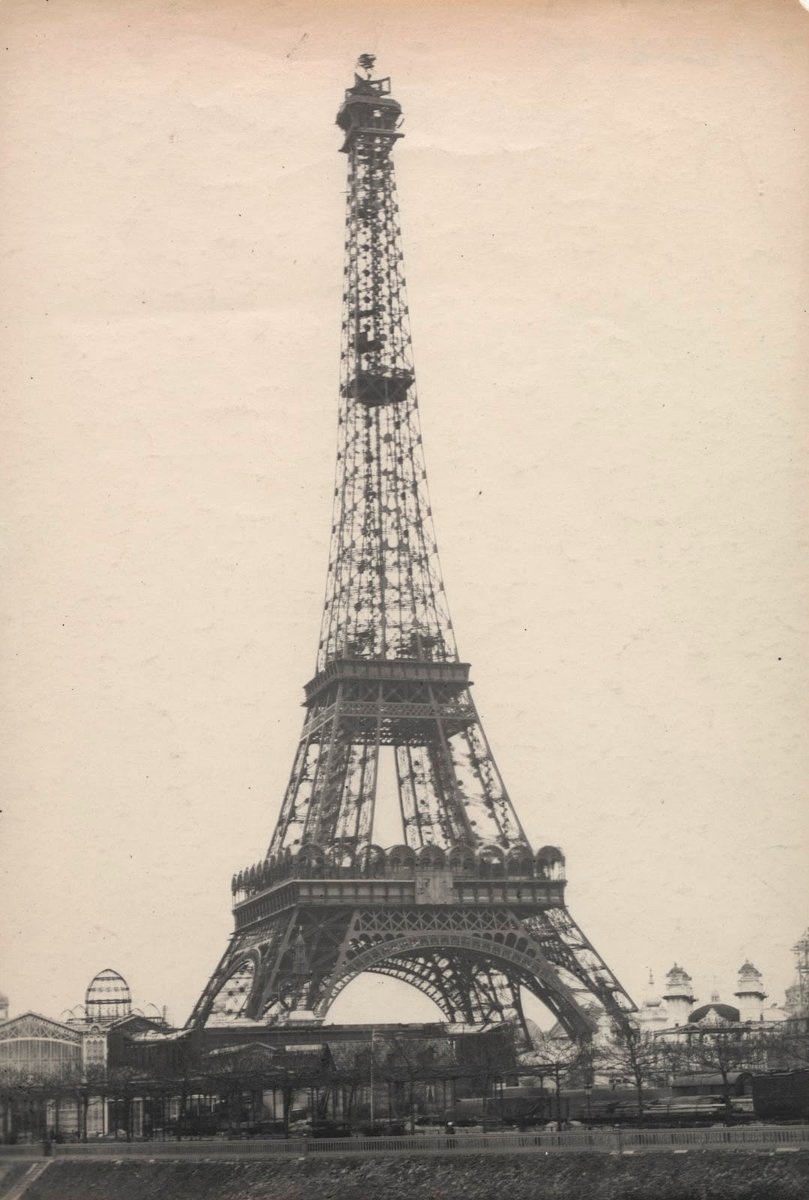
Hippolyte Blancard. The Platinum Print.
From 1887 to 1889 the pharmacist Hippolyte Blancard photographed the Eiffel Tower under construction, month after month, and printed in platinum, a print that barely fades.
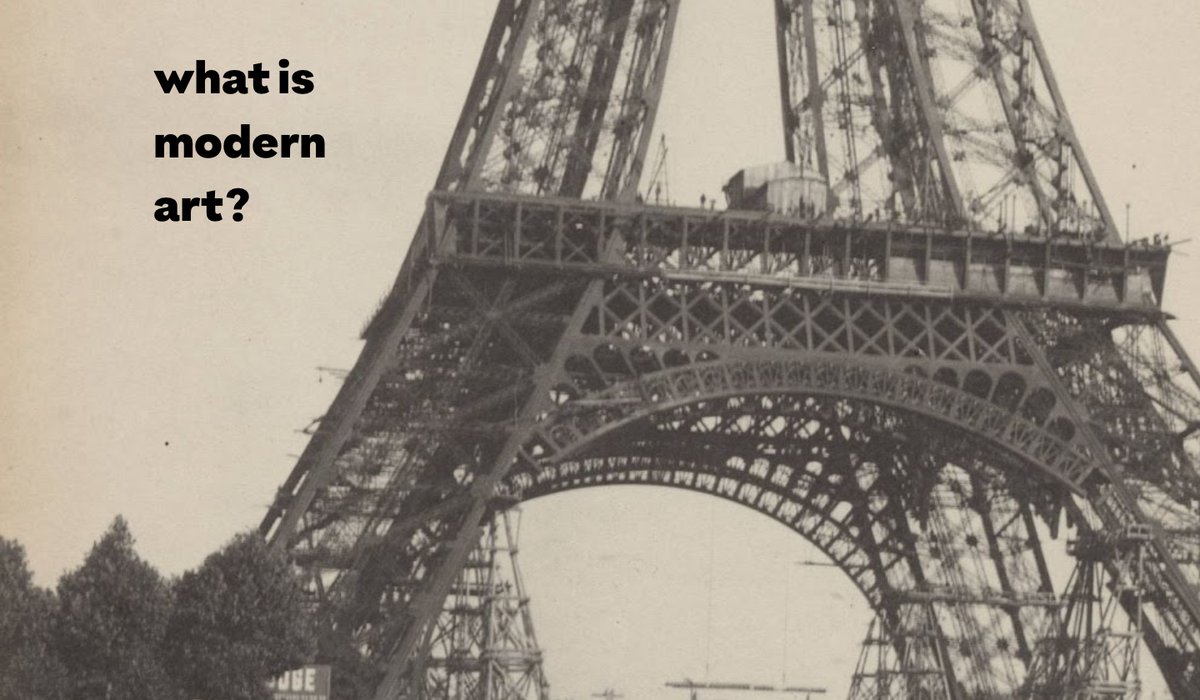
What Is Modern Art.
Cities grew, factories rose, the camera arrived. Artists stopped copying the world. They began painting the way they saw it.
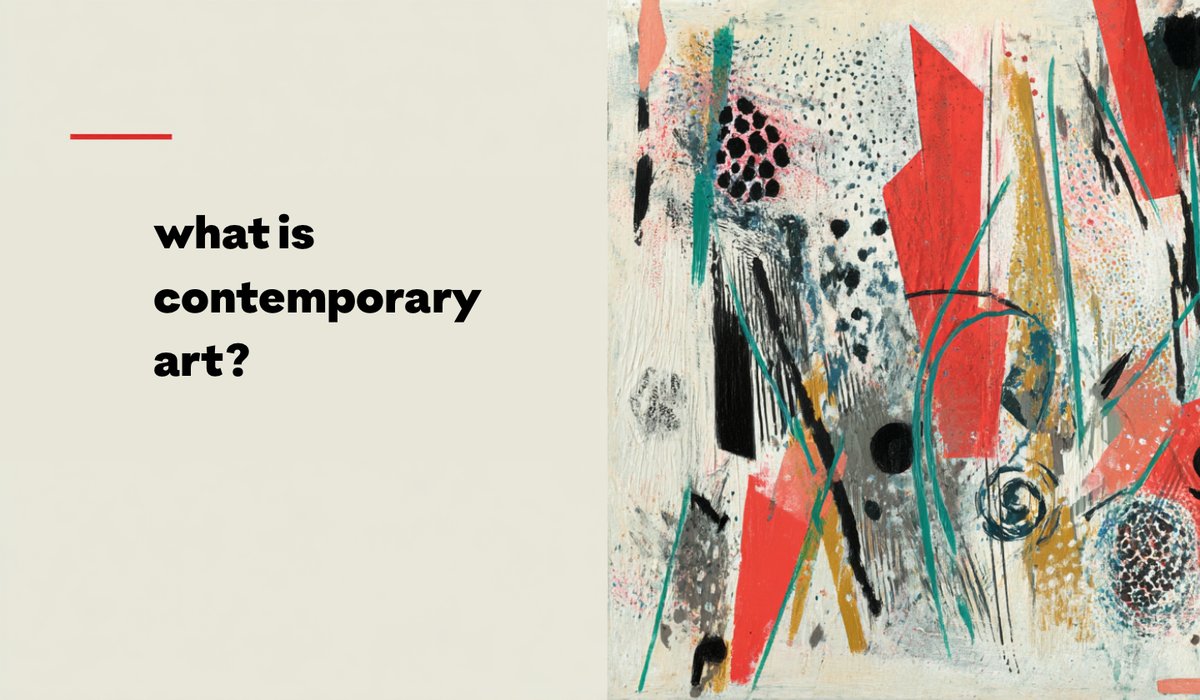
What Is Contemporary Art.
Contemporary art has no single definition. It is painting, video, a room, a person sitting still. What they share is that they ask more than they answer.
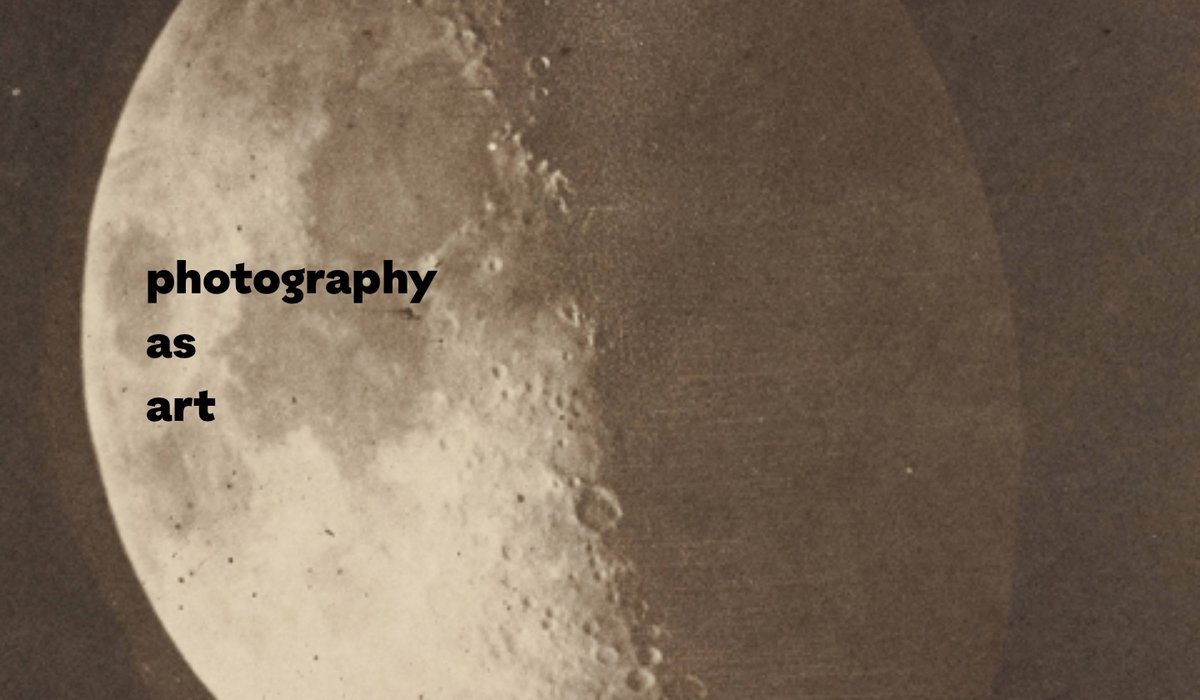
Photography as Art.
The camera records everything in front of the lens. The photographer does not. Photography becomes art in what it chooses to see and to leave out.
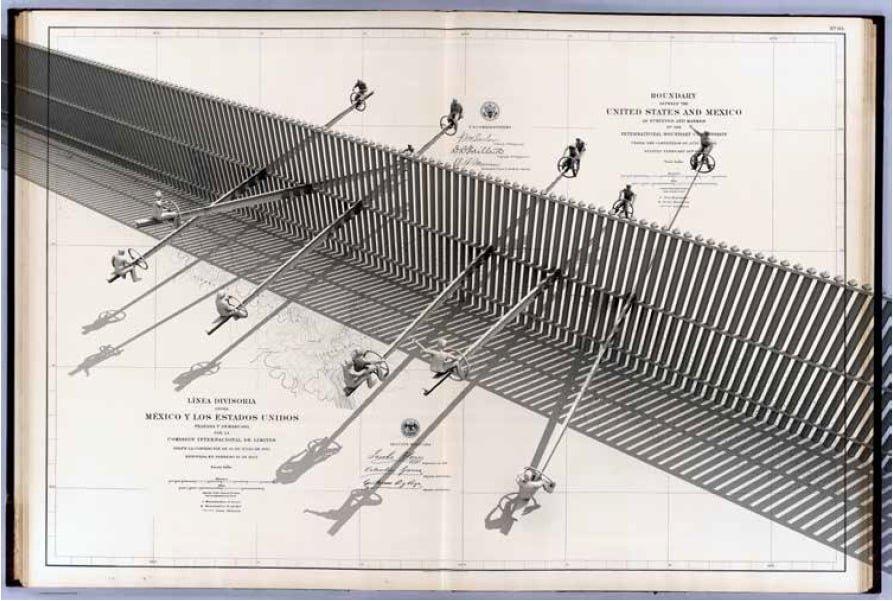
Rael San Fratello. Teeter Totter Wall.
An idea drawn on paper became, ten years later, three pink teeter totters through the border wall. For less than an hour, children on both sides played together.
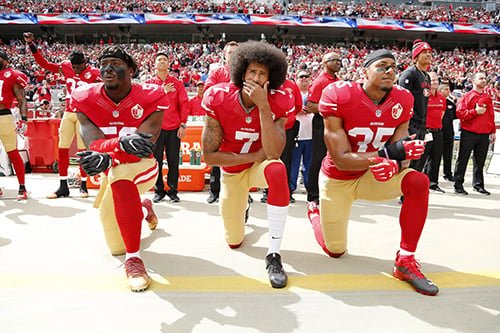
The Sports Jersey.
A shirt with a number and a team name. Once a uniform, now a way of saying who you are. How the jersey travelled from the field to the street.