
Essays · Olfactory Art
Olfactory Art. Nghệ thuật khứu giác.
Mùi là chất liệu, không phải trang trí.
Scent is a material, not a decoration.
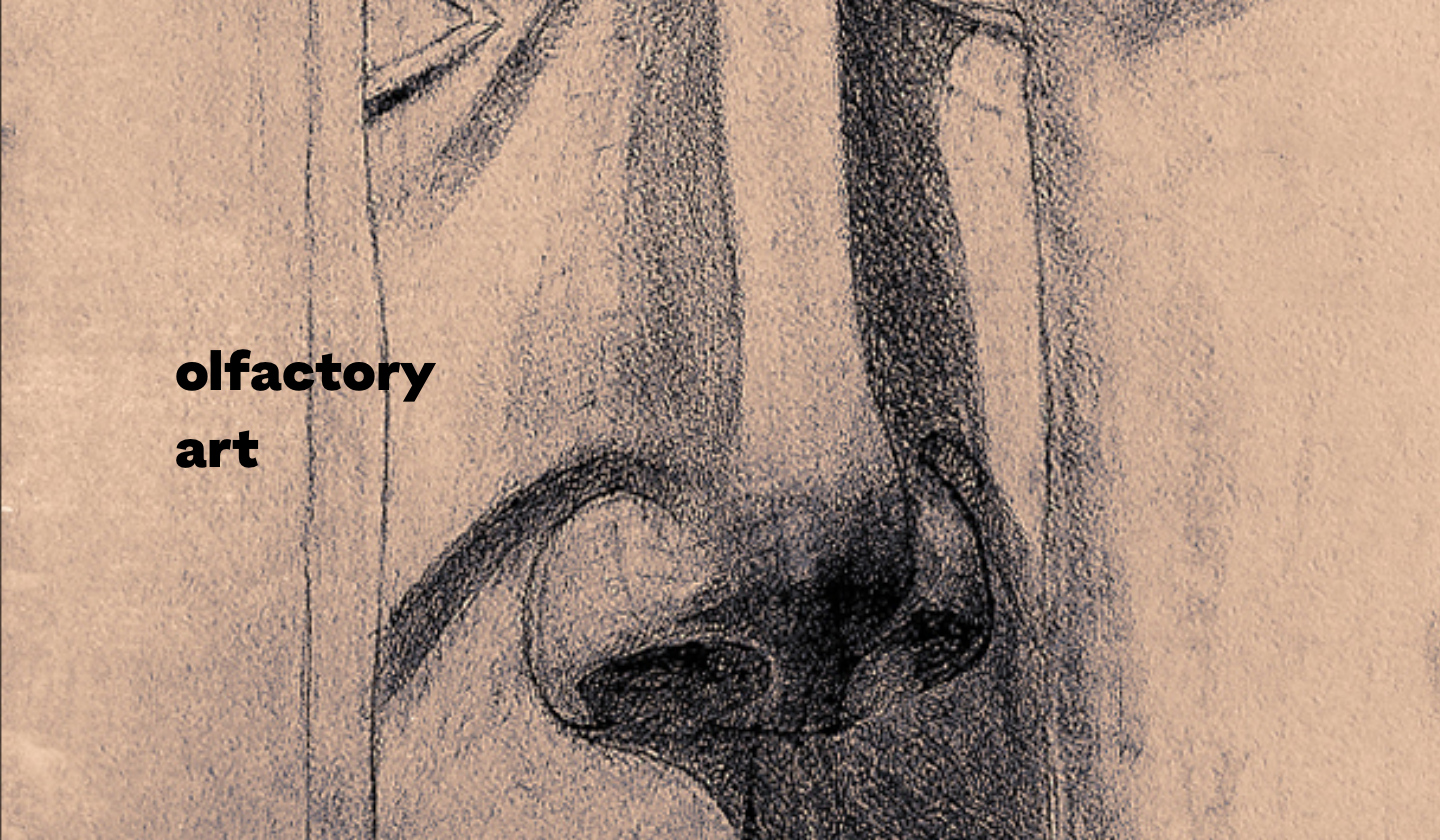
Khi mùi là chất liệu chính
Hội hoạ dùng màu. Điêu khắc dùng đá, gỗ, kim loại. Nhiếp ảnh dùng ánh sáng. Nghệ thuật khứu giác, olfactory art, dùng mùi.
Định nghĩa đơn giản như vậy, nhưng hệ quả thì không. Trong phần lớn lịch sử, mùi chỉ là thứ đi kèm. Trầm trong đền chùa, hương trong nghi lễ, hoa trong phòng khách. Nó làm nền cho một điều khác quan trọng hơn. Nghệ thuật khứu giác đảo lại vị trí ấy. Mùi không còn là nền. Nó là tác phẩm.
Một tác phẩm khứu giác không cần phải thơm. Nhiều tác phẩm cố ý dùng mùi khó chịu, mùi cơ thể, mùi thành phố, mùi của những nơi người ta muốn quên. Mục đích không phải là làm vừa lòng mũi người xem. Mục đích là bắt họ chú ý đến một giác quan họ vẫn dùng mỗi ngày mà hiếm khi nghĩ tới.
Một lịch sử ngắn
Năm 1921, Marcel Duchamp dán một nhãn tự làm, Belle Haleine, lên một chai nước hoa có sẵn. Tác phẩm là cái chai, không phải mùi bên trong. Nhưng đó là một trong những lần đầu nước hoa bước vào phòng triển lãm như một đối tượng nghệ thuật.
Phải đến cuối thế kỷ 20, mùi mới thật sự trở thành chất liệu. Nghệ thuật sắp đặt mở ra những căn phòng mà người xem bước vào, đi quanh, ở lại. Một căn phòng thì có không khí, và không khí thì có thể mang mùi.
Năm 1994, Clara Ursitti dựng một căn phòng nhỏ chỉ chứa một mùi tổng hợp và gọi đó là chân dung tự hoạ. Từ đó đến nay, nhiều nghệ sĩ đã đi theo những hướng khác nhau. Sissel Tolaas thu thập mùi của các thành phố và mùi mồ hôi của người đang sợ hãi. Peter de Cupere dựng một cái cây bằng mùi. Maki Ueda làm những không gian để người xem đi lạc bằng mũi. Oswaldo Maciá đặt mùi cạnh âm thanh.
Họ không chung một phong cách. Điểm chung duy nhất là họ đều coi mũi là một cách để biết, không kém gì mắt.
Vô hình, tạm thời, riêng từng người
Mùi có ba tính chất khiến nó khác mọi chất liệu khác.
Thứ nhất, mùi vô hình. Không thể chụp lại, không thể in trong sách. Một bài viết về tác phẩm khứu giác, như bài này, luôn thiếu đúng phần quan trọng nhất.
Thứ hai, mùi tạm thời. Nó bay hơi, tan dần, đổi theo nhiệt độ và độ ẩm. Một bức tranh treo tường có thể đứng yên hàng trăm năm. Một tác phẩm khứu giác phải được làm lại, bật lên, bổ sung, mỗi lần trưng bày. Nó gần với một buổi biểu diễn hơn là một đồ vật.
Thứ ba, mùi khác nhau theo từng người. Cùng một phân tử, người này ngửi ra gỗ, người kia ngửi ra giấy cũ, người khác không ngửi ra gì. Mùi còn gắn chặt với ký ức: một mùi có thể đưa một người về căn bếp của bà, và không gợi gì cả với người đứng bên cạnh.
Ba điều đó thường bị coi là nhược điểm. Nghệ thuật khứu giác lấy chúng làm chính nội dung.
Những hình thức thường gặp
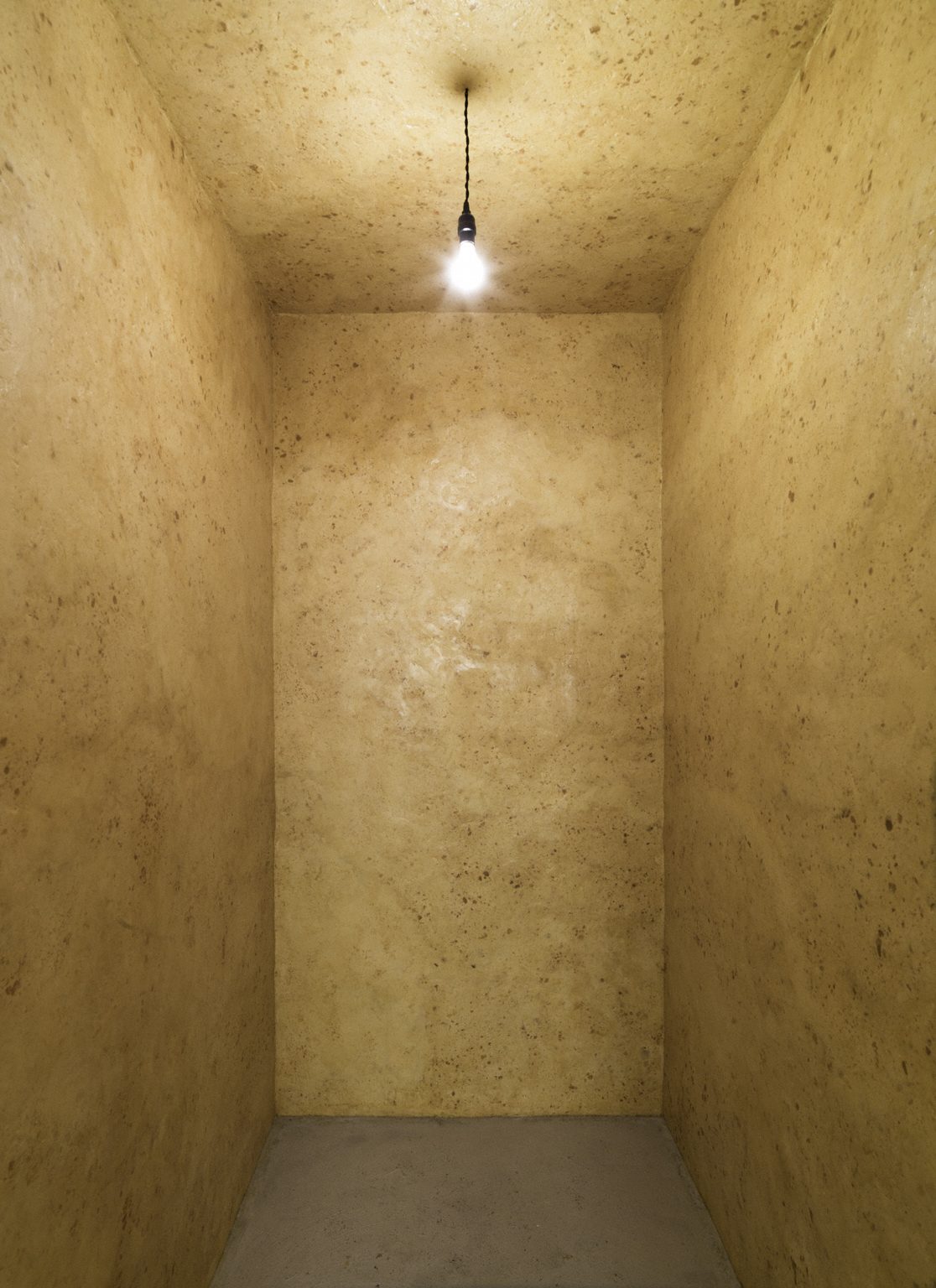
Tác phẩm khứu giác có thể là một căn phòng sắp đặt, nơi mùi phủ kín không khí và người xem bước vào như bước vào một khí hậu khác.
Có thể là một tác phẩm nhiều giác quan, nơi mùi đi cùng âm thanh, hình ảnh, chuyển động.
Có thể là một mùi được dựng như một ý niệm, đóng chai nhưng không để bán, để đọc như một văn bản.
Có thể là một cuộc gặp trực tiếp với người xem: một nghệ sĩ đi thu mùi của một khu phố, rồi trả lại cho chính cư dân ở đó.
Hình thức nào thì câu hỏi cũng giống nhau. Nếu không nhìn, ta biết được gì về thế giới?
When scent is the main material
Painting uses colour. Sculpture uses stone, wood, metal. Photography uses light. Olfactory art uses scent.
The definition is simple; the consequences are not. For most of history, scent came along with something else. Incense in temples, perfume in rites, flowers in a sitting room. It set the scene for something more important. Olfactory art reverses that. Scent is no longer the background. It is the work.
An olfactory work does not have to smell good. Many deliberately use unpleasant smells, body odours, city smells, the smells of places people would rather forget. The aim is not to please the nose. The aim is to make people notice a sense they use every day and rarely think about.
A short history
In 1921, Marcel Duchamp stuck a label of his own making, Belle Haleine, on an existing perfume bottle. The work was the bottle, not the liquid inside. Still, it was one of the first times perfume entered a gallery as an art object.
Only in the late twentieth century did scent truly become a material. Installation art opened up rooms that visitors walked into, around, and stayed in. A room has air, and air can carry smell.
In 1994, Clara Ursitti built a small room holding nothing but a synthetic scent and called it a self-portrait. Since then artists have moved in many directions. Sissel Tolaas collects the smells of cities and the sweat of frightened people. Peter de Cupere built a tree out of scent. Maki Ueda makes spaces in which visitors get lost by nose. Oswaldo Maciá sets scent beside sound.
They share no single style. What they share is the conviction that the nose is a way of knowing, no less than the eye.
Invisible, temporary, personal
Scent has three qualities that set it apart from every other material.
First, it is invisible. It cannot be photographed or printed in a book. Any text about an olfactory work, including this one, is missing exactly the most important part.
Second, it is temporary. It evaporates, fades, shifts with temperature and humidity. A painting can hang unchanged for centuries. An olfactory work has to be remade, switched on, topped up, every time it is shown. It is closer to a performance than to an object.
Third, it differs from person to person. The same molecule reads as wood to one nose, old paper to another, nothing at all to a third. Scent is also bound to memory: one smell can take a person back to a grandmother's kitchen and mean nothing to the person standing beside them.
These three qualities are usually treated as weaknesses. Olfactory art makes them its subject.
Common forms
An olfactory work can be an installation, a room filled with scent that visitors enter as if entering another climate.
It can be a multisensory work, where scent travels with sound, image and movement.
It can be a scent built as a concept, bottled but not for sale, meant to be read like a text.
It can be a direct encounter: an artist gathering the smells of a neighbourhood and returning them to the people who live there.
Whatever the form, the question stays the same. If we do not look, what do we know about the world?
Olfactory Art